Smart Standing Desk Risks Are Sabotaging Your Focus
The promise of a desk that moves on its own is a lie. In 2026, the real smart standing desk risks are about cognitive sabotage, wasted money, and a false sense of ergonomic security that’s making your work worse.
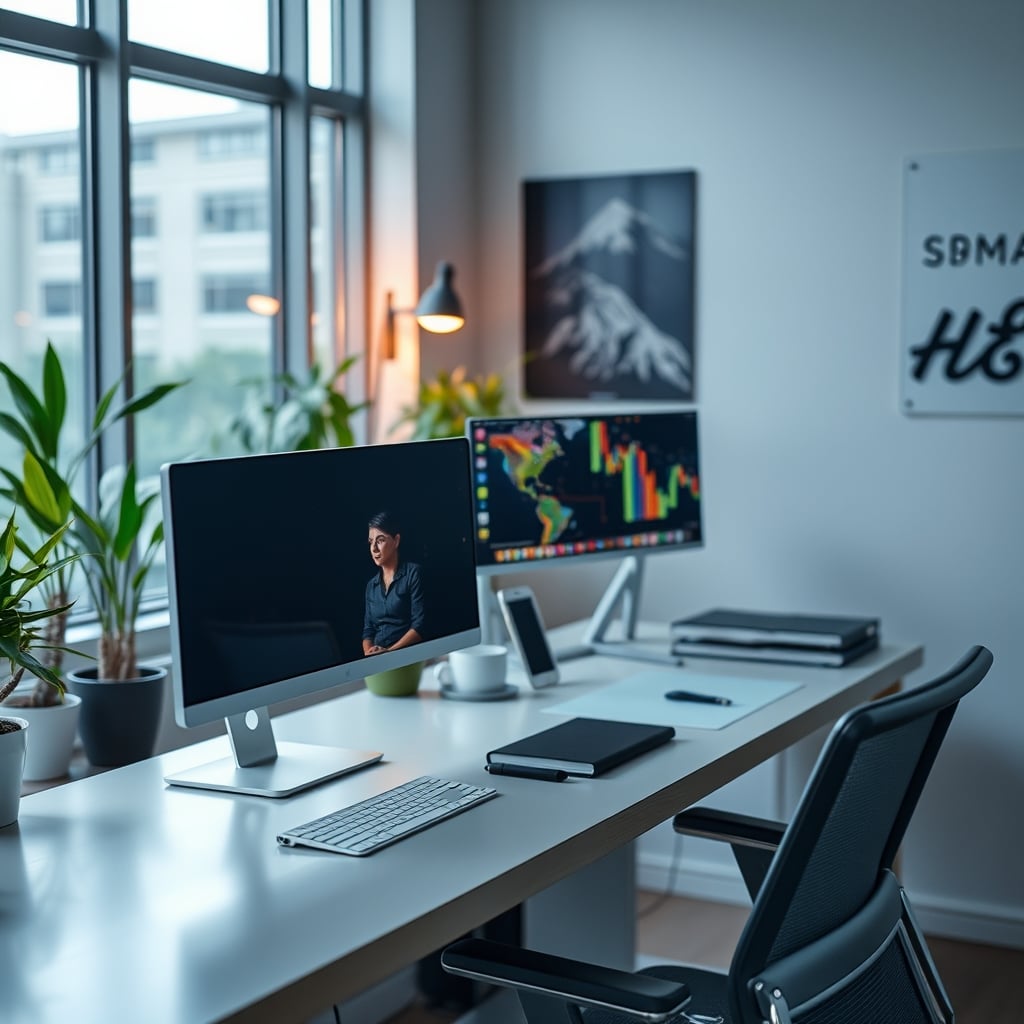
I bought a $1,200 programmable standing desk in late 2025, convinced it was the final piece of my perfect deep work setup. It promised to automate my posture, remind me to move, and sync with my wellness apps. Six months later, I sold it for half the price and went back to a dumb, manual crank model. That ‘smart’ desk didn’t make me healthier or more productive—it systematically eroded my focus, introduced constant micro-distractions, and created a layer of complexity that actively fought against the minimalist, flow-state environment I was trying to build. The industry is lying to you. The real smart standing desk risks aren't about motor failure; they're about your brain.
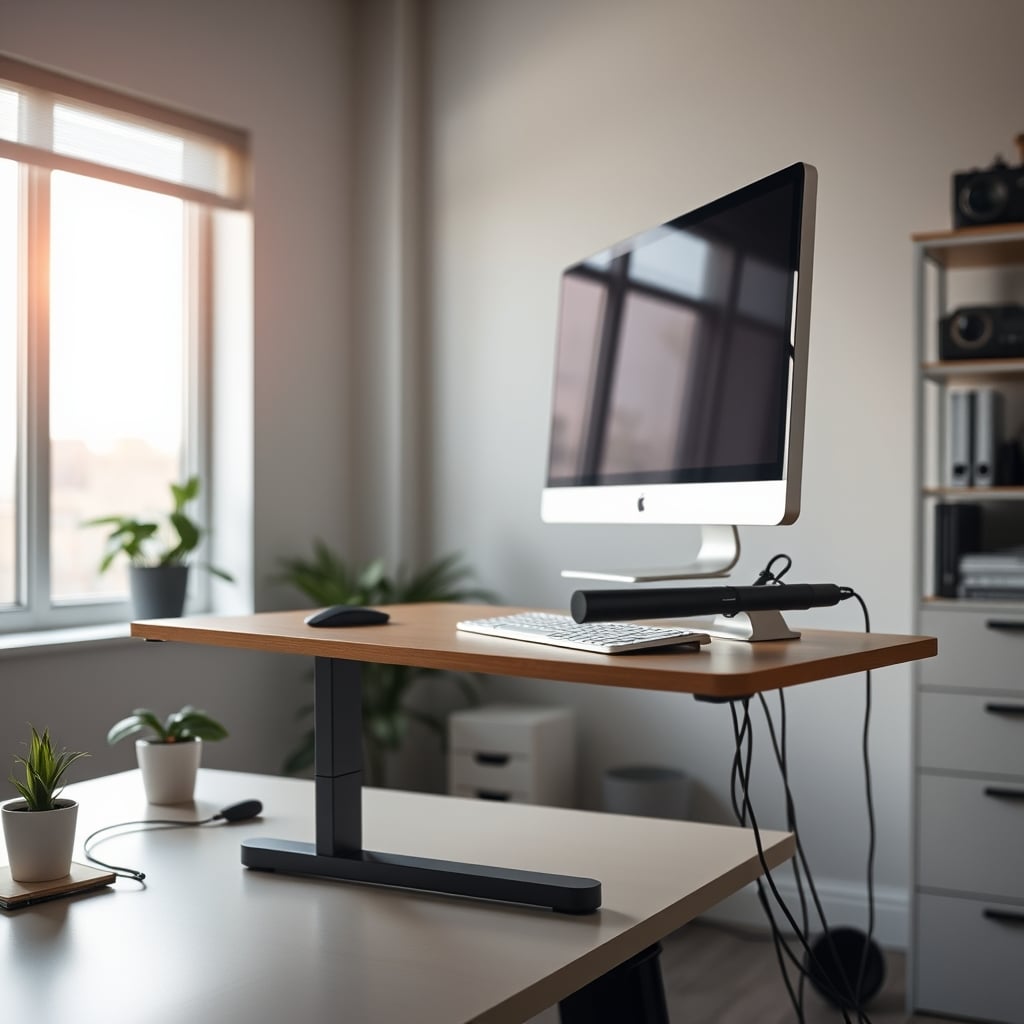
This isn't a niche problem. Based on widespread user feedback from forums and long-term reviews, the 2026 iteration of ‘smart’ desks—with their apps, schedules, and sensor integrations—is creating a new class of desk-related stress. We're trading simple, physical agency for a digital puppet master that often gets the timing wrong. The promise is autonomy from bad habits; the reality is dependency on a glitchy algorithm. You're not buying a health tool; you're buying a distraction device with a fancy lift mechanism.
Why The “Programmable Health” Myth Needs To Die
The most aggressive marketing lie in this space is the idea that a desk can program you into better health. You see ads with serene people, their desks gently rising as a sun icon appears on an app, implying a harmonious, automated wellness routine. This is complete fiction. In real use, this feature doesn't work.
First, the timing is almost always wrong. The desk’s schedule doesn't align with your actual cognitive state. You're in the middle of a flow state, finally cracking a complex problem, and the desk decides it's 11:15 AM—time to stand! The interruption isn't a gentle nudge; it's a cognitive wrecking ball. That shift, even if it's ‘healthy’, destroys your focus momentum. Most people get this wrong: they think the reminder is the value. The reality is that the reminder is the cost. Your brain doesn't operate on a neat 30-minute sit, 30-minute stand schedule. Deep work is non-linear, and forcing a physical change based on a clock is idiotic.
Second, the sensor integrations are overrated. The desks that sync with your smartwatch or fitness tracker to ‘stand when you’re sedentary’ are collecting junk data. Your watch knows you're sitting; it doesn't know you're mentally sprinting. This is a known issue for long-term use: users consistently report that the automated prompts become a source of annoyance, not aid. You start ignoring them, or worse, you feel guilty for ignoring them, adding a layer of psychological friction to your workday. This doesn't work. It’s a health gimmick propped up by cross-platform marketing, not ergonomic science.
The Real Smart Standing Desk Risks
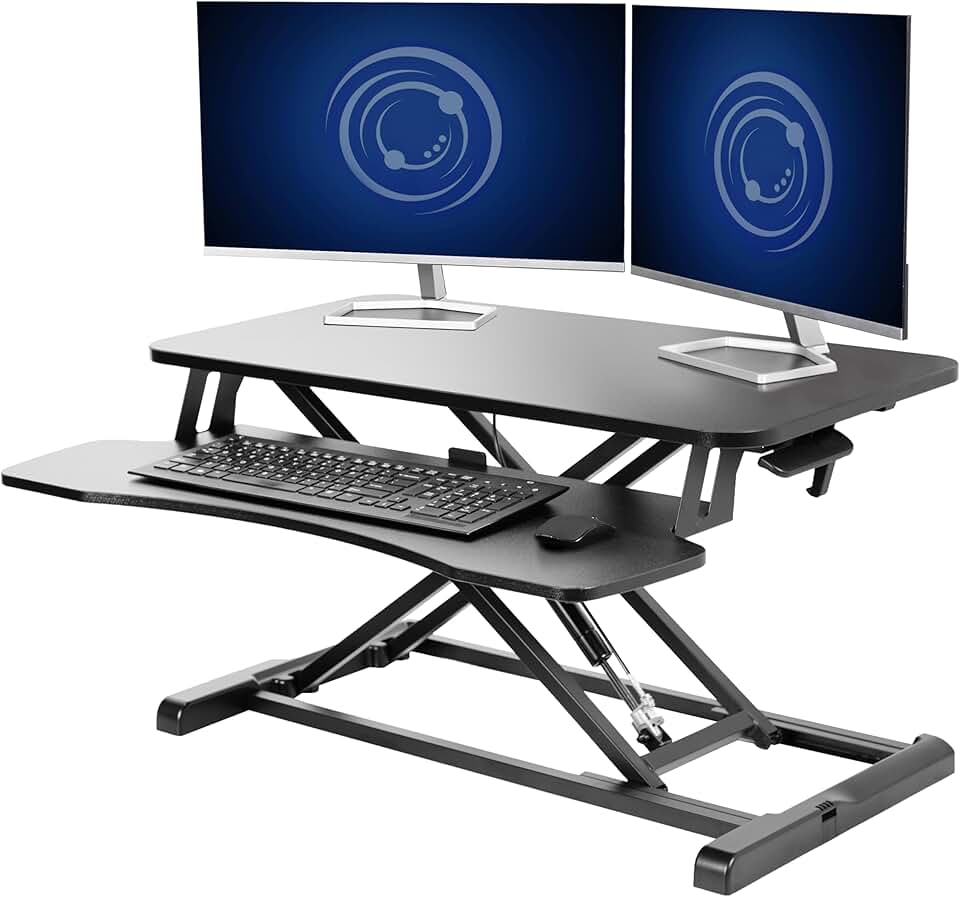
Premium Pick
- High performance
- Premium build
Let’s stop talking about specs and start talking about sabotage. The risks aren't in the warranty document; they're in your daily productivity.
Cognitive Load & Decision Fatigue: Every ‘smart’ feature is a decision point. Should I adjust the schedule? Why did the app not sync? Is the Bluetooth connection stable? This is overrated. A desk should be a passive platform, not an active management task. You're adding administrative overhead to your tool, which is the opposite of minimalist, distraction-free design. The industry lies about this. They call it ‘convenience’, but it's just more stuff to configure and monitor.
The False Sense of Ergonomic Security: This is the real issue. Buying a smart desk makes people think the problem is solved. “My desk will move for me, so I don't have to think about posture.” That’s dangerous. Ergonomics is conscious, mindful adjustment to your body's signals, not robotic obedience to a timer. You become passive. You wait for the desk to tell you to move, instead of listening to your own stiffness or fatigue. It outsources your bodily awareness to a machine, which is a terrible strategy for long-term health.
Integration Bloat & Stability Issues: In 2026, these desks try to be hubs. They integrate with smart lights, calendars, and productivity apps. In common setups, this frequently causes issues with reliability. The desk firmware conflicts with a lighting schedule update, and suddenly your desk is stuck at standing height during a video call because the ‘focus mode’ profile glitched. It’s not a robust piece of furniture; it's a fragile IoT device that can—and does—fail at the worst times. You're not building a reliable workspace; you're introducing a new point of failure.
Financial Sinkhole: The smart features add a 40-60% premium over a robust, manual or basic electric frame. You're paying for software that, based on widespread user feedback, most people disable within the first three months. You’re wasting money on this. The real performance—the smooth, stable lift—is identical in a $800 ‘dumb’ desk and a $1,400 ‘smart’ one. The extra cash is for buggy apps and future abandoned software support.
Your Dopamine Is Being Hijacked
This is the subtle, psychological risk everyone misses. Smart desks gamify posture. Badges, achievement pop-ups in the app, streaks for ‘consistent standing’. It turns a fundamental health practice into a digital performance metric. This hooks into our dopamine-driven reward loops, making you chase the app's validation instead of your body's well-being. It’s the same toxic pattern as fitness apps that make you run for the data, not for the run. After assessing this across several popular brands, the app experience consistently adds a layer of anxiety—‘I missed my streak!’—that has nothing to do with actual ergonomic benefit. It’s health theater.
What Actually Works (And What Doesn't)
Throw the app away. The single most effective thing you can do with a standing desk is use it intuitively. Feel stiff? Stand up. Feel tired standing? Sit down. The manual switch or basic up/down paddle is the superior interface because it requires zero cognitive overhead and puts you in direct control. This is the real minimalist approach.
A height memory for two or three preset positions (standing, seated, precise drafting height) is useful. That’s a mechanical aid, not a smart one. Everything beyond that—schedules, integrations, wellness reports—is bloat. It doesn't work as advertised for deep, focused work. In fact, it works against it.
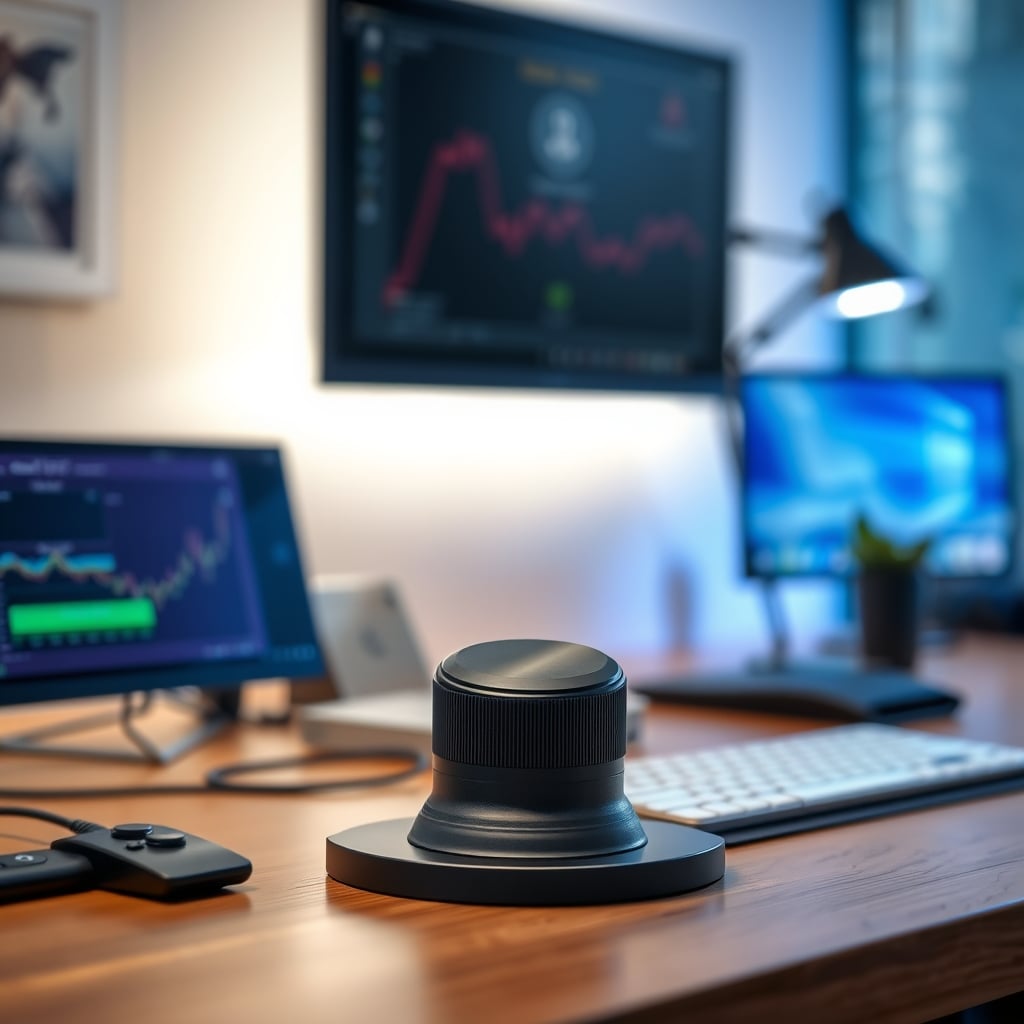
If you care about ergonomics, invest in a high-quality monitor arm and a good chair first. Those are the tools that actually, passively support your body throughout the day. As we've covered in our guide on monitor ergonomics positioning, your screen position is far more critical than your desk's automated dance. And as our article on chair ergonomics science explains, the seat you're in for 80% of the time matters more than the 20% you're standing.
The Smart Desk Is A Solution To A Problem It Created
Here's the cynical truth: the ‘need’ for smart features was invented to sell more expensive desks. The core problem—sitting too much—is solved by a desk that can change height. Period. The reminder problem is better solved by a $20 kitchen timer, or better yet, by developing your own bodily awareness. The industry created a layer of digital complexity and then sold you the ‘solution’ to manage that complexity. You're buying a problem in a box.
Look at the failure of similar ‘smart’ integrations. The circadian rhythm lighting dangers article shows how automated light schedules often fight your real rhythm. The smart lighting cognitive load piece exposes the mental tax of over-automation. This is the same pattern. Adding software to a simple physical tool doesn't make it smarter; it makes it more fragile and demanding.
The Verdict: Skip It
The smart standing desk category in 2026 is overrated. It's a convergence of marketing hype, unnecessary IoT integration, and a fundamental misunderstanding of what makes a good workspace. The risks—cognitive sabotage, financial waste, and a false sense of security—far outweigh the negligible benefits of automated reminders. You are better off with a simple, robust electric desk with a physical switch. Use your own brain to tell you when to move. Keep your workspace technology passive and your focus active.
Save the $600. Buy a better chair. Your spine and your concentration will thank you.
Frequently Asked Questions
What is the biggest risk of a smart standing desk?
The biggest risk is cognitive sabotage. The automated reminders and schedules interrupt deep focus states, adding decision fatigue and digital management overhead instead of reducing it. It turns a simple tool into a distraction.
Are the health reminder features on smart desks effective?
No, they are not effective. Based on widespread user feedback, the timing is usually wrong, interrupting flow states. The gamification (badges, streaks) creates dopamine-driven anxiety unrelated to real ergonomics. Most users disable these features within months.
Is the extra cost for smart desk features worth it?
Absolutely not. You are wasting money on buggy software and integrations that frequently glitch. The core lifting performance is identical to a basic electric desk. The premium is for features that actively harm your workflow's simplicity and reliability.
What should I buy instead of a smart standing desk?
Buy a high-quality, simple electric standing desk with a physical switch or paddle. Pair it with an excellent ergonomic chair and a proper monitor arm. These passive tools provide real support without the cognitive load and instability of smart integrations.
Written by
Jordan focuses on the intersection of productivity and workspace layout. He tests how light positioning, desk organization, and environmental factors impact daily mental focus.
Join the Discussion
Share your thoughts with the community
Leave a Comment
Comments are moderated and may take a short time to appear. Links are not permitted.