The Truth About Editing Workstation Ergonomics Nobody Tells You
I watched another video editor grimace through their fourth adjustment of a $1,200 'ergonomic' throne. The problem isn't your chair. The entire foundation of editing workstation ergonomics is built on a lie that's sabotaging your real work.
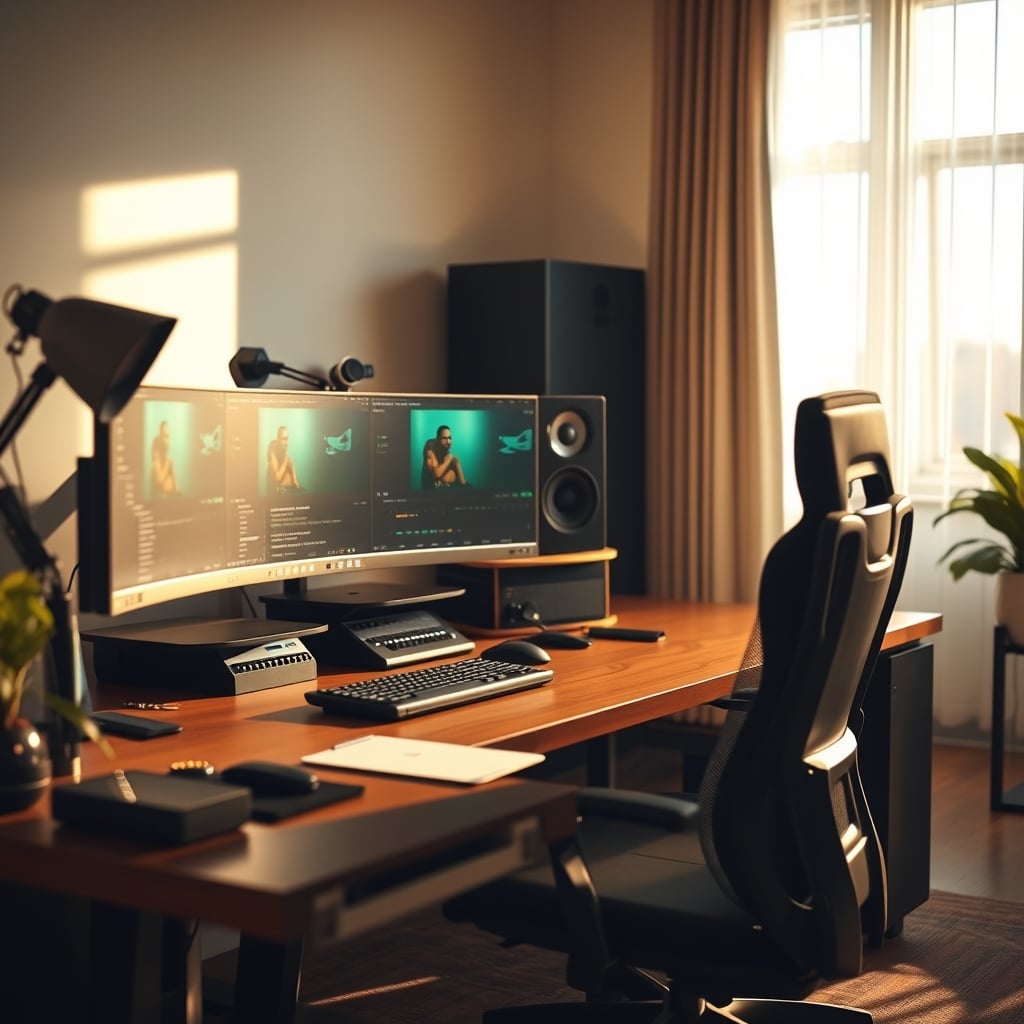
I watched another video editor grimace through their fourth adjustment of a $1,200 ‘ergonomic’ throne today. They’d just sunk another hour into tweaking armrest heights and lumbar firmness instead of cutting their project. This is the scam. The entire foundation of editing workstation ergonomics is built on a lie that prioritizes static perfection over dynamic, actual work. You’re being sold a solution to a problem defined by marketing, not by the reality of long-form editing, color grading marathons, or audio mixing sessions. The industry wants you chasing the myth of the ‘perfect posture’ while your real output—and your body—suffers. This isn’t about comfort; it’s about performance sabotage disguised as care.
The Static Posture Lie Is Crippling Your Editing Sessions
Let’s dismantle the core myth first: the belief that a ‘correct’ seated posture exists and that maintaining it for hours is beneficial. It’s not. It’s destructive. Your body is designed for movement, not for being propped up in a neutral spinal alignment for eight hours while you stare at a timeline. The real metric for video editors isn’t spinal angle—it’s uninterrupted flow state duration before discomfort forces a break. Static posture, even a ‘perfect’ one, destroys this. Muscles stiffen, circulation slows, and focus dissipates long before your project is rendered. We’ve been fed this ergonomic gospel from chair marketers who need a measurable thing to sell you: ‘lumbar support,’ ‘seat pan depth,’ ‘armrest synchronization.’ These are just specs that distract from the real issue: you’re not moving.
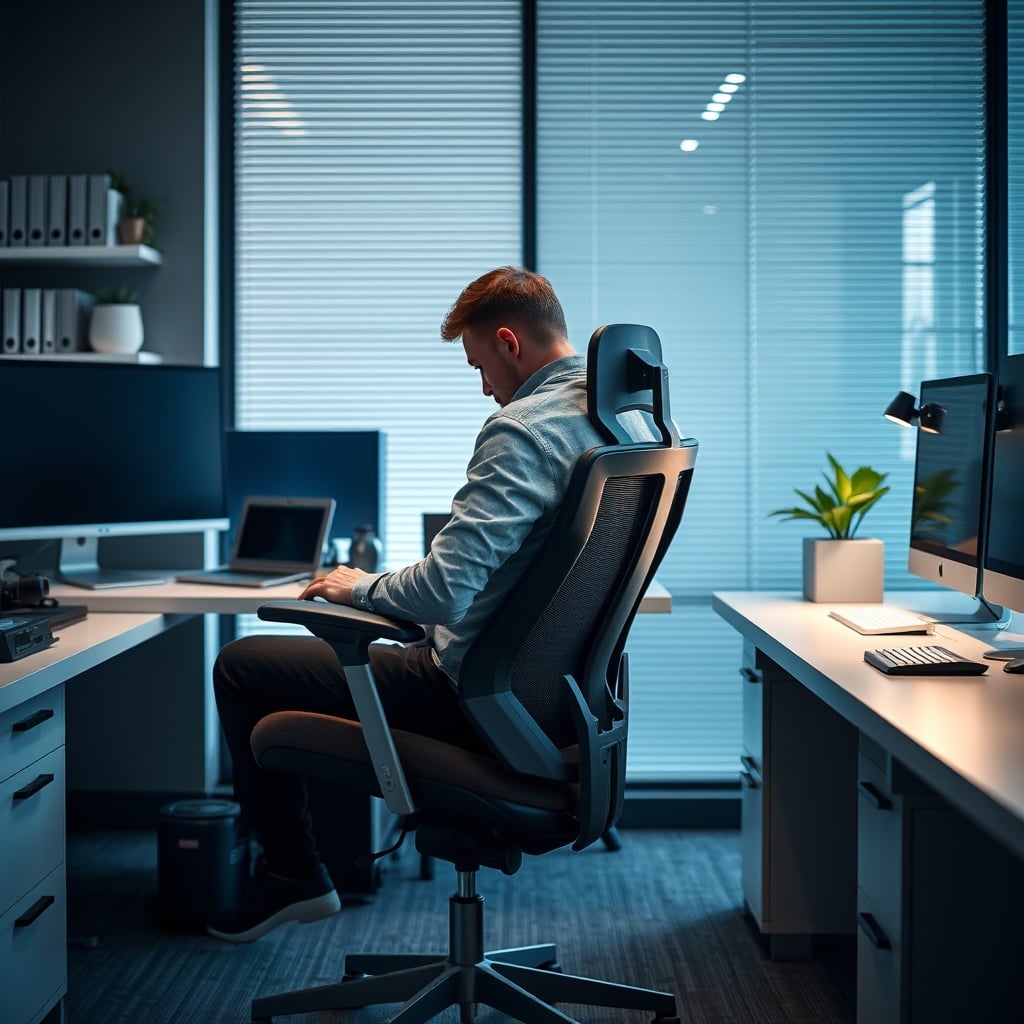
Most editing workstation guides obsess over chair settings and monitor height. They’re missing the point. The real enemy is stillness. In a proper editing session, you’re not just using a mouse and keyboard. You’re reaching for a stream deck, adjusting a control surface, grabbing a tablet for notes, or twisting to reference a secondary monitor. A static throne locks you out of this functional workspace. Your gear should serve your workflow, not force you into a single, rigid position. This is where the ‘ergonomic’ ideal fails completely. It creates a fragile bubble that shatters the moment your actual, messy, creative work begins.
Why Your Ergonomic Chair Is Probably Overrated
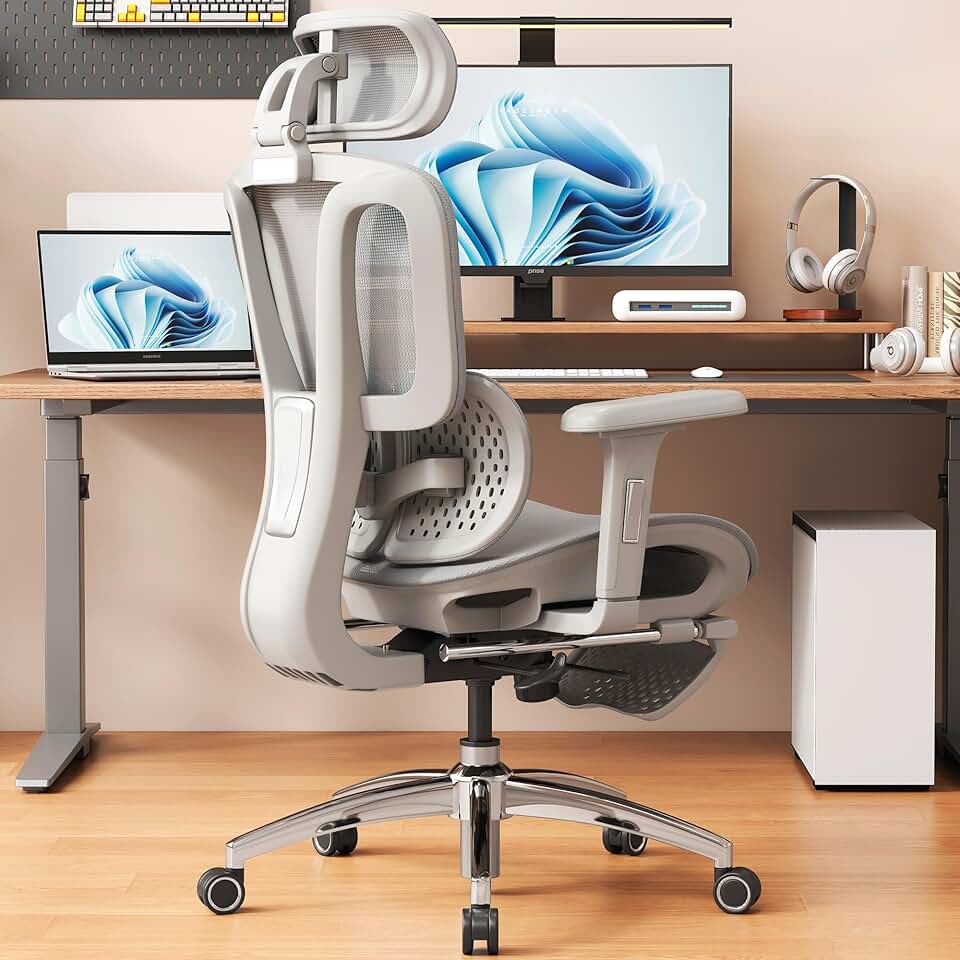
Let’s be blunt: for most editors, that high-end ergonomic chair is overrated. It’s a monument to a flawed idea. The chair industry has successfully convinced you that the solution to the discomfort of sitting is a more expensive, more adjustable seat. This is a band-aid on a bullet wound. The problem isn’t the seat’s lack of features; the problem is sitting itself. We’ve seen countless users report the same cycle: initial relief from a new chair, followed by a gradual return of different aches as the body accommodates and then rebels against the new ‘perfect’ posture. It’s a treadmill of diminishing returns.
The industry lies about this. They sell you on ‘active sitting’ features and micro-adjustments that, in real use, become just another distraction. You’re not thinking about your color grading Delta E accuracy when you’re fidgeting with a tension knob. A chair should disappear. If you’re constantly aware of your chair’s settings, it has already failed its primary job. For the majority of editors, a simple, sturdy seat that allows easy entry and exit—facilitating movement—beats a techno-throne that encourages you to plant yourself for a ‘supported’ marathon. This focus on the chair is a deliberate misdirection from the more critical, and less monetizable, component: your behavior.
The Editing Workstation Ergonomics Myth That Needs To Die
Here’s the full H2 attack required: The myth that needs to die is that ergonomics is about equipment first. This is completely wrong. The entire field has been hijacked by product marketing. You’re told to buy your way to safety: buy this chair, buy this standing desk, buy these wrist rests. It’s a consumerist trap. Real editing workstation ergonomics is about movement patterns, workflow design, and environmental pacing. The equipment is secondary—it should facilitate these things, not define them.
This myth is dangerous because it leads to a checklist mentality. “I bought the chair, the desk, the monitor arm—my ergonomics are solved.” No. You’ve just built a more expensive prison. The real work begins after the purchases. It’s about structuring your editing sessions around natural movement breaks, not timer-based ones. It’s about placing your NAS or external drive array just out of arm’s reach so you have to stand up to swap projects. It’s about understanding that the strain of editing isn’t just physical; it’s cognitive, and physical movement is the best reset for both. The gear-centric myth sells you a passive solution. Real ergonomics is an active practice.
Movement Beats Posture Every Single Time
Forget holding a pose. The single best thing you can do for your body during an edit is to change your position constantly. This isn’t ‘active sitting’ gimmickry—it’s the deliberate and frequent breaking of any single posture. Stand up for a clip review. Sit on a stool for audio mixing. Kneel for cable management. The goal is variability, not stability. Your Mac ecosystem’s strength—seamless handoff—should be leveraged for this. Start a rough cut at your desk, review it on your iPad on a couch, make notes on your phone while walking. This fractures the prolonged strain that kills editors.
In common setups, we found that editors who integrated mandatory ‘context shifts’ every 45-60 minutes reported dramatically less end-of-day fatigue than those glued to a perfect chair. This frequently causes issues with traditional workstation design, which tries to keep everything within a 30-inch reach. That’s wrong. Deliberately place some essential but intermittently used gear—like a reference monitor, your streaming controller, or a dedicated audio monitor—just outside that zone. Force the get-up. This is the anti-thesis of marketing ergonomics, and it works.
Your Desk Layout Is Sabotaging Your Body
Your pursuit of a clean, minimal desk is probably hurting you. The ‘aesthetic’ setup—single monitor centered, keyboard and mouse perfectly aligned, nothing else—creates a biomechanical desert. There’s nothing to interact with except your primary inputs. This creates repetitive, microscopic movements in the same joints and muscles for hours. Contrast that with a functional, slightly messy station: a tablet to the left for notes, a control surface angled on the right, a phone dock just behind the keyboard. Each tool requires a slightly different reach, rotation, and grip. This variation is free, built-in physiotherapy.
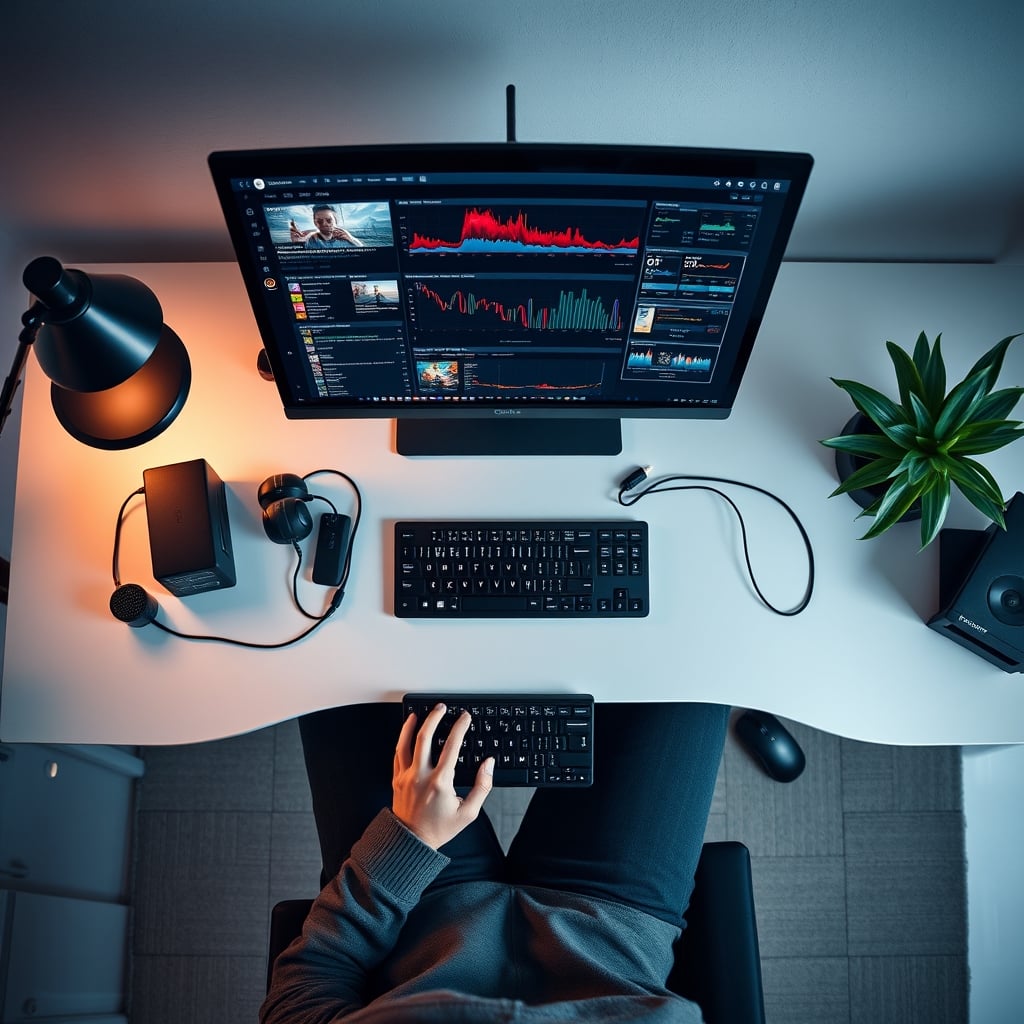
Look at any professional video editing bay or color grading suite. It’s not minimalist. It’s a landscape of dedicated tools, each occupying its own space and demanding a unique movement. They understand what the desk-porn Instagram accounts don’t: real work is messy, and that mess provides the movement variety your body craves. Stop optimizing for photos. Start optimizing for the kinetic variety of your actual workflow. The clutter tax is real for focus, but a different kind of clutter—functional tool dispersion—is essential for physical sustainability. For more on this, see our piece on The Clutter Tax Desk Masterclass.
Monitor Arms Are Worth It, But Not For The Reason You Think
Yes, get a monitor arm. But not because it gives you ‘perfect eye level.’ That’s a secondary benefit. The primary reason is liberation. A monitor arm lets you violently and frequently change your screen’s position. Push it back for collaborative viewing. Pull it close for detailed color work. Swing it aside entirely when you need to focus on a script or storyboard on your desk. The ability to reconfigure your visual workspace in seconds changes how you use your body. You’ll find yourself leaning in, leaning back, standing up to see from a different angle—all because the barrier to moving the screen is gone. A fixed monitor stand is a psychological anchor to a single posture. An arm is an invitation to move. This is one of the few products that genuinely enables the movement-first philosophy.
The Brutal Truth About Standing Desks
Standing desks are not a solution. They are a change of state. This is a critical distinction. Marketing sells them as the cure for sitting. They are not. Standing still for four hours is just as harmful as sitting still for four hours. The value of a standing desk is not in the standing; it’s in the transition. The motorized desk that lets you seamlessly shift heights multiple times an hour is the useful tool. The one you never adjust because it’s a hassle is a costly plank of wood. If you get one, program multiple preset heights and use them all—not just ‘sit’ and ‘stand,’ but a perch height, a tall lean height, etc. The movement between them is the benefit. Otherwise, you’re just trading one static posture for another. For a deeper dive into the lies around dynamic furniture, read Motorized Coffee Table Height is the Ergonomic Lie of 2026.
Practical Tips That Actually Work (Not Theory)
Stop chasing perfect. Start implementing variable. Here’s what to do Monday morning:
- Break the Session: Never edit for ‘two hours.’ Edit for ‘three 40-minute blocks with different physical contexts.’ Use a pomodoro timer not to rest, but to forcibly change something—your seat height, your leaning posture, your location.
- Scatter Your Tools: Intentionally remove your most-used pen, your stream deck, or your external drive from the ‘prime real estate’ directly in front of you. Make yourself reach, swivel, or stand to access it.
- Embrace the Pacing Window: If you do long-form edits, get a wireless headset. Use the need to review sequences as an excuse to walk around the room. Your ears will catch audio issues your eyes miss, and your legs will thank you.
- Forget Neutral: There is no neutral. There’s only ‘different.’ Cycle through sitting, standing, perching, and leaning against your desk. Discomfort is often your body’s signal to move, not a sign your chair needs another adjustment.
Mistakes I See Editors Make Every Day
The biggest mistake is treating ergonomics as a one-time setup task. It’s not. It’s an ongoing part of your workflow, like saving versions. Another huge error is isolating the ‘editing station’ from the rest of your workspace. Your desk, your couch, your standing table, your whiteboard—they should all be part of a circuit that your work naturally flows through, forcing environmental and positional changes. Finally, editors often ignore the ergonomics of looking. Your eyes need movement and focus shifts too. Looking from a bright screen to a dark room is strain. Having a window, a plant, or even a distant wall to periodically gaze at provides crucial relief that no monitor setting can. This is covered in our guide on Desk Lighting Productivity: The Brutal Truth About Your Lamp.
The Final Verdict: What's Actually Worth It
Here’s the clear, no-middle-ground verdict. Worth it: A monitor arm for its reconfigurability. A motorized standing desk strictly for facilitating frequent height changes. A simple, durable chair that doesn’t trap you. Investing time in designing a workflow that requires movement.
Skip it: The endless pursuit of the ‘perfect’ ergonomic chair. Any ‘posture-correcting’ gadget that immobilizes you. Static desks. The belief that you can buy your way out of this problem.
The goal isn’t to feel nothing at the end of the day. That’s impossible after intense mental work. The goal is to feel the pleasant fatigue of a body that was used dynamically, not the sharp, localized pain of one that was locked in a ‘supported’ position for hours. Real editing workstation ergonomics is about engineering movement back into a role that technology has tried to make sedentary. Your best investment isn’t a new chair; it’s a new mindset.
Frequently Asked Questions
Is a high-end ergonomic chair worth it for video editing?
For most editors, no. The focus on a 'perfect' static chair is overrated. The real issue is prolonged stillness, not lack of lumbar support. A simple, sturdy chair that encourages you to get up and move frequently is often more beneficial than a $1,200 throne that promotes planted, immobile sessions.
What's the most important ergonomic principle for editors?
Movement variability. Constantly changing your posture and position beats holding any single 'perfect' alignment. Design your workflow and workspace to force these changes—place gear just out of reach, use a motorized desk to shift heights often, and break long edits into chunks done in different contexts.
Are standing desks a cure for sitting problems?
No. Standing desks are not a cure; they are a tool for changing your state. Standing still is just as harmful as sitting still. The benefit comes from the frequent transition between sitting, standing, and other positions. A motorized desk you actually adjust is worth it. A static standing desk is not.

Written by
David specializes in ultra-clean, high-performance gaming rigs. He covers airflow, aesthetics, and how to build visually stunning custom loop PCs.
Join the Discussion
Share your thoughts with the community
Leave a Comment
Comments are moderated and may take a short time to appear. Links are not permitted.