Motorized Coffee Table Height is the Ergonomic Lie of 2026
The rise of the motorized coffee table height as the trendy, multi-purpose work solution is a full-blown scam in 2026. It promises ergonomic flexibility but delivers chronic back pain and workflow sabotage. Here's why you're wasting your money on a concept that fundamentally misunderstands what a desk is for.
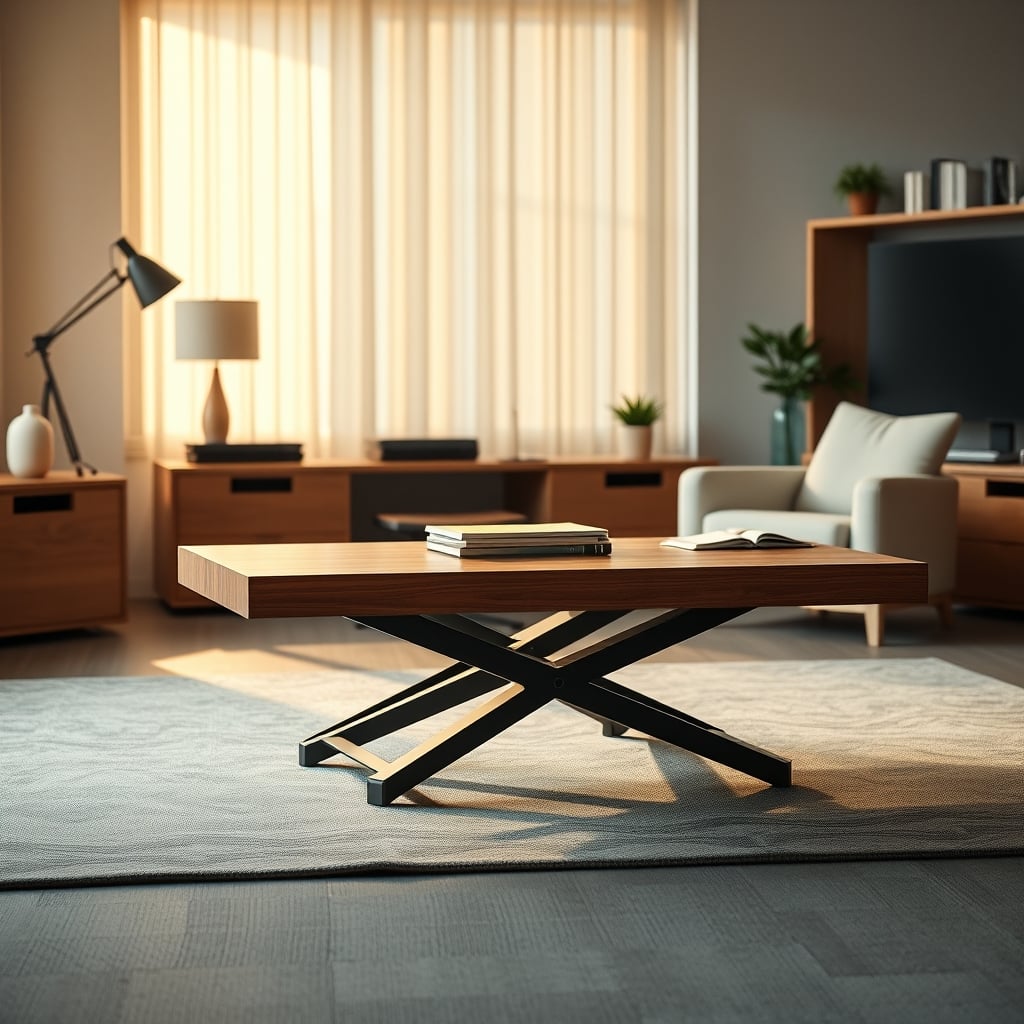
I need you to understand something right from the start: the motorized coffee table height trend isn't an innovation. It's a compromise being sold as a solution. It’s 2026, and we're still falling for furniture that tries to be three things at once and ends up being terrible at all of them. After seeing dozens of these setups in creator spaces and home offices, and hearing the widespread user feedback that echoes one sentiment—'my back hurts'—I can tell you this isn't a minor quirk. This is a fundamental design failure.
These tables promise the world: a coffee table by day, a dining table by night, and a standing desk when you're feeling 'ergonomic'. The reality is a wobbly, unstable surface that forces your monitor to sit too low, your keyboard onto your lap, and your posture into the garbage. This isn't about adding versatility; it's about manufacturers cashing in on the small-space living trend by selling you a product that doesn't have the courage to be a proper desk. Let's dismantle this lie, piece by shaky piece.
Why Your Posture is Being Sabotaged
The core ergonomic promise of a motorized coffee table is a complete fantasy. Proponents claim you get the health benefits of a standing desk. This is not just wrong; it’s dangerously misleading.
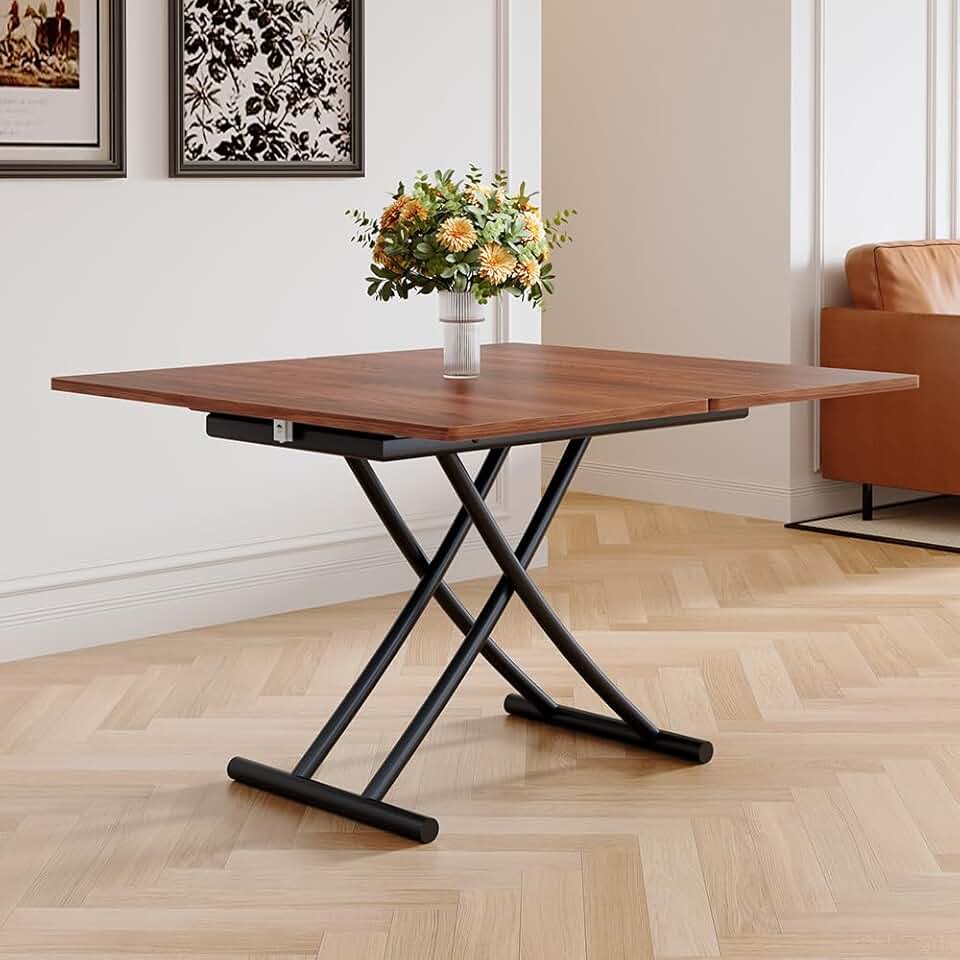
Proper desk ergonomics, as defined by OSHA and any credible physiotherapist, require specific, fixed relationships: your monitor should be at eye level, about an arm's length away. Your elbows should be at a 90-degree angle, with your wrists straight. A motorized coffee table height cannot achieve this. The surface area is too small for a proper monitor stand, and the typical height range—often from 18 inches to 30 inches—forces a brutal choice. At 'coffee table' height, you're looking down at a 45-degree angle, destroying your cervical spine. At its maximum 'standing' height, it's still often several inches too short for the average person, causing you to hunch over.

Users consistently report neck and shoulder strain within weeks of regular use. The industry lies about this by showing attractive, minimalist setups with tiny laptops. The moment you add a real monitor, an external keyboard, and a mouse—the bare minimum for productive work—the entire system collapses. This doesn't work. You're not getting standing desk benefits; you're getting a standing hunchback simulator.
The Motorized Coffee Table Height Myth That Needs to Die
Premium Pick
- High performance
- Premium build
Here’s the big one, the misconception that fuels this entire overpriced market: "It's the perfect space-saving solution for small apartments."
This is overrated. This is a lie you tell yourself to justify bad furniture. Saving space should not come at the cost of your physical health and work output. What you're actually buying is a tool that makes every task slightly worse. Writing? Your keyboard is on an unstable surface. Video calls? Your webcam points up your nostrils. Deep work? The constant mental context-switching between 'living mode' and 'work mode' in the same spot is a proven productivity killer, a concept we've detailed in our piece on The Clutter Tax Desk Masterclass.
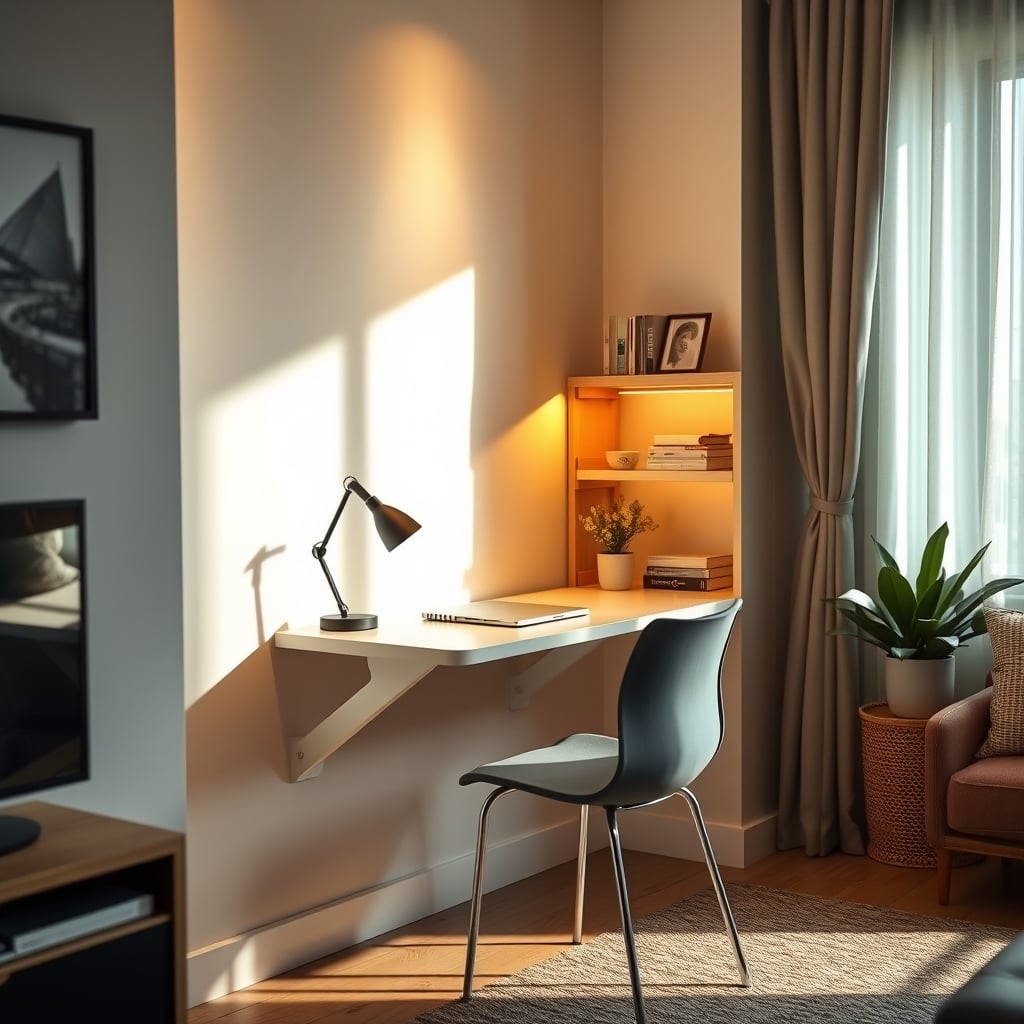
Real space-saving solutions exist, and they don't involve crippling your spine. Wall-mounted, pull-down desks that actually lock into a standard, ergonomic height exist. Compact, purpose-built corner desks exist. The motorized coffee table is the worst of all worlds: it’s too heavy to move easily, too complex for its own good, and too flimsy to be a reliable work surface. You're not optimizing your space; you're filling it with a single point of failure for both relaxation and work. Most people get this wrong because they're sold on the aesthetic, not the engineering.
The Real-World Stability Crisis Nobody Talks About
Let's talk about the wobble. It's the elephant in the room that every product review filmed on a wide-angle lens conveniently ignores.
A proper desk is a rock. It's inert. It doesn't move when you type aggressively, drag a mouse, or lean on it to think. A motorized coffee table, by virtue of its lifting mechanism and typically spindly legs, is a seismograph for your keystrokes. That slight, quarter-inch sway might seem negligible until you're trying to do precise mouse work in Photoshop or you notice your monitor gently oscillating with every keypress. This is a known issue for long-term use, leading to eye strain and a subtle but constant sense of distraction. You can’t achieve flow state on a surface that moves.
Furthermore, the weight capacity is a joke. While a decent standing desk can hold 200+ lbs of monitors, arms, and gear, most lift-top coffee tables cap out at 70-100 lbs. That’s barely enough for a single 32" monitor and a laptop. Add a desk lamp, a notebook, and a cup of coffee? You're flirting with the limit. This is the real issue: these are coffee tables with a motor, not desks. They are engineered for a vase and a remote control, not a $2000 workstation.
Motorized Coffee Table Height: The Compromise That Kills Workflow
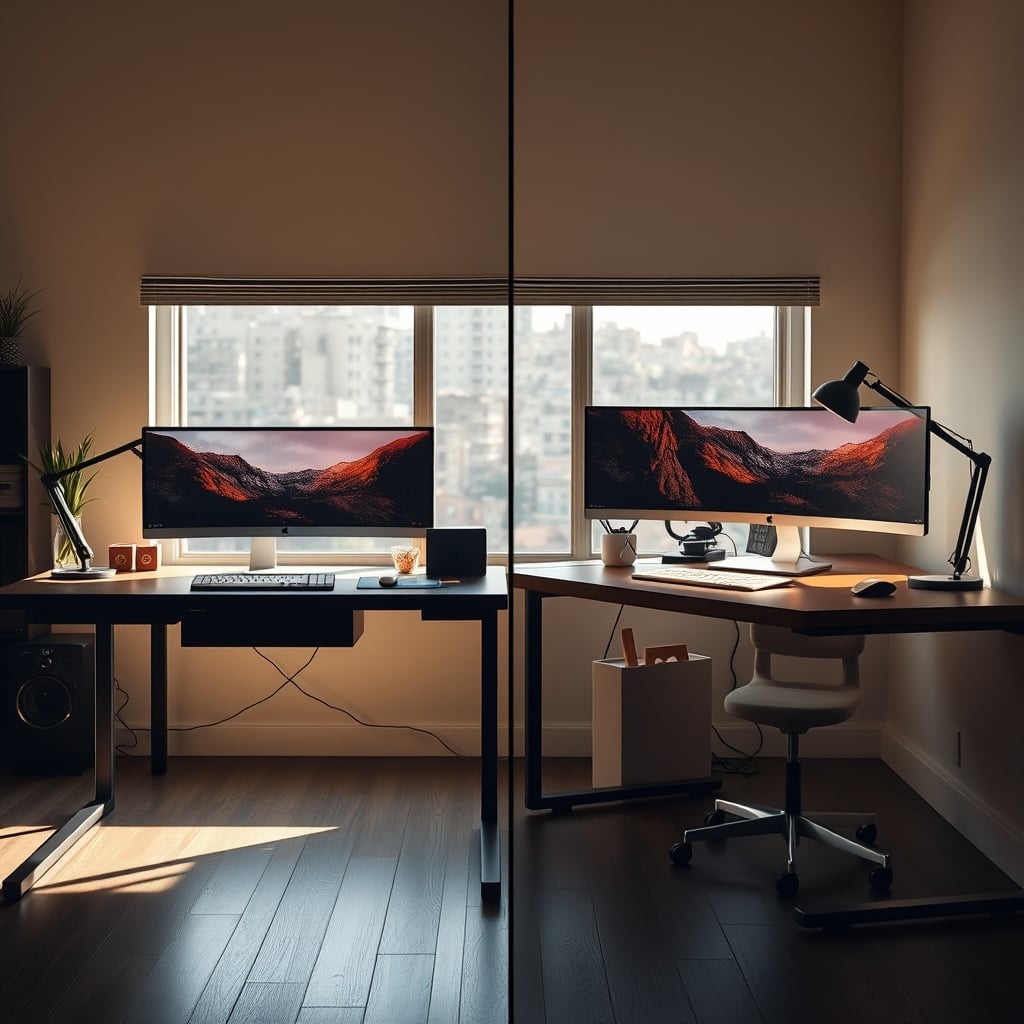
Workflow isn't just about software. It's about the physical dance of your tools. A good desk setup has zones: a main screen zone, a writing/notetaking zone, a peripheral zone for your phone or notebook. A motorized coffee table has one zone: chaos.
Every time you need to convert it from 'living' to 'working', you are performing a full reset. That means clearing off the decorative books, the coaster, the plant. It means re-plugging your laptop dock because you can't leave cables draped across your living room floor. It means repositioning your monitor because it got nudged. This added friction is the death of spontaneous, deep work. The cognitive load of 'setting up' becomes a barrier to entry. You'll find yourself checking your phone instead of firing up your laptop because the effort feels too great.
This directly sabotages the principles of a focused environment, something we've covered when discussing Focus Desk Mats Sabotage. Your workspace should enable you, not create five minutes of manual labor before you can begin. This doesn't work for anyone who actually needs to get work done.
What You Actually Need (And It's Not This)
Stop looking for a magical multi-tool. Embrace the power of the right tool for the job. If you need a desk, buy a desk. If you need a coffee table, buy a coffee table. The overlap between these two pieces of furniture should be zero.
For small spaces, here’s the real, non-BS advice that actually works: Get a compact, wall-mounted desk. When not in use, it folds up and disappears. It's designed from the ground up to be a stable, ergonomic work surface. Pair it with a simple, low-profile coffee table. The combined cost might be similar to a high-end motorized coffee table, but the functional outcome is leagues superior. You get a proper desk posture and a stable living room surface that doesn't have motor whirring sounds.
If you absolutely must have a single piece of furniture, look at dedicated sit-stand desks designed for small footprints. Brands make them as narrow as 40 inches. They lack the 'coffee table' pretense, which means all their engineering budget goes into stability, height range, and load capacity—you know, the things that actually matter for work. The motorized coffee table height experiment is a failed one. Users have voted with their aching backs.
The Final Verdict: Skip It
After assessing the real-world performance, the user feedback, and the fundamental engineering flaws, the call is easy.
Skip it. The motorized coffee table height concept is overrated.
It is a marketing-driven product designed to solve a problem that is better solved by two separate, purpose-built pieces of furniture. It fails at ergonomics, fails at stability, and fails at supporting a real workflow. In 2026, with all we know about remote work and musculoskeletal health, buying into this trend isn't just unwise; it's actively harmful. Invest in a real desk—even a small one—and reclaim both your living space and your spinal health. Your future self, free of chronic upper back pain, will thank you.
Frequently Asked Questions
Can a motorized coffee table replace a standing desk?
No, it cannot. The typical height range and surface stability of a motorized coffee table are insufficient for proper ergonomic alignment. You will compromise your posture and likely experience neck and back strain.
Are motorized coffee tables stable for typing and mouse work?
Generally, no. The lifting mechanism and leg design often introduce wobble, which is distracting and can cause eye strain when your monitor shakes. They are not engineered for the dynamic loads of active computer work.
What is a better alternative for a small space?
A wall-mounted fold-down desk or a compact, purpose-built sit-stand desk paired with a separate, simple coffee table. This gives you a stable, ergonomic work surface and a dedicated living space, without the compromises of a single, multi-purpose unit.
Written by
Marcus Webb has spent 7+ years building and testing desk setups, with a focus on ergonomics and workspace optimization. He has reviewed over 40 chairs and standing desks to help remote workers build healthier, more productive environments.
Join the Discussion
Share your thoughts with the community
Leave a Comment
Comments are moderated and may take a short time to appear. Links are not permitted.