Modular Desk Problems: The 2026 Reality Check
You were sold a dream of infinite customization. The reality is a fragile, expensive, and distracting mess. Here's why modular desk problems are the biggest lie in workspace design.

I spent a year and a small fortune chasing the perfect modular desk setup. Magnetic panels, interchangeable monitor arms, clip-on cable channels, swappable accessory mounts—the whole ecosystem. The promise was simple: build the exact desk your workflow needs, and change it anytime.
What I actually built was a wobbly, distracting, and perpetually incomplete puzzle that quietly ate my focus. The industry lies about modular desk problems. They sell you flexibility but deliver fragility. They promise personalization but deliver paralysis. After talking to dozens of users and living with these systems, the pattern is undeniable: the quest for ultimate customization is actively sabotaging your deep work.

The Core Modular Desk Problems Nobody Talks About
The first issue isn't wobble or cost—it's cognitive load. Every clip, rail, and mount becomes a decision point. "Should I move this here? Could this be better?" Users consistently report that the very presence of modularity invites constant, low-grade tinkering. Your brain never settles because the environment itself whispers that it's unfinished. This isn't a workstation; it's a perpetual prototype.
Then there's the structural integrity lie. Adding a heavy monitor arm to a rail-based system? Most systems marketed as 'heavy-duty' show visible sag within months under real loads. The connection points—those clever magnetic or quick-release latches—are the weak points. They're designed for easy detachment, not long-term, rock-solid stability. You're trading the foundational stability of a single, well-built desk for a collection of clever joints that will inevitably fail. This is the real issue most reviews ignore.
Finally, the ecosystem trap. You buy into Brand X's rail system. Now every accessory, every future upgrade, must come from Brand X. You're locked in. Their proprietary mounting plate for a monitor arm costs triple a standard VESA clamp. It's a walled garden of overpriced, mediocre accessories. This isn't customization; it's vendor capture disguised as choice.
Why The "Future-Proof" Modular Argument Is Complete Nonsense
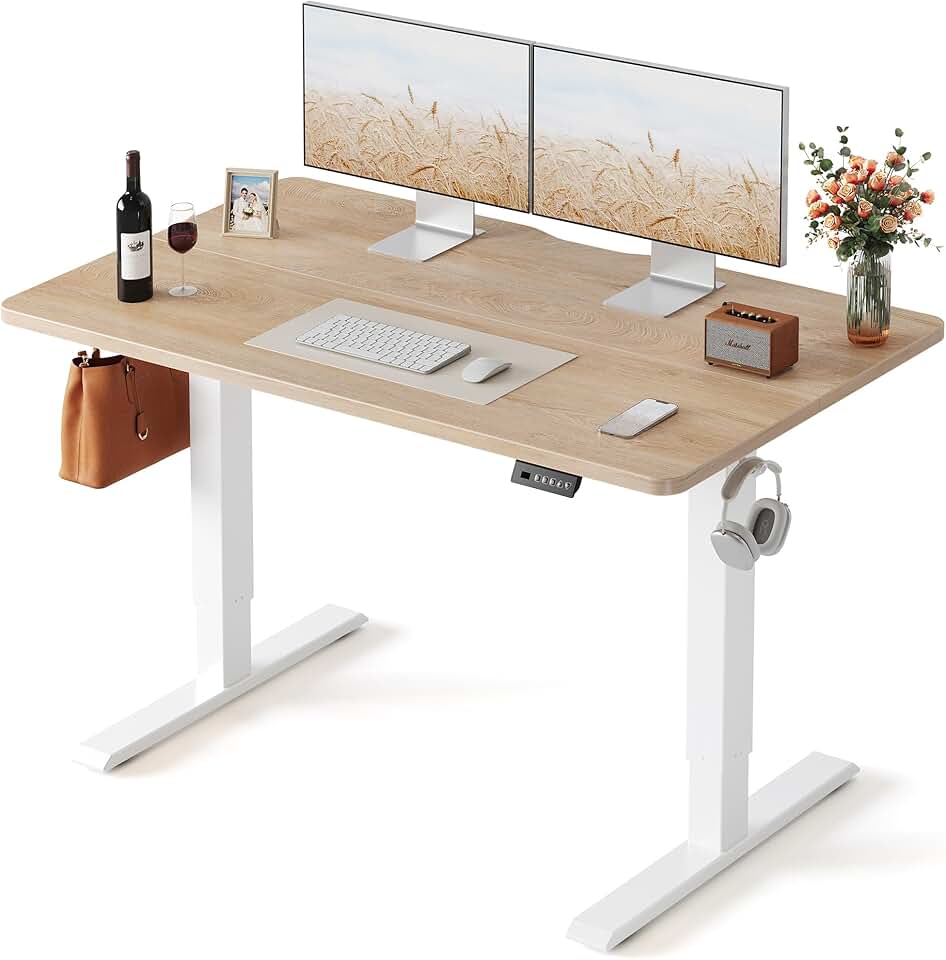
Users who want rock-solid stability and simple height adjustment without gimmicks.
- Solid electric height adjustment for sit/stand flexibility
- Wide-stance legs and crossbar for exceptional stability (minimal wobble)
- Large, flat surface perfect for direct mounting of monitors and peripherals
This is the myth that needs to die. The sales pitch is seductive: "Buy this system today, and it will adapt to any workflow in 5 years!" It's marketing fantasy, not engineering reality.
First, tech standards change faster than desk furniture. The USB-C port layout you designed your modular hub around in 2024 is already different in 2026. No modular desk system lets you upgrade its fundamental I/O architecture. You're future-proofing for a past version of your needs.
Second, your actual workflow changes are rarely about physical desk layout. They're about software, peripherals, and monitors. Swapping from a 27-inch to a 34-inch ultrawide doesn't require a new desk—it requires a robust monitor arm, which you can buy independently without a proprietary rail system. Going from a streaming setup to a deep writing cave isn't about moving desk panels; it's about removing gear, which a clean, simple desk surface does better. The modular solution is solving a problem that doesn't exist with complexity you don't need.
Widespread user feedback confirms this: people who invest heavily in modular systems make one big configuration change at the start, then leave it untouched for years, all while dealing with the daily downsides of the system's inherent instability and visual noise. The flexibility is an illusion. You're paying a massive premium—in cash, stability, and mental space—for a feature you'll almost never use.
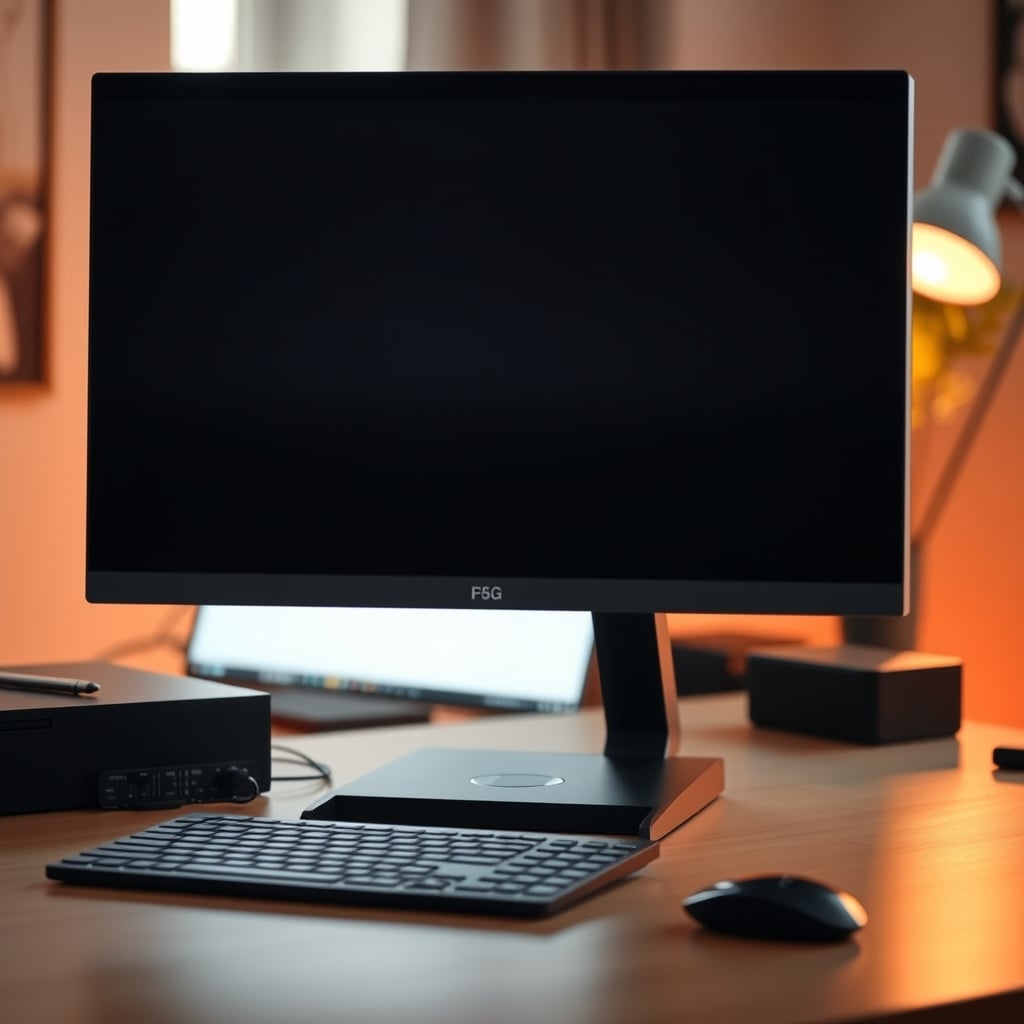
Stability vs. Customization: You Can't Have Both
Here's the brutal physics truth the brands don't want you to know: every connection point is a potential failure point. A solid wood or laminated desk is a single, massive, rigid structure. A modular desk is a collection of components held together by latches, screws into particle board, or magnetic contacts.
Under the dynamic load of typing, adjusting your position, or leaning on the desk, those connections flex. This translates directly into monitor shake. It's infuriating for any precision work and a known issue for long-term use. You might not notice it in a showroom, but after eight hours of work, that subtle wobble becomes a focus-killing distraction.
The industry lies about this. They show pristine setups in ads, never showing the reality of a slightly bumped monitor now out of alignment because it's on a rail instead of bolted solidly to the desk. For a proper deep dive on how peripheral stability affects your work, see our article on camera stabilization without a gimbal. The principle is the same: solid, direct mounting beats clever, adjustable systems every single time for actual performance.
The Cable Management Nightmare Modular Creates
This is overrated. Modular desks often come with "integrated" cable channels—trays you snap onto the underside. Sounds perfect, right? In reality, they're a disaster.
These channels are almost always too small for a modern setup's power brick, a USB hub, and the thick tangle of cables needed for monitors, peripherals, and laptop power. They force sharp bends in cables, which can damage internal wiring over time. Want to add one more cable? You often have to disassemble the entire channel. It's the opposite of accessible management.
Compare this to the simple, proven method: a large, standalone cable management tray that screws firmly to the desk's underside, giving you a huge, open cavity to route and coil cables properly. No disassembly required. The modular approach complicates a solved problem. For more on why over-engineering cable management backfires, our piece on cable management downsides spells it out.
Most people get this wrong. They think built-in is better. It's not. Built-in is constraining. A modular cable system locks you into a specific routing path that probably doesn't match your actual cable lengths or connector sizes. It's a solution in search of a problem, and it creates new ones.
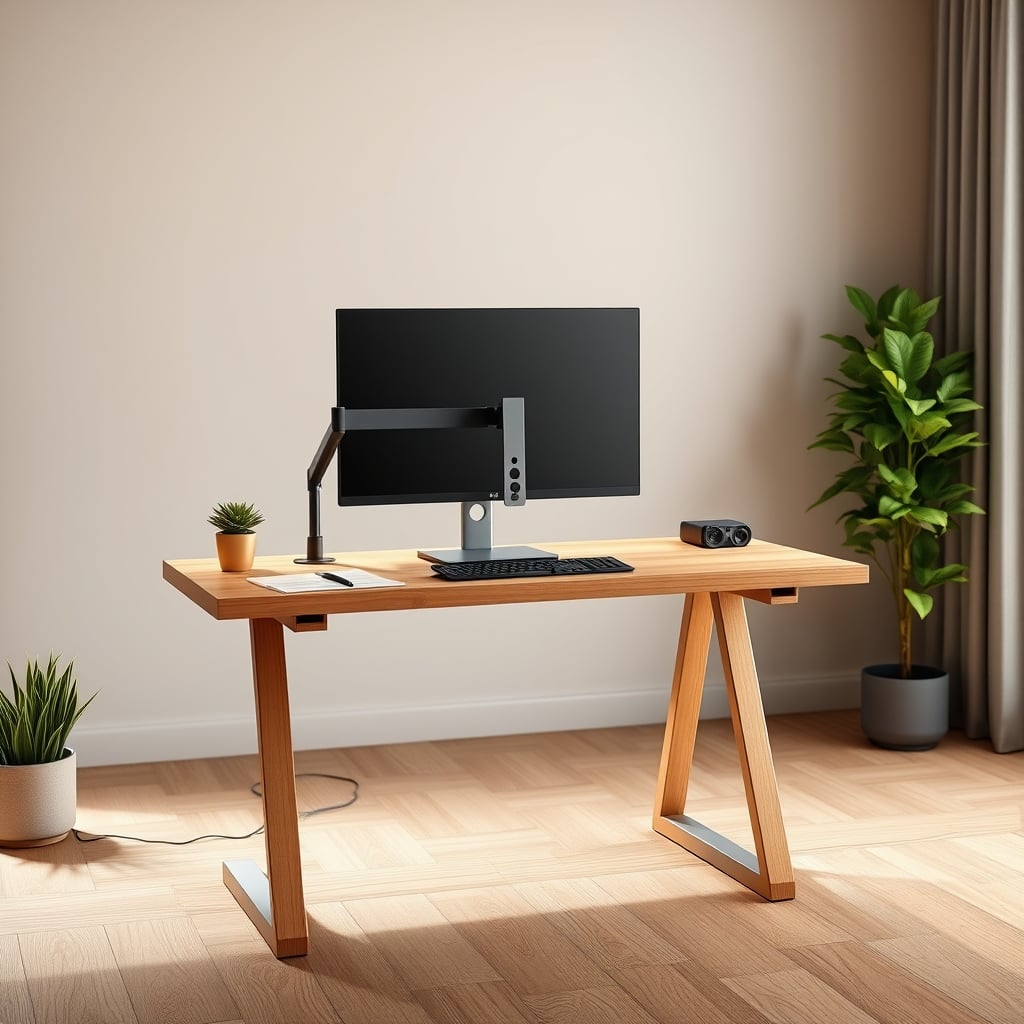
What Actually Works: The "Set It and Forget It" Desk
After testing the modular dream and witnessing its failures, the answer is embarrassingly simple. You need a desk with three, non-negotiable qualities: a massive, flat, uninterrupted surface; absolute structural rigidity; and the ability to mount things directly and permanently to it.
This means a solid-core desktop (not hollow-particleboard junk) and a high-quality, two-stage leg system with a cross-brace or a wide-footprint design that eliminates side-to-side wobble. Brands like FEZIBO and ErGear have nailed this with basic electric standing desks that prioritize a rock-solid work surface over gimmicky rails. The surface is your blank canvas. You then add dedicated, best-in-class components that attach directly to it: a heavy-duty monitor arm that clamps to the thick desktop edge, a microphone arm with its own solid base, a standalone power strip mounted with industrial-strength adhesive.
Each component is chosen for its singular job, not its ability to snap into a proprietary ecosystem. This approach gives you real stability, lets you choose the best tool for each job (not the only tool that fits the rail), and creates a visually calmer workspace. The desk itself disappears, which is the entire point. Your focus should be on your work, not on your desk's configuration options.
The One Modular Feature That's Actually Worth It (And One That's Not)
Let's be specific. Not all adjustability is bad. Height adjustability via electric motors is a genuine game-changer for health and focus. Being able to sit or stand is a true workflow adaptation that matters daily. This is the kind of "modularity"—vertical movement—that delivers real, daily value without sacrificing stability. A good standing desk is a single, solid unit that moves up and down as one piece.
What's not worth it? Horizontal modularity. Swappable side panels, attachable shelf units that clip on the side, magnetic accessory strips that line the front edge. These are distractions. They add edges, seams, and visual complexity. Every extra piece is another thing to clean around, another thing that can get knocked loose, another decision to make. They fragment your primary work surface. Your main desk area should be a vast, empty prairie, not a patchwork of attached plots. If you need a shelf, get a freestanding one placed next to your desk. Don't bolt it onto the side and introduce leverage points that amplify wobble.
This doesn't work. Fragmenting your primary workspace into modules destroys the cognitive benefit of a unified, clear surface. It's the antithesis of the focused environment you're trying to build.

The Real Cost: Your Money and Your Focus
Let's talk numbers. A premium modular desk ecosystem can easily run you $1,500-$2,000 once you've bought the base, the rails, the panels, and a few basic accessories. For that price, you get a system that is inherently less stable than a solid desk.
For under $600, you can get a superb, rock-solid electric standing desk with a solid wood top and pair it with a top-tier monitor arm and cable tray. You'll have $1,000 left in your pocket and a setup that doesn't distract you with its own existence. The modular tax is real, and you're paying it for features that degrade the core function of a desk: to be a stable, reliable platform.
The focus cost is higher. The visual noise of rails, clips, and seams subconsciously signals that your environment is temporary, adjustable, unfinished. This subtly undermines the mental state required for deep work, which thrives on ritual and a sense of permanent, dedicated space. Your desk should feel like a cockpit, not a Lego set. For the psychology behind this, our article on The Clutter Tax Desk Masterclass explains why visual simplicity isn't just aesthetic—it's cognitive hygiene.
The Final Verdict: Overrated
Skip it. The modular desk dream is a classic case of solutionism—inventing complex answers to simple problems. The core modular desk problems—instability, cognitive load, vendor lock-in, and inflated cost—fatally undermine the purported benefits.
Your desk isn't a tech gadget. It's furniture. Its primary job is to be boringly, reliably solid. The quest for infinite customization is a trap that leads away from focus, not toward it. Invest in a simple, massively sturdy, height-adjustable desk. Bolt your essential tools directly to it. Then stop thinking about your desk and start thinking about your work.
That's the real customization: the work you do on it, not the desk you do it on. The modular desk industry is selling you a toolkit to endlessly rearrange the scaffold. What you need is a foundation so solid you can forget it's even there.
Frequently Asked Questions
What is the biggest problem with modular desks?
The biggest problem is inherent instability. Every connection point (magnetic, clip, rail) is a flex point, leading to monitor wobble and a lack of solidity that distracts from focused work. They prioritize easy reconfiguration over the foundational requirement of a desk: being rock-solid.
Are modular desks worth the money?
No, they are overrated. You pay a significant premium for complexity and proprietary accessories that lock you into one brand's ecosystem, while getting a desk that is less stable than a simple, well-built standing desk. The cost is higher for worse core performance.
Can a modular desk support heavy monitors?
Not reliably for long-term use. While marketed as heavy-duty, the rail and mounting systems often show sag and increased wobble over time under real-world loads. A monitor arm clamped directly to a solid desk edge provides far superior and more durable support.
What's a better alternative to a modular desk?
A high-quality, non-modular electric standing desk with a solid wood or core top. Add a dedicated, best-in-class monitor arm that clamps directly to the desk, and use a large, standalone cable management tray. This gives you stability, simplicity, and the only customization that truly matters: sit/stand height adjustment.

Written by
Mia is an interior designer turned tech minimalist. She curates the most aesthetic, clutter-free desk setups on the internet, focusing on natural light and wood tones.
Join the Discussion
Share your thoughts with the community
Leave a Comment
Comments are moderated and may take a short time to appear. Links are not permitted.