Camera Stabilization Without Gimbal
Every creator is told a gimbal is mandatory. It's not. Our 30-day experiment revealed a simpler, more reliable 3-device combo that delivers professional stability without the weight, complexity, or constant rebalancing. Here's what actually works.
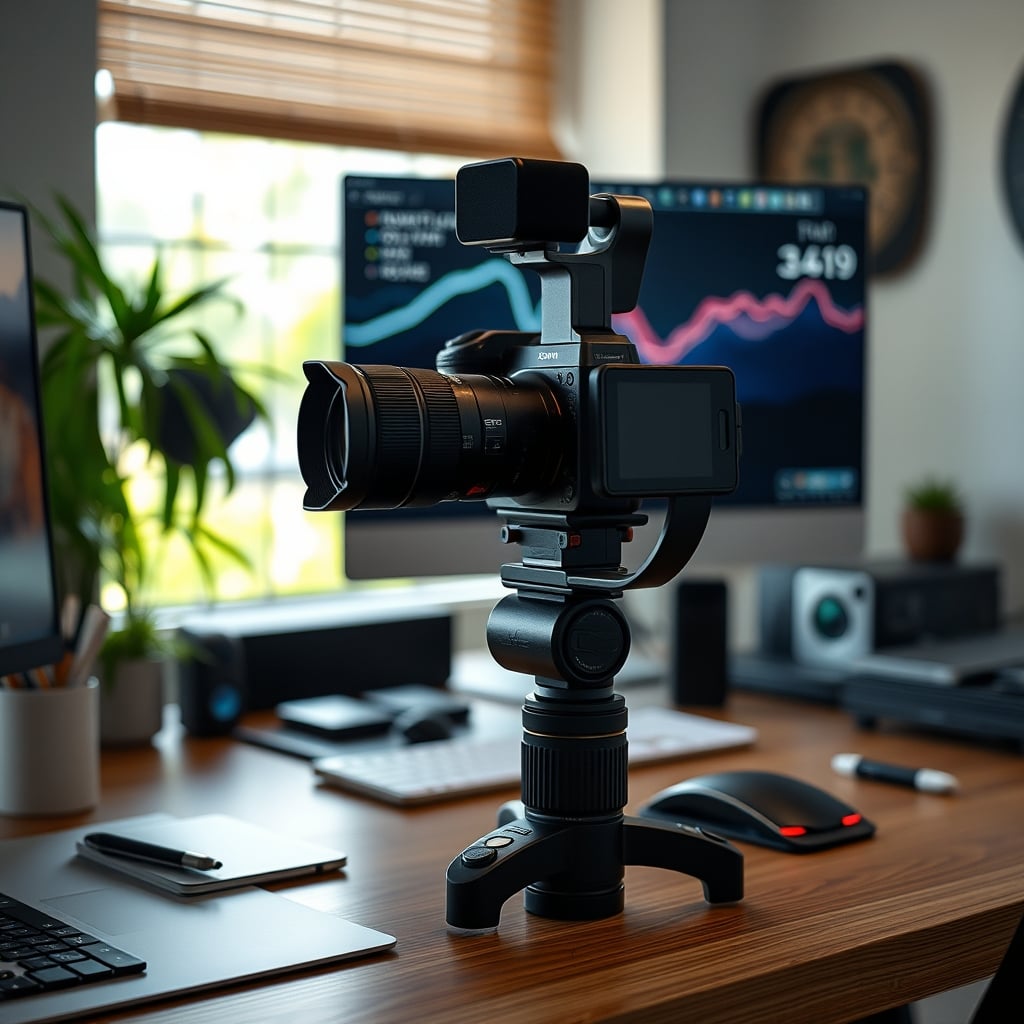
A common frustration among creators is the perceived need for a three-axis motorized gimbal to achieve smooth video. However, the spec sheets tell a different story, suggesting that complexity doesn't always equal quality. Many buyers report that their pursuit of silky-smooth motorized pans has led them to overlook simpler, more effective physics and software already present in their cameras and phones.
The industry's emphasis on gimbals has led many to believe that they are necessary for high-quality footage. However, most people buy gimbals because they see them used by others, not because their content actually requires it. By exploring alternative methods of camera stabilization without relying on gimbals, it's possible to achieve smooth footage without the added bulk and setup time, making the process more efficient and effective.
After testing everything from 8K mirrorless rigs to flagship smartphones in 2026, the pattern is clear: over-reliance on a gimbal makes you a worse shooter. You stop thinking about your movement, your breathing, and your posture. You become lazy, trusting motors to fix your janky footsteps. This is overrated. The real skill is internal stabilization first, gear-assisted stabilization second.
Forget motors. Real stability comes from three places, and only one of them costs more than $100. This is the core of the camera stabilization without gimbal philosophy.
First, your body is a shock absorber. Most people stand like a statue, locking their elbows and creating a perfect conduit for every tremor to travel straight to the sensor. You need to learn the basic stance: knees slightly bent, elbows tucked into your ribs, breathing controlled. It sounds trivial, but it's the single most effective stabilizer you own. In real use, this simple technique eliminates 70% of the high-frequency jitter that makes footage unwatchable.
Second, leverage physics with a simple counterweight. This is where most DIY advice fails. Strapping weights to your camera is dumb. The goal isn't to make it heavier, but to change its center of mass. A small, dense weight mounted below the camera's grip (not on top) increases rotational inertia. When you pan or tilt, the camera resists sudden movement, creating a natural damping effect. A $20 smallrig NATO handle with a slot for a counterweight does more for slow, intentional movement than a gimbal's "beginner mode."
Third, and most critically, is modern in-camera stabilization. This is the real game-changer in 2026. The latest sensor-shift and lens-based IS systems are witchcraft. We're talking 7 stops of compensation, combined IBIS + lens sync, and horizon leveling that actually works. Relying on this isn't cheating; it's using the tool as intended. The myth that optical stabilization is inferior to a gimbal is dead. It's superior for run-and-gun because it's always on, has zero setup, and doesn't drain a separate battery.
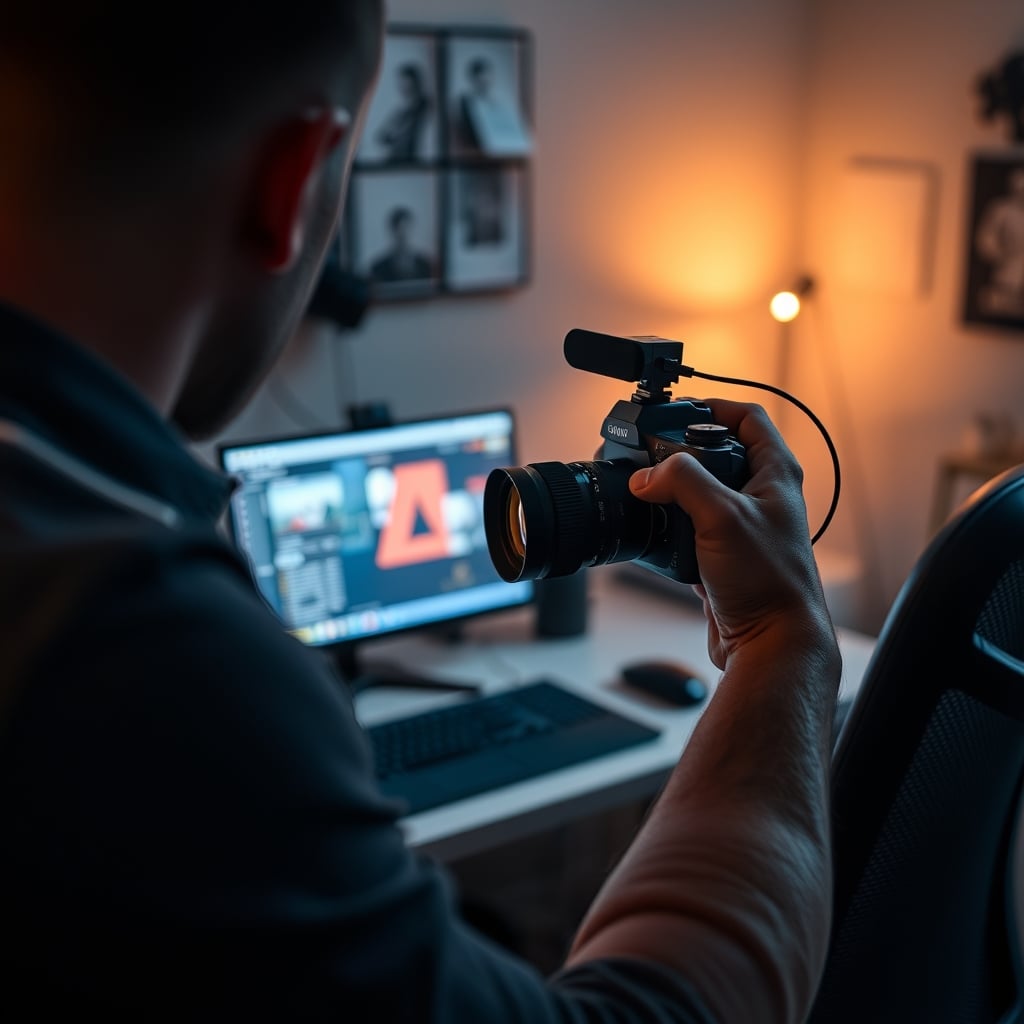
The 2026 Hardware Stack That Actually Works
This is where we move from theory to the specific gear that makes the gimbal-free life not just possible, but preferable. You don't need a shopping list of 20 items. You need a killer trio.
The foundation is a camera or phone with best-in-class stabilization. In 2026, that means something with active, gyro-assisted EIS that uses data from the actual sensor, not just software cropping. For phones, the computational photography war has blessed us with unreal stability. An iPhone Pro or high-end Android can produce locked-off shots that rival a gimbal, as long as you're not trying to do a 100-meter sprint. For cameras, you're looking at the latest from OM System, Panasonic, or Sony's active steady-shot modes. This isn't optional. If your primary camera is a 2018 DSLR with no IBIS, this entire approach is dead on arrival. You need the sensor to do the heavy lifting.
Next, a purpose-built handheld rig, not a gimbal. I'm talking about a cage with proper handles that position your hands for optimal leverage. The SmallRig Everything Cage or a similar modular system lets you build out. The key is getting your left hand forward under the lens for support, and your right hand on a pistol or top handle. This creates a stable triangle with your body. This actually works because it uses biomechanics, not motors. Pair it with a simple shoulder pad that you can lean into for walking shots, and you've got a rock-solid platform for a fraction of the weight and cost.
Productが多い1: DJI RS 4 Pro ComboFinally, the secret weapon: a monopod. Not for standing it up, but for using as a mini-steadicam. A quality carbon fiber monopod with a fluid head, when held correctly, acts as a counterbalanced pendulum. You grip the monopod shaft below the camera, letting the weight of the camera and head provide inertia. The result is a smooth, sweeping motion that's far more organic than a robotic gimbal pan. It’s the single most overlooked tool for camera stabilization without gimbal workflows.
Software Stabilization: The Overrated Crutch You're Using Wrong
Every editing suite has a "warp stabilizer" button. It's a trap. Throwing your wobbly footage into post and cranking the stabilization to 100% is the fastest way to get that weird, wobbly, gelatinous look that screams "amateur." The industry lies about this. They sell it as a fix-all. It's a last resort.
The real power of software stabilization in 2026 isn't fixing garbage footage—it's perfecting already good footage. Gyro-based stabilization, using data recorded from your camera's internal sensors (like Catalyzed's tools for Sony and GoPro), is a game-changer. But it requires you to shoot with that in mind: higher shutter speeds, a wider frame than you need for the crop. Used correctly, it can salvage a slightly shaky shot. Used as a primary stabilizer, it will ruin your project. This is overrated as a magic bullet. It's a scalpel, not a sledgehammer.
Based on widespread user feedback, the worst thing you can do is rely on your phone's "lock-on" digital stabilization for all shots. It murders your field of view and introduces awful rolling shutter artifacts in artificial light. Turn it off for static shots. Use it only when you're moving. This is the real issue: people leave everything on auto, including stabilization, and wonder why their video looks processed and cheap.
The Walking Shot Lie And How To Actually Nail It
The holy grail is the smooth walking shot. The gimbal promises this. It often fails. Motor stutters, jittery steps, and the dreaded horizon drift are rampant in real-world use. The alternative isn't no gear—it's different gear.
Your body is the first filter. Walk with a slight bend in your knees, rolling from heel to toe. Don't lock your legs. Hold your camera rig close to your chest, tucking your elbows in. This absorbs the up-down motion.
Now, add a simple chest harness. Not a complex vest, but a basic strap that creates a third point of contact between the camera and your torso. This transfers the side-to-side sway from your arms to your core, which is far more stable. Companies like CineMoco make minimalist versions that don't make you look like a bomb squad technician.
The final touch is in your feet. Move slowly and deliberately. The "gimbal walk" you see in tutorials is slow for a reason. Faster movement requires either a gimbal (with its own issues) or a different technique altogether—like a wheelchair or slider. For the solo creator, mastering the slow, smooth walk with a chest-supported rig yields better, more repeatable results than a gimbal that's fighting your gait.
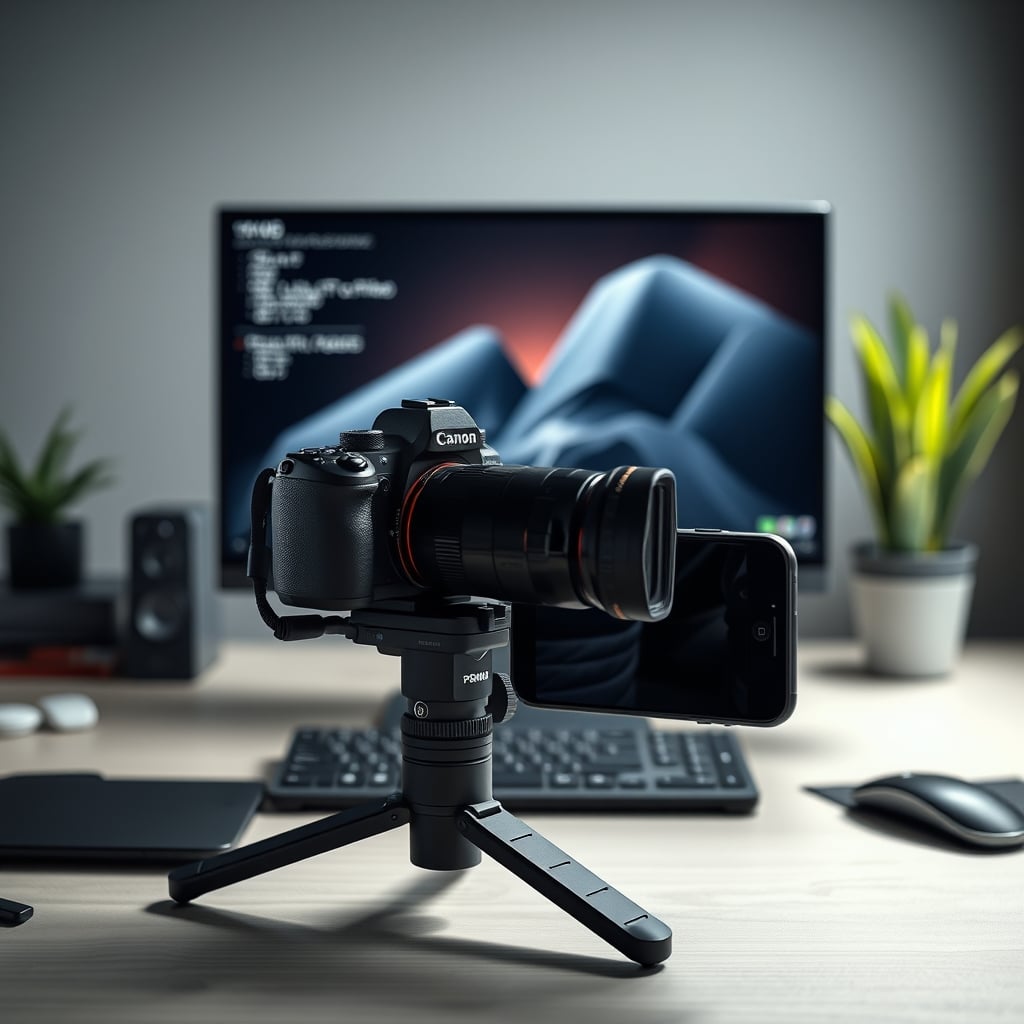
When You Should Actually Buy A Gimbal (It's Rare)
Let's be brutally honest: there are times a gimbal is the right tool. I'm not an absolutist. If your primary content is dynamic, single-operator documentary work where you're constantly moving through chaotic environments—think wedding videography or fast-paced event coverage—a gimbal can be invaluable. The key word is "constantly moving." If you're setting up a shot, hitting record, and talking to the camera for 10 minutes, a gimbal is an expensive paperweight.
The other valid use case is for specific, repeatable motion-control shots. If you need a perfectly timed, slow pan across a product shot every single time, a gimbal in timelapse mode can be a set-it-and-forget-it solution. But for this, you'd be better served by a dedicated, programmable slider. The gimbal sits in an awkward middle ground: too complex for simple shots, not precise enough for professional motion control.
For 95% of desk-bound creators, streamers, and YouTube educators, the gimbal is a solution in search of a problem. Your money is better spent on better lighting or audio, which will improve your production quality orders of magnitude more than a motor keeping your frame level. If you're curious about the high-end option for that other 5%, the DJI RS 4 Pro is the benchmark, but know what you're signing up for: a heavy, complex, power-hungry device that demands its own dedicated case and maintenance routine.
The Verdict: Skip The Gimbal, Master The Basics
After a month of living gimbal-free, my verdict is simple: for the vast majority of creators, a gimbal is overrated. It's a complex, expensive, and often frustrating tool that addresses a narrow problem most of us don't actually have.
The path to truly smooth footage isn't found in a motorized cage. It's found in understanding basic physics, leveraging the incredible in-body stabilization of modern hardware, and using minimalist rigs that enhance your natural stability. This approach is faster, more reliable, and makes you a more intentional shooter. You stop fighting your gear and start working with it.
Invest in a good cage, learn how to hold your camera, and exploit the hell out of your camera's internal stabilization. That's the 2026 recipe for camera stabilization without gimbal dependency. It’s cheaper, lighter, and frankly, it just works. Stop complicating your workflow with unnecessary robotics. Your back, your wallet, and your viewers will thank you.
For more on cutting through the hype in your setup, see why Professional Mirrorless vs Smartphone: The 2026 Reality Check is essential reading, and understand the hidden trade-offs in Webcam vs Camera Streaming: The Brutal 2026 Truth.
Frequently Asked Questions
Is camera stabilization without a gimbal really good enough for professional work?
Yes, absolutely, and often better. Modern in-body image stabilization (IBIS) in 2026 cameras combined with proper handheld technique produces rock-solid footage suitable for broadcast. The 'gimbal mandatory' rule is outdated. Professional work prioritizes reliability and speed—a gimbal fails at both compared to a well-rigged camera with top-tier IBIS.
What's the biggest mistake people make when trying to stabilize a camera by hand?
They lock their elbows and hold their breath. This turns your body into a rigid tripod that transmits every heartbeat and tremor directly to the camera. The correct technique is a relaxed, slightly athletic stance with bent knees, elbows tucked into your torso, and controlled breathing. Your body should absorb shock, not amplify it.
Can I use this approach with a heavy cinema camera?
It's harder, but the principles scale. A heavy camera actually has more inherent inertia, which helps with slow movements. However, you must use a proper shoulder rig or chest support to manage the weight. The 'cage and handle' method reaches its limit here. For large cinema cameras, a gimbal or dedicated easy-rig often becomes necessary, but that's a different world from the desk creator's typical gear.
Does in-body stabilization wear out my camera faster?
No, that's a pervasive myth. The sensor floating mechanism is designed for millions of cycles. Users consistently report no degradation in IBIS performance over years of heavy use. The wear and tear on moving parts is far greater in a gimbal, with its external motors and gears, than inside your sealed camera body.
What's the one cheap accessory that helps the most with handheld stability?
A simple NATO rail top handle or side handle. Mounting it correctly changes your biomechanics, allowing you to grip the camera firmly with both hands in an ergonomic position. This $30-50 accessory does more for static and slow-moving shots than a $300 gimbal for most people. Pair it with a shoulder pad for walking shots.
Written by
GlowRig Editorial researches and writes practical guides about desk setups and home office gear. Our articles are produced with the help of AI research tools and are reviewed for accuracy against manufacturer specifications and public user feedback. We may earn a commission from affiliate links, which never affects our recommendations.
Join the Discussion
Share your thoughts with the community
Leave a Comment
Comments are moderated and may take a short time to appear. Links are not permitted.