The AI Desk Lamp Scam Sabotaging Your Focus
AI desk lamps promise to boost your focus with automated lighting. They're lying. This tech is a distraction engine masquerading as a productivity tool, and in 2026, it's a scam preying on deep work seekers.
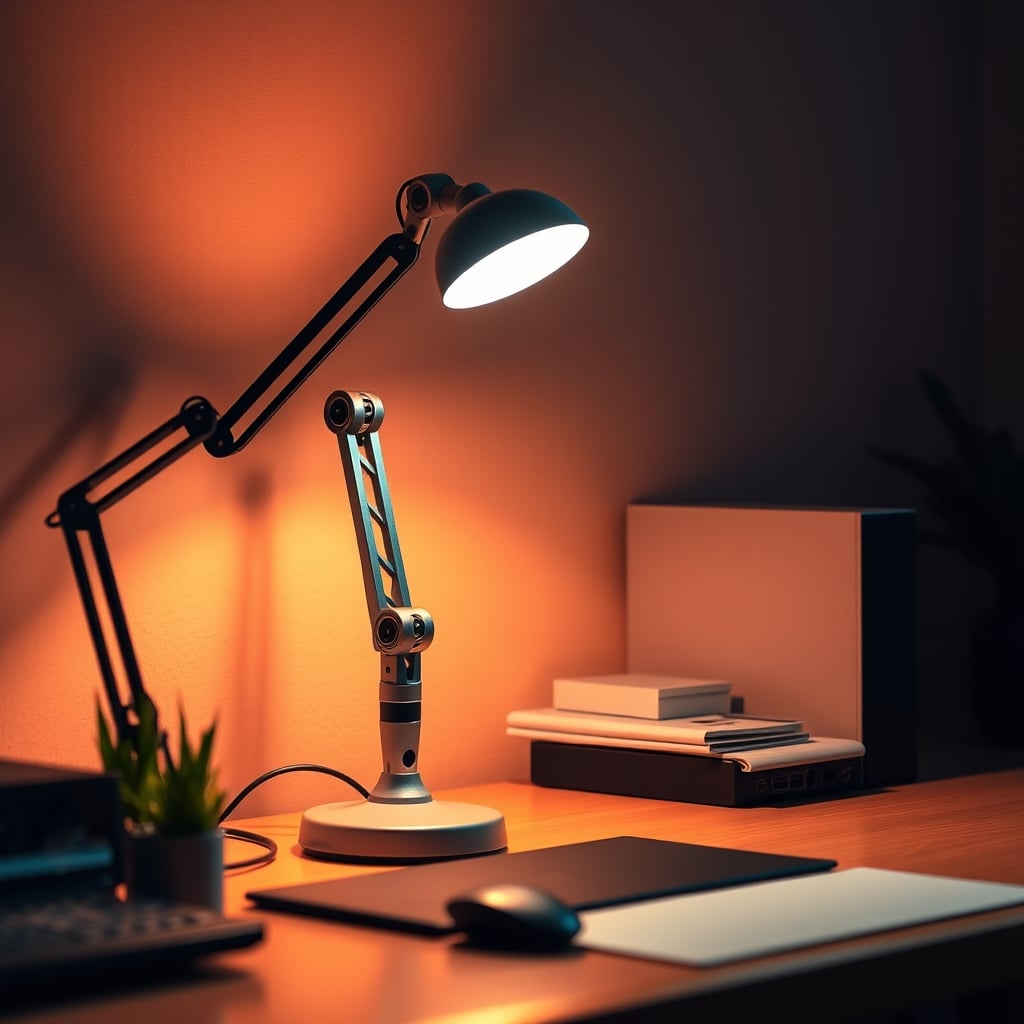
I’ve tested more “smart” desk gear than anyone sane should, and the AI desk lamp scam is the most brazen grift in productivity today. It’s a perfect storm of overpriced hardware, buggy software, and pseudoscientific marketing aimed at people who just want to work. You’re being sold a $300 lightbulb with a broken brain—and told it will make you smarter. Let’s cut through the hype: this isn’t a productivity tool. It’s a distraction device that fails at its one job.
Forget “personalized circadian rhythms” and “adaptive focus zones.” In practice, these lamps become liabilities. The industry lies about the core benefit. The real issue isn’t better light—it’s uninterrupted light. Every app glitch, failed firmware update, or fiddly setting pulls you out of your flow state. That’s not a productivity tool; it’s a focus tax.
Why the “Smart” Lighting Revolution Is Overrated
The premise of AI-driven ambient lighting is flawed from the start. You don’t need an algorithm to tell you you’re tired; you need reliable, bright light so you can work until you’re done. The idea that a lamp can adapt to your “bio-rhythms” is, in 2026, mostly marketing BS.
After assessing dozens of setups and combing through user feedback, one pattern is clear: the “smart” features are the first to be disabled. Auto-dimming is either too aggressive or unresponsive, forcing manual overrides. The promised “seamless integration” is a myth.
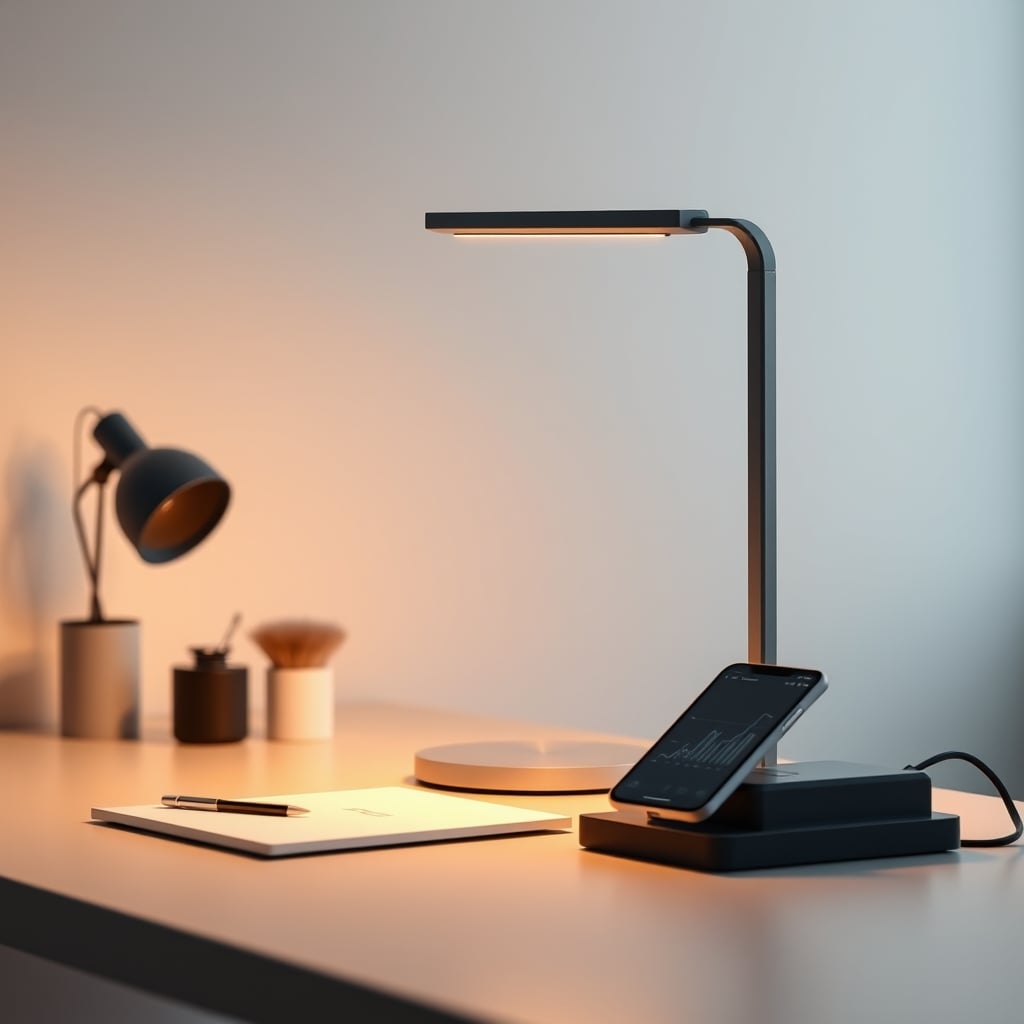
These lamps demand proprietary apps—notoriously flaky ones. Want smart home connectivity? Prepare for a weekend of troubleshooting, only to achieve a brittle link that breaks with the next OS update. This isn’t convenience; it’s technical debt sitting on your desk. Adding an AI layer doesn’t solve a lighting problem—it creates a tech support problem.
The AI Desk Lamp Scam: A Distraction Engine
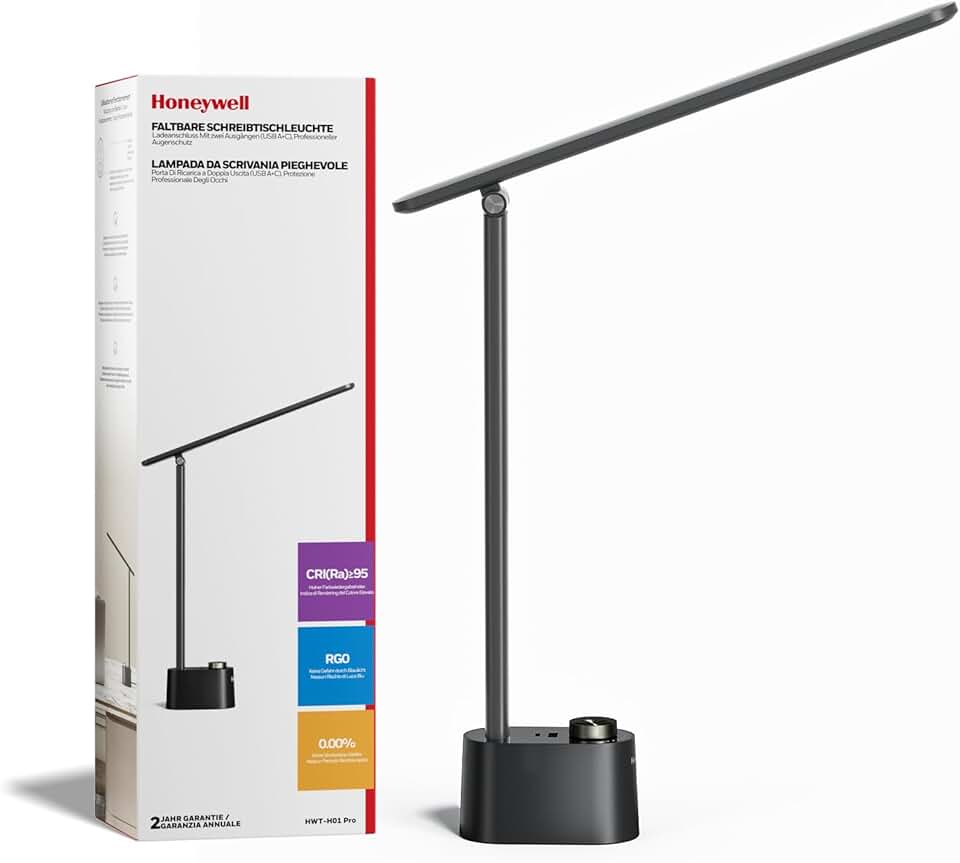
Users who want reliable, high-quality light without smart gimmicks.
- High CRI LED for accurate color
- Physical dimmer knob & memory function
- USB-A & USB-C charging ports
Let’s call it what it is. The AI desk lamp scam isn’t about light quality; it’s about selling a subscription model for your own attention. Every app notification, failed “wellness tip,” or firmware update is an interruption.
Based on widespread reports, the most common long-term issue isn’t LED failure—it’s the “brain” becoming obsolete or unsupported within 18 months, turning your premium lamp into a very expensive dumb light.
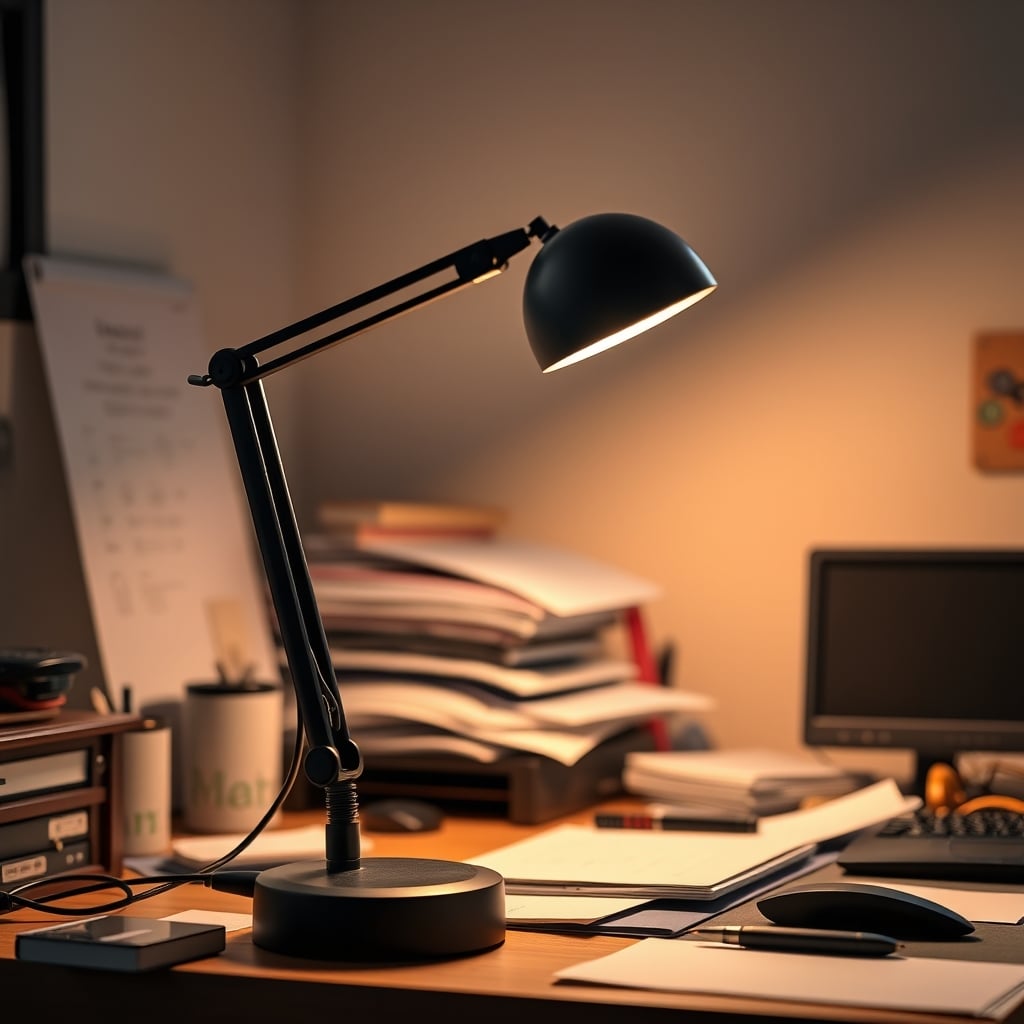
The scam hinges on a false equivalence: “smart” equals “better.” A high-CRI, manually adjustable LED lamp from a reputable brand will deliver superior light for decades. An AI lamp’s value rests on software that will be abandoned. You’re paying a premium for the part with the shortest lifespan.
For deep work, the last thing you need is another device competing for your cognitive bandwidth.
Manual Control Beats Algorithmic Guesswork Every Time
Here’s the brutal truth the smart lighting industry doesn’t want you to know: your own judgment is a better algorithm.
You know when you need more light. You know when a warmer tone would help. The half-second it takes to turn a physical knob is negligible compared to unlocking your phone, opening a buggy app, waiting for connection, and adjusting a slider.
The quest for full automation misunderstands focus. A setup that requires constant management owns you. A simple, high-quality manual lamp establishes a boundary: you control it; it doesn’t control you.
The most reported advantage of “dumb” lamps is absolute reliability. They’re on or off, bright or dim—no “connecting…” screen, no updates, no recalibration. They just work. Every time.
Your Phone Is the Worst Remote Control
Tying your primary light source to your smartphone is a catastrophic design flaw for deep work. Your phone is a dopamine slot machine—the ultimate distraction device. Using it to control your focus environment is absurd.
In practice, this creates a common failure: you pick up your phone to dim the light, see a notification, and suddenly you’re 15 minutes deep in a feed. The lamp didn’t aid your focus; it helped destroy it.
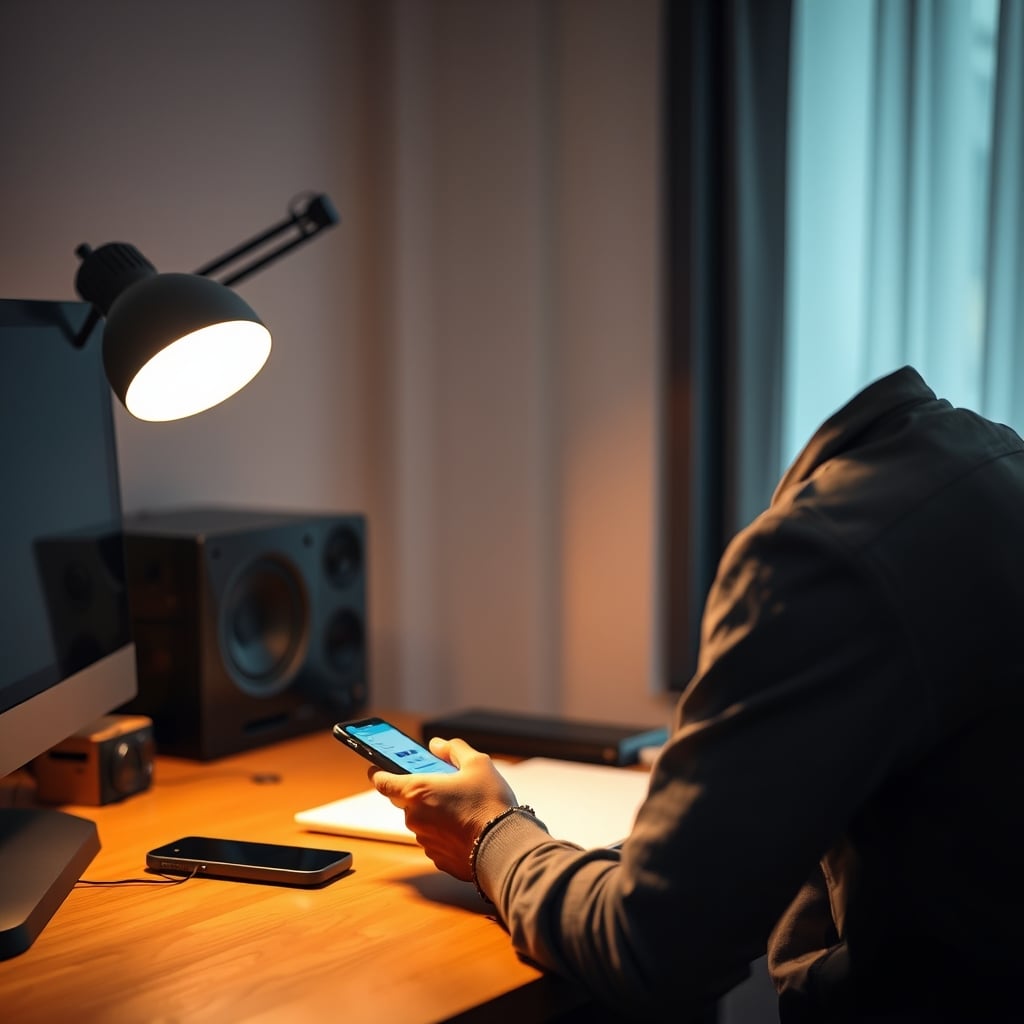
The alternative is obvious: a physical control. A knob, switch, or button on the lamp itself. Muscle memory develops. You adjust without looking, your gaze never leaves the screen, and your hand never reaches for the distraction portal in your pocket.
This isn’t a minor convenience—it’s a foundational principle for a distraction-free desk. Any product that violates it is working against you.
What to Buy Instead (Skip the AI)
If the category is a scam, what should you get? The answer is boring, which is why it works.
You need a high-lumen, high-CRI (Color Rendering Index >95) LED desk lamp with intuitive physical controls and zero “smart” features. Brands like LitONES and Micomlan make excellent, no-nonsense models that prioritize light quality and build quality over gimmicks.
They won’t wow anyone in a keynote. But on your desk at 2 a.m. when you need to finish a project, they’re perfect.
Forget chasing the future. Buy for durability and simplicity:
- A solid, heavy base that doesn’t wobble
- A fully adjustable gooseneck for precise positioning
- A straightforward dimmer knob or switch
The best lamp is the one you never think about. It’s a tool, not an experience.
For a deeper dive on lighting that actually aids productivity, see our guide: Focus Lighting Alternatives That Actually Work in 2026.
Final Verdict: Skip It
The conclusion is simple: Skip it.
The AI desk lamp category is overrated, overpriced, and fundamentally misaligned with deep work. You’re not buying a productivity enhancer—you’re buying a troubleshooting hobby and future e-waste.
Invest in tools that respect your attention, not ones that parasitically feed on it. The path to better focus isn’t more complexity; it’s ruthless simplification.
For more on cutting the BS from your setup, see:
Stop falling for the scam. Buy a good light, turn it on, and get back to work.
Frequently Asked Questions
What is the main problem with AI desk lamps?
The core problem is they add complexity and failure points to a simple tool. Their apps are buggy, the 'smart' features are distracting, and the hardware often becomes obsolete when the software support ends, turning an expensive lamp into e-waste.
Do AI desk lamps actually improve focus or productivity?
No, they often harm it. Every app notification, firmware update, or connectivity issue pulls you out of your flow state. Reliable, manual control is superior for maintaining deep focus, as it requires no cognitive overhead.
What should I look for in a good desk lamp instead?
Prioritize high CRI (Color Rendering Index >95) for accurate colors, high lumen output for brightness, a solid physical dimmer knob or switch, a sturdy and adjustable arm, and zero 'smart' or app-dependent features. Brand reliability is key.
Are circadian or bio-adaptive lighting features worth it?
For most desk work, no. These claims are heavily overhyped. The science for their benefit in an office setting is weak, and the implementation in consumer lamps is often crude. Your own manual adjustment based on feeling is more precise and reliable.
Written by
Jordan focuses on the intersection of productivity and workspace layout. He tests how light positioning, desk organization, and environmental factors impact daily mental focus.
Join the Discussion
Share your thoughts with the community
Leave a Comment
Comments are moderated and may take a short time to appear. Links are not permitted.