Circadian Lighting Claims Are Mostly Marketing BS
The tech industry sold you a sleep science fantasy wrapped in LEDs. Let's strip away the circadian lighting claims and talk about what actually improves your focus and mood at your desk.
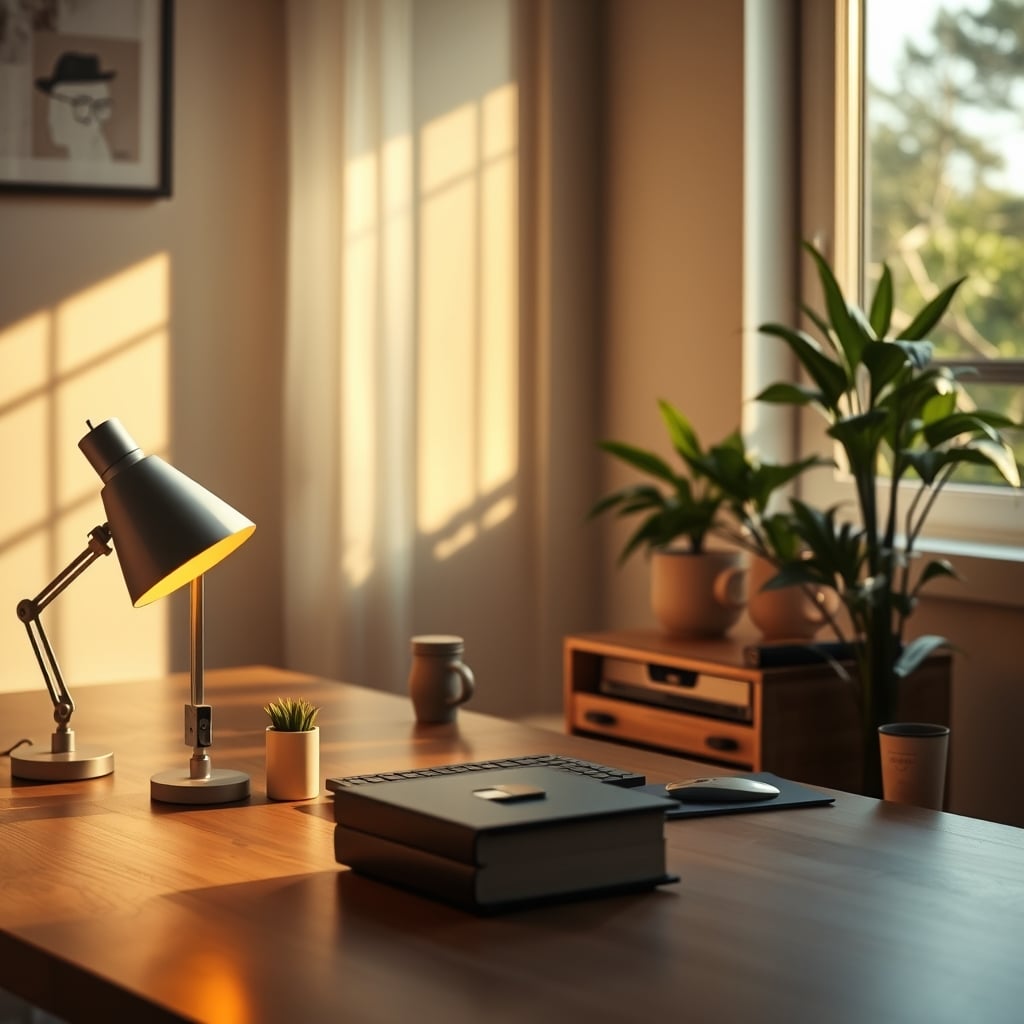
I spent a month living by a $200 circadian rhythm lamp’s schedule. It bathed my desk in cool, blueish light at 10 AM, shifted to a neutral white by 3 PM, and washed everything in a warm, candle-like glow by 8 PM. I followed the program like a zealot, waiting for the promised boost in daytime focus and the gentle nudge toward evening relaxation. You know what happened? Nothing. Absolutely nothing changed, except I became acutely aware of a $200 piece of plastic telling me what color my light should be. The entire category of circadian lighting claims is propped up by a misunderstanding of science and a triumph of wellness marketing over practical reality. Most people get this wrong because the industry lies about this. This is overrated.
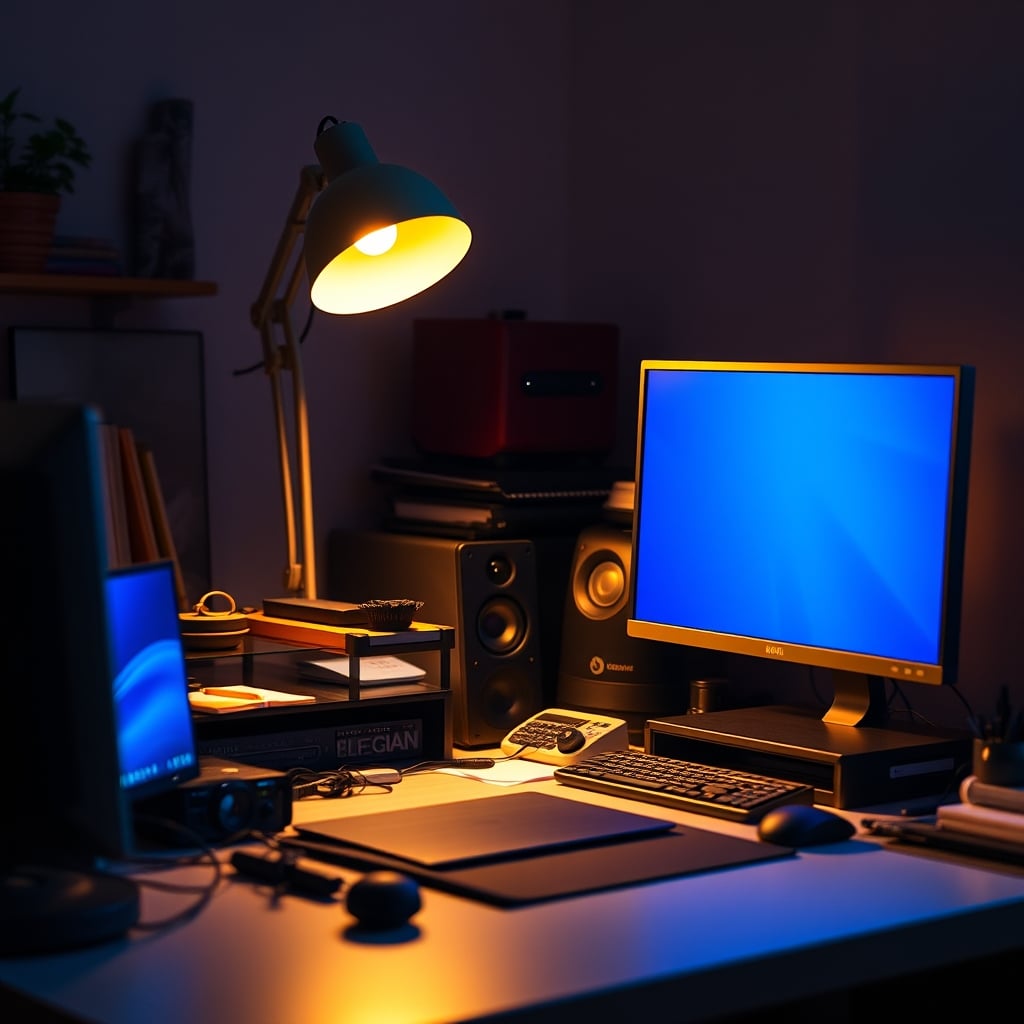
We need to talk about vibes, not vibrancy. Lighting’s real power isn't in mimicking the solar cycle with clinical precision; it’s in crafting an atmosphere that either pulls you into deep work or pushes you toward rest. A cool, high-color-rendering light is fantastic for spotting detail in a spreadsheet or on a miniatures paint job. A warm, diffuse glow is perfect for low-stakes reading or winding down. The moment you start believing an algorithm knows the perfect Kelvin for your 2:47 PM slump is the moment you’ve outsourced your own sense of wellbeing to a gadget. This is the real issue.
Why Your Body Doesn't Care About Your Desk Lamp's Schedule
Here’s the brutal truth they don’t put on the box: the primary driver of your circadian rhythm is light hitting your eyes from above—ambient, overhead light, like the sky. It's about lux intensity and field of view. Your puny desk lamp, no matter how smart, casts a focused pool of light downward. Your peripheral vision and your retina's non-image-forming cells, which are crucial for circadian response, largely ignore it unless you're staring directly into the diode array, which you shouldn't be.
Based on widespread user feedback, the supposed ‘evening wind-down’ from a warm desk lamp is almost entirely placebo if you’re still scrolling a blazing smartphone or watching a bright monitor. The dominant light source in your field of view wins. A warm desk lamp while your monitor is blasting 500 nits of cool white is like listening to whale sounds while someone runs a chainsaw in the room. The chainsaw wins. This doesn't work.
The Circadian Lighting Claims Myth That Needs to Die
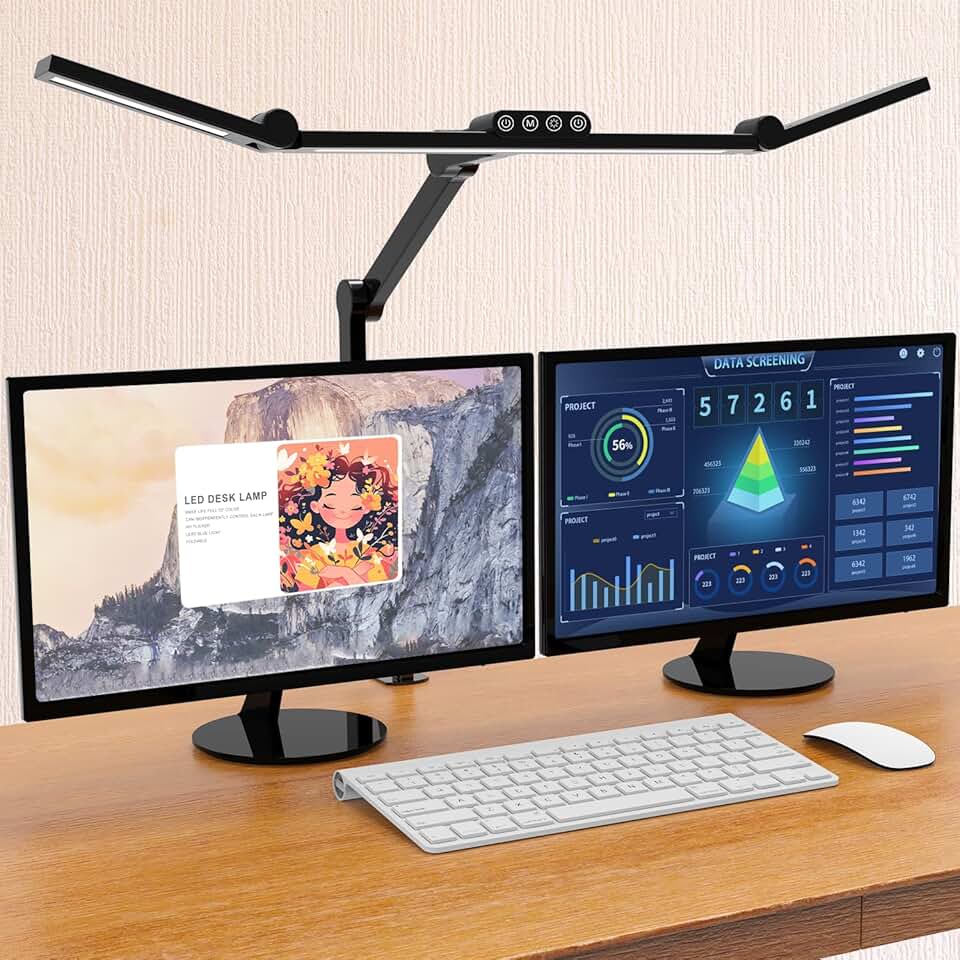
Premium Pick
- High performance
- Premium build
Let's slaughter the sacred cow. The biggest myth is that a $150 “circadian” desk lamp provides a meaningful biological advantage over a $50 high-CRI, dimmable lamp you manually control. It’s a comfort feature disguised as a health feature. The marketing implies a direct line from their pre-programmed light curve to your hypothalamus, improving sleep and boosting alertness. In reality, the effect is so marginal in a typical, screen-dominated home office that it’s drowned out by your other habits.
Users consistently report that after the initial novelty, they either disable the auto-scheduling because it never aligns with their actual workflow, or they simply stop noticing it altogether. The lamp becomes just another light, and the premium you paid becomes a monument to a purchase you justified with bad science. The industry leans on cherry-picked studies about bright light therapy for Seasonal Affective Disorder (SAD) and applies it wholesale to a desk accessory. It’s a bait-and-switch. This is not worth it.
What Actually Matters: CRI, Diffusion, and Physical Control
Forget the circadian algorithm. If you want lighting that genuinely improves your desk experience, chase these three things:
1. High CRI (Color Rendering Index): This is non-negotiable for anyone who works with color—designers, editors, makers. A CRI95+ lamp makes colors look true and distinct, reducing eye strain from trying to discern subtle differences. Many “circadian” lamps quietly use lower-CRI LEDs to hit their color temperature ranges. You're trading accuracy for a gimmick.
2. Superior Diffusion: Harsh, direct LEDs are the enemy. Look for lamps with frosted lenses, layered diffusers, or reflective bowls that turn a point source into a soft, even glow. This eliminates sharp shadows and glaring hotspots on your keyboard or notebook, which is a far greater daily irritant than your light being 500K off its “ideal” temperature.
3. Tactile, Instant Control: A physical dial or button you can slap without looking is worth more than any app. When you’re in flow, you don’t want to unlock your phone, open an app, and slide a virtual dimmer. You want to reach over and twist a knob. This is a known issue for long-term use with app-dependent smart gadgets—they create friction where there should be none.

The Smart Light Trap and Your Desk
This leads to the broader smart lighting trap we’ve warned about before. Automating your entire environment sounds futuristic, but it often adds layers of complexity for negligible gain. At your desk, you are the master of your immediate domain. Your lighting should respond to you, not the other way around. I’ve seen setups where someone can’t quickly change their desk light because the smart home hub is glitching, or the Wi-Fi is down. That’s absurd. Your desk is the last place for cloud-dependent nonsense.
As we’ve argued in our piece on Smart Lighting Health Issues, the pursuit of perfect automation can often sabotage the simple, reliable tools that actually get the job done. A desk lamp is a tool, not a therapy device.
The Verdict: Atmosphere Over Algorithm
So, after assessing a pile of these lamps and watching the community’s experience, here’s my blunt take. Skip the lamps sold primarily on “circadian rhythm” or “wellness scheduling.” You are paying a 100% premium for a feature that provides, at best, a gentle psychological nudge, not a biological intervention.
Instead, invest in a lamp with excellent build quality, fantastic diffusion, high CRI (95+), and a satisfying, physical dimmer knob. Set it to a cool, bright light when you need to focus. Manually turn it down to a warm glow when you’re done for the day and reading a book. That simple, intentional act—you changing the light to suit your moment—is more powerful for your focus and relaxation than any preset schedule will ever be. For more essential advice on getting it right, see our guide to Choosing a Healthy Desk Lamp.
The final verdict? Overrated. The circadian lighting claims are a marketing masterpiece but a practical flop. Redirect that money and mental energy toward a lamp that simply makes your desk look and feel better, under your command. That’s what actually works.
Frequently Asked Questions
Does circadian rhythm desk lighting actually work?
Not in any meaningful way for most desk setups. The primary circadian driver is bright, overhead ambient light. A desk lamp's focused beam has a negligible impact compared to your room lighting and screen usage. The benefits are massively overstated by marketing.
What should I look for in a good desk lamp instead?
Prioritize high CRI (95+) for accurate colors, excellent diffusion to avoid harsh shadows, and physical, tactile controls (like a dial) over app-based smart features. These factors tangibly improve visual comfort and control.
Are smart features on a desk lamp worth it?
Can warm light from a lamp help me sleep better?
Only if it's your primary light source in a otherwise dark room. If you're still looking at a bright phone or computer screen, the warm desk lamp does almost nothing. Reducing overall screen brightness and using night shift modes is far more effective.

Written by
From bias lighting behind your monitor to smart RGB ecosystems, Leon knows exactly how to light a room for productivity during the day and gaming at night.
Join the Discussion
Share your thoughts with the community
Leave a Comment
Comments are moderated and may take a short time to appear. Links are not permitted.