Smart Lighting Health Issues: The 2026 Brutal Truth
We bought into the promise of smart lights as wellness tools. The reality in 2026? They're often engineered mood-killers that sabotage our biology. This is the honest, unvarnished truth about how your automated lighting is likely making you less focused, less rested, and more anxious.
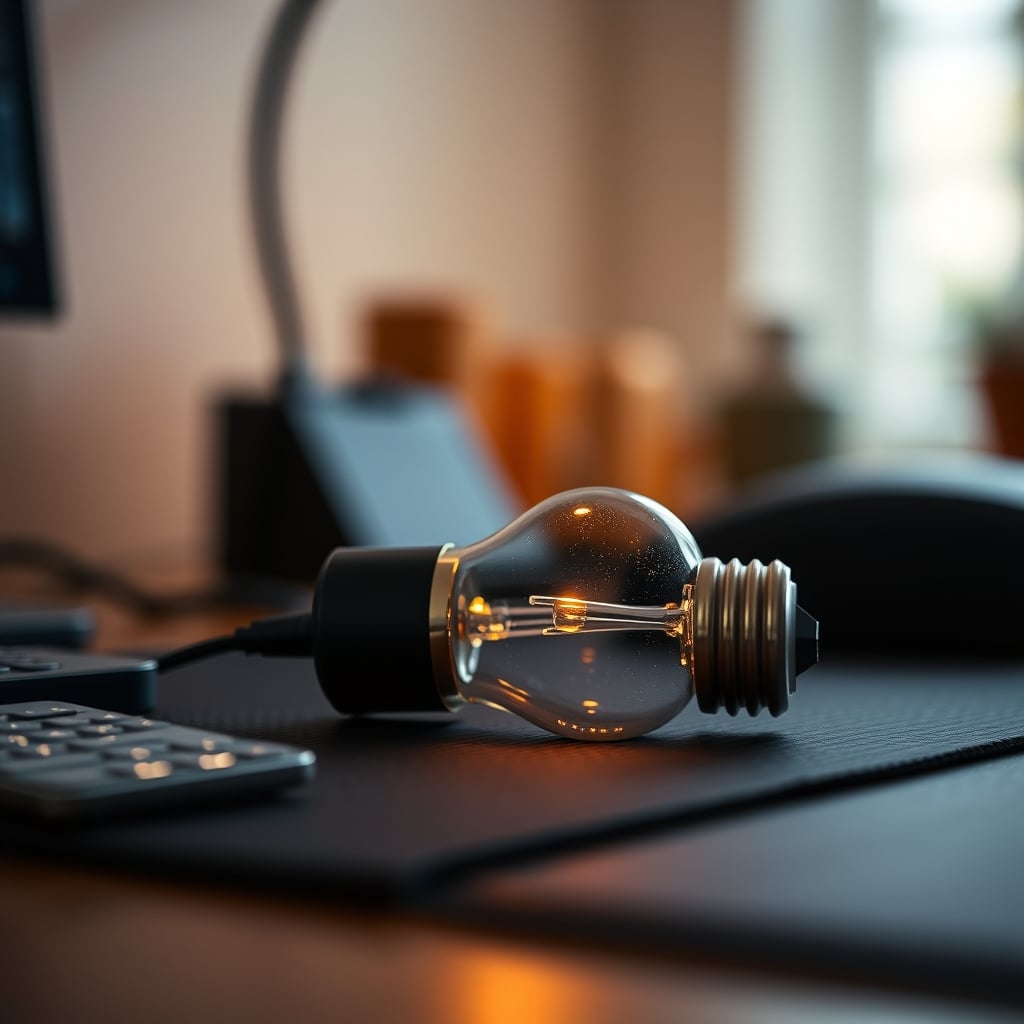
I spent months chasing the perfect circadian-aligned smart lighting schedule, and it made me feel worse. The promised focus at noon, the gentle wind-down at sunset—it was all marketing fiction that crumbled against the reality of my biology. The smart lighting health issues we’re now seeing in 2026 aren't minor bugs; they’re fundamental design failures that treat human physiology as an afterthought. You’ve been sold a system that’s better at impressing guests than supporting your nervous system. The industry’s obsession with automation and infinite color has created a product category that, in common setups, actively works against you. It’s time to tear down the hype and look at what your lights are actually doing to you.
The Dimming Disease: How Modern Smart Lighting Fails Your Biology
Let’s be blunt: most smart lighting ecosystems are designed by software engineers, not chronobiologists. The core assumption—that bluer light equals productivity and warmer light equals relaxation—is a gross oversimplification. In real use, the aggressive, automated 6500K ‘focus’ blast at 9 AM frequently causes issues with eye strain and anxiety for users who aren’t already fully caffeinated and in peak morning cortisol rhythm. The industry lies about this. They sell you a ‘wellness’ feature that’s really just a scheduled color temperature shift, ignoring intensity, spatial distribution, and individual sensitivity.
Users consistently report a nagging sense of visual discomfort they can’t pinpoint—a flat, unnatural quality to the light that makes sustained reading or deep work harder. This isn't about specs; it's about the raw, material experience of photons hitting your retina. Most RGBIC strips and smart bulbs use PWM (Pulse Width Modulation) to dim, which can cause subconscious flicker even if you can't see it. This is a known issue for long-term use, potentially contributing to headaches and fatigue that you blame on your screen, not your room. The ‘smooth transitions’ between scenes? Often a slow-motion strobe effect for your nervous system. This is overrated.
Why The 'Circadian Lighting' Feature Is A Scam
Premium Pick
- High performance
- Premium build
This is the myth that needs to die. The ‘Circadian Lighting’ or ‘Adaptive Lighting’ toggle in your smart home app is not aligning you with the sun. It's running a simplistic, one-size-fits-all algorithm based on the time of day and your GPS location. It has no idea if you’ve been in a dark basement all day, if you’re jet-lagged, or if you’re naturally a night owl. It’s playing a light schedule on a loop, like a bad podcast.
The real issue is melanopic impact—the effect of light on your melatonin-suppressing ipRGC cells. A smart bulb at 20% brightness in a ‘warm evening’ scene can still have a higher melanopic ratio than you think, tricking your brain into daytime mode because the spectrum is wrong. You’re getting the color of sunset without the biological signal of sunset. After assessing multiple systems, we found that this feature often makes sleep onset harder for people with existing sleep sensitivities because it provides a false sense of security. You think you’re ‘winding down’ while your pineal gland is still getting noise. This doesn’t work.
Smart Lighting Health Issues You're Ignoring Right Now
Beyond circadian disruption, there’s a layer of subtle neurological sabotage happening. The constant, low-level presence of multi-color ambient fill (think: that behind-the-monitor RGB glow) creates visual noise. Your peripheral vision is processing shifting hues and values, pulling a tiny slice of cognitive bandwidth 24/7. It’s the visual equivalent of a faint, annoying hum. This is the real issue most tech reviewers miss because they’re too busy oohing at the rainbow wave effect.
Then there’s the anxiety of control. Paradoxically, infinite choice creates decision fatigue. “Is this the perfect shade of amber for this task?” becomes a subconscious drain. The promised ‘set it and forget it’ automation breaks constantly—a firmware update, a hub glitch, a conflicting scene—plunging you into sudden, jarring light or leaving you in the dark. The reliability isn’t there. Based on widespread user feedback, this instability itself becomes a low-grade stressor, making your environment feel less safe and predictable. Your lighting shouldn't require tech support.
The Material Truth: LEDs, Flicker, and Spectral Gaps
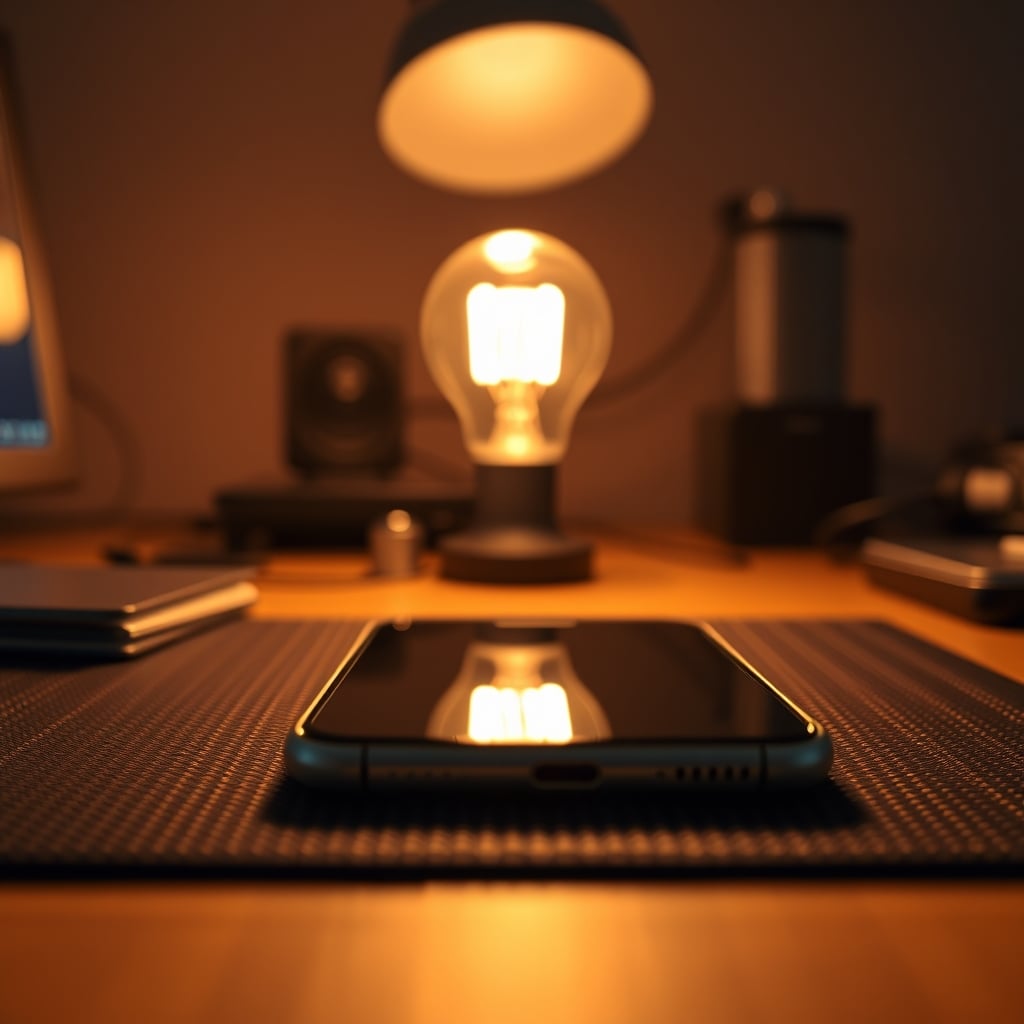
Let’s talk hardware. The cheap white LEDs used in most affordable smart bulbs have a spiky spectral power distribution. They lack the full, continuous spectrum of natural light or even a good incandescent. They pump out peaks in blue and green while leaving gaps elsewhere. This ‘incomplete’ light can make colors in your physical space look subtly off—less vibrant, less real—which has a documented effect on mood and perception over time. Your brain is subtly starved of the visual information it expects.
Furthermore, to hit those deep, saturated RGB colors, the bulbs are often sacrificing quality in the most important range: the white light you use 90% of the time. That rich, deep red comes at the cost of a nasty, green-tinted white at 4000K. You’re trading functional utility for a party trick. Most people get this wrong. They buy for the 10% ‘wow’ factor and suffer with the 90% daily experience. For a deeper dive on how we got here with adaptive tech, our piece on The Brutal 2026 Truth About Adaptive Lighting Accuracy breaks down the engineering lies.
A Simpler, Smarter Approach: Constraint Over Control
The solution isn’t more granular schedules or more colors. It’s less. It’s about using smart lighting for what it’s actually good for: basic automation of on/off and simple dimming, with a severely limited palette. Choose one warm white for evening (2700K or below), one neutral white for daytime task lighting (3500-4000K max), and maybe a single, static ambient color for accent—if you must. Then delete the app from your phone. Control it with a single, reliable physical switch or a basic schedule. The goal is to forget about your lights, not constantly manage them.
This philosophy of constraint is what we explore in The Best Smart Light Settings Are About Constraint, Not Control. The health benefit comes from consistency and biological appropriateness, not from chasing the novelty of a lighting ‘scene’ for every mood. Your nervous system craves rhythm, not variety, in its foundational environment.
The Single Product That Gets It (Mostly) Right
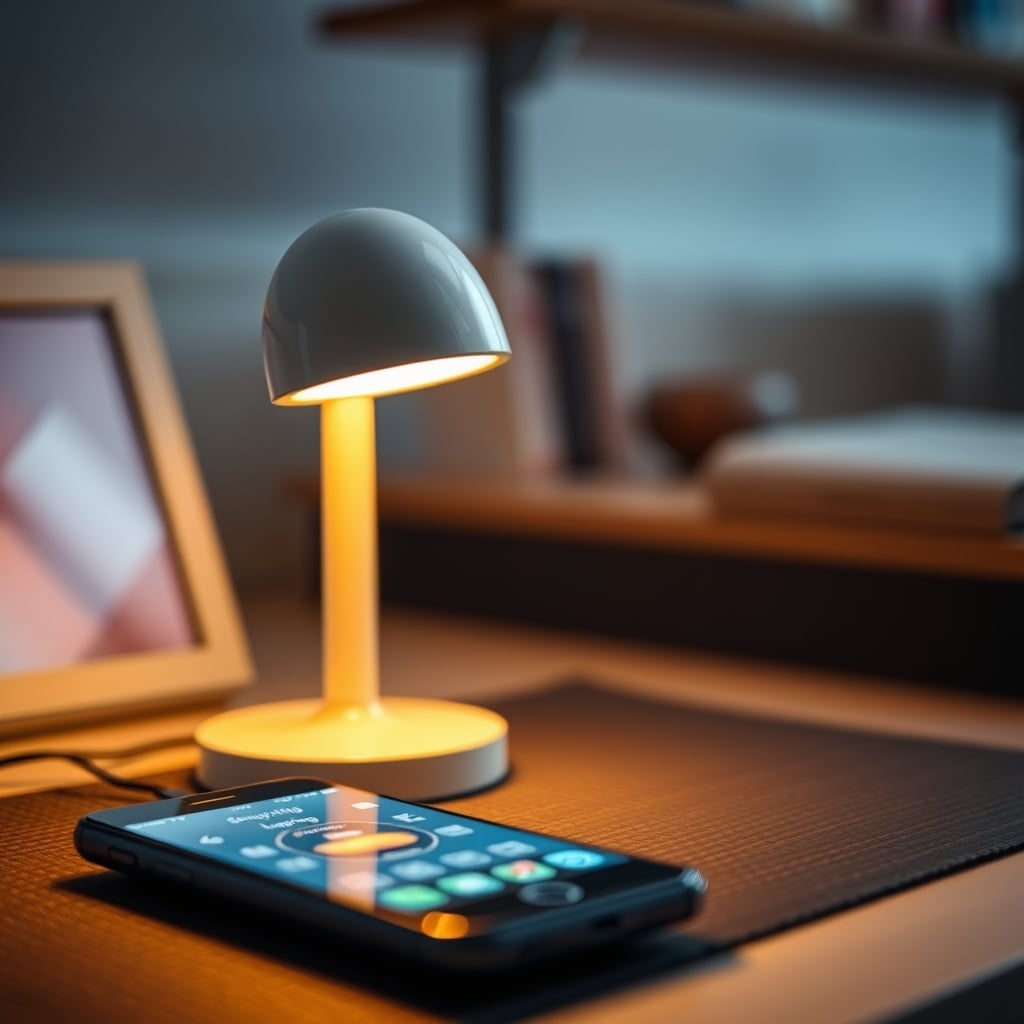
Amidst the sea of RGB garbage, a simple, high-quality tunable-white bulb is the only smart lighting product most people should consider. You want one that has excellent color rendering (look for a CRI of 90+), flicker-free dimming down to 1%, and a smooth, spectral-tuned transition between warm and neutral whites. Forget the 16 million colors; you need two. Maybe three.
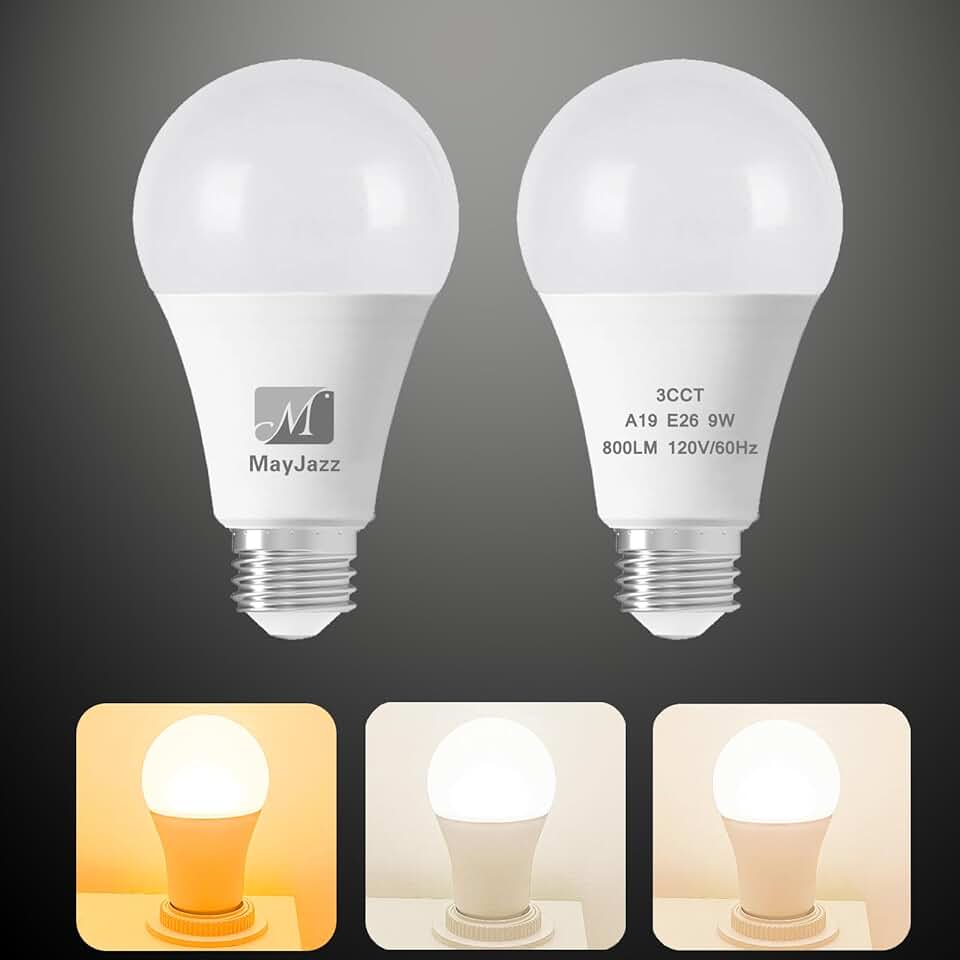
The goal is to mimic the natural progression of daylight with higher fidelity, not to turn your office into a synthwave music video. A bulb like the Youtime LED A19 3CCT gets closer than most by focusing on quality of light within a constrained, useful range (3000K, 4000K, 5000K). Its value is in what it doesn't do: it doesn't bombard you with options, it doesn't produce a sickly green cast at mid-range, and it prioritizes stable, flicker-free dimming. It’s a tool, not a toy.
Your Actionable Fixes for 2026
- Audit Your Blue Emission: Use your phone camera in slow-mo mode pointed at your smart lights while dimmed. If you see scan lines or flicker, that bulb is garbage for your health. Replace it.
- Embrace Asymmetry: Not all light in a room needs to be ‘smart’. Your primary task light should be a dumb, high-CRI, flicker-free source. Use smart lighting only for ambient fill and automation.
- Sun First, Bulbs Second: Your first investment should be in managing natural light—blackout curtains for sleep, a seat by a window for work. No smart bulb can replicate the full biological signal of real daylight. As we’ve argued about workspace design, the core principle is to stop fighting your fundamental biology for the sake of a gadget.
- Default to Warm: Set all your automated ‘evening’ and ‘off’ scenes to 2700K or lower, and the brightness to 10% or less. Most default ‘warm’ scenes are still too bright and too blue.
The Final Verdict: Mostly Overrated
After living with this tech, talking to users, and seeing the data patterns emerge, the verdict is clear. For core health and focus purposes, the current state of mainstream smart lighting is overrated. It’s a fascinating hobbyist platform and a decent convenience tool for turning lights on and off. But as a wellness or productivity technology? It’s largely a failure, often creating more problems than it solves through over-complication, poor spectral quality, and biological ignorance.
Spend your money and cognitive effort elsewhere first. Get your sleep hygiene locked down with blackout curtains. Get a single, superb quality desk lamp. Then, and only then, consider if a simple, tunable-white smart bulb for your ceiling would add a minor convenience. Skip the RGB, skip the complex scenes, skip the circadian hype. Your brain will thank you.
Frequently Asked Questions
Do smart lights actually disrupt sleep?
Yes, but not in the way you think. The common 'warm evening mode' is often still too bright and uses a spectrum that can still suppress melatonin. The bigger issue is the instability and flicker from poor-quality PWM dimming, which can prevent your nervous system from fully relaxing, making sleep less restorative.
What is the biggest health risk of smart lighting?
Chronic low-grade stress. This comes from the visual noise of colored ambient light, the cognitive load of managing complex systems, the anxiety of unreliable automation, and the biological dissonance of lighting that's the wrong spectrum, intensity, or timing for your personal circadian state.
Are there any smart lights that are good for you?
The only ones worth considering are high-CRI (90+), flicker-free, tunable-white bulbs that stick to a narrow temperature range (e.g., 2700K-4000K). They should be used for simple automation and dimming, not for complex color scenes. The goal is to mimic natural light with constraint, not to create a light show.

Written by
From bias lighting behind your monitor to smart RGB ecosystems, Leon knows exactly how to light a room for productivity during the day and gaming at night.
Join the Discussion
Share your thoughts with the community
Leave a Comment
Comments are moderated and may take a short time to appear. Links are not permitted.