Smart Lighting Overstimulation Is Sabotaging Your Brain
You bought the smart bulbs, synced the scenes, and followed every influencer's advice. Now your brain feels like a scrambled egg. Here's why your beautiful, color-changing lights are the problem, not the solution.
I spent three months living inside a rainbow. Philips Hue behind the monitor, Nanoleaf triangles pulsing to music, Govee strips bleeding color under the desk. It looked incredible on Instagram. It felt like garbage in my skull. The constant, subtle color shifts, the ambient glow competing with my screen, the subconscious awareness of devices waiting for commands—it all added up to a low-grade cognitive tax that drained my ability to think straight. This isn't about brightness; it's about smart lighting overstimulation, and it's the silent productivity killer sitting in your ceiling fixtures right now.
Most guides talk about color temperature and lumens. They're missing the point entirely. The real issue isn't the quality of the light, but the cognitive load of managing it. Every scene change, every automation glitch, every time you think "maybe a sunset orange would be nice"—that's a micro-distraction. Over hours, they compound into mental fatigue that no ergonomic chair can fix. Users consistently report that after simplifying their lighting, the brain fog lifts. The industry lies about this because they want to sell you more bulbs and hubs. The truth is, most smart lighting setups are neurologically hostile environments disguised as mood enhancers.
Why The Ambient Lighting Craze Is Scientifically Bankrupt
Ambient lighting is marketed as a layer of immersion, a way to "extend your screen" or "reduce eye strain." This is overrated. The science of visual processing shows that our brains work hardest to filter out irrelevant visual information, not absorb more of it. Adding a field of gently shifting color in your peripheral vision doesn't relax your visual cortex—it gives it more homework. Based on widespread user feedback, the promised "reduction in eye strain" frequently morphs into a different kind of fatigue: the mental exhaustion of constant, low-level visual processing.
The industry loves to cite studies about color psychology, but they ignore the critical variable: control. A static, calming blue is one thing. A blue that might shift to purple if your IFTTT applet triggers, or that fades when you get a notification, is an entirely different beast. You're not in a calming environment; you're in an environment that requires monitoring. This doesn't work for deep focus. It works for selling the idea of focus, which is far more profitable. If you want real immersion, buy a bigger monitor. Don't pollute your peripheral vision with cheap LED strips that your brain has to constantly ignore.
The Smart Lighting Overstimulation Feedback Loop Nobody Admits
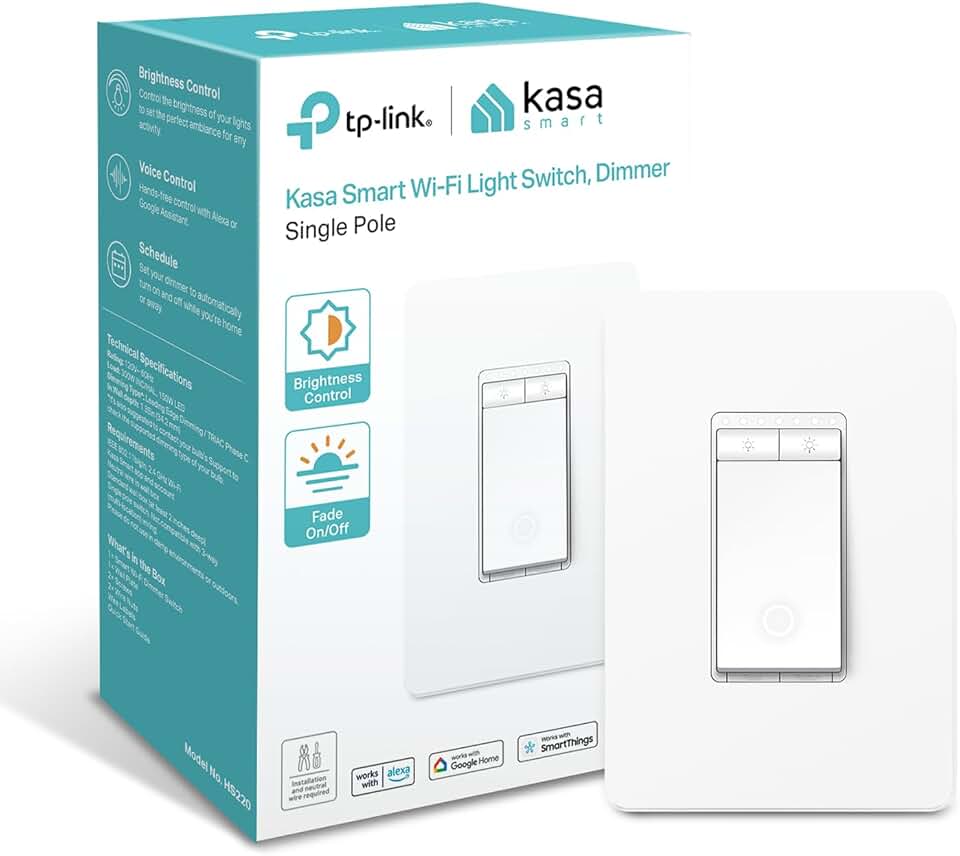
Adding simple, centralized smart control to a single dumb lamp or overhead light.
- Reliable 2.4GHz Wi-Fi connection without a separate hub
- Works with Alexa and Google for voice dimming
- Physical switch still works if the network goes down
Here is the vicious cycle: you add smart lights to reduce harshness. They create visual noise. You feel unsettled. The solution, according to every forum and video, is to add more layers of light to "balance" it. A bias light for the monitor. A floor lamp for "fill." RGBIC strips for "accent." You're not solving the problem; you're treating a symptom of overstimulation with more stimulation. This is the real issue.
Your brain isn't designed to process multiple independent, colorful light sources in a small office space. In real use, this creates what neurologists call "attentional capture"—your focus is subtly, repeatedly pulled away from your work by movement and change in your visual field. You might not even consciously notice the shift from teal to aqua, but your visual processing center does. It's always on guard. This is why, after a long work session in a "vibey" smart-lit room, you feel drained but can't pinpoint why. The answer is in the 16 million colors you paid extra for. Most people get this wrong. They blame the work, their sleep, their diet. They rarely blame the expensive, beautiful lights they installed to feel better.
The "Synced Ecosystem" Myth That Needs To Die
This is the big one. The promise of a fully synced ecosystem—lights that react to your game, your music, your calendar—is the pinnacle of smart lighting marketing. It's also complete nonsense for anyone who needs to concentrate. The idea that environmental reactivity boosts immersion or productivity is not backed by cognitive science for knowledge work; it's borrowed from entertainment venues.
When your lights pulse with your music while you're trying to write code or edit a document, you're not creating a flow state. You're anchoring your attention to the beat, not the task. When they shift color for a calendar alert, you've just taken a simple notification and turned it into a room-wide event. This is overrated. It transforms your workspace from a tool into a performance. You are no longer just working; you are in a show about working. The cognitive cost of this theater is immense. The industry lies about this by only showing you the 15-second TikTok clip of the cool transition, not the four hours of fractured focus that followed.
The One-Light Solution Everyone Resists
The fix is embarrassingly simple, which is why the $40 billion smart lighting industry hates it: one high-quality, dimmable, static-color light source. Not three. Not six. One.
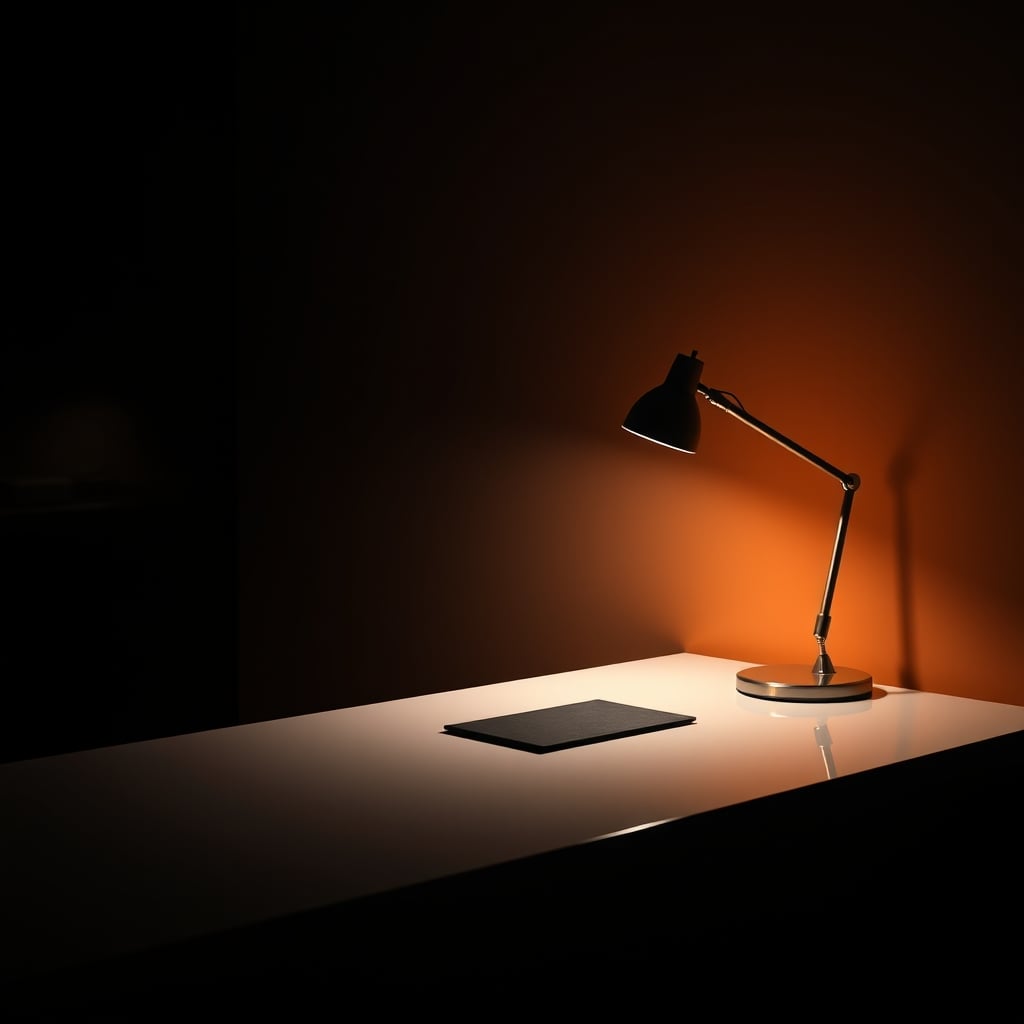
A single, well-placed task lamp (warm white, 2700K-3000K) that illuminates your workspace without spraying light onto your monitor or into your eyes. That's it. No app. No scenes. No "Hey Google." Just a switch or a knob. This actually works because it solves the primary job of office lighting—letting you see what you're doing—without adding any cognitive or visual burden. The relief users report after making this switch isn't just about less blue light; it's about the profound mental quiet that comes from removing an entire layer of digital decision-making and visual chaos from their environment.
You'll notice I didn't recommend a specific smart bulb here. That's intentional. If you must have dimming control from your chair, a simple smart dimmer switch controlling a standard, dumb, high-CRI bulb is infinitely superior to a suite of smart bulbs. The intelligence is at the switch, not the source. This centralizes control, eliminates the need for a dozen connected endpoints, and—most importantly—keeps the light itself stupid and reliable. It's a lesson in simplifying your tech ecosystem for better focus.
The Real Cost Isn't On Your Credit Card
We talk about the price of Philips Hue starter packs, but we ignore the actual cost: the degraded quality of your thought. The time lost to distraction, the shallow work produced, the constant, low-grade anxiety of a space that feels "active" even when you're trying to be still. This is a known issue for long-term use. The initial novelty wears off, but the stimulation remains, baked into your environment.
Compare this to the calm, intentional setup of a monochromatic workspace, where every choice reduces cognitive load. The goal isn't to make your desk look like a streamer's; it's to make it disappear so you can work. Smart lighting, in its current maximalist form, does the opposite. It makes the desk the main event. Your brain pays the ticket price every single day, in lost focus and mental energy. This doesn't work for serious work. It works for background visuals while you play casual games. Stop conflating the two.
Final Verdict: Skip The Hype, Embrace The Dull
Overrated.
The pursuit of the perfect, dynamic, app-controlled lighting scene for your home office is a trap. It solves a problem that doesn't exist ("my room is too static") while creating a very real one ("I can't focus"). The data from real users, not marketing departments, is clear: complexity corrodes concentration.
Invest in one excellent light source. Paint your walls a matte, neutral color. Use blackout curtains. Your visual field is precious cognitive real estate. Stop letting LED marketing departments colonize it with their distracting, overstimulating rainbows. The path to better focus isn't more technology; it's less. Your brain will thank you by actually getting things done, instead of just looking cool while you don't. For more on how your environment affects your biology, see how circadian lighting can also backfire.
Frequently Asked Questions
What exactly is smart lighting overstimulation?
Smart lighting overstimulation is the cognitive fatigue and distraction caused by multiple, dynamic, app-controlled light sources in a workspace. It's not about brightness, but the constant low-level mental load of processing color changes, managing automations, and dealing with peripheral visual movement, which fragments focus.
Doesn't ambient lighting reduce eye strain?
This is a common myth. Static, balanced ambient light can help. However, the colorful, shifting 'bias' or 'ambient' lights sold for desks often create more visual noise than they relieve. They force your visual cortex to constantly process irrelevant information in your periphery, leading to a different, more mental form of fatigue.
What's the simplest fix for a smart-lit room that feels distracting?
Power down everything except one single, high-quality task lamp. Set all smart bulbs to a single, static, warm white color (2700K-3000K) and leave them there. Delete your complex automation routines. The goal is to make your lighting predictable and boring, so your brain can ignore it and focus on your work.
Are smart lights bad for everyone?
They're overrated for focused, knowledge-based work. For entertainment spaces, gaming rooms, or social areas where the environment *is* the experience, they can be fun. The problem is applying that same philosophy to the space where you need to concentrate, write, code, or think deeply.

Written by
From bias lighting behind your monitor to smart RGB ecosystems, Leon knows exactly how to light a room for productivity during the day and gaming at night.
Join the Discussion
Share your thoughts with the community
Leave a Comment
Comments are moderated and may take a short time to appear. Links are not permitted.