Single Task Gadgets Are Killing Your Focus
Forget what the tech influencers are selling you. In 2026, the push for hyper-specialized, single-purpose gadgets has reached a ridiculous peak, and it's making your desk worse, not better. This is the real reason your 'optimized' space feels chaotic.
Walk into any tech setup video from this year and you’ll see them: neat rows of little boxes, sleek minimalist timers, dedicated wireless charging stands for one specific earbud model, digital notepads that only sync to one app. This is the cult of the single task gadgets, and it’s the single biggest waste of money and space in modern productivity culture. I’ve watched users fall for this trend, shelling out hundreds for gadgets that promise laser focus but deliver only another item to manage, another battery to charge, another app to forget. The industry is lying to you. A clean desk isn't built by adding more things, even if those things are small and expensive. It’s built by removing distractions. These gadgets are just expensive, physical manifestations of an app icon you didn't need.
The Single Task Gadgets Lie You're Buying Into
Here’s the brutal truth everyone is afraid to say in 2026: these gadgets exist because they’re easy to market, not because they solve a real problem. Think about the last time you bought a dedicated Pomodoro timer cube. You were sold on the idea of a tactile, focused tool away from your phone’s distractions. What actually happened? You used it for a week, then the novelty wore off. Now it’s another piece of desk clutter, its battery is dead, and you’re back to using a free app or, more likely, just working. This is overrated. The problem was never your phone’s timer app; it was your discipline. You paid $50 for a lesson in gadget dependency.
Most people get this wrong. They see a sleek, single-purpose object and their brain interprets it as ‘efficiency.’ It’s the opposite. Every single-task gadget you add is a new system to maintain. It needs charging, cleaning, firmware updates, a specific spot on your desk, and mental energy to remember to use it. That’s not focus; that’s cognitive load in a fancy case. The real issue is that we’re trying to outsource simple executive functions to expensive hardware. Setting a timer is not a complex task that requires a dedicated device. Writing a note is not so burdensome that you need a $200 E-Ink pad that only works with its own ecosystem.

Why The “Digital Detox” Gadget Trend Is Complete Nonsense
This needs its own section because the hypocrisy is staggering. The biggest pushers of single-task gadgets are the same voices preaching “digital minimalism” and “phone-free focus.” So their solution is… to buy more electronics? Let’s dismantle this. You buy a dedicated digital notebook to avoid the distractions of your iPad. But now you have a device that only takes notes, can’t reference a PDF you downloaded, can’t quickly search the web for a fact, and needs a proprietary cable to sync. You’ve traded the potential for distraction for guaranteed, built-in limitation. You haven’t solved a problem; you’ve purchased a handicap.
Based on widespread user feedback, these devices create a new problem: data silos. Your notes are trapped on the gadget. Your reading list is on another. Your timer history is on a third. The promise of simplification actually fractures your workflow across multiple platforms and devices. This doesn’t work. True simplicity is convergence, not division. A great multi-tool—whether it's your computer, your phone, or a well-chosen app—beats a drawer full of specialized, lonely gadgets every single time. This is a known issue for long-term use; the initial thrill of a new system gives way to the grinding reality of maintenance and isolation.
What Actually Works: The Multi-Tool Mindset
Forget single-task gadgets. The real productivity hack for 2026 is embracing powerful, flexible multi-tools. I’m not talking about Swiss Army knives for your desk (though, as we’ll see, even a physical one has more merit). I’m talking about the core philosophy: one device, well-chosen and masterfully used, that handles 80% of your tasks with elegance. Your smartphone, with notification filters and focus modes turned on, is a more powerful productivity gadget than any dedicated widget. Your computer, with a properly organized workflow and maybe a single macro pad like the alternatives we covered in our Stream Deck Alternatives Cheaper: Stop Buying Overpriced Stream Deck guide, is your central command.
The goal is capability density, not task segregation. Look at the backlash against smart notebooks—we called them out in Why Your AI Smart Notebook Is Pointless in 2026. The winners are platforms that aggregate, not isolate. This applies to your physical space, too. A single, high-quality monitor on a versatile arm eliminates the need for a dedicated “teams meeting” screen. A good keyboard with programmable layers kills the need for a novelty shortcut pad. This is the real path to a clean desk and a focused mind.
The Physical Desk Test: One Tool To Rule Them All
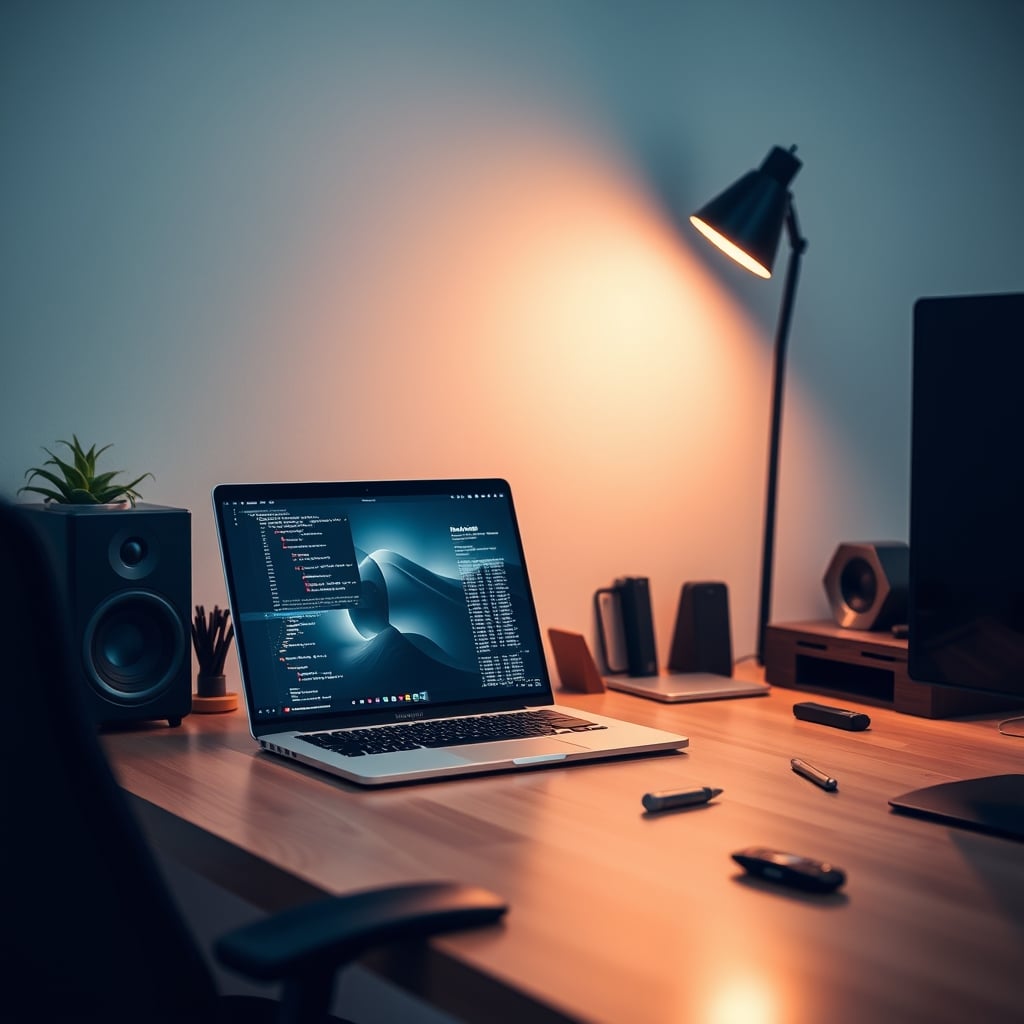
Let’s get tangible. On my desk right now, within arm’s reach, is one gadget that gets more real, practical use than any single-task item ever has: a simple, stainless steel multi-tool pliers. It’s not smart. It doesn’t have Bluetooth. It will never need a firmware update. But when a cable fray needs a quick trim, when a screw on my monitor arm comes loose, when I need to crimp a connector or strip a wire for a custom cable run, it’s there. It solves a dozen infrequent but critical problems without taking up mental space or requiring a charger. Its value is in its readiness and reliability, not in doing one thing perfectly.
This highlights the flaw in the single-task gadget argument: life at your desk isn’t a series of perfectly defined, repetitive tasks. It’s messy. You need to adjust something, fix something, open something, or cut something. A dedicated “screwdriver gadget” is useless when you also need pliers. The single-task gadget fails the reality test because reality is unpredictable. Users consistently report that these highly specific tools are used once and then forgotten, while a robust multi-tool, digital or physical, earns its keep daily. The industry lies about this. They sell you the dream of a perfect, specialized workflow, but they’re just selling you shelfware.
Your Single Biggest Mistake: Chasing Novelty Over Utility
Here’s the lesson learned from watching this trend explode: people aren’t buying these gadgets for the task. They’re buying them for the story. The story of being a person who has a dedicated gadget for everything. It’s aesthetic-driven consumption disguised as productivity. The mistake is believing that the feeling of organization—conferred by a neat, labeled gadget—is the same as being organized. It’s not.
Your workflow isn’t improved by interrupting it to pick up a different device. The context switch itself is a focus killer. Going from typing to tapping a timer cube to going back to typing is less efficient than hitting a keyboard shortcut or using a clickable on-screen timer. This is not worth it. The friction is the point—marketers sell it as “intentionality”—but in practice, it’s just friction. It slows you down. It makes simple processes complex for the sake of appearing sophisticated. It’s the Desk Clutter Productivity Myth dressed up in anodized aluminum.
The GlowRig Verdict: Skip It. All Of It.
Overrated. The entire category of single-task, hyper-specialized productivity gadgets is a solution in search of a problem. It’s a tax on your wallet and a burden on your attention. In 2026, with the power of modern software and well-designed multi-purpose hardware literally in our pockets, dedicating physical space and mental energy to a device that does one trivial thing is a step backwards.
Invest in deepening your skill with the powerful, flexible tools you already own. Learn the advanced features of your note-taking app. Master keyboard shortcuts. Configure focus modes on your operating system. If you must buy something physical for your desk, make it a truly versatile tool that handles edge cases, not a novelty item that handles a single core function worse than your computer can. Your focus will thank you, your desk will be cleaner, and your bank account won’t be funding the next iteration of this pointless trend. Stop buying single task gadgets.
Frequently Asked Questions
Aren't single task gadgets supposed to reduce digital distraction?
No, that's the marketing lie. They trade potential digital distraction for guaranteed physical and logistical distraction. You now have another device to charge, find space for, and maintain. A phone or computer with proper focus modes enabled is far less distracting than managing multiple dead-battery gadgets.
What about a dedicated Pomodoro timer or physical Kanban board?
Overrated. The physical action of using them creates more friction and context-switching than a digital version. The novelty wears off in days, leaving you with desk clutter. The discipline comes from you, not the gadget. A simple app or a piece of paper works better and doesn't cost $80.
Is there ANY single task gadget worth buying in 2026?
Almost universally, no. The exception might be a hyper-specialized tool for a genuine, frequent professional need that software cannot replicate—like a specific calibrator for color-critical work. For 99% of desk workers, a versatile multi-tool (digital or physical) and mastery of your core devices is infinitely more valuable.

Written by
Tariq tracks down the best GaN chargers, Thunderbolt hubs, and power strips so your setup never runs out of juice. He tests thermals and wattage delivery extensively.
Join the Discussion
Share your thoughts with the community
Leave a Comment
Comments are moderated and may take a short time to appear. Links are not permitted.