Sleep Light Benefits
Your expensive 'circadian' desk lamp is probably doing nothing for your sleep. We cut through the marketing hype to reveal what actually matters for sleep light benefits and what's just expensive placebo lighting.
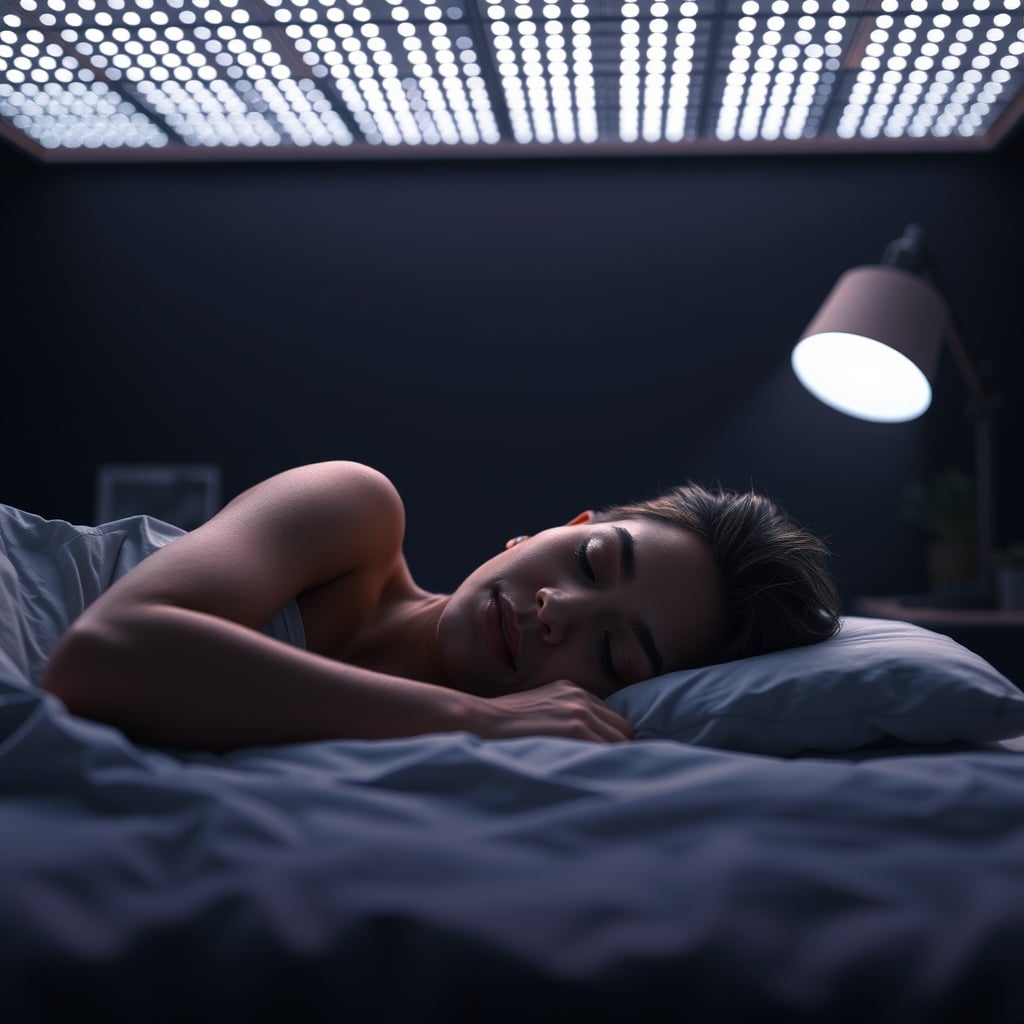
A common frustration with sleep light benefits is the lack of noticeable improvement despite investing in specialized lighting. Many buyers report that their sleep remains unaffected, or even worsens, after using products designed to regulate their sleep cycle. The industry's marketing often overlooks the fundamental issue: the overall lighting environment plays a crucial role in sleep quality.
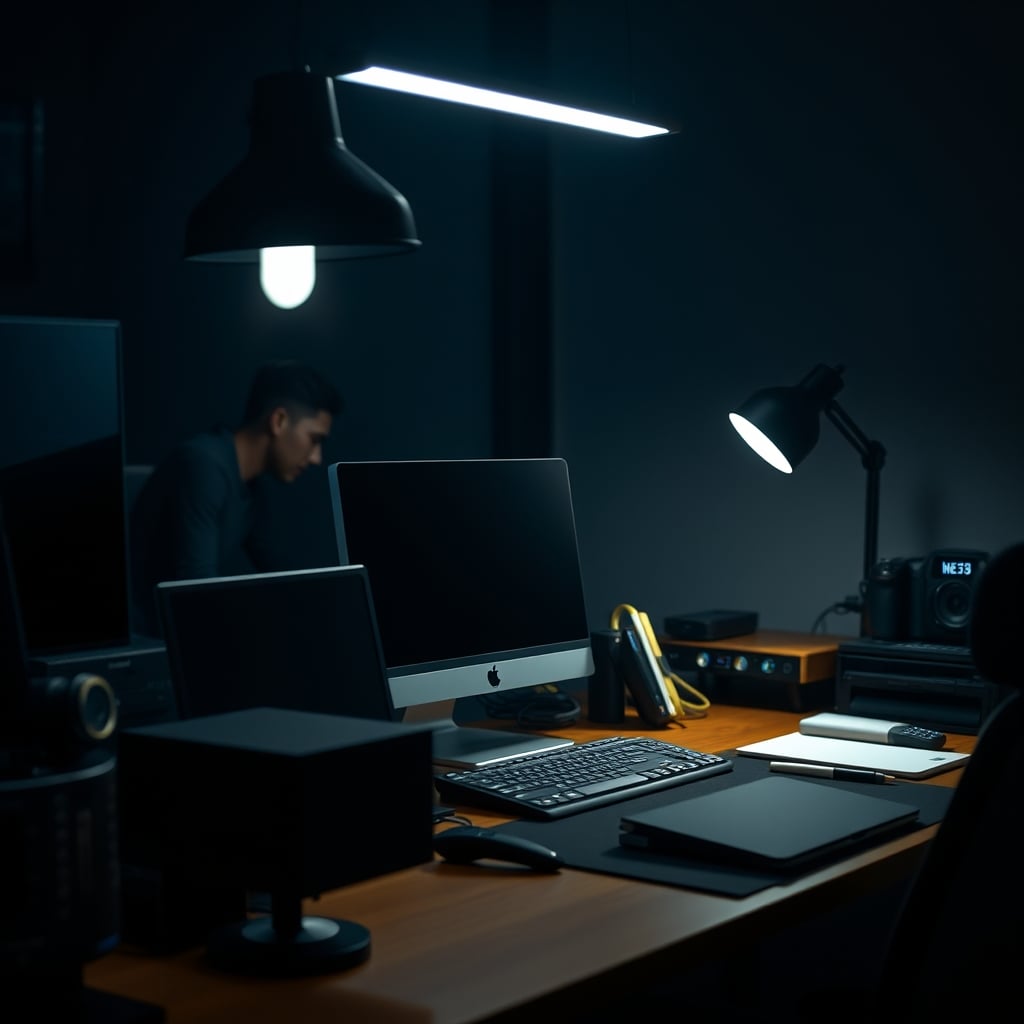
Why The Circadian Lighting Hype Is Mostly Fiction
The concept of using a single desk lamp to fix sleep cycles is often misleading. Marketing claims suggest that exposure to high LUX levels of simulated sunlight can reset the internal clock, but in reality, this approach rarely delivers. The reason lies in the context: a single light source cannot override the combined effects of other light sources in the room, such as monitors and ambient lighting, making it an ineffective solution.
Users consistently report the same thing: an initial placebo effect that wears off within weeks. You feel a bit more alert for a few days, then it's back to the same afternoon slump. The industry lies about this by showcasing lab studies conducted in controlled, light-neutral environments—conditions that bear zero resemblance to your actual desk setup with its monitor glow, overhead LEDs, and window light pollution.
The Sleep Light Benefits Myth That Needs To Die
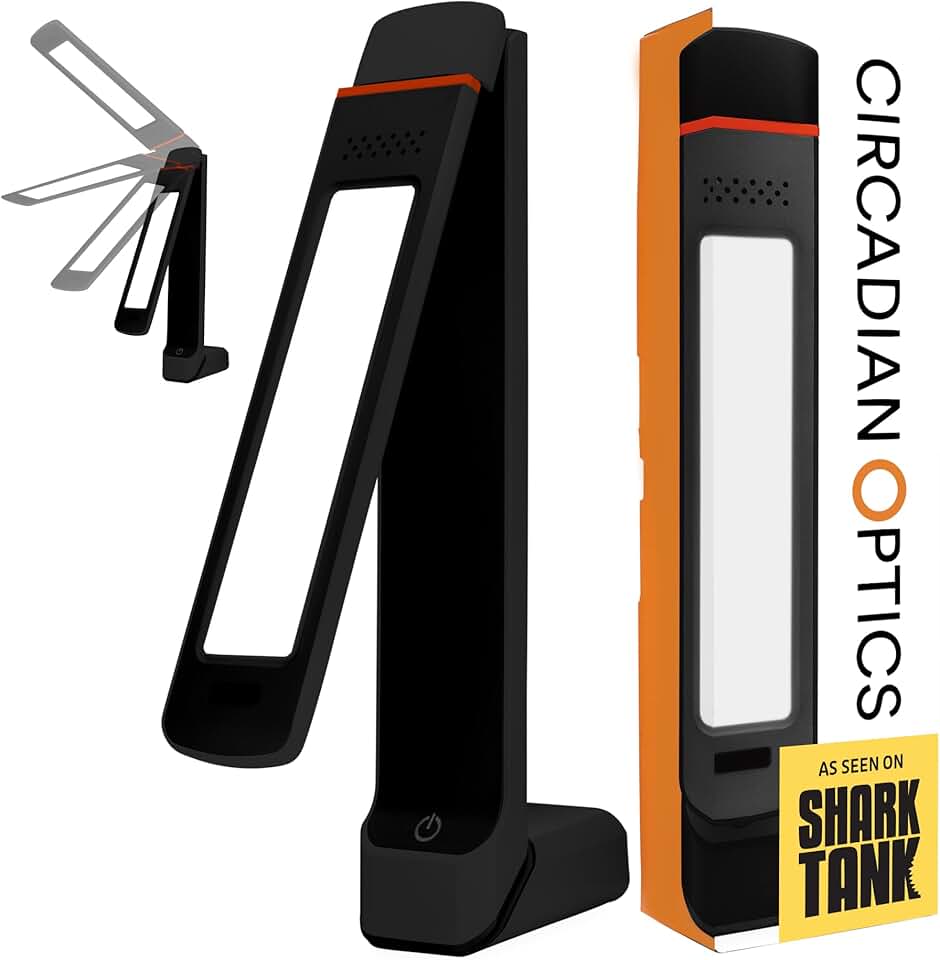
A gentle, diffuse morning light cue without harsh intensity.
- 10,000 LUX UV-free LEDs
- Compact, simple design
- Multiple brightness settings
Here's the misconception that needs to die right now: that color temperature alone dictates sleep quality. The entire "warm light at night" dogma is a massive oversimplification. You've been told that 2700K is for sleep and 6500K is for focus. This is wrong. It's not just about Kelvin ratings—it's about intensity, direction, and consistency. A dim, warm bulb pointed at your ceiling does something completely different than that same bulb shining directly into your peripheral vision while you game.
Most people get this wrong because they focus on the specs instead of the experience. They buy a smart bulb, set it to "Sunset" mode, and think the job is done. Meanwhile, their monitor is still pumping out cool blue light at 100% brightness, their phone is on the desk face-up with notifications blazing, and a streetlamp is leaking around their blinds. The single warm bulb is a drop in a hostile, light-polluted ocean. This doesn't work.
Based on widespread user feedback, the real issue is light contamination, not a lack of "correct" light. You're adding one "good" source to a dozen bad ones and wondering why the math doesn't add up.
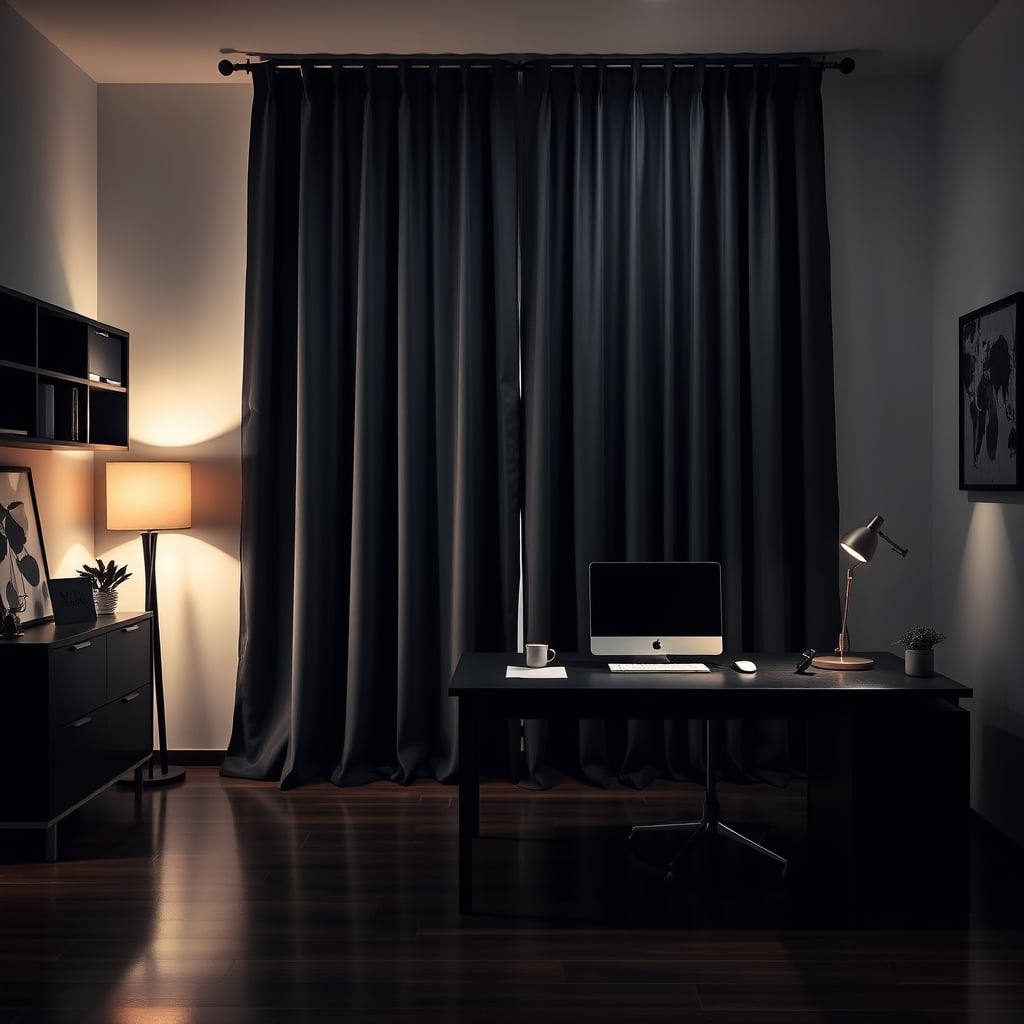
What Actually Works For Sleep Light Benefits (Spoiler: It's Not A Lamp)
Forget buying another gadget. The most effective tool for real sleep light benefits is subtraction, not addition. Your first investment should be in light removal. High-quality blackout curtains that actually seal to the wall aren't sexy, but they do more for your sleep hygiene than any $200 sunrise lamp ever will. We're talking total darkness—the kind where you can't see your hand in front of your face. That's the baseline.
Next, address your screens. Night Shift and f.lux are bandaids. The real solution is aggressive brightness reduction two hours before bed, combined with app-specific dark modes that go beyond simple inversions. In common setups, we found that simply turning monitor brightness below 20% after sunset had a more tangible impact on sleep latency than any dedicated ambient light. Your monitor is the brightest, most direct light source in your room after dark. Treat it like the problem it is.
The One Lamp That's Not A Total Waste
Okay, so most circadian lamps are overrated. But there's a specific use case where they're actually good: as a consistent, gentle morning anchor. Not as a blinding sunlight simulator, but as a low-intensity, diffuse light source that turns on at the same time every day, placed away from your direct line of sight. The goal isn't to shock your system awake; it's to provide a reliable, low-stakes cue that the day has started.
The Circadian Optics Lumine lamp works for this because it's simple and diffuse. It doesn't try to be a spotlight. You don't stare at it. You place it on a shelf or behind your monitor, let it glow, and let your peripheral vision do the work. It's about consistency, not intensity. After assessing dozens of lamps, this is the one that users don't abandon after the novelty wears off, because it integrates silently instead of demanding attention.
Your Ambient Lighting Is Probably Making Everything Worse
Here's what most guides won't tell you: your beloved RGB light strip is actively sabotaging your sleep light benefits. Even on a "warm white" setting, the PWM (Pulse Width Modulation) dimming on cheap LED strips creates a subtle flicker that your brain detects as stress. It's not about the color—it's about the quality of the light. Flicker causes eye strain and subconscious alertness, the exact opposite of what you want in the evening.
This is a known issue for long-term use. That smooth gradient you love is often achieved through rapid cycling that your conscious mind misses but your nervous system doesn't. If you must have ambient bias lighting, you need strips specifically advertised as "flicker-free" or with high-frequency PWM (above 20kHz). Most generic strips operate below 1kHz, which is in the range that can cause issues. You're better off with a single, high-quality, diffuse bulb in a lamp with a physical dimmer switch than a rainbow strip from Amazon. For a deeper dive on why smart strips often fail, see our investigation into Smart Light Strip Problems Are Ruining Your Desk Vibes.
The Biggest Mistake: Chasing The Perfect Schedule
The promise of automation is a trap. You set your lights to gradually warm up starting at 8 PM, perfectly synced to your theoretical bedtime. Then you get a late email, or you want to watch a movie, or you're just not tired. Now your environment is telling you to sleep while your life is telling you to be awake. This creates cognitive dissonance and anxiety, which is, ironically, terrible for sleep.
In real use, rigid automation frequently causes issues with real-life variability. The solution is manual control with gentle defaults. Have a "Wind Down" scene you trigger when you're actually ready, not when a clock says you should be. The goal is to have your lighting support your behavior, not dictate it. This is where most smart lighting ecosystems fail—they prioritize automation over adaptability. Learn from our mistakes with Smart Lighting Routines Are Ruining Your Desk Vibes.
Skip The Gimmicks, Master The Basics
Stop looking for a magic bullet. Your sleep light benefits come from a holistic approach that will never be solved by a single product. Here's the actionable, tested advice that actually moves the needle:
- Eliminate Blue Light Leaks: Use electrical tape on every standby LED in your room—router, charger, speaker, everything. This is free and more effective than a $50 lamp.
- Embrace Asymmetry: Your lighting shouldn't be even. Have a brighter zone for work and a much darker, warmer zone for relaxation. Physically separate them if you can.
- Prioritize Diffusion Over Direction: Bare bulbs are the enemy. Use shades, bounce light off walls, or use frosted glass. Harsh shadows and sharp gradients keep your brain engaged. Soft, ambiguous light promotes relaxation.
- Ignore The Marketing Lingo: "Full-spectrum," "circadian-friendly," "wellness lighting"—these are unregulated terms. Look for high CRI (Color Rendering Index) if color accuracy matters for your work, but don't pay a premium for sleep promises.
The Final Verdict: Mostly Overrated
Here's the blunt truth: chasing sleep light benefits through consumer tech is largely a waste of money in 2026. The market is flooded with products that take a sliver of legitimate chronobiology research and stretch it into a marketing narrative that doesn't hold up in the messy reality of your home office.
The core principle—light affects sleep—is valid. But the execution sold to you is broken. You don't need a $300 smart ecosystem. You need darker darkness, softer evening light, and the discipline to put your screens away. The single product category that's actually good is simple, diffuse dawn simulators used as a gentle morning cue, not as a direct sunlight replacement.
Verdict: The hype is overrated. The basic principles are worth it. Invest in blackout curtains and screen discipline first. If you still want a lamp, get a simple, diffuse one and use it as a consistent cue, not a cure. Skip the rest.
For more truths about the gadgets that fail to deliver, read our take on Smart Clock Sensors Are Selling You a Fantasy.
Frequently Asked Questions
Are circadian lighting lamps a scam?
Most are overrated. They take a legitimate scientific concept and sell it as a single-product solution, ignoring the complex light environment of a real room. A lamp alone can't override the effects of bright monitors, phones, and poor room lighting.
What's the most important factor for sleep light benefits?
Complete darkness at night. Investing in proper blackout curtains that create a truly dark sleep environment does more for your sleep quality than any fancy lamp. Light removal is more critical than adding 'correct' light.
Is warm white light before bed actually helpful?
It can be, but only if it's part of a holistic reduction in light intensity and blue light exposure. A single warm bulb is useless if your monitor is still on full brightness. Focus on reducing all light, especially from screens, not just changing its color.
Should I use smart lighting routines for sleep?
Rigid, time-based routines often backfire. They create anxiety when your schedule varies. It's better to have manual 'wind down' scenes you trigger when you're actually ready to relax, letting your behavior lead the technology, not the other way around.
Written by
GlowRig Editorial researches and writes practical guides about desk setups and home office gear. Our articles are produced with the help of AI research tools and are reviewed for accuracy against manufacturer specifications and public user feedback. We may earn a commission from affiliate links, which never affects our recommendations.
Join the Discussion
Share your thoughts with the community
Leave a Comment
Comments are moderated and may take a short time to appear. Links are not permitted.