Smart Clock Productivity Is A Scam
Smart clocks are marketed as focus-enhancing tools, but they’re engineered for interruption. After assessing widespread user feedback, the truth is clear: these devices are a gateway to distraction, not concentration.
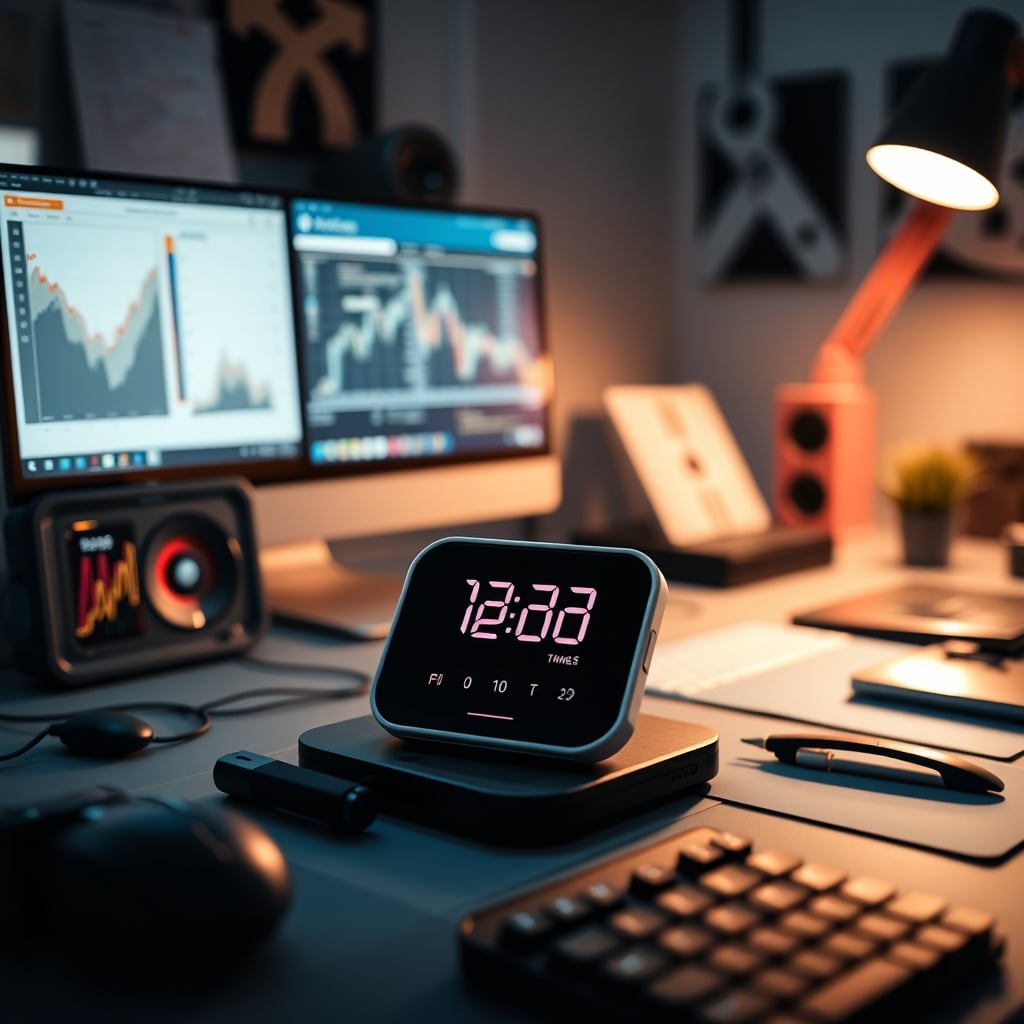
I bought a top-tier smart clock in late 2025, convinced it was the final piece of my deep work puzzle. It promised ambient lighting, gentle wake-ups, and a serene, time-focused hub. Two months later, I smashed its mute button permanently and shoved it to the far corner of my desk. It wasn’t a productivity tool; it was a polished, expensive distraction machine. The entire industry selling you smart clock productivity is built on a lie.
This isn’t about a bad product. It’s about a bad premise. These devices are assistants, not monks. They’re designed to connect, notify, and interact. Every feature—from weather updates to email alerts—is an invitation to glance away from your work. In 2026, we’re drowning in notification streams, and the smart clock is just another beautifully designed faucet.
The Smart Clock Productivity Myth That Needs To Die
The biggest lie sold right now is that a screen displaying time, with some calming colors, will make you more focused. This is overrated. It doesn’t work. The core function of a productivity tool is to reduce cognitive load and gate access to distractions. A smart clock does the opposite. It increases load by offering new information streams (news, calendar, messages) and it gates nothing—those streams are always there, glowing on your desk.
Based on widespread user feedback, the common experience is a cycle of initial fascination followed by gradual annoyance. You notice the clock’s alerts pulling your eyes during a writing sprint. You hear its soft chime for an unimportant notification. You end up muting it, turning off features, and essentially paying for a dumb clock with a fancy screen. The industry lies about this by marketing ‘focus modes’ that are just slightly quieter interruption modes. If a device’ primary purpose is to deliver information from other apps, it cannot be a primary focus tool. This is the real issue.
Why Ambient Lighting And Wake-Up Lights Are Overrated
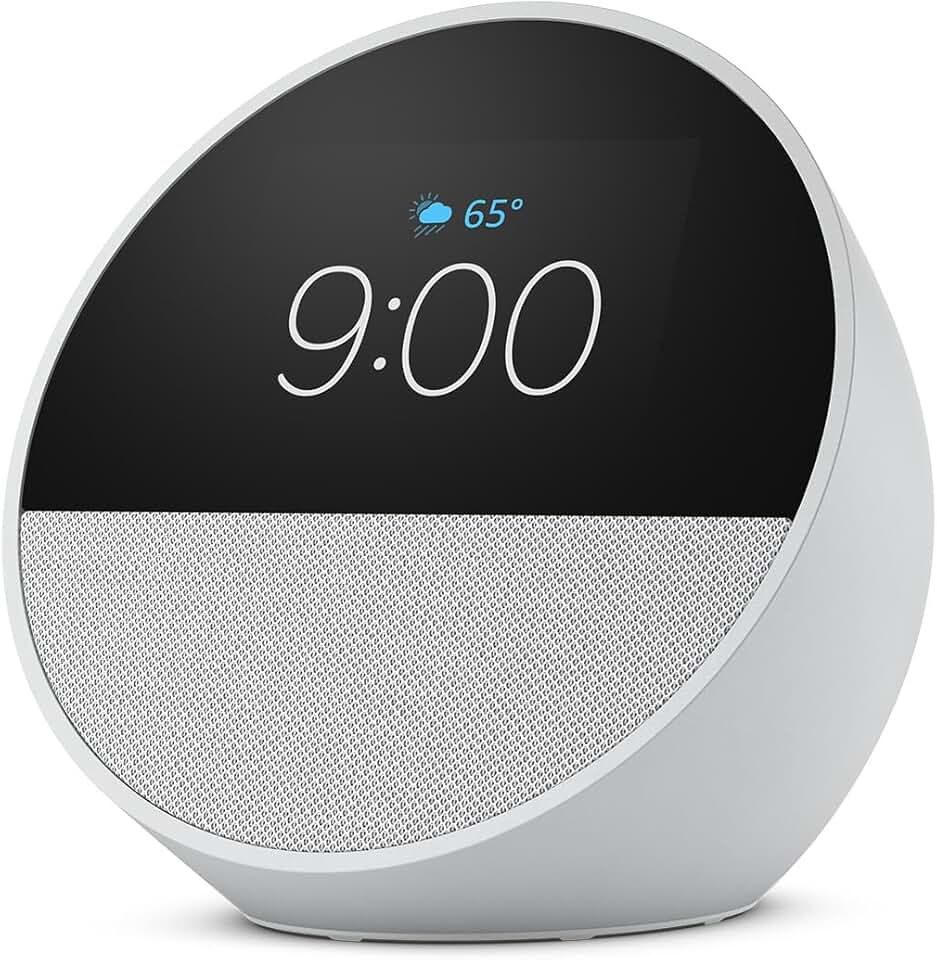
Bedroom or kitchen use, compartmentalized away from a focus desk.
- Compact Alexa interface
- Small screen minimizes distraction
- Can be fully silenced for focus periods
Here’s where the marketing gets really creative. They sell you on ‘biologically aligned’ sunrise alarms and ‘focus-enhancing’ ambient backlighting. After using these features daily, they’re mostly useless gimmicks. The sunrise alarm is fine, but a basic lamp on a timer does the same job for $15. The ambient lighting is where the scam deepens.
Most smart clocks use cheap, diffuse LEDs that cast a generic glow. They don’t match your room’s actual lighting conditions or your screen’s color temperature. This creates visual dissonance—your workspace isn’t harmonized, it’s just vaguely colorful. For actual bias lighting that reduces eye strain, you need precision, like a properly calibrated monitor light bar. The smart clock’s glow is for aesthetics, not ergonomics, and it often becomes a distraction itself as you fiddle with colors to ‘match your mood’. Mood-based lighting is the enemy of consistent, deep work.
The Notification Gateway: Your Desk’s New Leaky Pipe
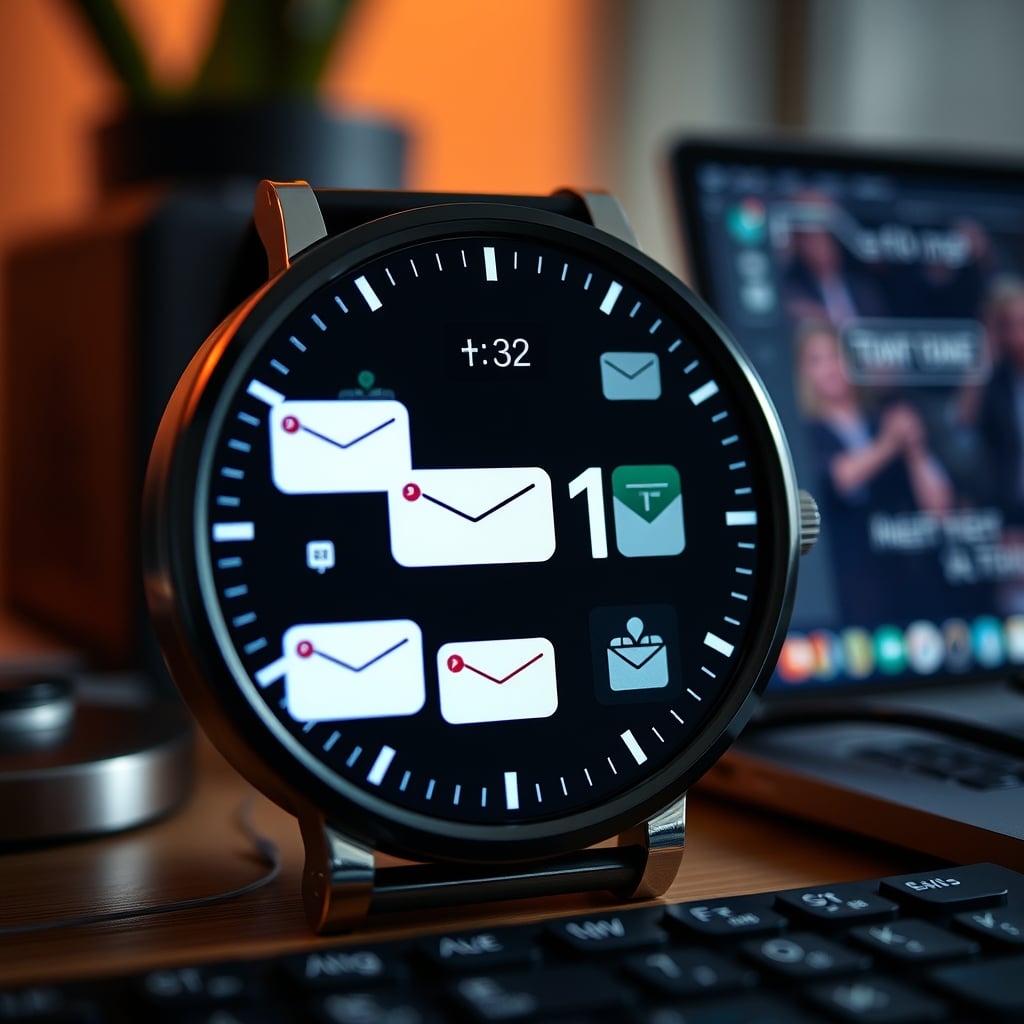
Integrating a smart clock with your calendar, email, or messaging apps is a catastrophic error for productivity. You’ve just created a second-screen notification panel that’s always in your peripheral vision. The promise is ‘gentle, glanceable updates’. The reality is constant, low-level anxiety. Every glance is a micro-interruption, a cognitive context switch. Studies on attention residue are clear: even tiny breaks degrade performance on your primary task.
In common setups, users consistently report this as the feature they disable first. The clock becomes a tattletale for your digital leash. Seeing ‘3 new emails’ isn’t helpful; it’s a pull to react, not to focus. This is a known issue for long-term use. If you need a time block manager, use a physical timer or a software app that hides when not in use. A glowing, persistent notification hub is antithetical to concentrated work.
Audio Integration: The Worst Feature For A Focused Desk
Many of these clocks pack Bluetooth speakers or smart assistant integration. This is not worth it. For desk audio, you want one of two things: high-quality speakers for immersion, or absolute silence. A small, mono Bluetooth speaker baked into a clock offers middling, distracting sound. It encourages you to play background music from a low-quality source, which can actually hinder cognitive performance compared to proper ambient silence or high-fidelity sound.
And if you integrate Alexa or Google Assistant, you’ve officially nuked any hope of a focus zone. Voice assistants are query machines—they invite you to ask questions, set reminders, check sports scores. Every interaction is a departure from your work. This doesn’t work for deep thinking. It works for a kitchen, not a desk. For a detailed breakdown on why smart audio is a focus killer, see our investigation into smart speaker audio quality lies.
What Actually Works: The Brutal Simplicity Of A Dumb Clock
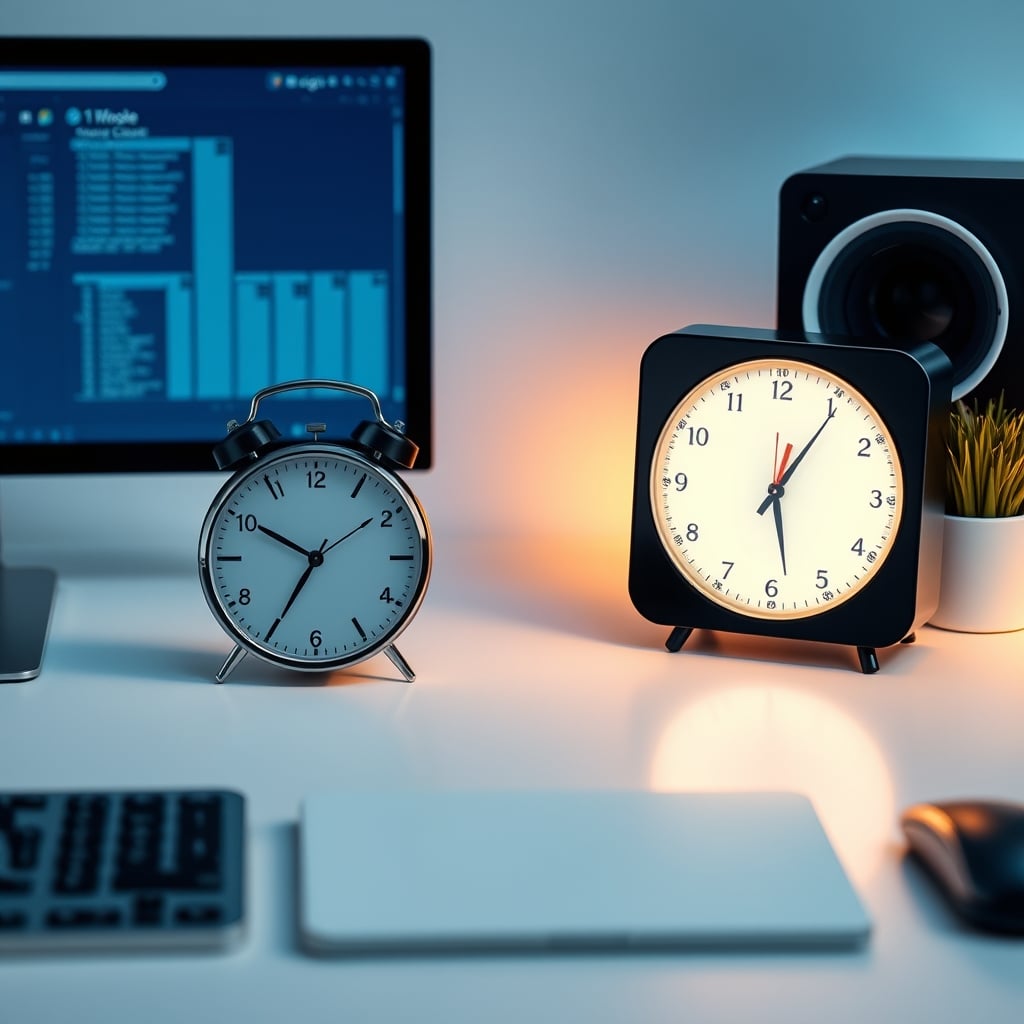
After this experiment, I replaced the smart clock with a $30 analog battery-powered clock with a silent sweep second hand. The result was immediate and profound. Time was just time—a passive reference, not an interactive portal. My desk felt quieter. My attention stayed locked. This is the real solution.
A tool for smart clock productivity shouldn’t be smart. It should be simple, silent, and unobtrusive. The goal is to know the time without engaging with a device. An analog clock, a basic digital clock without connectivity, or even just your computer’s hidden system clock does this perfectly. The fewer features, the better. This aligns with the principles of a true focus desk layout, where every item must justify its presence by aiding work, not offering escape.
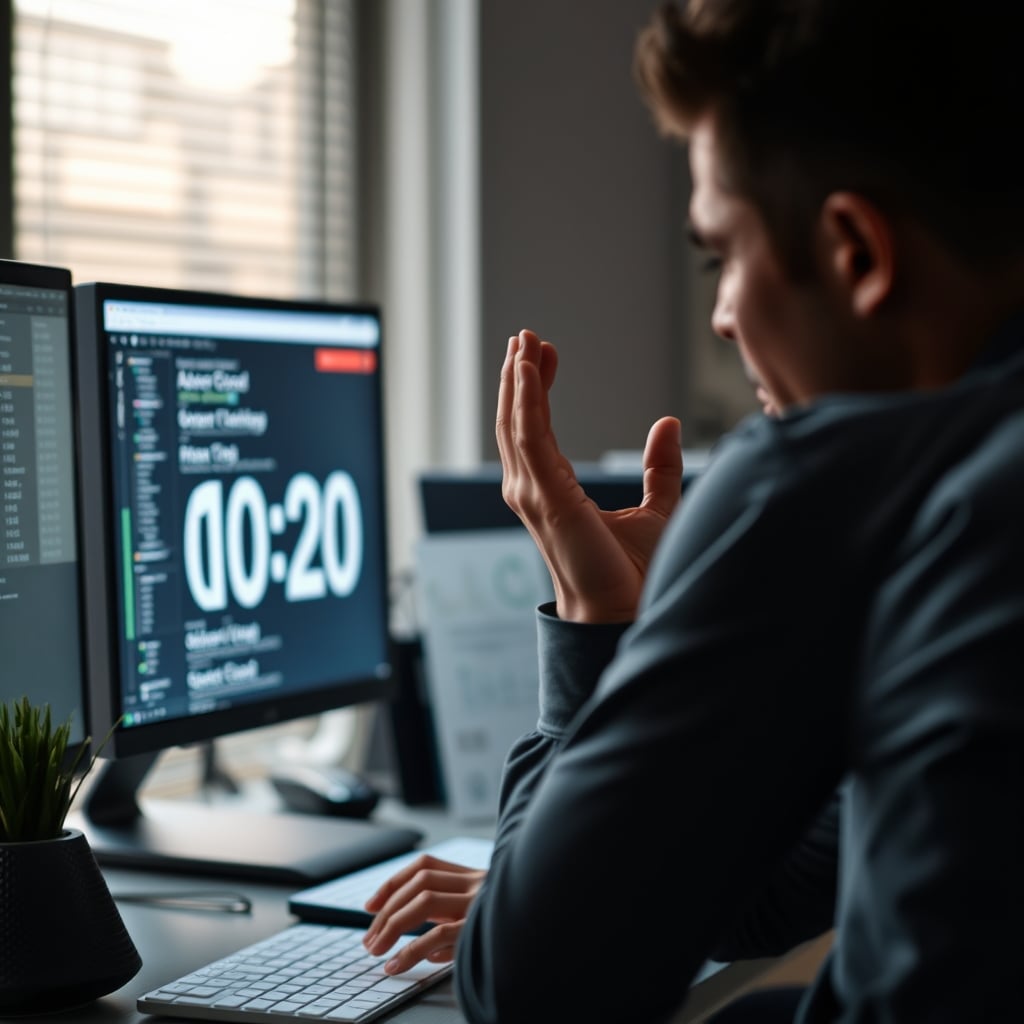
If You Must Buy One: The Single Use Case That Makes Sense
There’s one scenario where a smart clock isn’t a total waste: as a dedicated, separated morning ritual device. Place it in your bedroom, not your office. Use its sunrise alarm and maybe a morning news briefing away from your workspace. Then leave it behind when you enter your focus zone. This compartmentalizes its ‘assistant’ functions away from your ‘deep work’ environment. Even then, most of its features are overrated.
If you go this route, you need a model that can be truly silenced and darkened during the day. Something like the Amazon Echo Spot (newest model) works because its core strength is as a compact Alexa interface for a nightstand or kitchen, not a desk. Its screen is small enough to not be a visual lure. But you must be militant about not letting it migrate to your desk. The desk is a monastery; assistants live in the courtyard.
The Final Verdict: Skip It
Smart clocks for productivity are a category built on a misunderstanding of focus. They are connectivity devices dressed in minimalist clothing. In real use, they fail to deliver on their core promise and instead introduce new vectors of distraction. The constant glow, the potential for alerts, the temptation to interact—all of these degrade concentration.
Widespread user feedback confirms the pattern: initial hype, followed by feature disablement, culminating in regret. You’re better off with a dumb clock, a proper bias light for your monitor, and a disciplined approach to notification management on your primary devices. Your money and your attention are better spent on tools that truly gate distractions, like focus software or physical environment tweaks.
The smart clock productivity trend is overrated. It’s a scam. Skip it.
Frequently Asked Questions
Can a smart clock actually improve focus?
No. The design principles of a smart clock—constant information display, notification integration, and interactive features—are inherently distracting. They increase cognitive load and invite micro-interruptions, which are proven to degrade deep focus.
What's the best alternative to a smart clock for a productivity desk?
A simple, non-connected analog or basic digital clock. The goal is passive time reference without engagement. For lighting, a dedicated monitor light bar calibrated to your screen's color temperature is far more effective than a smart clock's ambient glow.
Are sunrise alarms on smart clocks worth it?
The sunrise alarm feature itself can be beneficial for waking, but it's overrated as a premium feature. A standard plug-in lamp on a smart plug timer can replicate this for a fraction of the cost. The value of a smart clock doesn't justify its price for this single function.
Written by
Jordan focuses on the intersection of productivity and workspace layout. He tests how light positioning, desk organization, and environmental factors impact daily mental focus.
2 Comments
Share your thoughts with the community
I've seen a lot of conflicting opinions on smart clock productivity — this breaks it down better than most.
I've gone through three different solutions for smart clock productivity in two years. Should've read something like this first.
Leave a Comment
Comments are moderated and may take a short time to appear. Links are not permitted.