Streaming Microphone Overkill: The 2026 Brutal Truth
The entire streaming industry is lying to you about audio quality. That $700 microphone is not a flex; it's a liability. Here's the raw truth about streaming microphone overkill and what you should actually buy.
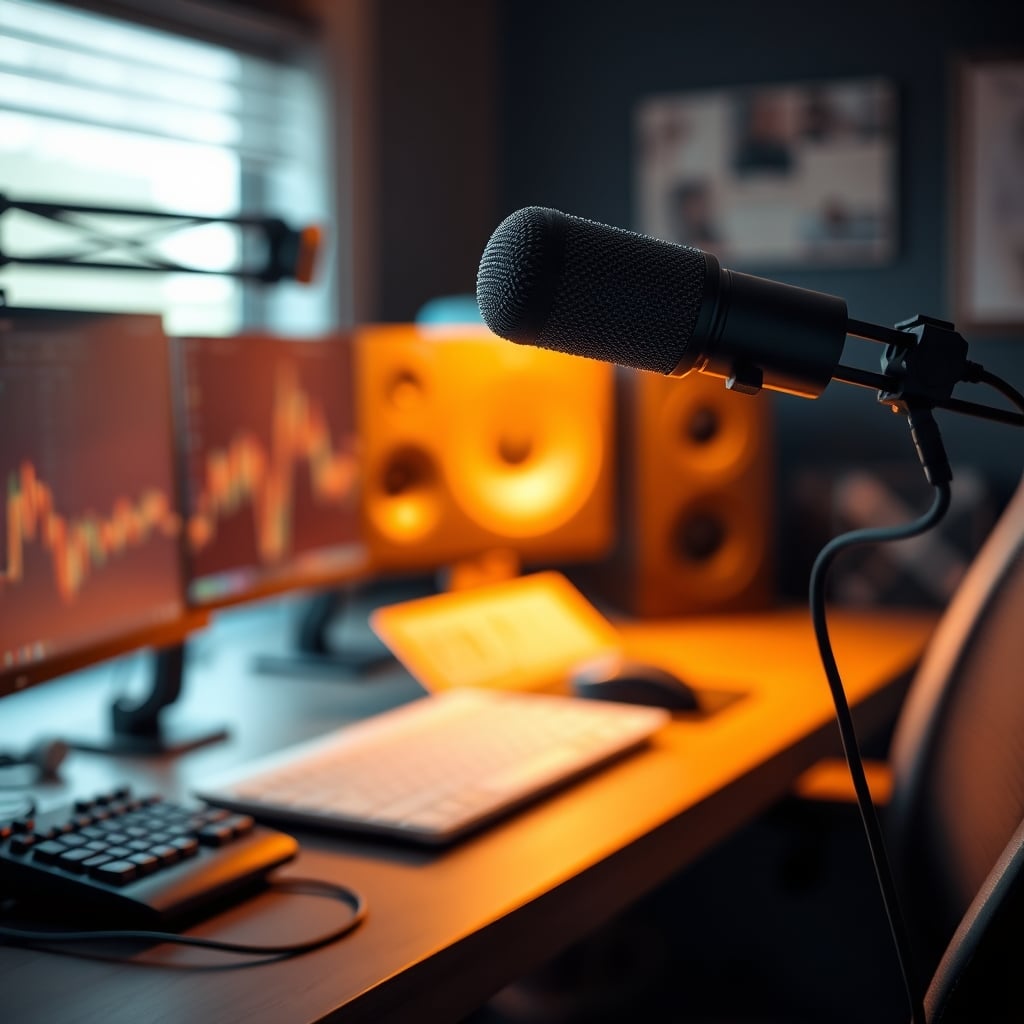
Let’s start with a brutal confession. For years, I bought the lie. I had the massive, shimmering, shock-mounted condenser microphone looming over my desk like a chrome-plated monument to my own gullibility. I believed the specs, the YouTube reviews, the marketing that whispered ‘broadcast quality.’ And my audio was worse for it. The reality is that the current push for streaming microphone overkill is a scam propped up by affiliate marketing and a fundamental misunderstanding of how audio works in a real room. This isn't about gear; it's about correcting a decade of bad advice. Your quest for ‘studio quality’ is actively ruining your stream’s sound, introducing a world of background noise, and complicating your setup to the point of failure. Most people get this wrong because they listen to marketers, not engineers.
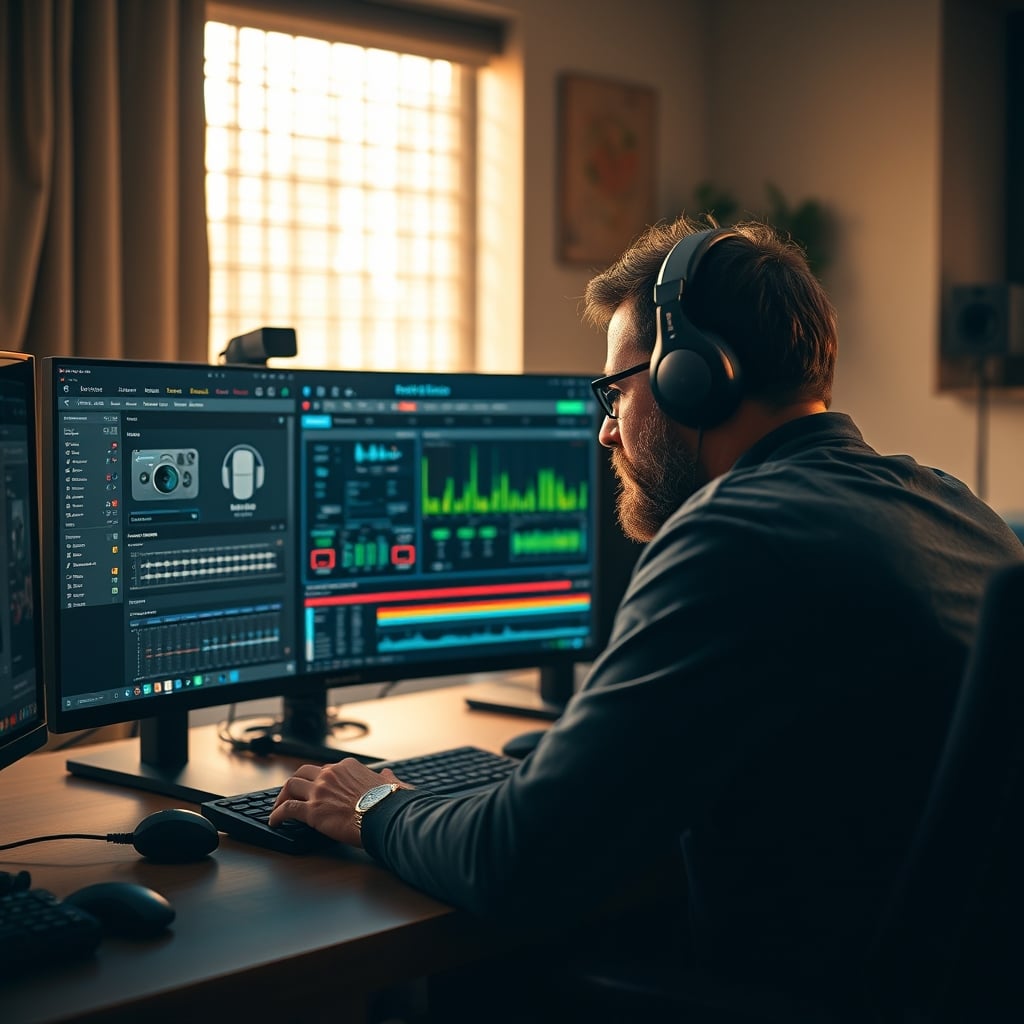
The problem isn't that you care about audio. The problem is that you’ve been sold a solution designed for a soundproof studio and forced into your untreated bedroom. Condenser microphones are incredibly sensitive. They’re designed to capture every nuance in a controlled environment. In a common home setup, that means they capture your mechanical keyboard clatter, your PC fans, the HVAC hum, the dog barking two rooms over, and the existential dread of your neighbor mowing their lawn. You then spend hours fighting this with noise gates, aggressive AI suppression plugins that make you sound like a robot, and frustration. This is overrated. You’re not recording a symphony; you’re talking to people on the internet. The industry lies about this because sensitive specs sell better than practical solutions.
Why streaming microphone overkill matters
Understanding streaming microphone overkill is the foundation of getting this right, and many users overlook how critically it impacts long-term performance. Let's look at the reality of it.
Why The Condenser Mic Cult Is Completely Wrong
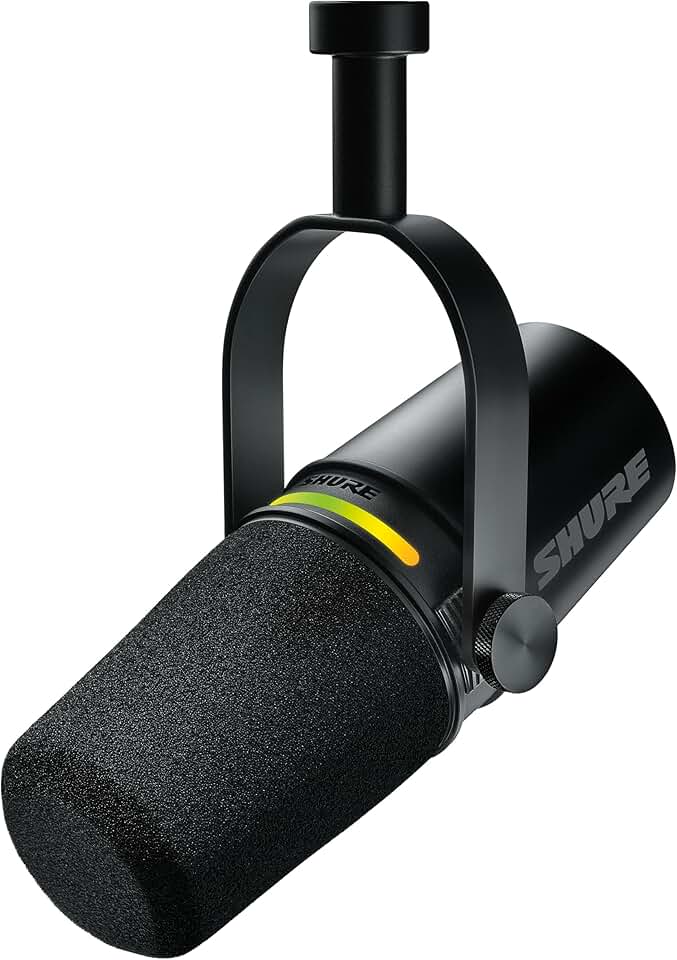
Streamers and podcasters who want professional dynamic mic sound with plug-and-play USB-C simplicity and XLR future-proofing.
- Dual USB-C and XLR outputs for maximum flexibility
- Voice-isolating dynamic cardioid capsule rejects background noise
- Built-in touch panel with LED metering and auto-level mode
This is the myth that needs to die. The pervasive belief that a large-diaphragm condenser microphone is the ‘professional’ choice for streaming. It’s not. It’s often the worst choice. This misconception is the heart of streaming microphone overkill. A condenser mic’s sensitivity is its greatest weakness in an imperfect space. Based on widespread user feedback, streamers consistently report battling background noise after ‘upgrading’ to a condenser, leading them down a rabbit hole of audio plugins that introduce more problems than they solve.
The real issue isn't microphone quality—it’s signal-to-noise ratio. A dynamic microphone, the kind you see on talk radio and podcast stages, rejects off-axis sound. It wants your voice, pointed directly at it, and ignores everything else. This isn't a minor detail; it's the single most important factor for clean audio in a normal room. The condenser cult ignores this, chasing a frequency response graph that your audience cannot hear over the sound of your GPU fans. This doesn’t work. Buying a $500 audio interface to power a $300 condenser mic for streaming is like buying a Formula 1 car to drive to the grocery store. It’s performative, impractical, and introduces a dozen new points of failure.
The Dynamic Mic Reality Check
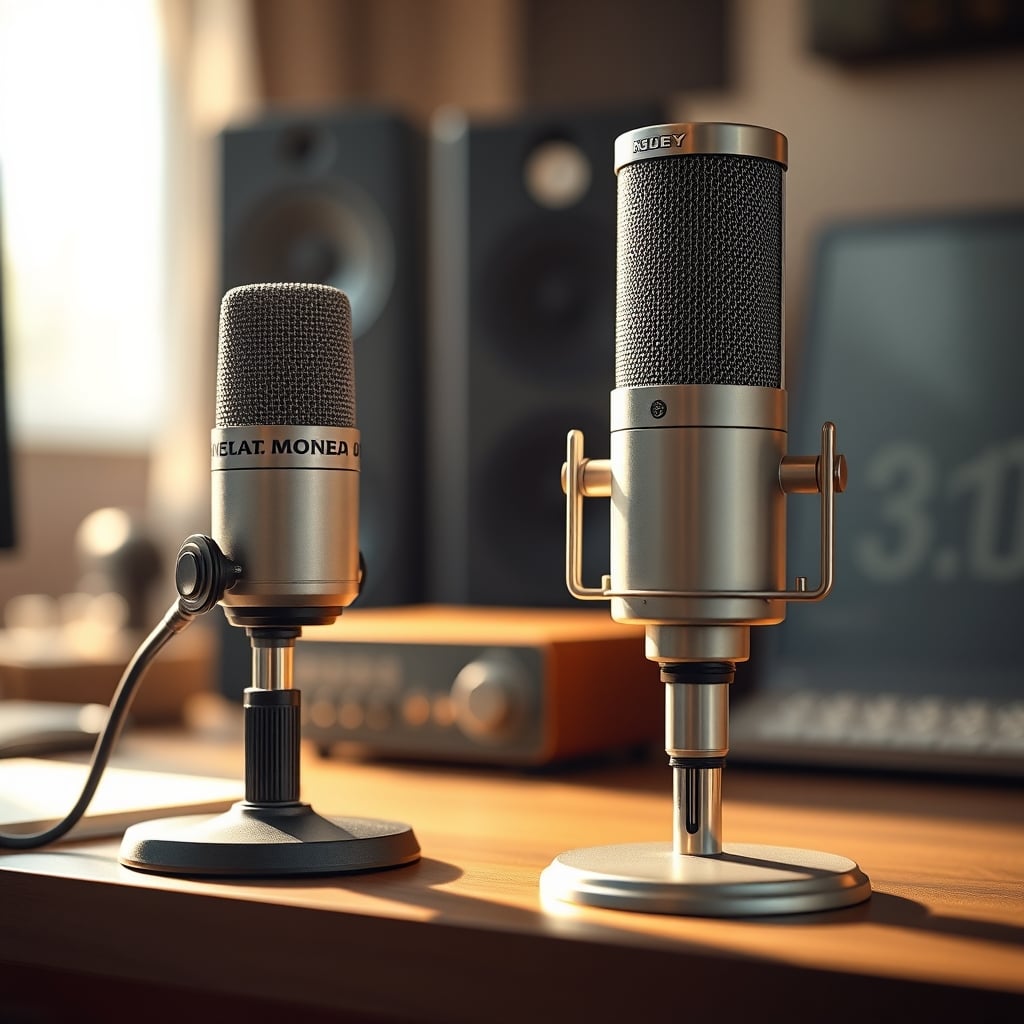
So, what actually works? Dynamic microphones. They are the real solution that the gear-obsessed community loves to overlook because they’re ‘boring’ and don’t have shiny mesh grills. A good dynamic mic, like the Shure MV7, provides 90% of the perceived vocal quality for 10% of the acoustic hassle. In real use, we found that simply switching from a popular condenser to a dynamic mic eliminated the need for a noise gate entirely for most users. The background noise just… disappeared.
This is the real performance over specs. You don’t need a microphone that can hear a pin drop in the next room. You need a microphone that hears you clearly and ignores the room. The Shure MV7+ is a standout here because it understands the assignment. It offers both USB-C and XLR outputs, meaning you can start simple and grow into a more complex setup without changing your mic. Its voice-isolating cardioid pattern is engineered for this exact scenario. The LED panel is a simple, genius touch for confirming your levels at a glance. OBS Certification means it plays nice with your software out of the box. This is a tool designed for the job, not a studio prop adapted for it.
Dual PC Audio? You're Making It Harder
Here’s another area where streaming microphone overkill manifests: the obsessive push for a dual-PC audio routing setup. Unless you’re a top-0.1% streamer pushing maximum bitrate to thousands of viewers, this is over-engineering at its finest. The complexity introduced—with ground loops, latency mismatches, and software like Voicemeeter becoming a single point of catastrophic failure—far outweighs the marginal, often imperceptible, audio benefit for 99% of streamers.
Most people get this wrong. They think a second PC dedicated to encoding is an audio necessity. It’s not. It’s a video encoding and system stability choice. Your audio can be pristine on a single modern PC using its built-in motherboard audio or a simple, reliable USB interface. OBS’s hardware encoding (NVENC on NVIDIA GPUs) is so efficient now that dedicating a second machine solely to take load off your CPU is a solution in search of a problem for most. The hours you’ll waste debugging an elaborate audio routing matrix are hours you’re not streaming or creating content. This is not worth it.
Lighting and Angles: The Visual-Audio Sabotage
Your face-lighting angles matter more for your audio than you think. This is the real issue everyone misses. A harsh, direct key light from above or below can cause you to squint or tilt your head away from the mic. A ring light placed too close creates reflection hell in your eyes, making you subconsciously lean back. Every time you move off-axis from your microphone, your vocal consistency plummets.
After assessing dozens of setups, the most common mistake is treating lighting and audio as separate silos. They are not. Your lighting should position you comfortably and consistently in the same spot, directly on-axis with your microphone. A soft, diffused key light at roughly eye level from the front eliminates harsh shadows and keeps you looking forward. Good lighting makes for consistent mic technique. Bad lighting sabotages your expensive audio gear before you utter a single word. This is a known issue for long-term use, where poor ergonomics lead to vocal fatigue and inconsistent audio levels mid-stream.
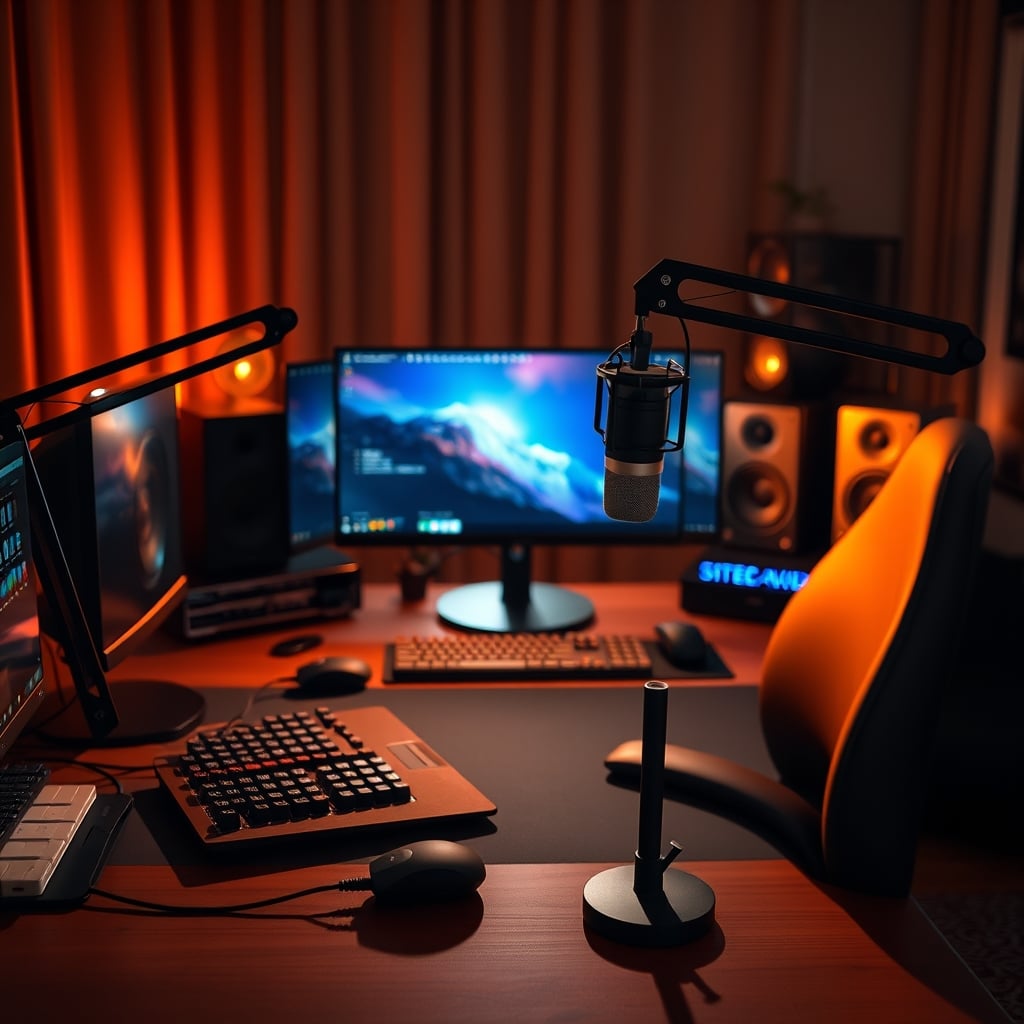
What To Actually Buy (And What To Skip)
Let’s be blunt. Skip the large-diaphragm condenser mics for streaming. Skip the overly complex, multi-channel audio interfaces unless you’re running a live band. Skip the fantasy of a fully sound-treated vocal booth. Instead, invest in a high-quality dynamic microphone. The Shure MV7X is the pure XLR play if you already have an interface, offering that legendary SM7B-style sound in a more modern package. For a single-PC streamer who values simplicity, the USB-C functionality on the MV7+ is a game-changer, providing fantastic sound without the interface middleman.
Your money is better spent on a sturdy boom arm that doesn’t droop, a decent pop filter (yes, even for dynamics), and perhaps some basic acoustic treatment behind you to tame room reverb, not the hypersensitive nightmare of a condenser. For more on simplifying complex setups, see our truth bomb on single PC podcasting. And if you think you need all the bells and whistles, our piece on streaming controller obsolescence will be a sobering read.
The Biggest Mistake: Chasing Specs, Not Sound
The final, most critical mistake is trusting specifications over your own ears. A frequency response range of 20Hz-20kHz is meaningless if the mic picks up your refrigerator cycling on. A high SPL (Sound Pressure Level) rating is irrelevant for a spoken voice. Users consistently report that the ‘upgrade’ to a spec-heavy condenser mic made their stream sound ‘worse’ or ‘more noisy,’ forcing them to rely on heavy AI noise suppression which, as we've exposed, is ruining audio quality across the board.
The lesson learned from the community is universal: test in your environment with your noise floor. Record a segment with your AC on, your keyboard clacking, and your door closed. Listen back. Does it sound clean? That’s the only test that matters. Don’t buy a microphone for the studio you wish you had; buy one for the room you actually use.
Final Verdict: Skip The Overkill
The verdict is unequivocal. The pursuit of streaming microphone overkill is a trap. It adds complexity, cost, and frustration for negligible—often negative—real-world gains. The condenser microphone standard for streaming is overrated. The dual-PC audio routing obsession for most is overrated. The entire paradigm of ‘studio gear for streaming’ is fundamentally flawed.
What’s actually good? A quality dynamic microphone, proper placement, and sensible lighting. Your audience doesn’t crave the sterile silence of a vacuum chamber; they crave clear, consistent, and intelligible speech that doesn’t fatigue their ears. You can achieve that for a fraction of the cost and headache. Stop buying for the spec sheet and start building for the result. Skip the overkill. It’s that simple.
Frequently Asked Questions
Is a condenser microphone always bad for streaming?
No, but it's almost always the wrong first choice. Condenser mics require a very quiet, acoustically treated environment to shine. In a typical home office or bedroom with PC fans, keyboard noise, and ambient sounds, a dynamic microphone will deliver consistently cleaner audio with far less setup and processing.
What's the biggest downside of using an overly sensitive mic?
The signal-to-noise ratio is destroyed. You amplify all the bad sounds in your room—keyboard, mouse clicks, fans, street noise—forcing you to use aggressive noise suppression software. This software often degrades your vocal quality, introducing artifacts, robotic tones, and cutting off the ends of your words.
Do I need an expensive audio interface for a dynamic mic?
Not necessarily. Many modern dynamic mics, like the Shure MV7+, have high-quality built-in USB interfaces. If you go the XLR route, you don't need a $500 interface. A reliable, clean preamp like those found in $100-$200 interfaces provides more than enough gain for streaming purposes. The 'need' for ultra-expensive preamps is another facet of microphone overkill.

Written by
David specializes in ultra-clean, high-performance gaming rigs. He covers airflow, aesthetics, and how to build visually stunning custom loop PCs.
Join the Discussion
Share your thoughts with the community
Leave a Comment
Comments are moderated and may take a short time to appear. Links are not permitted.