Dynamic Mic Streaming Guide
Forget everything you've heard about studio condenser mics. For real-world streaming, they’re the wrong tool for the job. Dynamic mic streaming cuts through the marketing hype to deliver what actually works: clarity without the chaos of your room.
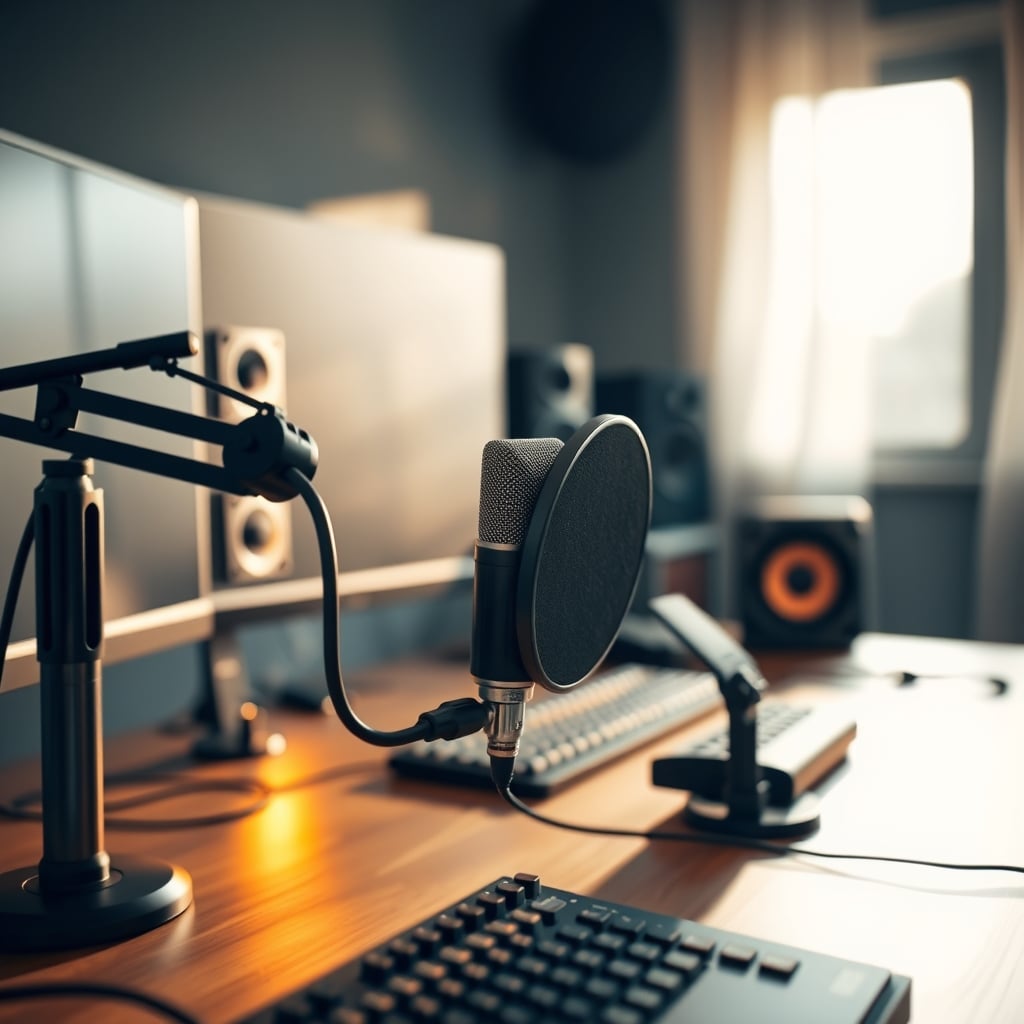
The single biggest mistake streamers make is believing the myth of the 'studio quality' condenser microphone. You see it on every top streamer's desk—a giant, sensitive mic pointed at their face. You drop $300, hook it up, and suddenly your stream sounds like a bathroom. Every keyboard clack, AC hum, and dog bark is broadcast in crystal-clear, embarrassing detail. This is marketing poison, and I'm here to call it out. Dynamic mic streaming isn't the budget alternative; it's the professional choice the industry doesn't want you to understand.
Dynamic microphones work on a simpler, more robust principle: a moving coil in a magnetic field. This isn't a downgrade in technology; it's a strategic advantage. The key is proximity effect and superior off-axis rejection. Put simply, a dynamic mic wants the sound source—your voice—to be very close, and it aggressively ignores sounds coming from the sides and rear.
This is the real issue most setups face. Your gaming chair squeaks. Your mechanical keyboard is loud. Your roommate is watching TV. A condenser mic will pick all of that up and bake it into your audio track, forcing you to use aggressive noise gates and filters that butcher your voice. A dynamic mic, by design, ignores most of it from the start. You get a cleaner source signal, which means less processing, less CPU load on your streaming PC, and a more natural-sounding result. This is the real performance metric that matters, not some theoretical frequency response chart.
The Shure SM7B Myth That Needs To Die
Now, let's attack another overhyped trend. The moment you research dynamic mics, you'll be told you need a Shure SM7B with a Cloudlifter. This is not worth it for the average streamer. The SM7B is a fantastic broadcast mic, but it has a notoriously low output that requires a ton of clean gain from your audio interface. Enter the 'Cloudlifter tax'—an extra $150 box to make your $400 mic work properly.
This is a classic case of industry groupthink. Users consistently report going down this rabbit hole only to find their audio is marginally better than a $100 dynamic mic, but with quadruple the cost and complexity. For streaming, where your audio is compressed by Twitch or YouTube's codecs anyway, chasing that last 5% of 'warmth' is a fool's errand. You're wasting money on prestige, not performance. There are dynamic mics on the market today that offer 95% of the SM7B's sound for a fraction of the price and without the gain headaches.
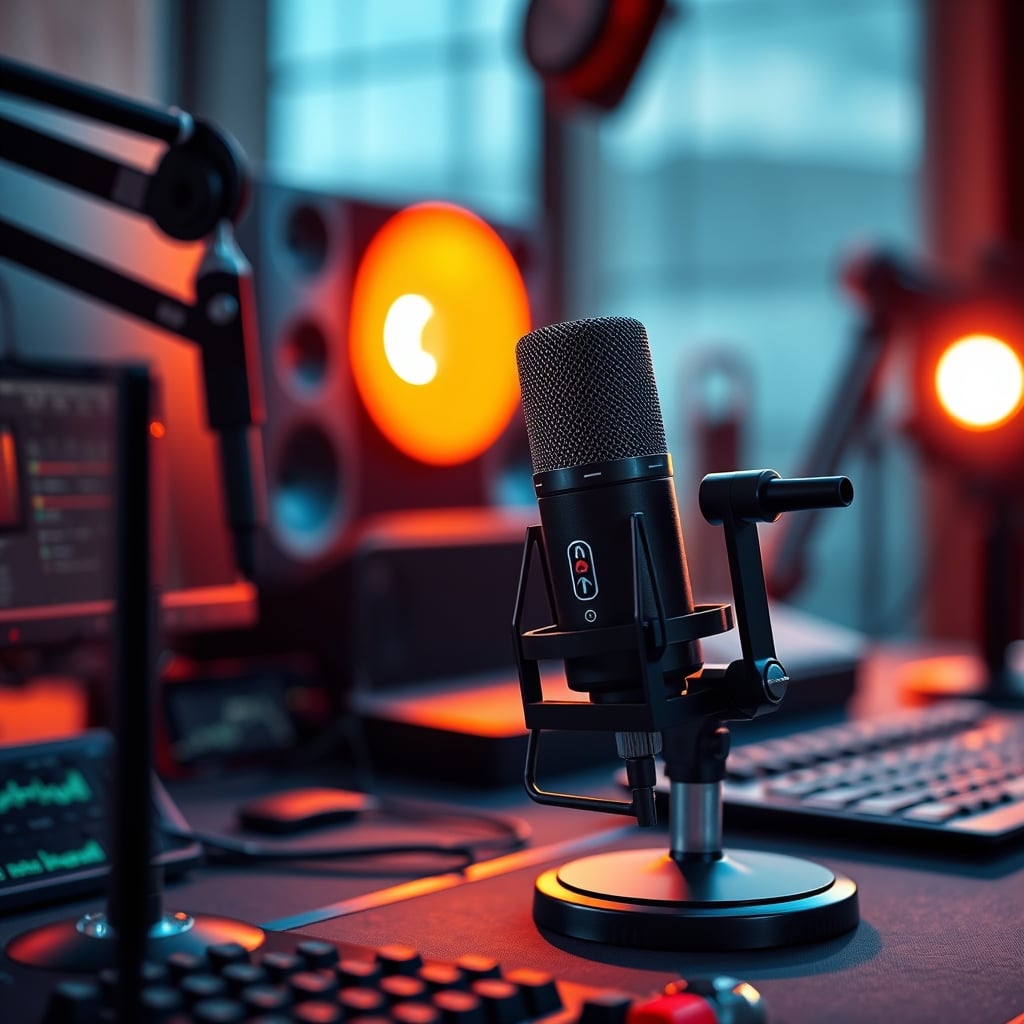
What To Actually Look For In A Streaming Dynamic Mic
Forget specs like "20Hz-20kHz response." Here’s what actually matters in real use:
Built-in Preamp/Settings: If a mic has a built-in gain boost, headphone output, or tone switches (like a bass roll-off), it's gold. This eliminates the need for extra gear and lets you dial your sound in before it hits OBS. The MAONO PD200W gets this right with its hybrid USB/XLR design and software suite.
Physical Form Factor: It needs to work with a boom arm. A heavy mic might require a sturdier arm. A standard-sized body (like the classic Shure SM58 shape) is compatible with every shock mount and pop filter on the planet. The awkward, proprietary shapes some brands use are a long-term pain.
USB/XLR Hybrid Capability: This is non-negotiable for future-proofing. Start with USB for simplicity, but the XLR output is your path to a professional audio interface and mixer down the line. A mic like the FIFINE K688B offers this flexibility from the start, preventing a total gear replacement later.
Off-Axis Rejection, Not Just On-Axis Tone: Read reviews specifically about background noise. Does the mic still hear the keyboard if it's 30 degrees off-axis? In common setups, this is what separates a usable stream from an amateur one.
Gear Deep Dive: The Dynamic Mics That Don't Suck
Let's talk real products, stripped of hype.
The Smart Hybrid Pick: MAONO PD200W This mic understands the assignment. It’s a dynamic mic with both USB-C and XLR outputs, meaning you can start simple and upgrade your chain later without buying a new microphone—a common and expensive mistake. It includes basic software for compression and EQ, which is far more useful than the RGB lighting others tout. The built-in headphone jack for zero-latency monitoring is a killer feature most in this price range omit. In real use, its noise rejection is excellent for a hybrid mic, effectively ignoring fan noise from a desktop PC.
The Budget Workhorse: FIFINE K688B (USB/XLR Dynamic Mic Kit) This is where the value is staggering. For around $55, you get a dynamically-cardioid microphone, a shock mount, a pop filter, and a boom arm. That’s the entire physical package. The mic itself is surprisingly competent, with a clear mid-range that cuts through game audio. Is it an SM7B? No. But for someone starting out or streaming in a noisy environment, it solves 100% of the background noise problems a condenser causes for 15% of the price. Users consistently report it as a "set it and forget it" solution that just works with OBS hardware encoding without taxing the system.
Routing & Processing: Keep It Simple, Stupid
Here’s where most people add complexity that destroys their audio. You don’t need a virtual audio cable spider-web for a single microphone. On a single PC, route your mic directly into OBS as its own source. On a dual-PC setup, use an audio interface with a hardware loopback or a simple, reliable hardware mixer like a GoXLR Mini to send a clean mic feed to your streaming PC. Software mixers like Voicemeeter are powerful but, in widespread user feedback, are a common point of failure and audio glitches during critical streams.
Lighting matters for your audio more than you think. A well-lit face from a 45-degree key light angle means you can keep the mic slightly off-camera, closer to your mouth, without casting a shadow. This optimal positioning is impossible if you’re relying on a dim ring light. Check our guide on Streaming Key Light Alternatives Your Favorite Streamer Is Lying About to get this right.
Three Critical Mistakes Dynamic Mic Streamers Still Make
- Placing the mic too far away. The magic of the dynamic mic is proximity. It should be 2-4 inches from your mouth, almost touching your lips. If it’s a foot away, you lose all the noise rejection and the rich low-end from the proximity effect. You’ll crank the gain and bring the noise back in.
- Skipping the shock mount. Every desk bump travels up the boom arm. A $20 shock mount isolates the mic physically. This is more effective at removing low-frequency thuds than any software filter.
- Over-processing in software. You now have a clean source. Don’t ruin it with a half-dozen OBS filters. Start with a noise suppression filter (RNNoise is fine) and a gentle compressor. That’s often all you need. Adding 15dB of gain and a hard noise gate after the fact is what creates that 'underwater robot' sound.
Remember, your audio chain is only as good as its weakest link. Before you blame the mic, read about USB Hub Bandwidth Limits Are Crippling Your Setup. A bad hub can introduce static and dropouts that no microphone can fix.
The Final Verdict: Actually Good
Dynamic mic streaming is worth it. Full stop. It’s the single most impactful audio upgrade for a streamer working in a non-studio environment. You’re not buying a piece of jewelry for your webcam frame; you’re buying a tool that actively fights against the limitations of your space. Skip the overpriced, overhyped condenser meme. Skip the SM7B+Cloudlifter cargo cult. Get a competent hybrid dynamic mic, put it close to your mouth, and spend the money you saved on proper lighting or a better camera. Your viewers' ears will thank you.
Frequently Asked Questions
Is a dynamic mic really better than a condenser for streaming?
Yes, for the vast majority of home streamers. Condenser mics are hyper-sensitive and pick up every unwanted sound in a typical room (keyboards, fans, street noise). Dynamic mics are less sensitive by design, focusing on your voice directly in front of them and rejecting background noise, resulting in a cleaner, more professional stream with less software processing needed.
Do I need a Cloudlifter or Fethead with a dynamic mic?
Most modern dynamic mics do not need one, and this is an overrated piece of advice parroted from the Shure SM7B. Many contemporary dynamics have higher output or include built-in preamps. Only consider one if your mic's output is unusually low and your audio interface can't provide enough clean gain without audible hiss.
What's the advantage of a USB/XLR hybrid dynamic mic?
Future-proofing and flexibility. You can start with simple USB plug-and-play, then later connect it via XLR to a professional audio interface or mixer for more control and better preamps without buying a whole new microphone. It's the smart choice for a growing streamer.
How close should my dynamic mic be to my mouth?
Very close. Ideally 2-4 inches (5-10 cm). This proximity is critical. It maximizes the mic's natural noise rejection and gives you the full, rich 'proximity effect' (enhanced bass response) that makes broadcast voices sound warm and authoritative.
Can I use a dynamic mic with a cheap audio interface?
Usually, yes. The myth that you need a high-gain interface is overblown. Most modern dynamics work fine with entry-level interfaces. Test it first. If you have to crank the gain to 90% and hear hiss, then look at a mic with a built-in preamp or a better interface, not necessarily a Cloudlifter.
Written by
GlowRig Editorial researches and writes practical guides about desk setups and home office gear. Our articles are produced with the help of AI research tools and are reviewed for accuracy against manufacturer specifications and public user feedback. We may earn a commission from affiliate links, which never affects our recommendations.
Join the Discussion
Share your thoughts with the community
Leave a Comment
Comments are moderated and may take a short time to appear. Links are not permitted.