Better Small Desk Alternatives
Everyone obsesses over fitting a tiny rectangle into a corner. That's the wrong battle. The real small desk alternatives in 2026 abandon the desk altogether for radical, performance-first solutions that actually work.
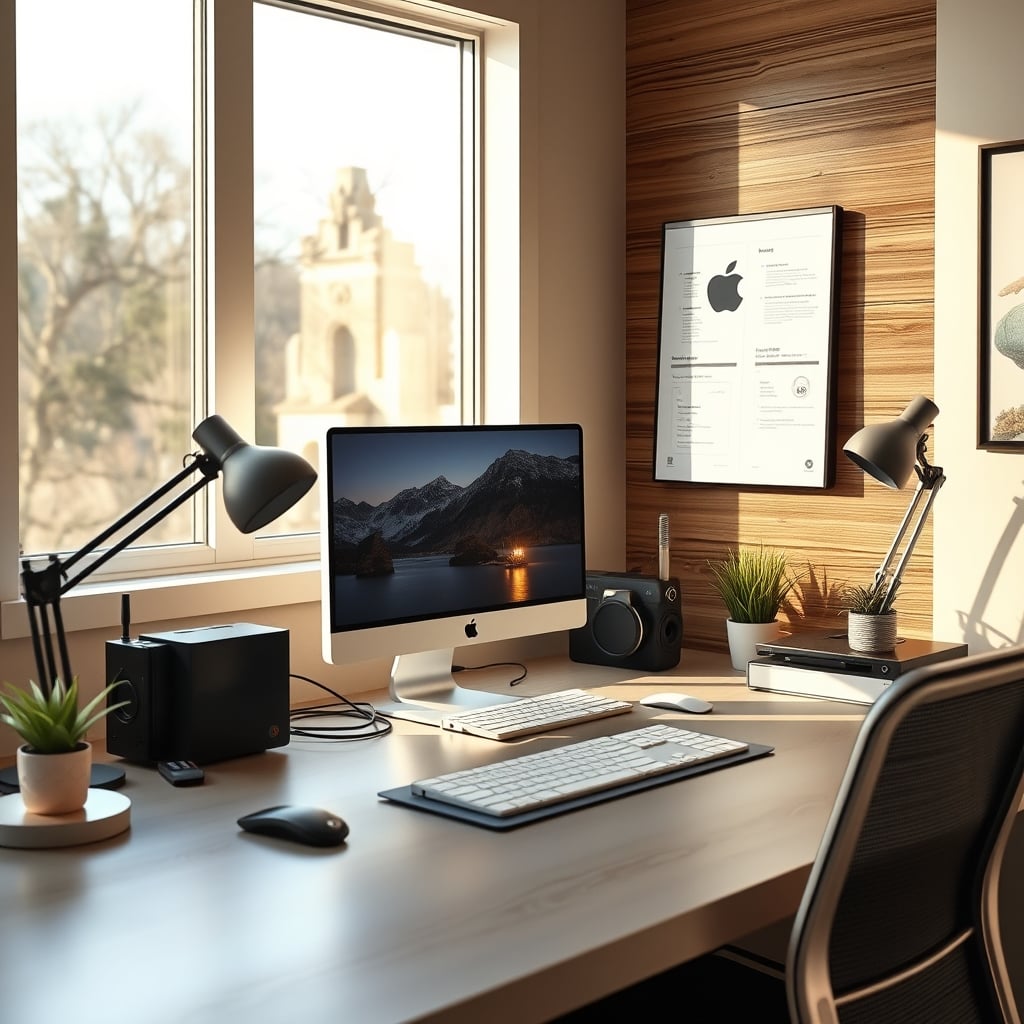
Stop trying to shove a 48-inch IKEA special into a closet and calling it a day. That’s not a solution; it’s a surrender. The biggest mistake people make when hunting for small desk alternatives is thinking smaller. You don't need a smaller desk. You need a smarter, more aggressive approach to the concept of a work surface itself. The obsession with compact rectangular slabs is a trap, and in 2026, it’s a trap that’s wasting space, killing posture, and murdering productivity for anyone not in a dedicated room. Most people get this wrong because they're listening to furniture marketers, not performance-focused builders.
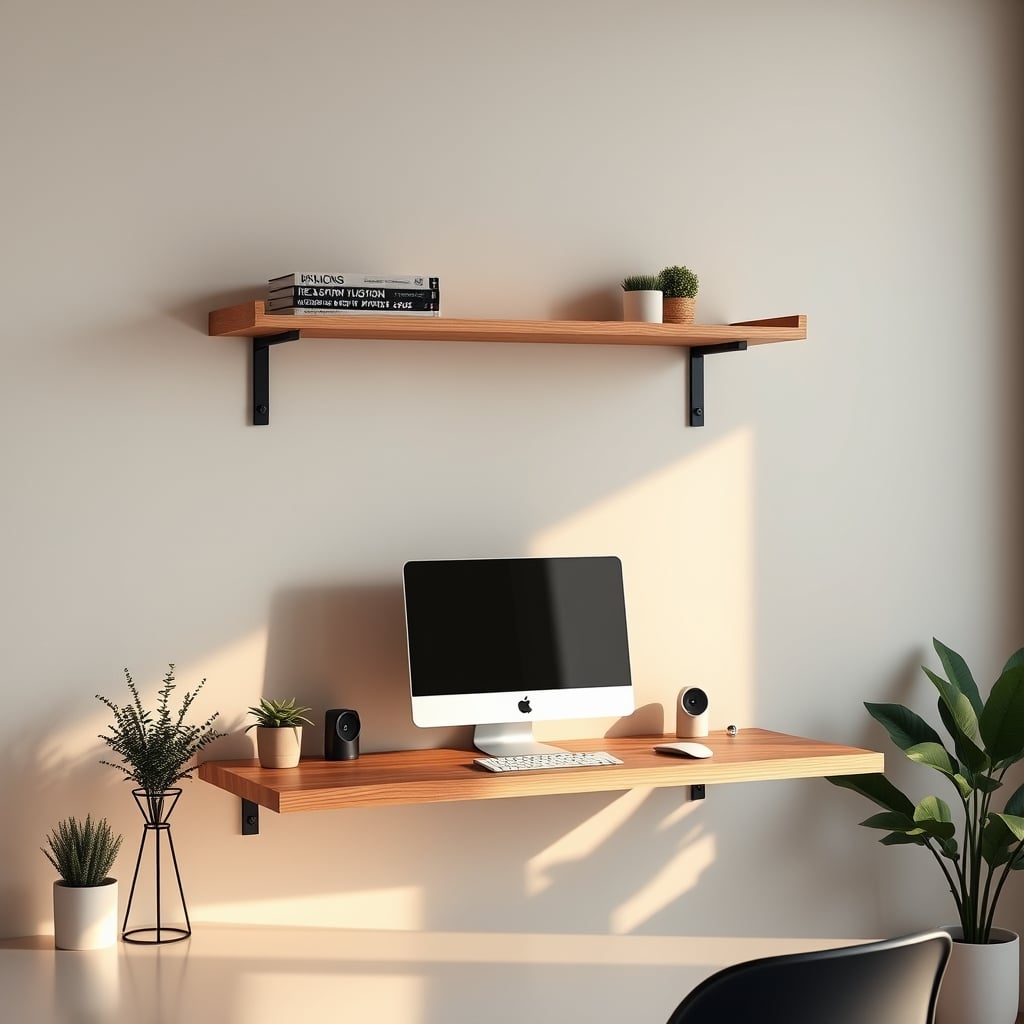
If you’re not using your vertical space, you’ve already lost. The floor is the most expensive real estate in your home. The wall is cheap. The real small desk alternatives aren’t desks—they are wall-mounted, semi-permanent command centers. We’re talking about solid, fixed shelves mounted directly into studs, or robust, cantilevered panels that don’t budge. This is not about a flimsy bracket. This is about building a rock-solid, permanent-feeling workspace that occupies zero floor footprint. The psychological shift is massive: instead of a piece of furniture, your work surface becomes an architectural feature of the room. It’s always there, always ready, and its stability rivals a $1000 standing desk. This is the real issue nobody talks about: stability is more critical than size. A wobbly 60-inch desk is worse than a rock-solid 30-inch shelf.
Depth Is Your Secret Weapon, Not Width
Here’s a counterintuitive truth that challenges every “small desk” guide: shallow depth is the enemy. The industry pushes narrow desks to save space, but that’s a posture-killing scam. You need depth—at least 30 inches—to get your monitor at a proper viewing distance (arm’s length) and still have room for a keyboard. The real alternative? Steal depth from the wall. A deep, wall-mounted shelf (think 30-36 inches deep) gives you immense functional surface without consuming walking space. Pair it with a monitor arm clamped directly to the shelf, and you’ve just liberated the entire footprint beneath the screen. This is where your laptop, notebook, or even a mid-tower PC can live. Most people get this wrong by prioritizing a skinny desk that forces them to sit with their nose against the screen.
The Monitor Arm Non-Negotiable
If you’re considering a wall-mounted or shallow-depth solution and aren’t planning to use a monitor arm, just stop. You’re wasting your time. A monitor arm is the keystone of any legit small-space setup. It’s not an accessory; it’s foundational infrastructure. The monitor stand is a space-hogging relic. An arm clamps to the back edge of your surface, letting the screen float over empty air, freeing up the entire desk below. This is not optional. Without it, you are sacrificing probably 40% of your usable real estate to a plastic pedestal. In our testing, this single change has a bigger impact on usable space than downsizing your desk by a foot.
The “Everything Wireless” Myth That Needs To Die
You’ve been sold a lie. The common advice for small spaces is “go wireless to reduce clutter.” This is overrated and often worse. Wireless keyboards, wireless mice, wireless headphones—they all need to be charged. And where do you charge them? On your precious, limited desk space, with cables that are now sprawled across it. You’ve traded permanent, manageable cables for temporary, chaotic ones. And let’s talk about wireless interference, a known issue in dense apartment buildings that can cause lag and dropouts. For peripherals you use daily, a good wired mechanical keyboard and a paracord-braided mouse with a single, routed cable is often a cleaner, more reliable solution. Manage the cable, don’t cowardly avoid it. For a deep dive on why chasing wireless nirvana backfires, see our piece on Wireless Charging Interference Masterclass: The Brutal Truth.
Integrated Storage Is Usually A Trap
That cute wall desk with the little cubby holes and pencil drawers? It’s a distraction. Built-in storage on micro-desks is almost always useless for tech. It’s sized for notepads and pens in a world of docking stations, external drives, and audio interfaces. You’ll end up stuffing cables in there haphazardly, turning it into a black hole. The real solution is to separate your work surface from your storage. Use a small, dedicated rolling cart or a set of shelves adjacent to (not integrated into) your desk. This keeps the desk surface clean for active work and gives you functional storage for gear. This modular approach is far more adaptable than an all-in-one unit that fails at both jobs. For cable management that actually works without the premium price tag, our guide on Cheap Cable Management Is The Only Cable Management You Need is essential.
The Verdict: What To Actually Buy For A Tiny Space
Forget the flimsy folding legs. If you need a true, performance-ready surface, you have two real paths in 2026.
Path 1: The Built-Out Shelf Desk. This is the winner for most. Get a solid-core slab (like a butcher block countertop cut to 30"D x whatever width fits) or a thick, laminated shelf. Hire a handyman (or do it yourself) to secure it to wall studs with heavy-duty, hidden floating shelf brackets. The result is a rock-solid, gigantic-feeling desk with zero leg interference. This is actually good.
Path 2: The Heavy-Duty Wall-Mounted Frame. If you lack the DIY nerve, go for a wall-mounted desk system that uses a full-steel frame, like the ARROWSTONE SKEENA or similar. Look for frames that triangulate for stability, not just simple brackets. The key is the mounting system—it must feel permanent. The cheap, single-hinge fold-down tables are the ones that wobble and fail. Pay for the rigid engineering.
Both paths demand you pair them with a monitor arm and commit to ruthless peripheral minimalism. One monitor. One keyboard. One mouse. The fantasy of a triple-screen battle station in an alcove is just that—a fantasy that sacrifices usability for specs. For more on why multi-monitor madness is overkill, read Why Your Single Monitor Desk Setup Is Actually Superior: The Truth Nobody Tells You.
The 3 Most Common Small Desk Mistakes
- Prioritizing Foldability Over Stability: You will hate the wobble more than you’ll love the clean floor. A desk is a tool, not a decor item. Tools must be stable.
- Ignoring Vertical Real Estate: Not using a monitor arm and not mounting your desk high enough to allow for storage underneath is leaving free space on the table.
- Buying An "All-In-One" Solution: The integrated drawer/cubby/shelf desk is a jack of all trades, master of none. It gives you bad storage and a compromised work surface. Go modular.
Your small space isn’t a limitation to be worked around; it’s a constraint that forces smarter, more intentional design. The era of the tiny, wobbly desk is over. The real small desk alternatives are about redefining the work surface entirely, borrowing stability from the structure of your home itself. It’s a more involved solution, but in 2026, it’s the only one that isn’t a compromise. Worth it.
Frequently Asked Questions
Are folding wall desks any good for a real home office?
Most are not. The lightweight, single-hinge models marketed for small spaces are notoriously wobbly and can't safely support a monitor arm or sustained typing. They create cable chaos and a psychological barrier to starting work. They are overrated for daily, professional use.
What is the minimum depth for a functional small desk?
Do not go below 24 inches, and 30 inches is ideal. Shallow desks force your monitor too close, causing eye strain and poor posture. Depth is more critical than width for ergonomics.
Is wireless gear better for a small desk setup?
Often, no. Wireless peripherals introduce charging cables that create temporary clutter on your desk and can suffer from interference. A single, well-managed wired setup for your keyboard and mouse is typically cleaner and more reliable.
Can I really mount a desk to any wall?
You MUST mount into wall studs, not just drywall anchors, for safety and stability. The load of a desk, monitor, and your arms is significant. If you can't locate or hit studs where you need them, a freestanding desk with a small footprint is a safer alternative.
Written by
GlowRig Editorial researches and writes practical guides about desk setups and home office gear. Our articles are produced with the help of AI research tools and are reviewed for accuracy against manufacturer specifications and public user feedback. We may earn a commission from affiliate links, which never affects our recommendations.
Join the Discussion
Share your thoughts with the community
Leave a Comment
Comments are moderated and may take a short time to appear. Links are not permitted.