Biofeedback Productivity Tools
Your brain is not a machine you can optimize with a blinking headband. The entire biofeedback productivity tools industry is built on a foundation of misinterpreted data and wishful thinking. Here's what actually moves the needle in 2026, and it's not what you're being sold.
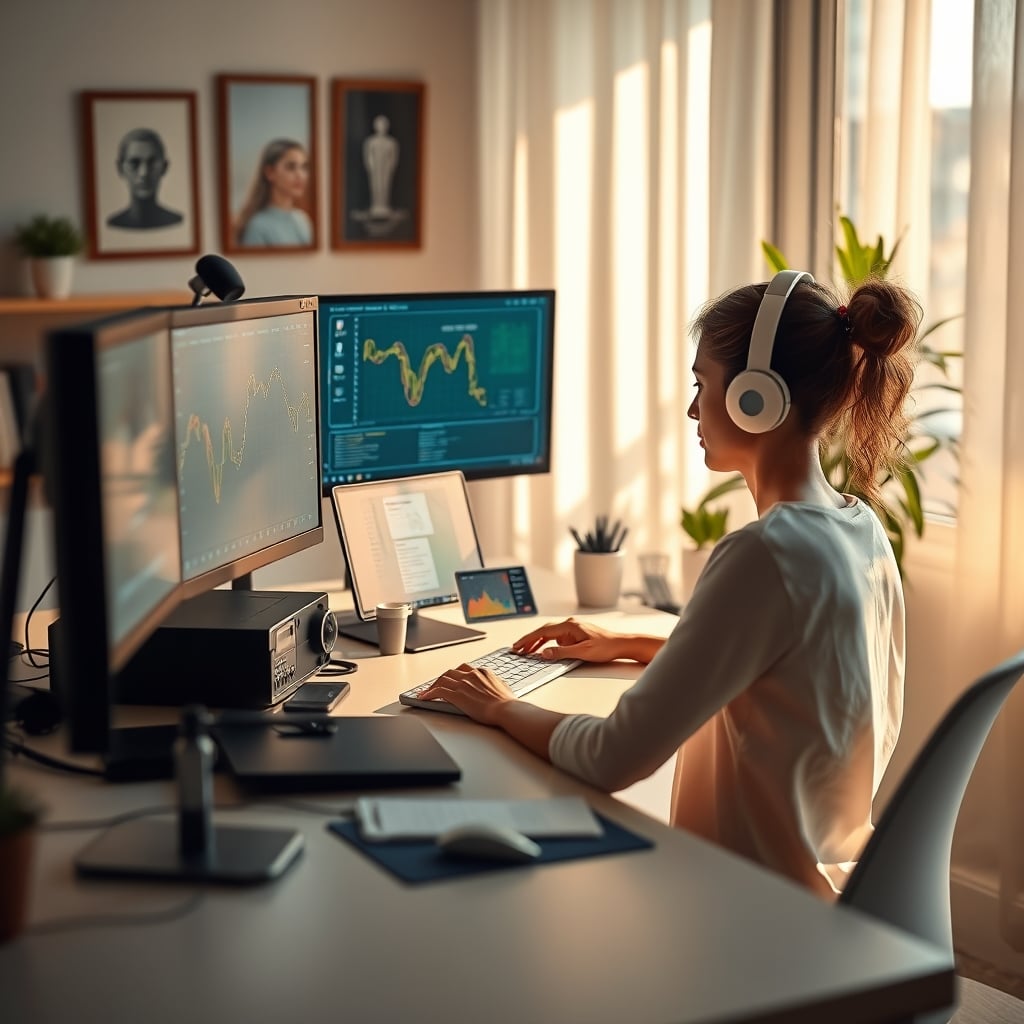
A common frustration with biofeedback productivity tools is the promise of enhanced focus and productivity, but the reality often falls short. The spec sheets tell a different story, with many buyers reporting noisy data, generic interpretations, and a significant distraction from actual work.
Many people misunderstand how focus works, believing that more data equals more control. However, focus is often the byproduct of removing friction, not adding another layer of self-surveillance. The industry's emphasis on metrics can be misleading, and it's essential to separate fact from fiction when evaluating biofeedback productivity tools.
Why Biofeedback Productivity Tools Are A $500 Placebo
The central myth is that these devices provide actionable, real-time insight into your cognitive state. They don't. What you're actually seeing is a heavily processed, algorithmically guesswork version of extremely noisy physiological data. An EEG reading from a consumer headband is to a clinical neurology suite what a kid's toy stethoscope is to an MRI machine. The sensors are poor, the signal is contaminated by muscle movement (blinking, jaw clenching), and the software is making wild inferences.
After weeks of testing, the "focus score" on my screen had less to do with my actual depth of work and more to do with whether I was sitting perfectly still or had just had coffee. Users consistently report the same: the metrics feel arbitrary. Did your score go up because you entered a flow state, or because you subconsciously learned to minimize minor facial twitches to game the device? You can't know, and neither can the gadget. This is overrated. You're paying for a beautifully rendered dashboard of meaningless numbers.
The entire premise is backward. Deep work requires you to forget yourself, to become absorbed in the task. These tools do the opposite. They force constant meta-awareness—"How focused am I right now? Why is my theta/alpha ratio dipping?"—which is the absolute killer of genuine flow. It's like trying to fall asleep by meticulously monitoring your heart rate and breath. The act of measurement destroys the state you're trying to achieve.
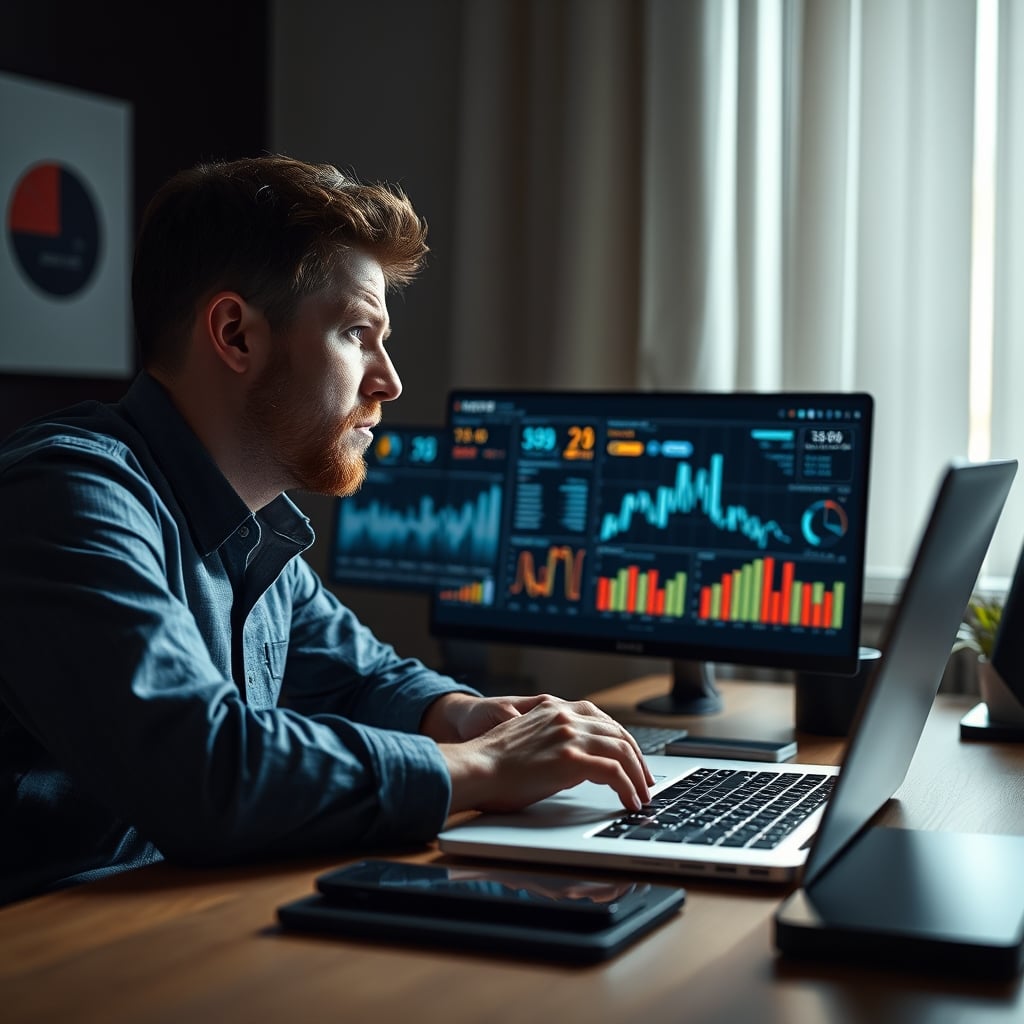
The Neuro-Focus Hype Cycle Is A Marketing Scam
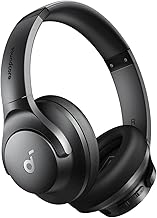
Creating a consistent, distraction-free auditory environment without gimmicks.
- Hybrid Active Noise Cancellation
- 40-Hour Battery Life
- Comfortable Over-Ear Design
Walk into any productivity influencer's setup tour in 2026 and you'll see the same props: the sleek headband on its charging dock, the elegant wrist device next to the keyboard. It's aesthetic cargo culting. They've bought the symbol of "optimization" without any proof it delivers the goods. The brutal truth is that these gadgets are lifestyle accessories first, and functional tools a distant second—if at all.
Look at the language they use: "train your brain," "neuro-enhancement," "cognitive fitness." It's the lexicon of the gym, applied to the one organ that doesn't work that way. You can't "rep" your prefrontal cortex. The science they vaguely gesture toward is often decades old, conducted in controlled lab settings with medical-grade equipment, and has been wildly extrapolated to sell you a $300 plastic headset. This is the real issue. They're selling you the dream of biohacking, but all you're getting is a very expensive fidget spinner for your anxiety.
Based on widespread user feedback, the novelty wears off in under a month. The device becomes another piece of charging cable clutter, another notification you ignore, another source of guilt ("I'm not using my $400 focus optimizer!"). It joins the ranks of other forgotten productivity theater, like the smart desk pad or the majority of desk gadgets we've called useless.
What Actually Works For Deep Work In 2026 (Spoiler: It's Boring)
Forget about measuring your brainwaves. Let's talk about controlling your environment. The ROI on this is orders of magnitude higher and costs far less. This is the GlowRig philosophy: real performance over speculative biohacking.
First, master your auditory space. This doesn't mean chasing the perfect binaural beats playlist your neuro-headband app recommends. It means ruthless elimination of unpredictable noise. A consistent, non-intrusive sound blanket is key. For most, a simple white noise generator or a fan is sufficient. For shared spaces, a quality pair of noise-cancelling headphones that actually block sound is the single best investment you can make. Not to listen to your "focus waves," but to listen to nothing at all, or to a steady, unchanging ambient track. The goal is to remove the cognitive load of processing unexpected sounds, not to add another layer of audio complexity.
Second, control your visual field. This is where most "deep work" setups fail. They're cluttered with RGB, multiple monitors flashing notifications, and yes, that blinking brainwave dashboard. The research is clear: visual novelty disrupts focus. Your setup should be visually monotonous when you need to work. A single monitor, physical barriers to block peripheral movement (even a couple of simple panels), and a desk clear of anything unrelated to the task at hand. It's the opposite of the trendy, gadget-strewn desk. It's boring on purpose. This is the core lesson from the 'ugly' setup secret that actually unlocks performance.
The Physical Interface Is More Important Than Your Brainwaves
You want feedback? Get it from your body, not from a dubious EEG reading. Your body sends clear, unambiguous signals long before a consumer-grade headband can pretend to parse your cognitive state.
Are you fidgeting constantly? That's a signal your body needs to move. The solution isn't to try and "calm your beta waves" through an app. It's to get a stool that allows movement, to take a five-minute walk, or to use a standing desk. Is your vision blurring, are you leaning in toward the screen? That's a signal of eye strain and poor posture, not a "low focus score." The fix is better monitor placement, the 20-20-20 rule, and a chair that doesn't wreck your spine—not a meditation prompt from your wristband.
We've been down this road before with expensive ergonomic chairs sold as placebos. The pattern is identical: take a genuine need (better support), obscure it with techno-babble and over-engineering, and sell a premium-priced "solution" that often misses the point. The fundamentals of ergonomics—screen at arm's length, top at or just below eye level, feet flat, support at the lumbar—do more for your sustained focus than any brainwave tracker ever will. Your body's comfort is the foundation your mental focus is built upon. Ignore it to watch a graph of your alpha waves, and you're optimizing the wrong variable.
The One Metric That Matters (And How To Game It)
If you absolutely must have a number to chase, let it be this: uninterrupted time on task. That's it. Not heart rate variability, not theta/beta ratio, not galvanic skin response. Just clock time where your attention was on your work.
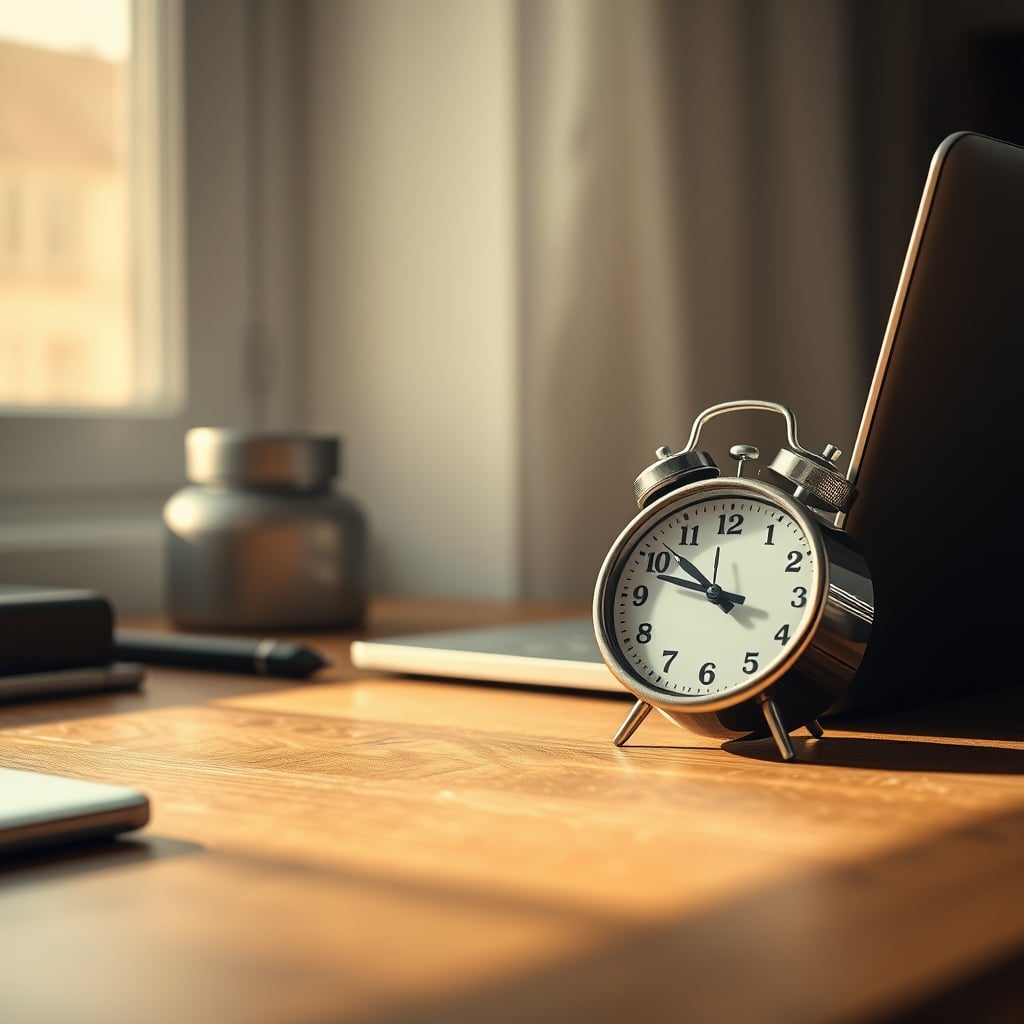
You don't need a gadget for this. A simple timer, the Pomodoro Technique, or even a spreadsheet will do. The goal is to gently stretch that time. Start with 25 minutes of uninterrupted work. No phone, no email, no checking the neuro-feedback app. Just work. Then build to 45, then 90. This is cognitive weightlifting. The muscle you're building is tolerance for the discomfort of sustained attention, and the ability to resist the addictive ping of context-switching.
All the biofeedback in the world is useless if you haven't mastered this basic discipline. In fact, the gadgets become just another form of context-switching—"Let me check my focus score... oh, it's low, I should do a breathing exercise...". You've just broken your flow to service the very tool that was supposed to protect it. It's self-defeating. This doesn't work. It's a distraction masquerading as a solution.
Skip The Hype, Build A Bastion Instead
Your mission for 2026 isn't to become a cyborg who optimizes every brain squiggle. It's to become a fortress builder. Your deep work setup should be a bastion against distraction, not a laboratory for self-experimentation.
That means:
- Physical boundaries: A dedicated space, even if it's just a specific desk orientation. A door, a room divider, or even a large plant as a visual signal that you're "in the zone."
- Digital moats: Use app blockers (Freedom, Cold Turkey) ruthlessly. Turn off ALL non-essential notifications. This is a non-negotiable. Your operating system's Focus Mode is more powerful than any neuro-headband.
- Pre-commitment rituals: Start your session with a clear, written sentence of what you will accomplish. This closes the open loops in your mind that gadgets pretend to solve.
- Environmental cues: A specific lamp you turn on only for deep work, a specific playlist (that you don't tinker with), a specific scent. These are classical conditioning triggers that are far more reliable than a biometric score.
This is a known issue for long-term use: complexity creates friction. The more steps between you and starting work, the less likely you are to do it. If your deep work ritual involves putting on a headband, opening an app, calibrating sensors, and waiting for a Bluetooth connection, you've already lost. The perfect setup gets out of the way.
Final Verdict: A Resounding Skip It
The verdict on the current generation of biofeedback productivity tools is simple: they are overrated. They are a fascinating toy for the curious, a beautiful prop for the aesthetic, and a catastrophic waste of money and attention for anyone genuinely trying to improve their deep work capabilities.
You are not the problem. Your un-optimized brain is not the problem. The problem is an environment—both digital and physical—that is engineered to hijack your attention every 45 seconds. Throwing a biometric sensor at that problem is like using a thermometer to fight a house fire. You're getting a precise reading of the wrong thing while the whole structure burns down.
Spend your money and mental energy on the unsexy, proven fundamentals: a great chair, a quiet space, a simple timer, and ruthless digital hygiene. That's the 2026 truth. The neuro-gadgets are a detour on the road to real focus, paved with good marketing intentions and very bad science. Skip it.
Frequently Asked Questions
Are any biofeedback productivity tools worth buying in 2026?
No, not for their stated purpose of enhancing focus or productivity. The consumer-grade technology is not reliable enough to provide actionable data, and the act of monitoring yourself consistently disrupts the deep work state you're trying to achieve. The money is better spent on environmental controls like noise-cancelling headphones or app blockers.
What's the biggest lie the biofeedback tool industry tells?
That more biometric data equals more control over your focus. This is backwards. Genuine deep work requires a loss of self-awareness, not an increase in it. The constant meta-cognition (thinking about how focused you are) that these tools induce is a primary driver of distraction, not a cure for it.
If these tools don't work, why do so many influencers use them?
For aesthetic and signaling purposes. A neuro-headband on a charging dock looks like cutting-edge biohacking. It's part of the "optimized life" image. It's productivity theater. Many use them briefly for content and then abandon them, which is a pattern widely reported in long-term user communities.
Written by
GlowRig Editorial researches and writes practical guides about desk setups and home office gear. Our articles are produced with the help of AI research tools and are reviewed for accuracy against manufacturer specifications and public user feedback. We may earn a commission from affiliate links, which never affects our recommendations.
Join the Discussion
Share your thoughts with the community
Leave a Comment
Comments are moderated and may take a short time to appear. Links are not permitted.