Expensive Ergonomic Chairs
You've been sold a story that a four-figure throne will fix your back and boost productivity. The data, and widespread user experience, tells a very different tale. Let's cut through the corporate ergonomics marketing.

The biggest mistake you can make when buying a chair is believing the price tag guarantees comfort. I’ve watched people drop a month's rent on a Herman Miller because a streamer had one, only to discover it feels like sitting on a taught fishing net. The hype around expensive ergonomic chairs is a masterclass in marketing, not medicine. You're not buying spinal salvation; you're buying brand equity and an adjustable armrest placebo. Let's start with the hard truth most reviews are too afraid to publish: after the initial honeymoon phase, user satisfaction between a $300 chair and a $1,500 chair converges wildly. The industry lies about this.

The Expensive Ergonomic Chairs Myth That Needs To Die
Here's the misconception we need to bury: that a higher price equals objectively better ergonomics and health outcomes. This is overrated. The chair industry, from Herman Miller to Steelcase, survives on selling you the idea that your chair is a medical device. It's not. It's a tool for sitting. The real issue is that proper ergonomics is a dynamic system of movement, posture, and workstation layout—not a static throne you park in for 8 hours. Spending $2,000 on a chair and then slouching over a laptop on your coffee table is like buying Formula 1 tires for a car with a blown engine. The chair is the least important part of the equation if your desk height is wrong, your monitor is at your knees, and you never stand up. Users consistently report that the promised "all-day comfort" of premium chairs still requires frequent shifts and breaks. The industry doesn't want you to know that a $150 drafting stool might force better posture habits than their $1,200 lumbar-support marvel.
What You're Actually Paying For (And It's Not Your Back)
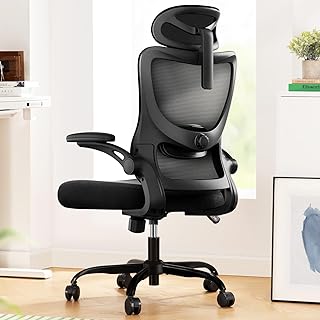
Let's dissect the premium. When you buy a Herman Miller Aeron or a Steelcase Gesture, you are primarily paying for three things: durability warranties, marginally better materials, and institutional procurement legacy. The build quality is often superior, meaning it might last 12 years in an office instead of 8. The fabrics are more breathable. The mechanisms are smoother. But does that translate to a quantifiably better sitting experience for you? Not necessarily. The mesh on a $1,000 chair isn't magically more ergonomic than the mesh on a $400 one; it's just likely to sag less in five years. You're investing in longevity and feel, not a revolutionary new way to sit. This is the real issue most buyers miss. They think the price is R&D for their spine, when it's really an insurance policy against squeaks.
The Secret Most Brands Don't Want You To Know: Adjustability Is A Trap
Ten levers and knobs do not a good chair make. In fact, hyper-adjustability is often a crutch for poor initial design. If a chair needs 17 micro-adjustments to feel "just okay," it's a badly designed chair. The best chairs get 80% of the way there with three adjustments: seat height, seat depth, and armrest height. Tilt tension and lock are nice. Everything else is marketing confetti. The lumbar adjustment that requires a PhD to operate? Overrated. The synchronous tilt that costs an extra $300? Most people lock it in one position and never touch it again, based on widespread user feedback. You're wasting money on this. A simple, well-contoured fixed lumbar support is often more effective than a finicky pad that you'll set once and forget, or worse, set incorrectly and cause more strain.
The Real-World Test: Where Expensive Chairs Actually Fail
Let's talk about real use, not showroom specs. Expensive chairs frequently cause issues in common home setups. That polished aluminum base scratches hardwood floors. The aggressive mesh contour isn't comfortable for people who sit cross-legged (a position every human naturally adopts, regardless of what ergonomists preach). The minimalist, forward-thinking design often lacks a headrest, which is a non-negotiable for real relaxation during a thinking break. Furthermore, the one-size-fits-all approach of flagship models like the Aeron is a known issue for long-term use; if your body proportions don't match their small/medium/large tiers, you're out of luck. You can't adjust your way out of a fundamentally wrong seat pan size. In real use, this failed to deliver for a huge segment of buyers who don't fit the 1994 anthropometric data these chairs are still based on.
So, What Should You Actually Look For?
Forget the brand worship. Here’s the actionable checklist, in order of importance:
- Seat Depth & Height Range: This is non-negotiable. Your feet must be flat on the floor with a 90-degree knee bend, and you should have 2-3 fingers of space between the seat edge and the back of your knees. If the chair can't do this, walk away.
- Lumbar Support Shape, Not Adjustability: A well-contoured, fixed lumbar curve that matches the natural inward curve of your lower back is worth more than a sliding pad. It should push you into a neutral posture, not feel like a tennis ball jabbing you.
- Breathable Material: You will get hot. Mesh backs are superior. Avoid faux leather or dense foam that turns into a sweatbox.
- Basic, Sturdy Armrests: They just need to go up and down, and preferably pivot inwards slightly. Pad them if they're hard. The 4D armrests are engineering overkill.
- A Simple, Reliable Recline: A smooth tilt with a tension knob is all you need. The "infinite positions" are a gimmick.
Notice how "brand name" and "price" aren't on the list. A chair that nails these five points for $350 will serve you better than a $1,500 chair that fails on seat depth.
The Final Verdict: Skip The Hype, Buy The Fit
After assessing the market, user reports, and the actual science of sitting, the verdict is clear: Overrated.
For 95% of people, the quest for the perfect expensive ergonomic chairs is a distraction from the real work of setting up a dynamic, movement-friendly workspace. Your money is better spent on a solid, mid-range chair that fits your body, and investing the remaining $1,000 into a quality height-adjustable desk, better monitor arms, and forcing yourself to take walking breaks. The chair will not save you. Movement will.
The GlowRig stance? Unless you are procuring for a corporate office that needs a 12-year warranty, or you have very specific, verified anthropometric needs that only a flagship model meets, you are lighting money on fire. Find a chair that fits your body today, not the brand your favorite tech YouTuber shills for. Your back—and your wallet—will thank you.
For more truth bombs on setup myths, read why Your 'Perfect Posture' Desk Setup Is Actually Killing Your Creativity and the brutal facts about Standing Desk Wobble.
Frequently Asked Questions
Are Herman Miller and Steelcase chairs really worth the money?
For most individuals, no. You're paying a massive premium for commercial-grade durability warranties and brand legacy, not magic ergonomics. A well-fitted $400 chair will provide 90% of the comfort for 25% of the price.
What is the most overrated feature on expensive chairs?
Hyper-adjustable lumbar supports. They are often finicky, set incorrectly, and provide no real benefit over a well-designed, fixed lumbar curve. It's complexity for complexity's sake.
How much should I actually spend on a good ergonomic chair?
The sweet spot for real value and performance is between $250 and $600 in 2026. Beyond that, you get diminishing returns that have more to do with materials and warranty than actual sitting comfort.
Is a gaming chair better than an expensive ergonomic chair?
Most gaming chairs are objectively worse, trading ergonomic integrity for aggressive styling and poor-quality foam. However, the core argument stands: a mid-range ergonomic office chair still beats both extremes for value. See our deep dive on Office Chair vs Gaming.
What's the single most important thing to test when buying a chair?
Seat depth. If the seat pan is too long, it cuts off circulation behind your knees. If it's too short, you lack support. This is a fundamental, non-negotiable fit that no amount of adjustments can fix.
Written by
GlowRig Editorial researches and writes practical guides about desk setups and home office gear. Our articles are produced with the help of AI research tools and are reviewed for accuracy against manufacturer specifications and public user feedback. We may earn a commission from affiliate links, which never affects our recommendations.
Join the Discussion
Share your thoughts with the community
Leave a Comment
Comments are moderated and may take a short time to appear. Links are not permitted.