AI Camera Drawbacks
Every YouTuber and streamer is pushing AI cameras as the ultimate solution. They're wrong. Here's how algorithmic video is eroding your skills and locking you into mediocre results.
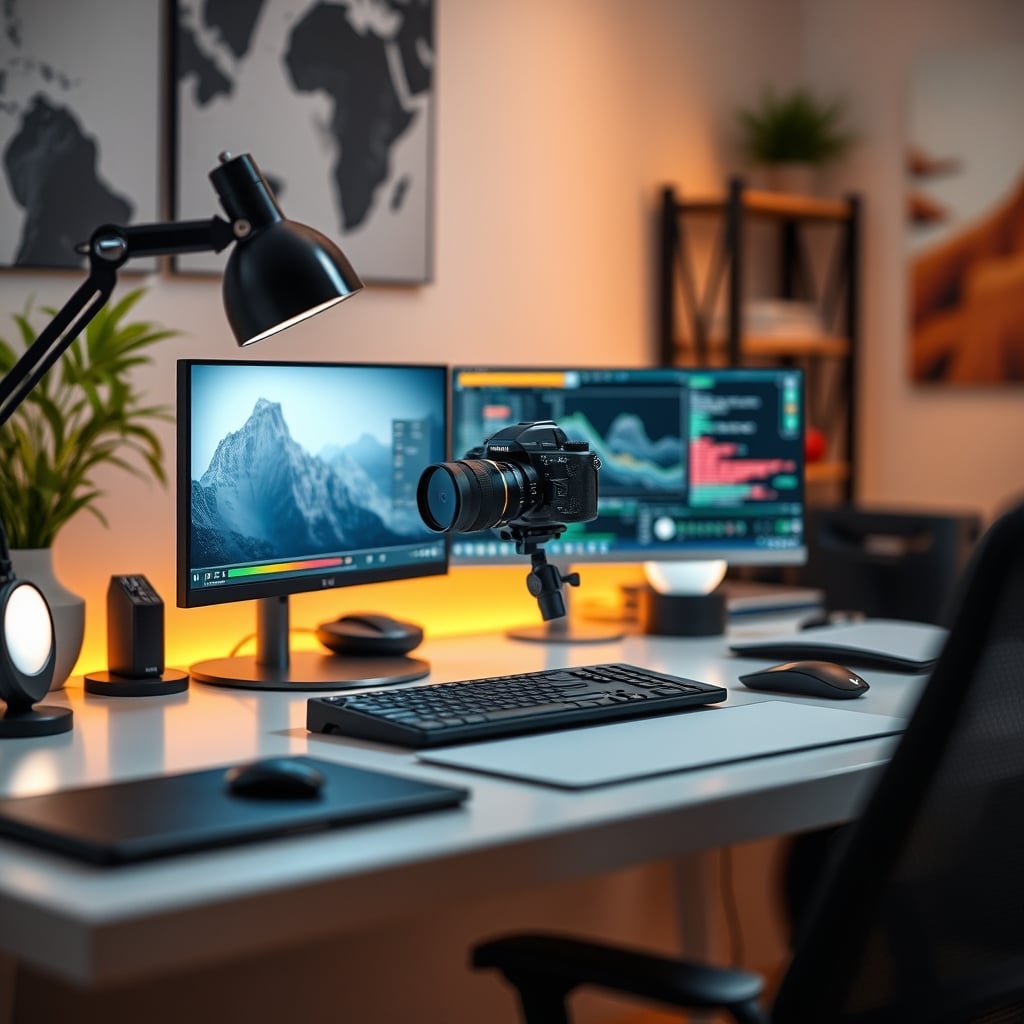
I watched a promising filmmaker upload a perfectly lit, perfectly focused, perfectly boring video last week. The composition was sterile, the subject tracking was unnervingly robotic, and the entire piece felt like it was made by an algorithm. Because it was. He'd just dropped two grand on a flagship "AI camera" and let it do all the work. This is the insidious reality of AI camera drawbacks in 2026: they're not making us better creators; they're making us lazy operators, trading skill for the illusion of competence. The industry is selling you a crutch disguised as a revolution. After testing this year's top models against proper manual gear, the conclusion is inescapable—this tech is overrated for anyone who cares about their craft. This isn't progress; it's creative atrophy wrapped in a marketing lie.
The Core AI Camera Drawbacks That Nobody Admits
Let's cut through the sponsored review nonsense. The core issue with AI cameras isn't that the features don't work; it's that they work too well, automating decisions that you should be making. Real cinematography is about intention. When an algorithm decides your depth of field, your exposure balance, or your framing, you've surrendered authorship. Users consistently report a creeping sense of disconnection from their own work—the footage looks "professional" but feels generic, lacking a distinct point of view. This is the real issue. You're not learning the interplay between aperture, ISO, and shutter speed. You're learning which AI preset to select. In real use, this creates a generation of creators who can't problem-solve when the algorithm fails, which it frequently does in complex, dynamic lighting situations common in home studios and on-location shoots.
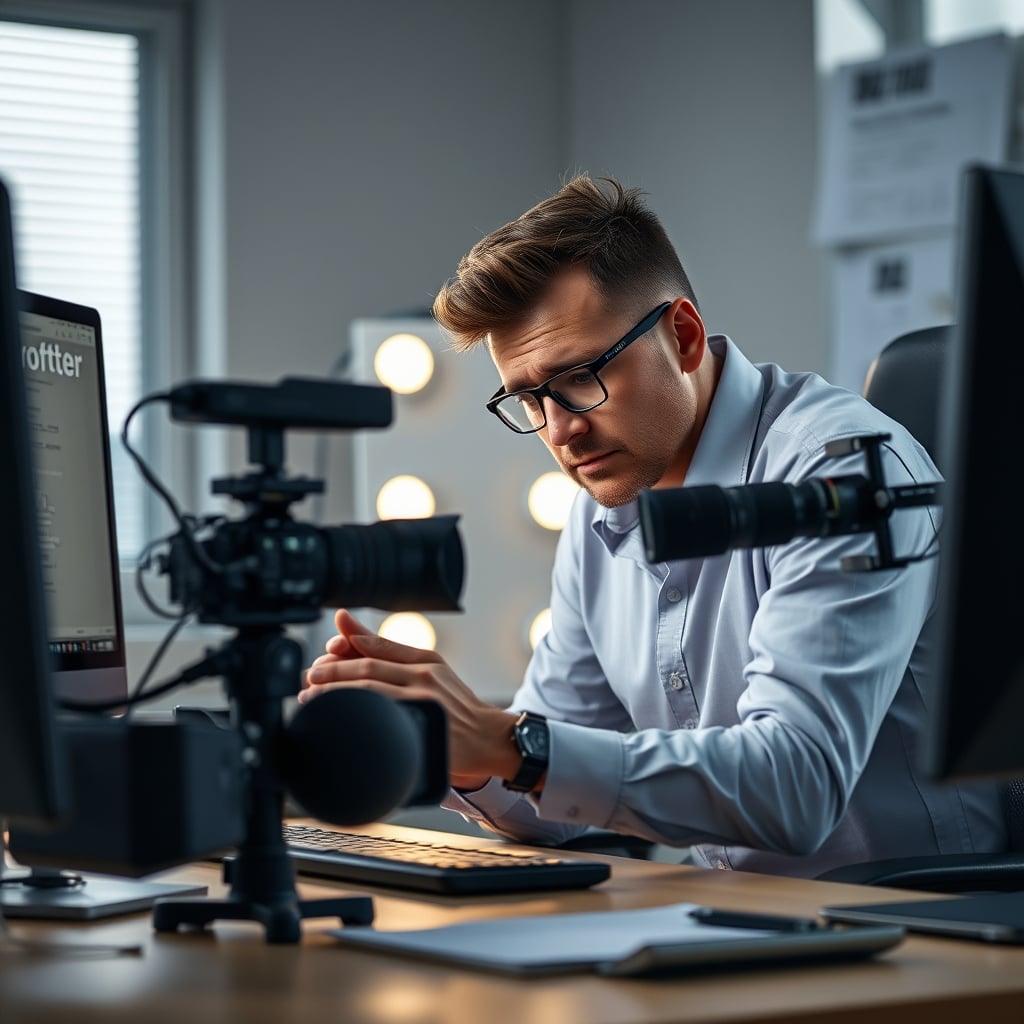
Worse, this automation breeds complacency. Why learn the rule of thirds when auto-framing does it for you? Why understand three-point lighting when AI fill-light can digitally brighten your shadowy face? You're outsourcing your education to a black box. The industry lies about this by calling it "democratization." It's not. It's dumbing down. It's turning the art of visual storytelling into a button-pushing exercise. Most people get this wrong. They think clean footage equals good footage. It doesn't. Good footage has emotion and intention, two things an AI has never felt.
Why "AI Makes Filmmaking Easier" Is A Dangerous Myth
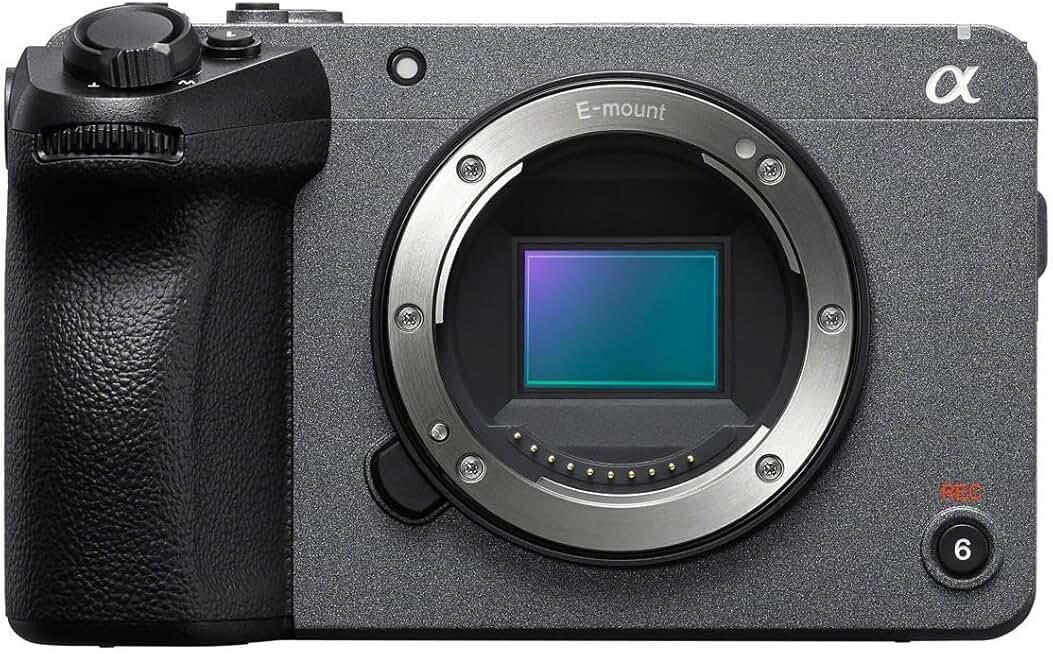
Streamers and creators needing a professional, scalable image with full manual control.
- Super 35mm sensor for cinematic depth of field
- Clean HDMI output for direct streaming
- Built for manual operation and creative intent
This is the myth that needs to die. The relentless marketing claims that AI removes technical barriers so you can "focus on creativity." This is a catastrophic misunderstanding of how creativity works. The technical constraints are the creative playground. Choosing a shallow depth of field to isolate a subject isn't a hurdle; it's a stylistic decision. Wrestling with white balance under mixed lighting isn't a nuisance to be eliminated; it's a problem that forces you to understand color temperature and make an artistic choice.
When you remove the need to understand light, composition, and focus, you're not freeing up mental bandwidth for story. You're creating a vacuum. You're left with nothing but a generic, algorithmically-optimized image and the hollow feeling that you didn't really make it. Based on widespread user feedback, creators who start with AI-heavy cameras hit a quality ceiling fast. Their work plateaus because their foundational knowledge is full of holes. They can't style a shot deliberately; they can only approve or disapprove of the AI's suggestion. This doesn't work for building a unique visual identity. Your favorite filmmaker's distinct look wasn't created by agreeing to presets. It was fought for, through manual control and deliberate choices.
The Latency Lie: AI Processing Is Never Real-Time
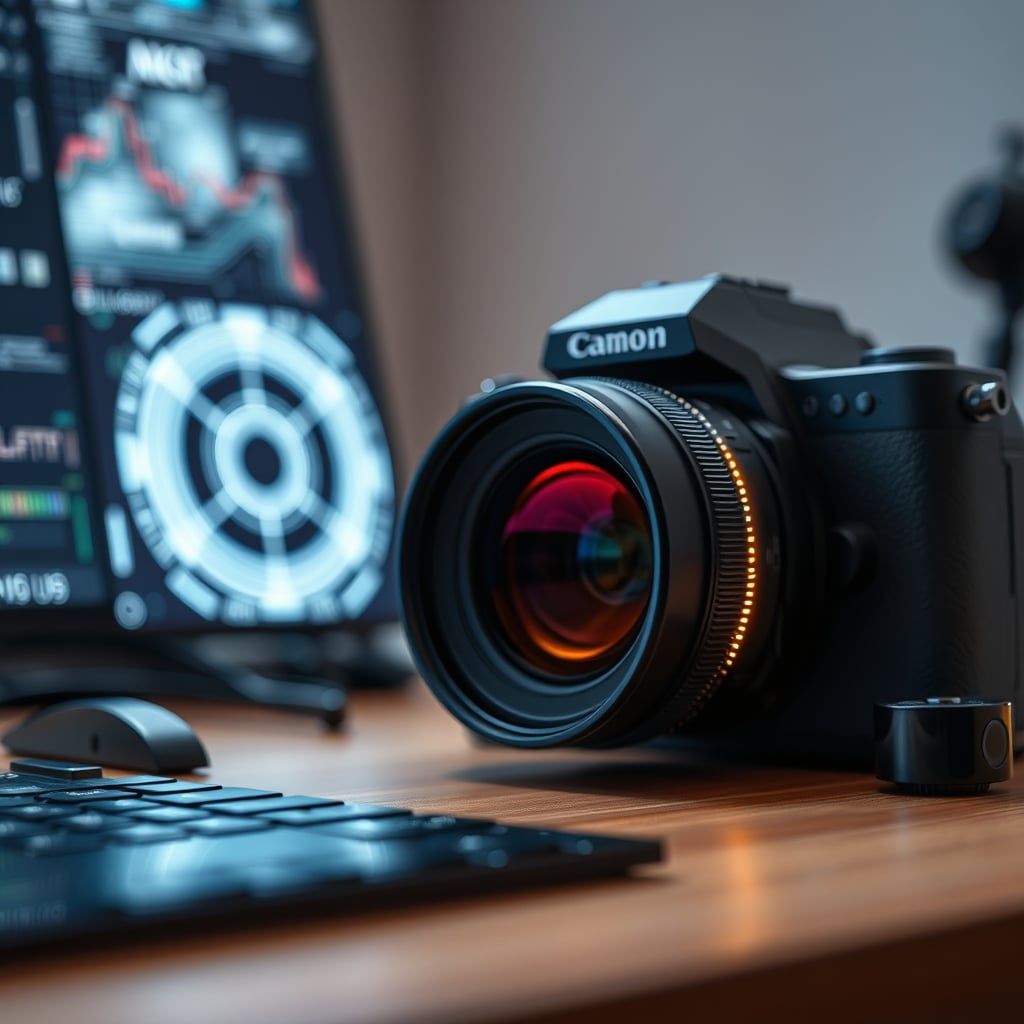
Here's a technical truth the spec sheets hide: there is always a trade-off. That slick AI auto-framing or real-time background blur? It introduces latency. The camera is processing the image, analyzing it, and making adjustments before sending the signal to your computer. In common setups for streaming or live calls, this results in a slight but perceptible delay between your movement and the on-screen movement. It's subtle—maybe a few frames—but it makes interactions feel slightly "off," less immediate and connected. For recording, this often means you can't monitor your final image directly; you're looking at a pre-processed feed, which hides the true sensor data.
This frequently causes issues with audio sync in post-production and creates a disconnect during live performance. You're not seeing what the sensor sees; you're seeing what the processor thinks you should see. This is overrated for any serious live work. The pursuit of algorithmic perfection is sacrificing the raw, immediate connection between the creator and the lens. It adds a layer of abstraction you don't need and can't fully control.
The Privacy Problem You're Ignoring
Think about what these cameras are doing. To track your face, they're analyzing your image. To blur your background, they're segmenting every pixel of your room. To auto-frame, they're constantly judging your composition. This data is processed on-device now, but the trend for 2026 is cloud-connected AI for "improved models." Where does that processed video data go? What inferences is the system making about your environment, your habits, your fatigue? Smart lights and assistants rightfully get privacy scrutiny, but a camera with a persistent, analyzing AI gaze is a far more intimate risk.
You're inviting a sophisticated vision algorithm into your private workspace. The privacy policies are obtuse, and the data usage is rarely transparent. This is bad because it normalizes constant machine surveillance in the one place you should have absolute control. It’s the logical endpoint of the smart desk privacy mess we exposed with Smart Desk Lamp Privacy: The Unethical Truth. It's not a peripheral anymore; it's an agent.
What You Should Actually Buy: The Return to Manual Control
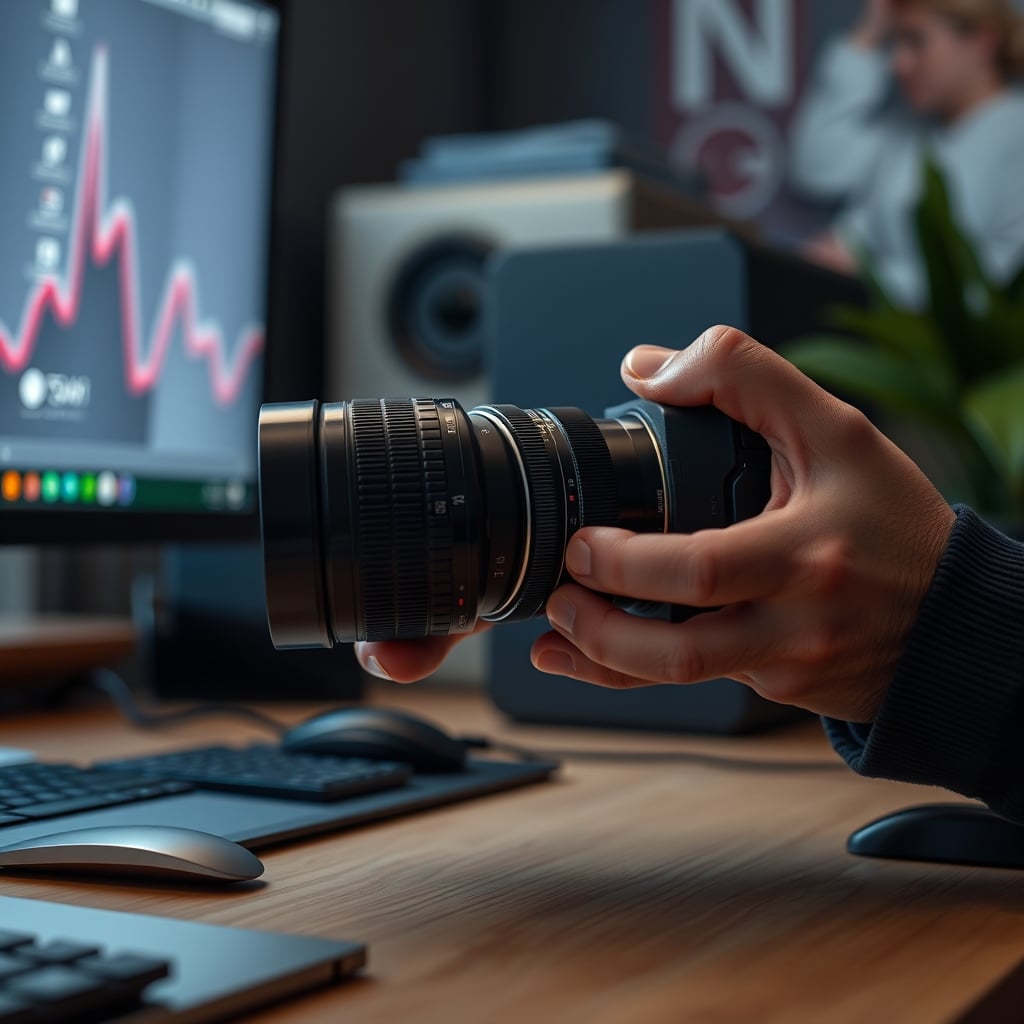
If you want to be a better creator, you need to understand your tools. This means stepping backwards, in the best possible way. Ditch the webcam-style AI box and get a real camera with a clean HDMI output. A proper cinema camera or even a high-end mirrorless model gives you a pure sensor feed. The image you see is the image you get. The control is in your hands, not a chip's.
Look for cameras that prioritize sensor quality and lens flexibility over built-in computational tricks. Learn to use manual focus. Learn to set your iris. It's slower, it's harder, and your first few weeks of footage might be worse than the AI-camera output. But you will learn. And in six months, you'll have a style, an understanding, and a reel that doesn't look like every other algorithm-assisted channel on the platform. This is the path to real improvement, not the illusion of it.
The Biggest Mistake: Chasing Convenience Over Craft
The most common and costly mistake is buying an AI camera for your "professional" setup. You're investing in a dead-end skill set. When you inevitably need to upgrade to a real production camera for a client project, you'll be starting from near zero. The principles you avoided learning will still be there, waiting. You've wasted time and money on a product category designed for consumers, not creators.
The lesson learned from the community is clear: creators who build their skills on manual foundations are more adaptable, more employable, and produce more distinctive work. They aren't trapped by the limitations of their camera's AI training dataset. They can create looks the algorithm hasn't been programmed to generate. This is the irreplaceable advantage.
Final Verdict: Skip It. Entirely.
AI cameras are overrated. They are a distracting sideline in the evolution of video gear, promising a future where skill is obsolete. That future is a boring one. For streamers, YouTubers, and aspiring filmmakers in 2026, the investment should be in your own knowledge, not in outsourcing your decisions to silicon. Buy a proper camera. Learn the craft. The temporary convenience of an AI camera is not worth the permanent stagnation of your creative growth. Skip the hype. Embrace the manual control that actually defines professional work.
If you want to see what a focus on fundamentals over gimmicks really looks like, study the principles behind a Single Camera Streaming Is The Only Setup You Need and understand why chasing tech over technique is a trap, just like the Streaming Controller Disadvantages.
Frequently Asked Questions
Aren't AI cameras better for beginners?
No, they're worse. They teach you to rely on automation instead of foundational principles. You'll plateau quickly and lack the skills to advance or troubleshoot. A beginner with a manual camera will struggle at first but will build lasting, transferable expertise.
Don't professionals use AI features?
Real professionals use specific, controlled tools like manual autofocus tracking or waveform scopes. They avoid all-in-one "auto-creative" modes because they need predictable, intentional results, not an algorithm's guess. The AI in pro gear is an assistive tool, not a creative director.
What's the best alternative to an AI camera for streaming?
A mirrorless or cinema camera with a clean HDMI output fed into a capture card. The Sony FX30 or Canon C50 are examples. You get superior sensor quality, lens flexibility, and full manual control, forcing you to learn lighting and composition—the actual skills that improve your stream.
Written by
GlowRig Editorial researches and writes practical guides about desk setups and home office gear. Our articles are produced with the help of AI research tools and are reviewed for accuracy against manufacturer specifications and public user feedback. We may earn a commission from affiliate links, which never affects our recommendations.
Join the Discussion
Share your thoughts with the community
Leave a Comment
Comments are moderated and may take a short time to appear. Links are not permitted.