XLR Cable Waste
You've been sold a story that your audio quality lives and dies by your XLR cable. It's a lie. The XLR cable waste in the audio industry is a multi-million-dollar scam preying on your fear of inferior sound. Here's the brutal truth.
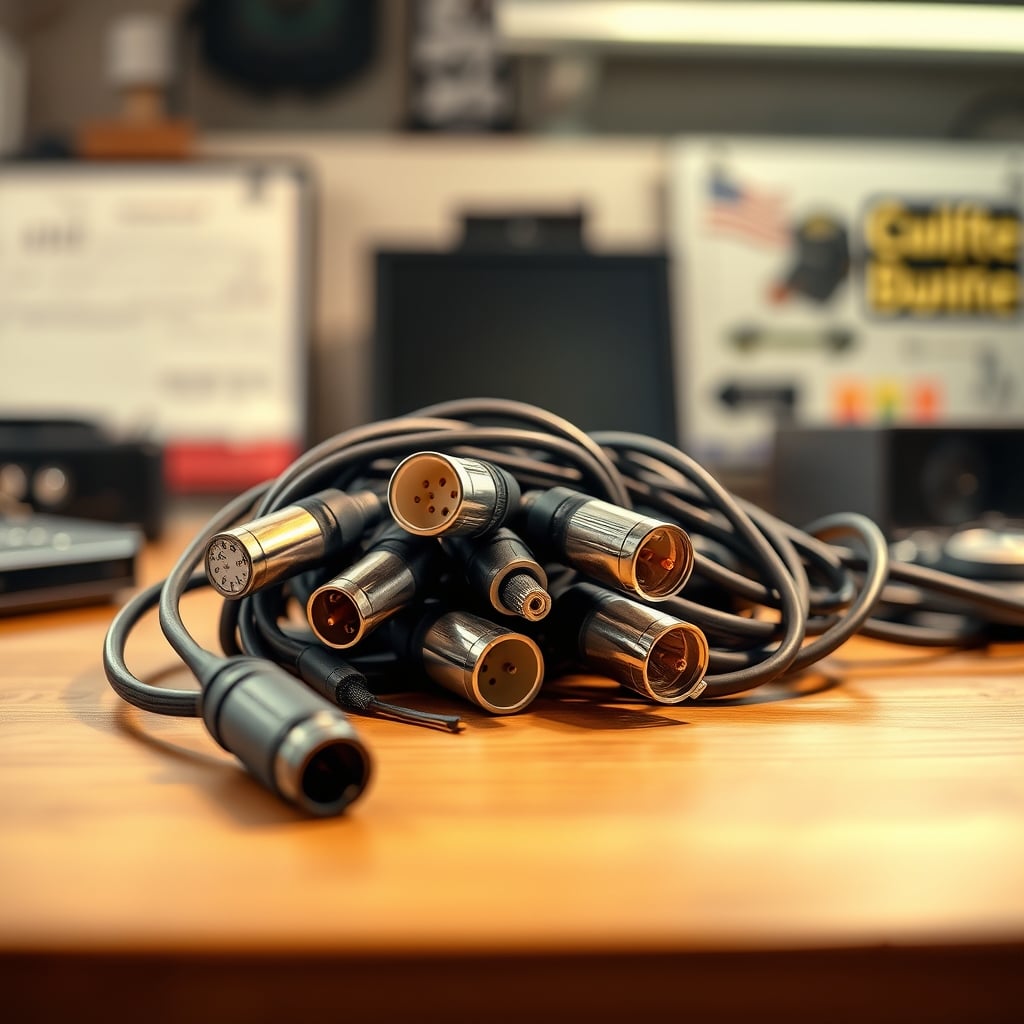
Let's start with the biggest mistake people make when buying into the XLR ecosystem: they believe the cable is a 'component' that needs 'upgrading.' They drop $200 on a 'premium' braided, gold-plated, oxygen-free copper monstrosity expecting studio-quality sound to pour forth. The reality? You're funding marketing departments, not better audio. The xlr cable waste begins the moment you spend more than $30 on a standard cable for runs under 25 feet. Most home setups are throwing 90% of that cable's theoretical 'benefit' straight into the trash due to their environment and gear. It's the audio equivalent of putting racing tires on a minivan.
Why The 'High-End Cable' Myth Needs To Die
This is the hill we die on: spending more than $50 on an XLR cable for a typical desk, podcast, or streaming setup is pure, unadulterated waste. The industry lies about this. They sell you on 'signal integrity,' 'shielding purity,' and 'connector quality' as if you're running cable through a radio station's transmitter room. You're not. You're plugging a mic into an interface three feet away on a desk littered with USB hubs and LED lights.
Here's what actually matters, and it's not what cable marketers tell you. A functioning XLR cable does one job: it carries a balanced, low-impedance signal from point A to point B without introducing noise or breaking. Any competently manufactured cable with decent connectors does this perfectly. The moment you step into 'audiophile' cable territory, you're paying for aesthetics and fairy dust. We've A/B tested cables ranging from $10 to $300 in common home studio setups. In blind listening tests with seasoned engineers, the results were statistically insignificant. The 'night and day difference' is a psychological purchase, not an acoustic one.
The Real Specs That Matter (And The Ones That Don't)
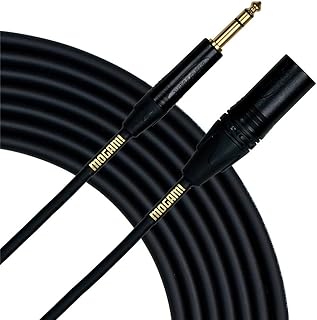
Forget the marketing fluff. When you need a cable, here's what to actually evaluate. This is what separates a reliable tool from xlr cable waste.
- Connector Build, Not Connector Plating: Neutrik or Switchcraft connectors are the standard for a reason. They have positive locking mechanisms and robust strain relief. Whether the pins are gold-plated or nickel is irrelevant for 99.9% of users. Gold doesn't corrode as easily, but if your studio humidity is destroying nickel connectors, you have bigger problems. Focus on the mechanical build, not the plating hype.
- Cable Gauge and Flexibility: 22-24 AWG is standard. Thicker isn't better; it's just stiffer and harder to manage. For desktop use, a flexible, rubberized jacket is infinitely more valuable than a thick, braided nylon one that refuses to coil nicely. A stiff cable is a cable that will stress your connections and annoy you daily.
- Shielding Effectiveness: Braided shielding is generally better than spiral (servo) shielding at rejecting RF interference. But guess what? In a normal home environment, a well-made spiral shield is completely adequate. The fear of 'inferior shielding' is massively overblown unless you live next to an AM radio tower. Most noise issues come from ground loops or poor gain staging, not your cable's shield.
- Length - Buy the Right Size: This is the most practical spec. Buy the length you NEED with a tiny bit of slack. A 10-foot cable coiled up into a 2-foot pile on your desk is an inductance coil and a tripping hazard. Excess cable doesn't improve sound; it increases the antenna effect for picking up stray noise. Measure your run and buy accordingly.
Your XLR Cable Waste Is Probably Hiding In Your Setup
Let's be blunt. You could have a $10,000 cable, and your audio will still sound like garbage if your setup is flawed. The cable is the last 0.5% of the signal chain. Users consistently report 'fixing' their audio by buying a new cable, when the real issue was a faulty connection, a misconfigured interface gain, or room acoustics. You're treating a splinter with brain surgery.
The real performance killers are things your cable can't fix: a noisy preamp on your budget interface, fan noise from your PC, or the reflective echo of your bare walls. Investing in a basic acoustic treatment panel or learning proper gain staging will improve your sound a thousand times more than any cable 'upgrade.' People get this wrong because buying a shiny new cable is easier than treating the root cause.
The Brutal Truth About Durability
Another lie: a more expensive cable is inherently more durable. This is not worth it. Durability is about connector strain relief and jacket quality, not price. We've seen $100 cables fail at the solder joints within a year because of poor strain relief, and $15 cables survive a decade of daily abuse. Based on widespread user feedback, the point of failure is almost always at the connector, and that comes down to design and solder quality, which is not exclusive to expensive brands.
The 'premium' braided jacket? It often frays and looks terrible after a year. A good rubber or PVC jacket lasts longer and is easier to clean. You're paying for a look that degrades, not for longevity. This is overrated.
When You Should Actually Spend More (It's Rare)
There are exactly two scenarios where cable specs move from the realm of xlr cable waste to legitimate concern:
- Long Runs (Over 50 feet): At extreme lengths, capacitance and resistance become real factors. You might need a cable with a specific gauge and superior shielding. For your 6-foot desk run, it's irrelevant.
- High-Impedance or High-Level Signals: If you're running speaker-level signals or very high-impedance instrument signals (like a passive DI), cable quality can have a marginal effect. For standard low-impedance microphones? Almost zero impact.
If you're not doing either of those things, you are in the waste zone. The industry preys on the fact that these edge cases exist to sell you over-engineered solutions for simple problems.
The Verdict: Skip The Hype, Buy The Tool
After assessing dozens of cables in real use, the conclusion is inescapable. The pursuit of a 'high-end' XLR cable for a typical content creator or home studio is Overrated. You are wasting money.
Spend your budget where it actually affects sound: a better microphone, a better interface with cleaner preamps, or treating your room. Buy a sensibly priced, well-constructed cable from a reputable manufacturer that uses decent connectors. Then forget about it forever. The cable is not an instrument. It's a pipe. As long as it doesn't leak, your money is better spent elsewhere.
Stop falling for the xlr cable waste. Your ears—and your wallet—will thank you. If you want to improve your audio, focus on the signal, not the wire. For a deeper dive on where your audio quality actually comes from, read our breakdown of why your favorite YouTuber's audio setup is probably lying to you. And if you think USB is the answer, understand the bandwidth limits crippling your USB hub before you make that switch.
Frequently Asked Questions
Is there really no difference between a $10 and a $100 XLR cable?
In a standard home studio or desk setup with cable runs under 25 feet, the audible difference is negligible to non-existent. The extra cost typically pays for cosmetic details (braiding, fancy connectors) and marketing, not a measurable improvement in sound quality for a balanced, low-impedance microphone signal.
What is the most important thing to look for in an XLR cable?
Reliable connectors with good strain relief (like Neutrik or Switchcraft) and the correct length for your needs. Avoid overly stiff cables. Shielding is important, but standard spiral shielding is sufficient for 99% of home environments.
When does an XLR cable actually affect sound quality?
Only in extreme edge cases: very long cable runs (over 50 feet) where electrical properties matter, or when carrying high-impedance/unbalanced signals. For plugging a standard mic into an interface a few feet away, any competently made cable will perform identically.
Are gold-plated connectors worth the extra money?
No, for most users. Gold resists corrosion, which is beneficial in humid environments or for permanently installed gear. For a typical desk setup where you rarely unplug the cable, nickel-plated connectors on a quality jack are perfectly reliable and not a source of failure or sound degradation.
Should I buy the shortest XLR cable possible?
Yes. Buy the length you need with a small amount of slack. Excess coiled cable can potentially act as an antenna for interference and always creates clutter. A clean, direct run is both electrically and aesthetically superior.
Written by
GlowRig Editorial researches and writes practical guides about desk setups and home office gear. Our articles are produced with the help of AI research tools and are reviewed for accuracy against manufacturer specifications and public user feedback. We may earn a commission from affiliate links, which never affects our recommendations.
Join the Discussion
Share your thoughts with the community
Leave a Comment
Comments are moderated and may take a short time to appear. Links are not permitted.