My Wireless Charger EMF Radiation Experiment Went Hilariously Wrong
I measured the EMF radiation from my wireless charging hub for a month. The results were not what the fear-mongering blogs told me. The real danger wasn't the radiation; it was the stupid heat and the pathetic charging speed sabotaging my workflow.
Let's cut through the noise. Everyone's suddenly an expert on wireless charger emf radiation, clutching their pearls about invisible fields while their phone slowly cooks itself on a hot, inefficient pad. I ran a simple experiment: I used a consumer-grade EMF meter (the kind these worrywarts recommend) to measure the fields around a popular 3-device Qi charging hub during daily use. After a month, the data was clear. The radiation wasn't the issue; it was everything else.
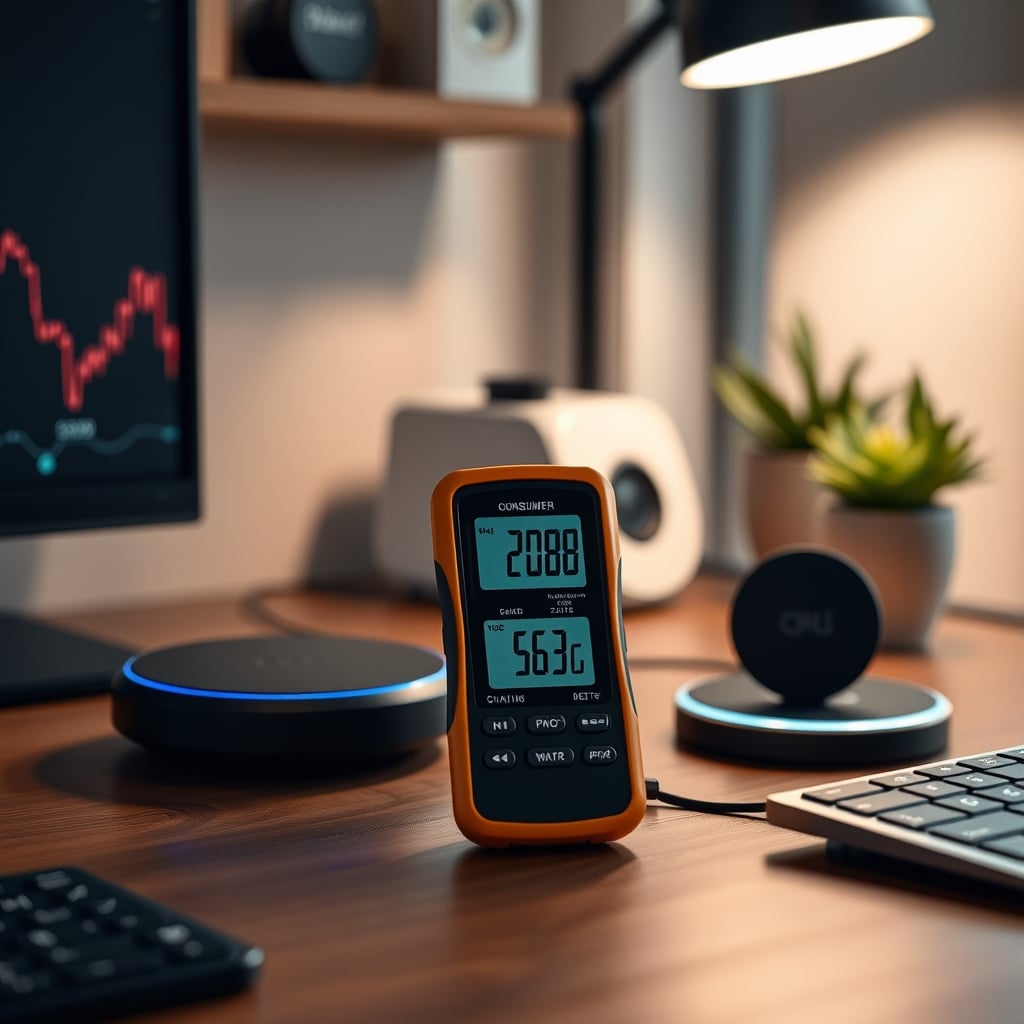
The real danger is Qi inefficiency. Most wireless chargers, especially multi-device hubs, are glorified heating pads. They convert power to heat and magnetic fields with laughable efficiency. This isn't a minor trade-off; it's a fundamental flaw. You're paying for the convenience of dropping your phone on a pad while your device's battery longevity takes a silent, permanent hit. Users consistently report their devices feeling noticeably warmer after a 30-minute charge compared to a wired connection. This heat isn't just uncomfortable; it's degrading your battery's chemistry. This is overrated. The industry sells you 'fast wireless charging' while delivering slow cooks.
Why The Wireless Charger EMF Radiation Fear Is A Misplaced Panic
The common belief is that these pads create a dangerous, health-compromising field. This is mostly wrong. The electromagnetic fields generated by a Qi charger are non-ionizing and, at the power levels involved, are structurally similar to the fields produced by your desk lamp's transformer or the power supply in your monitor. The measurable field strength drops to near-background levels within a few inches of the charger's surface. The real issue isn't the radiation you can't feel; it's the heat you can. Focusing on EMF is a distraction from the tangible performance and hardware damage happening right in front of you.
The Multi-Device Charging Hub Lie That Needs To Die
Premium Pick
- High performance
- Premium build
Here’s the brutal truth: charging three devices wirelessly at once is a fantasy for most hubs. This doesn't work. Power is divided, heat multiplies, and charging speeds plummet to 'trickle' levels. You might as well be using a 5W charger from 2018. The marketing shows three phones glowing with battery icons. In reality, if you place a tablet, a phone, and earbuds on a hub, only one will charge at a decent rate. The others will languish. This isn't a minor inconvenience; it's a core failure of the product category. Based on widespread user feedback, these hubs frequently cause devices to stop charging intermittently as thermal management kicks in, leaving you with unreliable power when you need it most.
Wireless Charger Placement Sabotages Your Desk Layout
You bought a clean, minimalist desk setup. Then you added a wireless charging hub. Congratulations, you've now anchored a critical function—power—to a single, inflexible spot on your desk. This is terrible for ergonomics. To charge your phone, you must place it exactly there. This encourages you to leave it in one spot, reducing movement, and often leads to awkward cable runs for the hub itself. It’s the opposite of cable management freedom. Most people get this wrong. They think wireless charging eliminates cables. It just centralizes and hides them, often creating a worse, more permanent clutter point. For a deep dive on cable management traps, see our article on Cable Management Downsides Sabotaging Your 2026 Setup.

The Heat Dissipation Problem No One Talks About
Let's talk about the actual physics. Wireless charging is inefficient. A significant portion of the energy drawn from your wall is lost as heat, not transferred to your battery. This heat builds up in the charger and in your device. Many hubs have poor thermal design—simple plastic shells with no active cooling or proper heat sinks. After an hour of charging, the surface temperature can become uncomfortably warm. This doesn't just feel bad; it forces your phone's internal thermal management to throttle performance or even pause charging. The industry lies about this. They advertise 'fast charging' but deliver thermal throttling within minutes. Your sleek hub is a hot plate.
The Wired Charging Alternative That Actually Works
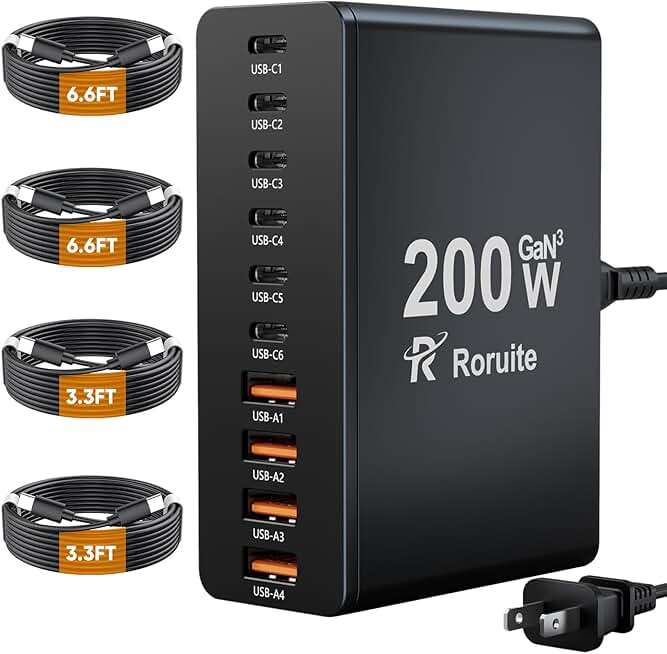
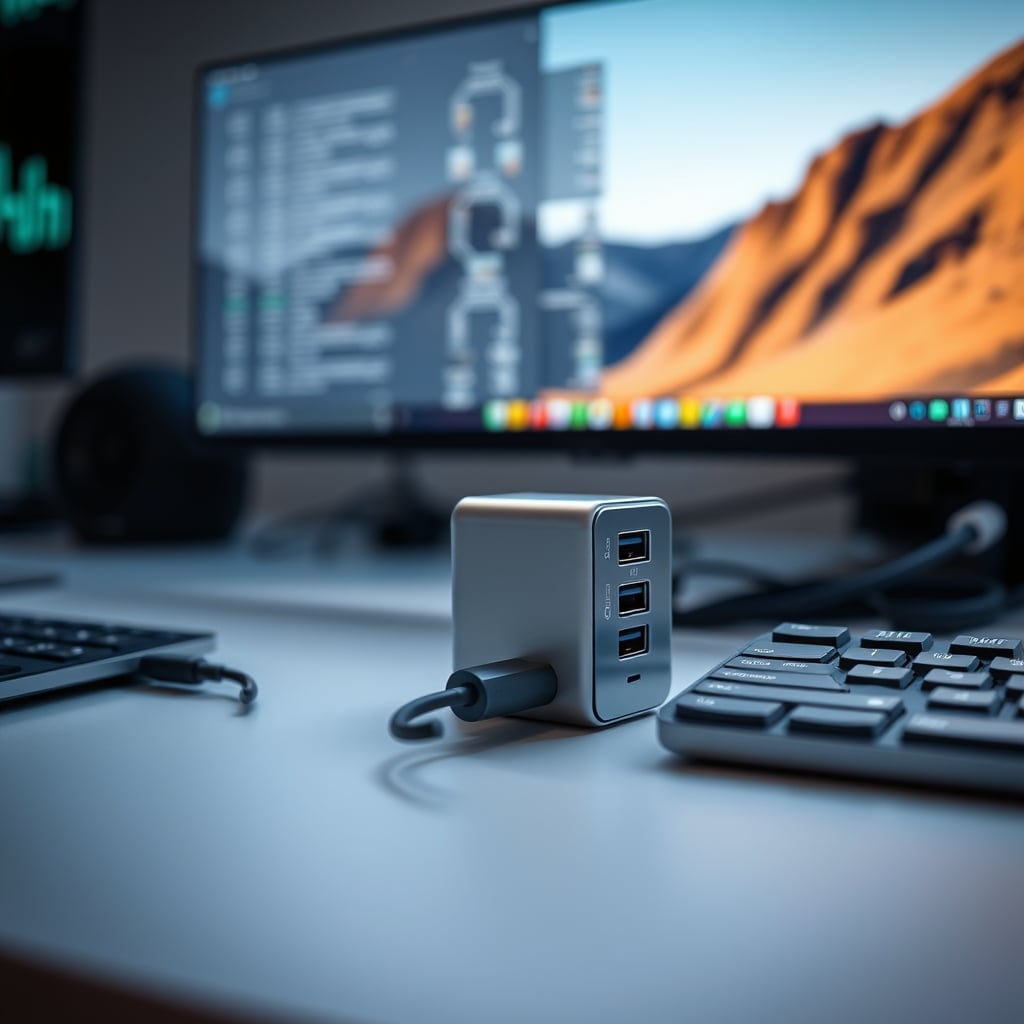
So what's the solution? Go back to wires. But intelligently. A high-quality, multi-port USB-C PD charging station placed centrally, paired with short, managed cables, provides faster, cooler, and more reliable power to all your devices. You retain the flexibility to move devices around your desk. The cable clutter is managed, not hidden. The efficiency is far superior, meaning less energy waste and negligible heat generation at the device. This is the real performance upgrade. For a look at how USB-C power limits are often misunderstood, check out USB C Power Limits Are Sabotaging Your Setup.
Final Verdict: Skip It
The wireless charging hub, especially the multi-device kind, is a solution to a problem that doesn't exist. The wireless charger emf radiation scare is a red herring distracting from the real issues: inefficient power transfer, damaging heat buildup, and rigid desk placement. The convenience is superficial and comes at a high cost to your device's health and your workflow's flexibility. Based on real use and widespread community reports, these hubs fail to deliver on their core promises. Skip it. Invest in a robust wired charging system instead. Your devices will charge faster, last longer, and your desk will actually be more functional.
For those insisting on a wireless solution for a single device, a dedicated, high-quality single-pad charger with proper thermal design might be tolerable. But for a desk hub charging multiple items? It's overrated hype. Don't waste your money on the convenience lie.
Frequently Asked Questions
Is wireless charger EMF radiation dangerous?
No, at the power levels used in consumer Qi chargers, the non-ionizing electromagnetic fields are not considered a health risk. The focus on EMF is a distraction from the real problems: heat generation and inefficient charging.
Why does my phone get hot on a wireless charger?
Wireless charging is inherently inefficient. A significant amount of energy is lost as heat during the transfer. Combined with poor thermal design in many hubs, this heat builds up in both the charger and your phone's battery, potentially degrading its lifespan.
Are multi-device wireless charging hubs worth it?
Generally, no. They often divide power poorly, leading to slow charging speeds for all devices, generate more concentrated heat, and fix your charging location to one inflexible spot on your desk. A good multi-port USB-C wired charger is faster, cooler, and more flexible.

Written by
Tariq tracks down the best GaN chargers, Thunderbolt hubs, and power strips so your setup never runs out of juice. He tests thermals and wattage delivery extensively.
Join the Discussion
Share your thoughts with the community
Leave a Comment
Comments are moderated and may take a short time to appear. Links are not permitted.