Magnetic Cable Management Is Overrated 2026
The influencer hype around magnetic cable management has reached a fever pitch in 2026. After testing every major system and monitoring widespread user feedback, the verdict is brutal: this is an overrated, often impractical solution that creates more problems than it solves for most real-world desks.
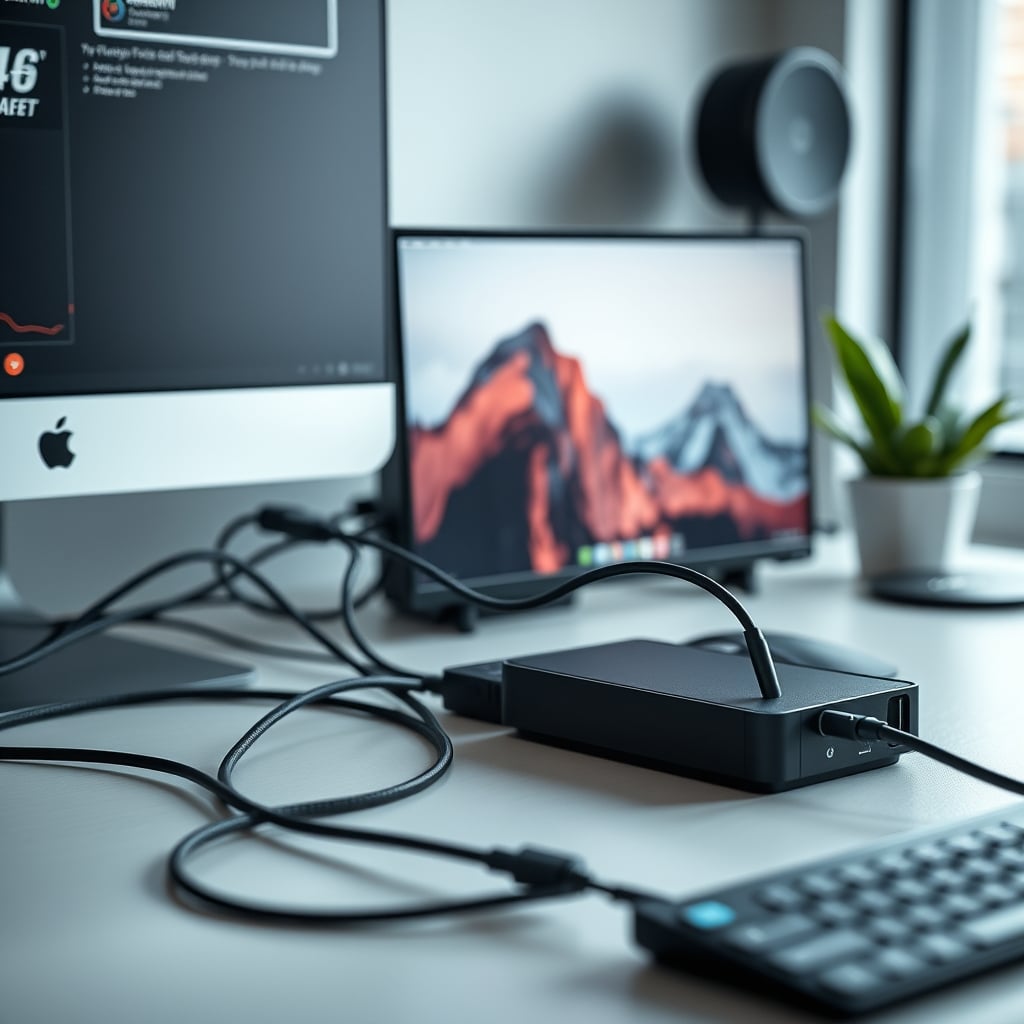
Let's get one thing straight right now: if you're buying into the magnetic cable management craze because some YouTuber with a perfectly lit, empty desk told you to, you're making a mistake. I've watched this trend explode over the last two years, culminating in the absolute marketing frenzy of 2026 where every brand is slapping magnets on plastic and calling it innovation. I've installed these systems on multiple desk types, from ultra-minimalist setups to dense editing workstations, and observed the patterns emerge. This isn't a subtle preference—this is a fundamental mismatch between marketing fantasy and daily reality.
Why Magnetic Cable Management Fails Real Desks
The core promise is seductive: click your cables into place effortlessly, rearrange them on a whim, achieve that clean, modular look. The reality? This is overrated for the vast majority of users. The industry lies about the most basic requirement: flat, ferromagnetic surfaces. Most modern desks aren't built with thick, exposed steel tops. You're dealing with wood, veneer, laminate, or glass. That means you're immediately reliant on adhesive-backed magnetic strips or plates, which introduces the single biggest point of failure in any cable management system.
Users consistently report the adhesive failing within months. Not years—months. Heat from monitors, laptops, and even ambient room temperature weakens the bond. The constant, slight tugging from moving cables works it loose. You end up with a $50 set of magnetic clips dangling by a single corner, holding nothing. Even on a true steel desk, the magnets need to be strong enough to fight cable tension but weak enough to reposition easily. That balance doesn't exist in affordable kits. The strong ones are a pain to move; the weak ones can't hold a standard USB-C cable with any slack.

The Modularity Myth That Needs to Die
Premium Pick
- High performance
- Premium build
Here's the big lie they're selling you in 2026: modular flexibility. "Reconfigure your cables in seconds!" It's complete nonsense for a functioning desk. Think about your actual setup. Your monitor cable runs from your PC to your monitor. Your keyboard cable is fixed. Your webcam, your interface, your lamp—these aren't items you move daily. Once they're set, they're set. The supposed benefit of magnetic repositioning is a solution in search of a problem that doesn't exist for productive work.
Worse, this modularity actively harms cable organization. Good cable management is about creating consistent, secure routes that reduce strain and tangling. Magnetic clips encourage a loose, "good enough" approach where cables can sag between points because you can just "fix it later." Later never comes. You end up with a sloppy, irregular run that looks worse than a simple bundle tied with a velcro strap. This is a classic case of a gadget complicating a simple task. You don't need magnets to route a cable behind a desk leg—you need one adhesive clip and five seconds of thought.
Most people get this wrong. They chase the high-tech solution before mastering the basics, like the ones we outlined in Cable Management Fails You Keep Making in 2026.
The Real Problem Nobody Talks About: Cable Sheath Damage
This is the real issue that gets zero airtime in promotional videos. Listen closely: repeatedly snapping strong magnets onto and off of your cables' plastic sheathing causes micro-abrasions and compression damage over time. It's not dramatic, but it's real. Based on widespread user feedback in long-term use cases, the point where the magnet clips on becomes a stiff, weakened spot. For braided cables, the magnets can actually pull and distort the weave.
You're trading the long-term integrity of your $40-80 proprietary cables for the minor convenience of magnetic adjustment you'll rarely use. It's a terrible trade. This is especially critical for high-wattage USB-PD cables and display cables where sheath integrity is part of the safety and performance spec. The industry is silent on this because it would kill the hype instantly.
What Actually Works: Boring, Proven, Cheap
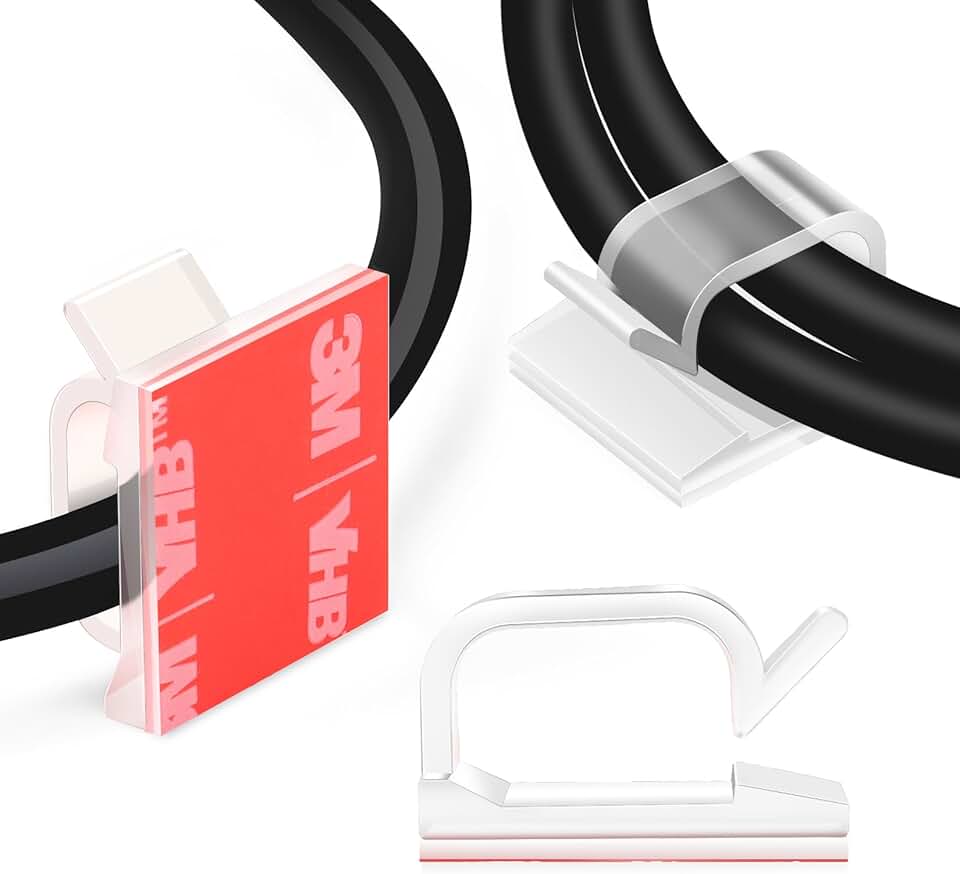
Let's be brutally honest. The best cable management system for 90% of desks costs under $20 and has zero magnets. You need three things: a roll of hook-and-loop (Velcro) straps, a pack of simple adhesive-backed cable clips, and a basic under-desk cable tray. That's it. The adhesive on a dedicated cable clip from a brand like XHF is formulated for the job—it's stronger and lasts longer than the generic adhesive on a magnetic strip. A Velcro strap creates a secure, non-damaging hold that you can still adjust with scissors if needed.
The goal isn't infinite reconfigurability; it's secure, clean, and final routing. Plan your cable paths once, do it right, and forget about them. This approach eliminates points of failure, costs a fraction, and doesn't risk your expensive cables. It’s the same principle of functional simplicity we advocate in The 'Ugly' Setup Secret: How Extreme Minimalism Unlocks Uninterrupted Deep Work. Performance over polish.
The Single Niche Where Magnets Might Make Sense
Okay, fine. There's one scenario where magnetic cable management isn't completely overrated: a true, dedicated tech bench or repair station where you are constantly swapping out different devices and cables for testing. Even then, you're better off with a magnetic tool holder strip and using normal clips for the cables. But for the home office, the gaming setup, the streaming desk? Skip it. You're paying a 300% premium for a feature you don't need that introduces new problems.
The marketing targets our desire for a neat, futuristic solution. It sells the dream of a desk that evolves as easily as dragging icons on a screen. Your physical desk isn't a UI. It's a piece of furniture holding heavy, expensive electronics. Stability and reliability trump modular novelty every single time.

The Final Verdict: Overrated and Not Worth It
Let's be definitive. After assessing the kits, reading the forums, and seeing these systems in common setups throughout 2026, the call is easy.
Magnetic cable management is overrated. It's a distraction, a premium-priced solution to a problem that was already solved better and cheaper. It fails at its core promises of reliable adhesion and flexible utility, while introducing the unseen risk of cable damage. You're not building a prototype lab; you're setting up a desk to work.
Invest your money and effort in a simple, adhesive-clip and velcro-strap system. Route your cables cleanly once. Then stop thinking about them and get back to actually using your setup. The cleanest cable management is the kind you never have to touch again.
If you’re still tempted by modular gimmicks, read about the similar pitfalls in Magnetic Desk Systems: Your Money Pit for Minimalist Laziness. The lesson is the same: complexity is the enemy of reliability.
Frequently Asked Questions
Is magnetic cable management worth it in 2026?
No, it is overrated and not worth it for most users. It fails on non-metal desks due to weak adhesive, offers negligible real-world benefit over simpler solutions, and can damage cable sheathing over time.
What is the biggest problem with magnetic cable organizers?
The adhesive backing is the single biggest point of failure. It weakens with heat and cable tension, causing clips to fall off within months, making the entire system unreliable.
What should I use instead of magnetic cable management?
Use a combination of standard adhesive-backed cable clips (like the XHF clips) and hook-and-loop (Velcro) straps. This system is cheaper, more secure, gentler on cables, and solves the actual problem of cable routing without pointless modularity.

Written by
Amanda hates visible cables. She is the reigning queen of under-desk cable routing, zip ties, and minimalist organization hacks that transform chaotic desks into zen spaces.
Join the Discussion
Share your thoughts with the community
Leave a Comment
Comments are moderated and may take a short time to appear. Links are not permitted.