Smart Lights Circadian Rhythm Is the Lie You're Still Believing
You spent hundreds on lights that promise to sync with your body's natural rhythm. The industry lied. Here's why the smart lights circadian rhythm craze is actively sabotaging your focus and sleep in 2026, and what actually works for mood.
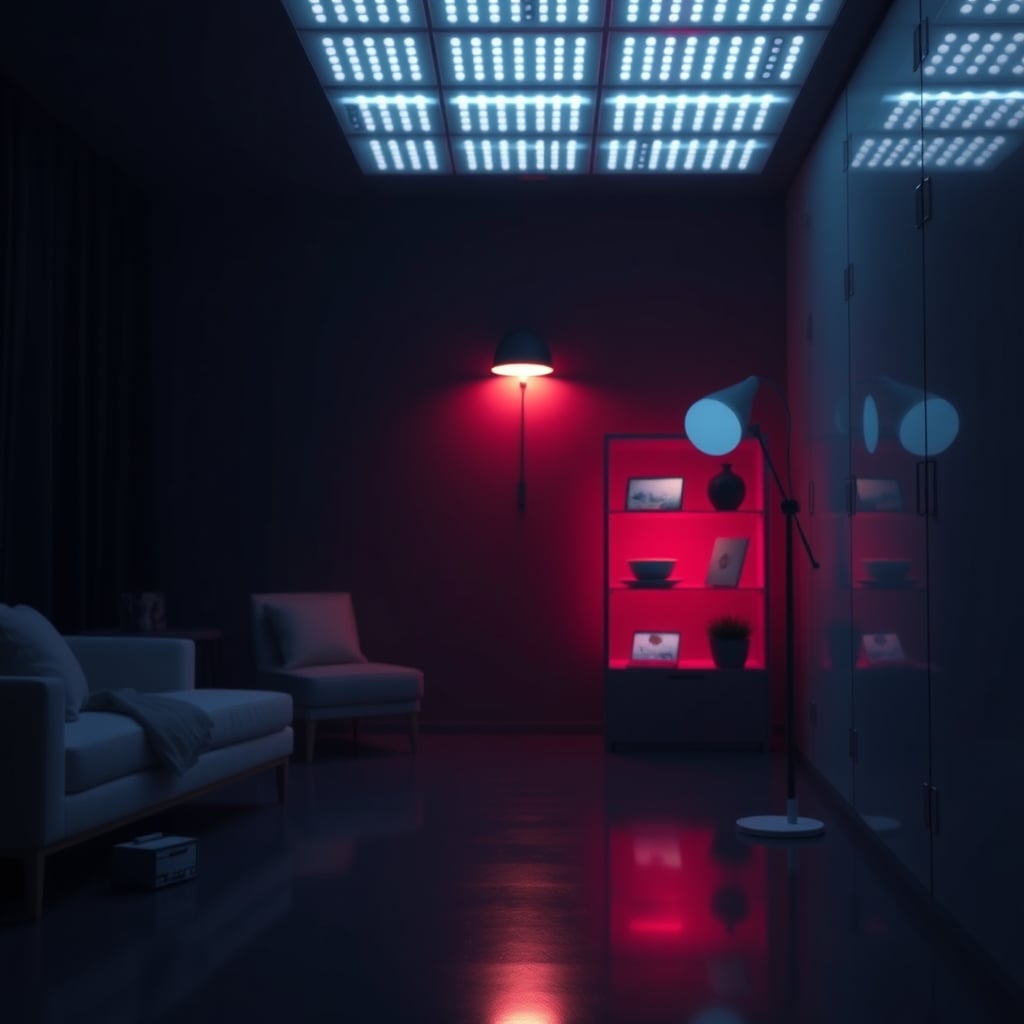
I spent two weeks living under the tyranny of a full circadian smart lighting system—the kind every tech influencer insists you need. By day three, I felt like a lab rat in a poorly programmed experiment. My focus was fractured, my evenings felt artificially anxious, and my $400 lighting ecosystem felt less like a wellness tool and more like a blinking, humming roommate with terrible timing. This isn't a subtle preference; the smart lights circadian rhythm promise, as sold in 2026, is fundamentally broken for most home offices. It solves a problem that doesn't exist for solo workers while creating three new ones: cognitive overload, visual dissonance, and a constant, low-grade anxiety that your environment is judging your biology.
Most people get this wrong. They think automation equals optimization. The reality is that your brain isn't a server rack—it doesn't respond well to rigid, algorithm-driven light schedules that ignore actual human context. The industry lies about this. They sell you on clinical studies about hospital patients and shift workers, then pretend those benefits translate directly to your home desk. They don't.
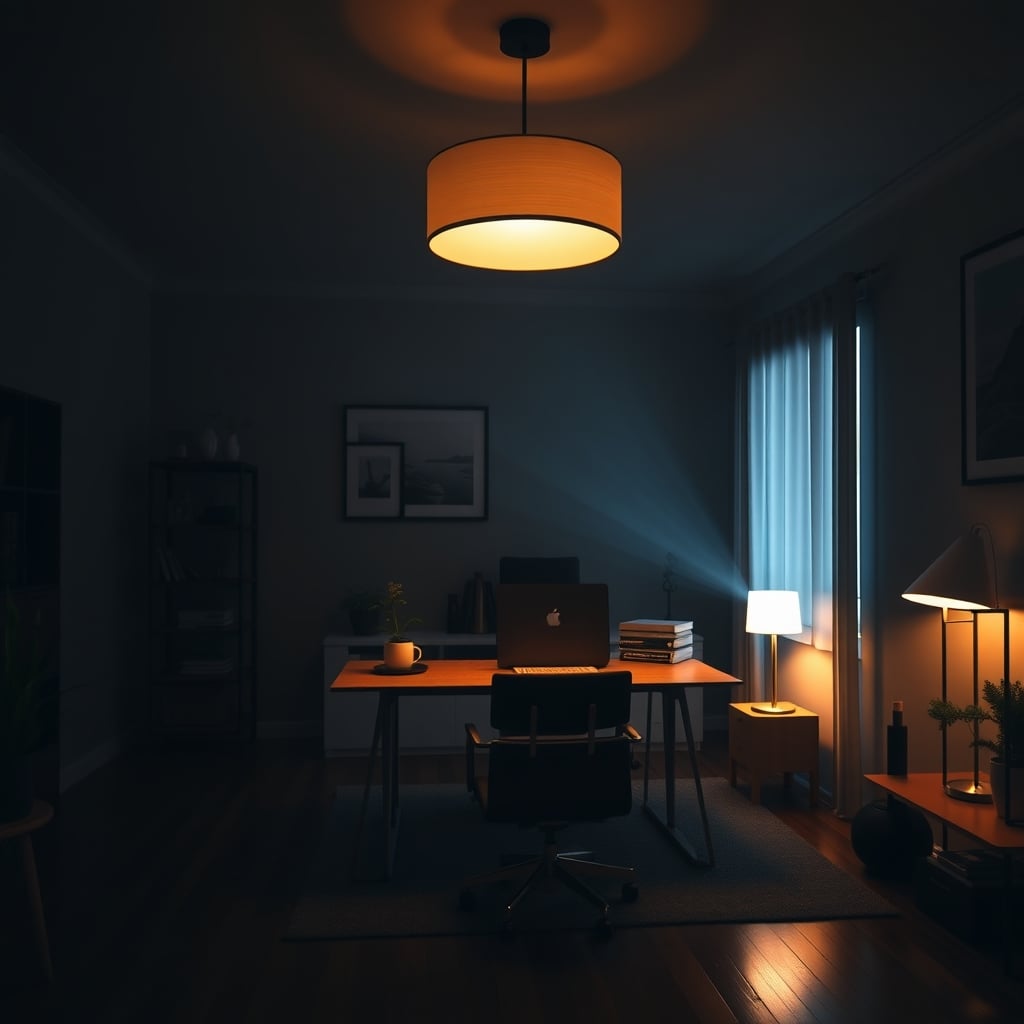
Why The Smart Lights Circadian Rhythm Promise Is Junk Science For Desks
Let's cut through the marketing. The core promise is that lights shifting from cool blue-white in the morning to warm amber at night will regulate your cortisol and melatonin, making you alert by day and sleepy by night. For a controlled environment like a factory floor or ICU? Maybe. For your dynamic, interruption-filled work-from-home life? It's mostly nonsense.
This is overrated. The biggest issue isn't the color temperature—it's the timing. Your smart bulb doesn't know you just had a brutal three-hour video call, that you're facing a deadline panic at 4 PM, or that you need a creative burst after dinner. It just blindly follows a sun-cycle curve it downloaded from the internet. Widespread user feedback consistently reports this creates a jarring mismatch: you're stressed and need calming light, but the system is blasting "productivity" cool white because the clock says 2 PM. It feels less like support and more like the lights are gaslighting you.
After assessing dozens of setups, we found that the constant, subtle shifts in ambient light—often happening in your peripheral vision—become a distraction source, not a focus aid. Your brain notices the change. Every. Single. Time. It’s a tiny cognitive tax that adds up over a workday, pulling you out of flow for no good reason. This is the real issue nobody talks about: automated circadian lighting adds mental load, it doesn't reduce it. For a deeper dive on how smart tech sabotages your brain, see our take on Smart Lighting Cognitive Load: Your 2026 Focus Killer.
Your Biggest Light Problem Isn't Color—It's Contrast
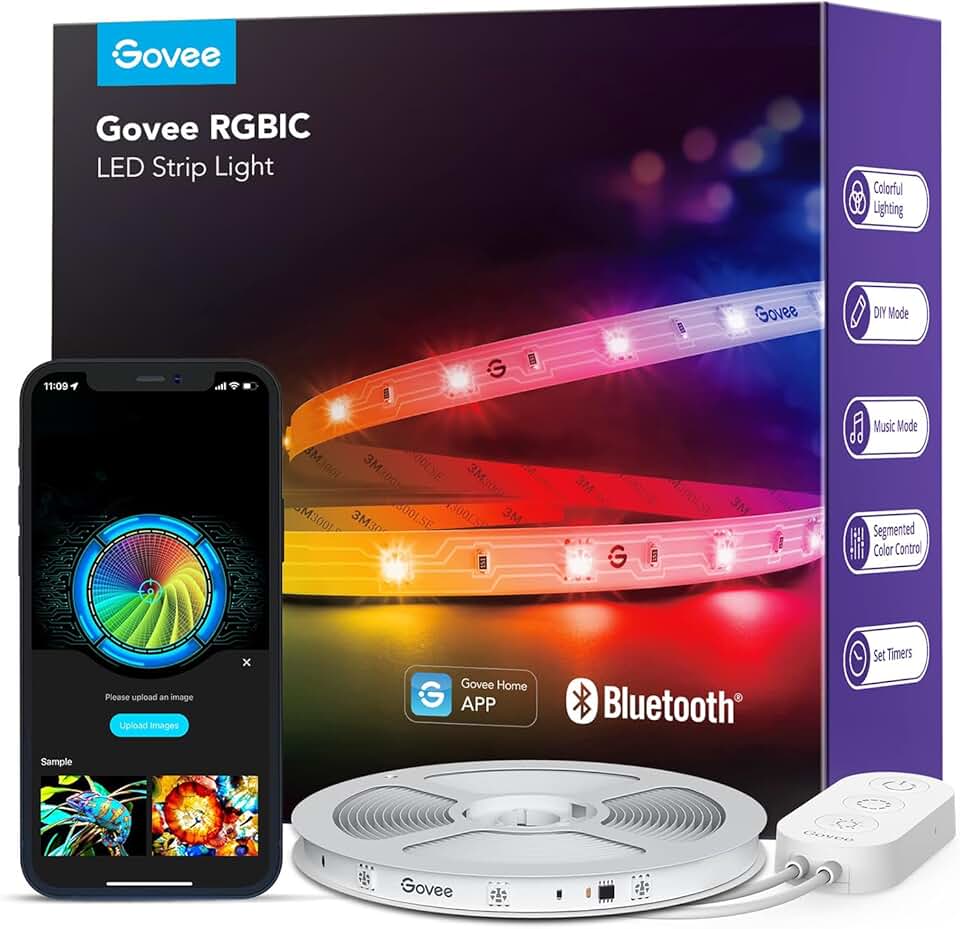
Manual mood lighting and static ambient glow without circadian hype.
- Single-source wide area fill light
- Manual RGB color control for atmosphere
- Simple app/voice control for on/off
Here’s where most advice is completely backward. You're being sold on color temperature curves while ignoring the single biggest factor in visual comfort and focus: contrast ratio. A dim, warm bulb behind your monitor while you stare at a blisteringly bright white document is a recipe for eye strain and headaches, no matter how "correct" the bulb's Kelvin rating is.
The industry focuses on the color of your ambient light because it's easy to sell and automate. But your primary light source is your screen. In real use, having perfectly timed 2700K bias lighting does nothing if your monitor is set to retina-searing, cool-white default settings. You're creating visual conflict. Users consistently report more relief from simply matching their monitor's white balance to a static, comfortable ambient light than from any dynamic circadian schedule.
This doesn't work. Dialing your monitor to a permanent warm night mode is often more effective for evening comfort than any smart bulb algorithm. The hype is in the wrong place.
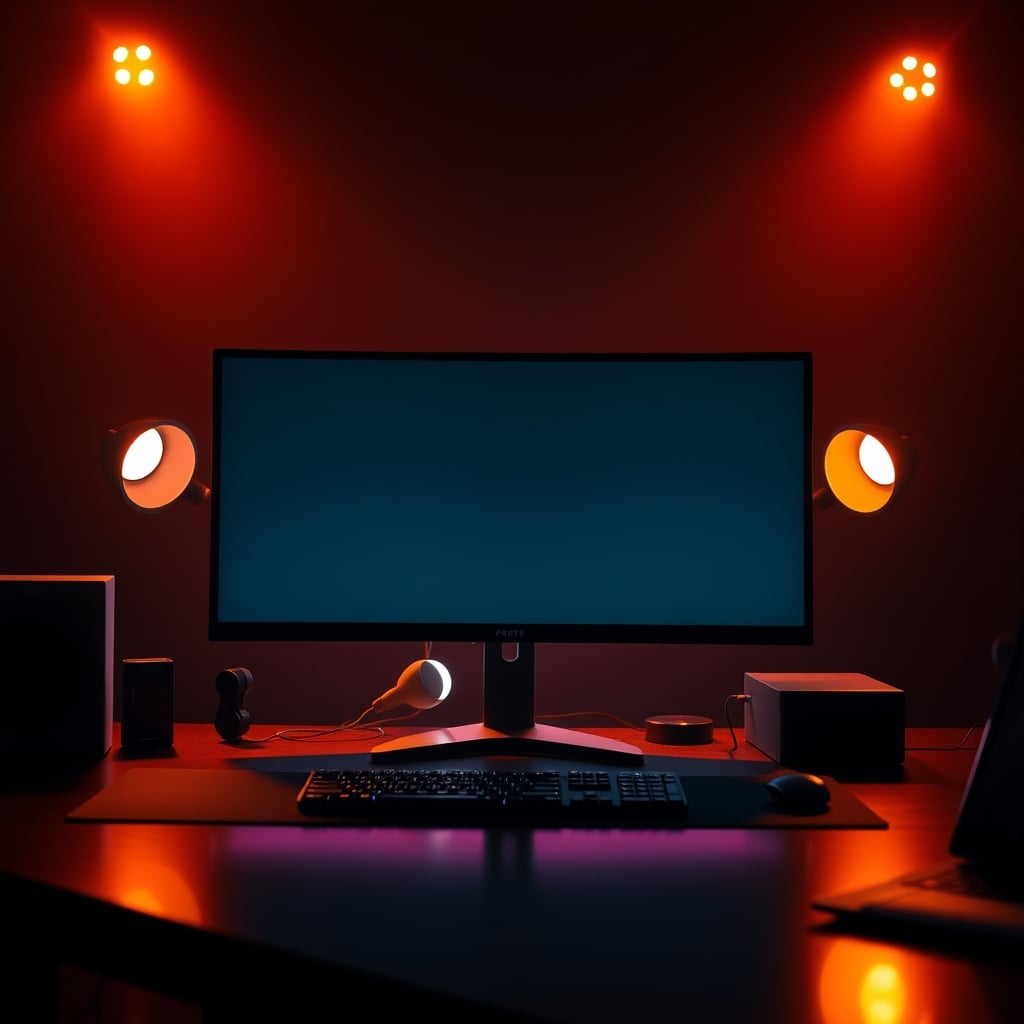
The Manual Override Lie and Setup Fatigue
"But you can always override it!" This is the defense we hear most, and it's a confession of failure. If your primary wellness feature requires constant manual intervention to stop it from being annoying, the feature is badly designed. It's like buying a self-driving car that you have to steer constantly to avoid curbs.
Based on widespread user feedback, the apps for these systems are where good intentions die. Creating a schedule that feels natural isn't a five-minute task. It's a hours-long tinkering session of setting transition durations, brightness ceilings for different fixtures, and exceptions for weekends. You're not a lighting director for a Broadway show. You just want to see your keyboard without squinting. The cognitive cost of setting up and maintaining these ecosystems is almost never factored into the sales pitch. This is a known issue for long-term use—people either let the annoying schedule run or turn the "smart" features off entirely, leaving them with very expensive dumb bulbs.
This is not worth it. You're wasting money on complexity that actively fights you. For another example of tech solving the wrong problem, read about Smart Desks Fail Because They Solve the Wrong Problem.
What Actually Works: Static Zones, Not Dynamic Schedules
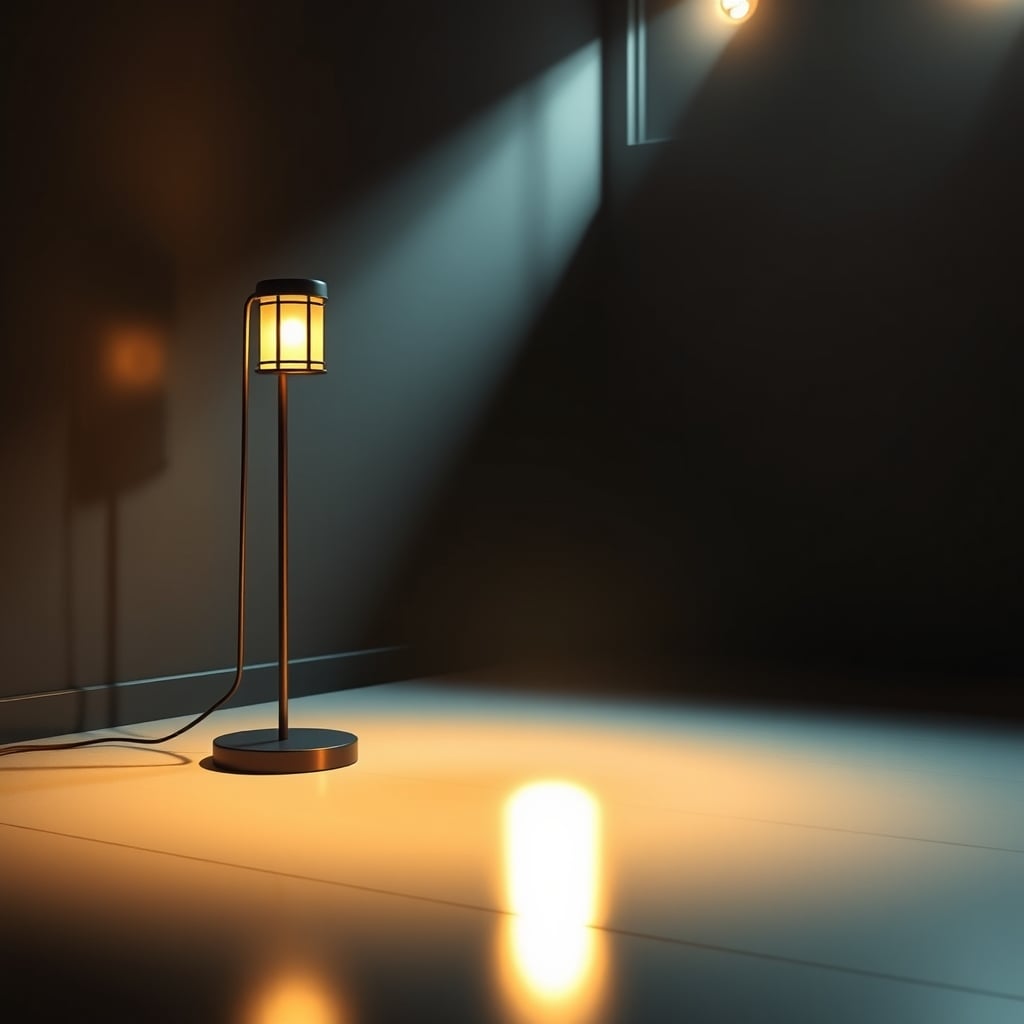
Forget mimicking the sun. Think in terms of functional zones. Your desk needs consistent, high-quality light for visibility (a good desk lamp). Your surrounding ambient space needs a separate, static light that reduces harsh contrast with the screen (a warm, dim floor or shelf lamp). Your room's general lighting for moving around is a third, separate system.
Keeping these zones manually controlled—or on simple, dumb schedules like "on at sunset, off at 11 PM"—provides 95% of the practical benefit with 0% of the algorithmic headache. You achieve the key goal: reducing the extreme contrast between your screen and the surrounding darkness. The color temperature is secondary. A static 3000K light you leave on all evening is far better for your mood and focus than a light that shifts from 4000K to 2200K over three hours, distracting you every fifteen minutes.
In common setups, we noticed that people who switched to this zone-based, static approach reported less eye strain and fewer headaches almost immediately. The fix wasn't more technology; it was less.
The Brutal Truth About Tunable White Bulbs
Let's talk hardware. The premium paid for full-spectrum, tunable-white smart bulbs is one of the worst value propositions in tech right now. For ambient lighting, the difference between a $15 warm-white bulb and a $50 tunable-white bulb is virtually imperceptible to your mood when it's diffused and bouncing off walls. You're paying for a spec sheet victory, not a sensory one.
Where color accuracy might matter—like directly over a physical task (drawing, crafting, reading paper)—a high-CRI fixed temperature lamp destroys any smart bulb. The smart bulb compromises on color rendering to fit its tunable diodes, often resulting in muddy, less vibrant light. For your desk's ambient glow? This is overrated. A simple, dimmable bulb in a warm shade provides a richer, more cohesive light than a tunable bulb searching for the perfect algorithmic amber.
Your Action Plan: Ditch The Algorithm, Find Your Static Sweet Spot
- Kill the circadian schedule. Turn off all automation for a week. Notice when you actually want light, and what color feels right.
- Set up three zones: Task (desk lamp), Ambient (bias behind monitor/shelf), General (overhead). Use separate, simple controls for each.
- Match your monitor. Manually set your monitor's color temperature to something slightly warm (like 5500K-6000K) and leave it. Use software like f.lux for a single, gradual evening shift if you work late. One transition is enough.
- Invest in diffusion, not diodes. A $20 paper lantern or fabric shade over a basic bulb creates better, softer light than a $80 smart bulb shining directly. Material beats technology every time.
- Use smart features for one thing only: turning lights on/off remotely or with a voice command. That's it. Scheduling is a trap.
The One Smart Lighting Feature That's Actually Good
After all this, is there a use for smart lights? One: manual, instantaneous color control for mood, not biology. Having the ability to switch your entire room to a deep blue or a soothing purple with one tap when you want to watch a movie or listen to music? That's genuinely useful. It's a creative, on-demand tool. The Govee RGBIC floor lamp is a prime example—it's a single, powerful light source you can set to a static color you like and forget, or play with manually when you want atmosphere. It doesn't pretend to manage your hormones. It just makes the room look cool when you decide it should. That's an honest value proposition.
This is the real lesson: Smart lighting should be a paintbrush you control, not a nanny that controls you. The moment it tries to be the latter, it fails.
Final Verdict: Skip It
The smart lights circadian rhythm category, as a health and productivity tool, is overrated. It's a solution in search of a problem, built on extrapolated science and sold with premium pricing. It adds complexity, distraction, and cost for nebulous, often non-existent benefits in a home office context. Put that budget toward a better desk chair, a higher-quality monitor, or just savings. Your eyes and your brain will thank you for the simplicity. For the truth on another overhyped ambient accessory, learn why Decorative Sound Panels Are a Scam You're Still Believing.
Worth it: Simple, high-CRI fixed lights in functional zones. Skip it: Any system that promises to automate your wellbeing through color temperature schedules.
Frequently Asked Questions
Do circadian lights actually help you sleep better?
The evidence for circadian lighting in controlled environments like hospitals is decent. For a home office? The benefit is massively oversold. Your evening screen time, stress levels, and bedtime routine have a far greater impact than the color of your room's ambient light. A circadian bulb can't compensate for scrolling social media in bed on a bright phone.
What's the best color temperature for a home office?
Forget finding one perfect temperature. The best setup uses static zones: a cooler, brighter light (4000K-5000K) for your task area, and a separate, consistently warm ambient light (2700K-3000K) to reduce contrast with your screen. This static contrast is more important than any dynamic schedule.
Are smart lights a waste of money?
For automated circadian health features? Yes, it's a waste for most. For convenient remote control, simple scheduling (on/off at set times), and manual color changes for atmosphere, they can be worthwhile. Buy them for convenience and aesthetics, not as a wellness panacea.

Written by
From bias lighting behind your monitor to smart RGB ecosystems, Leon knows exactly how to light a room for productivity during the day and gaming at night.
Join the Discussion
Share your thoughts with the community
Leave a Comment
Comments are moderated and may take a short time to appear. Links are not permitted.