The Decorative Sound Panels Scam You're Still Believing
Everyone is slapping decorative sound panels on their walls thinking it'll make them sound like a pro streamer. The truth? You're buying expensive, ineffective wall art that does almost nothing for your actual audio quality. This is the scam nobody wants to admit.
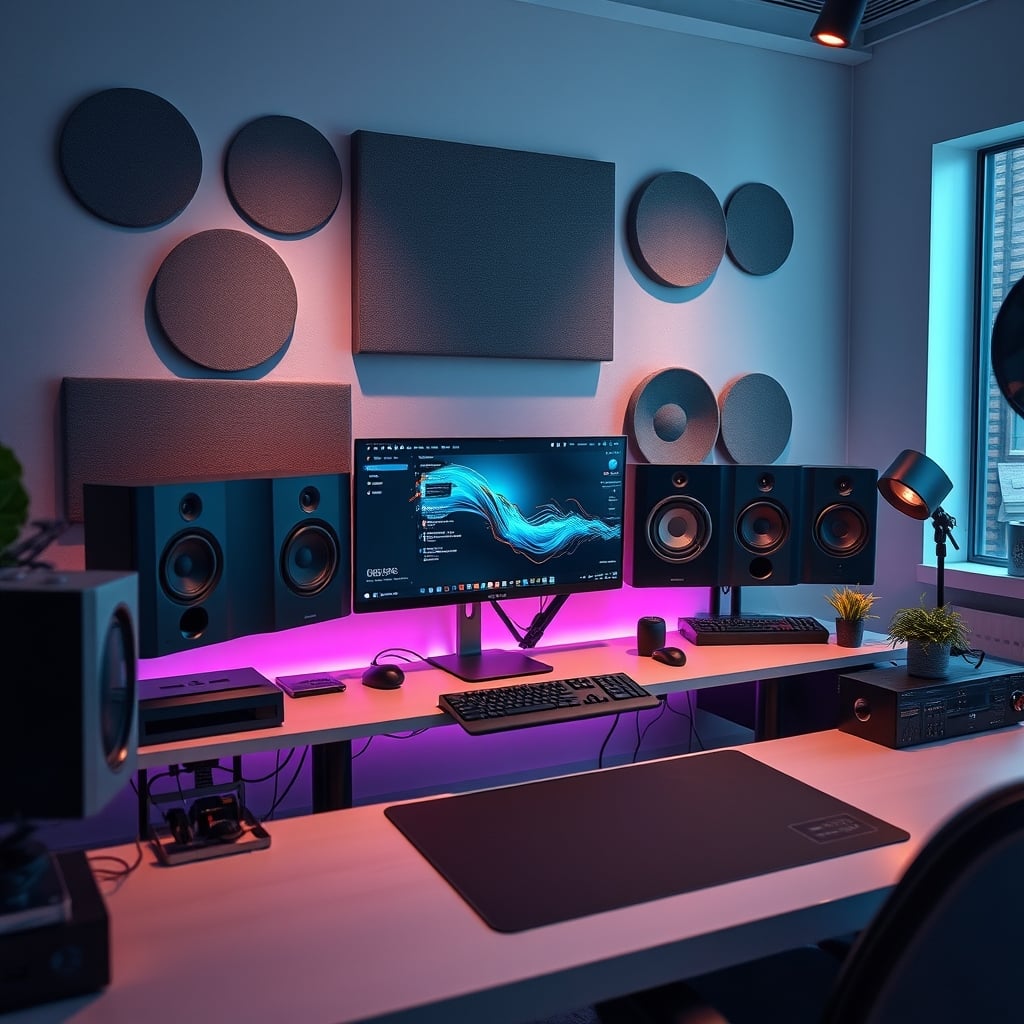
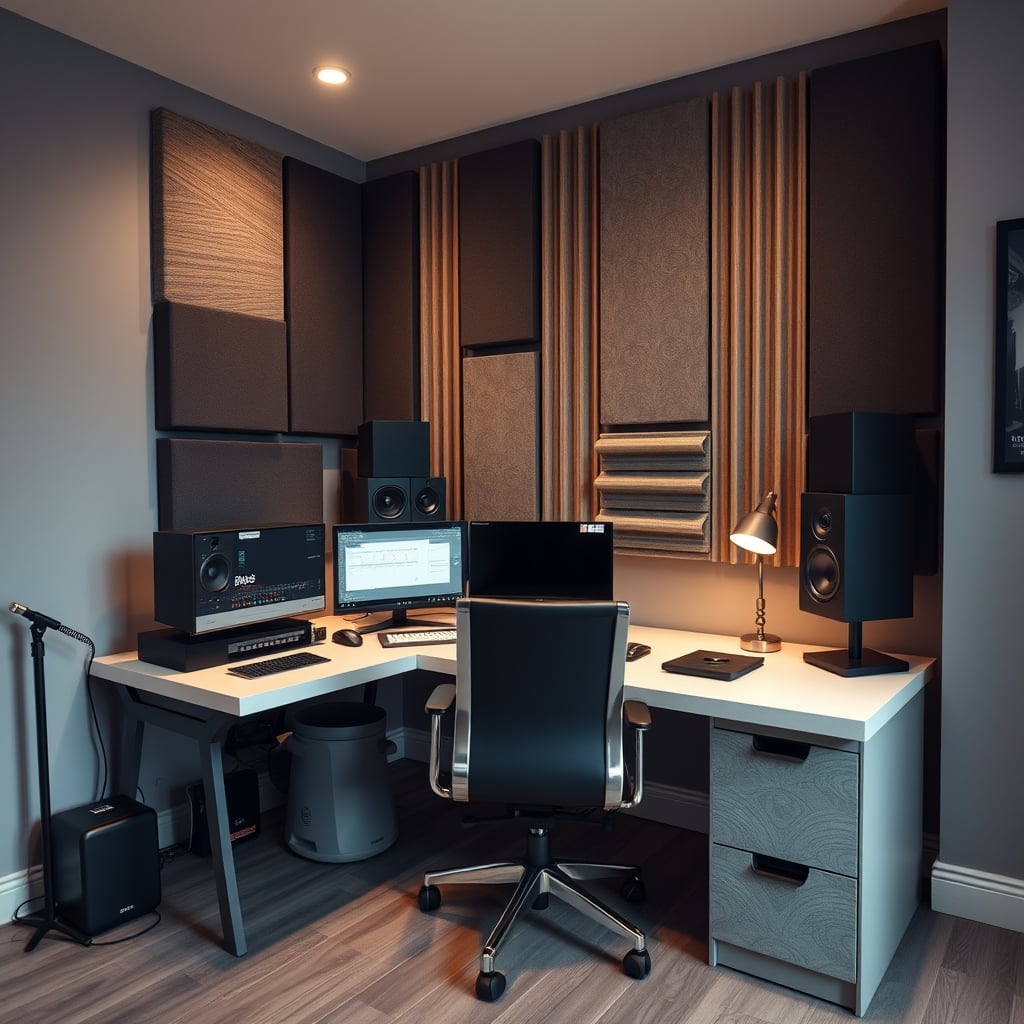
Here’s the biggest mistake you’re making right now: you think those pretty foam squares or geometric felt panels on your wall are actually improving your audio. You’ve been sold an aesthetic lie disguised as acoustic science. The industry wants you to believe that buying decorative sound panels is a two-for-one deal: you get cool wall art and pro-level sound treatment. The reality? You’re getting wall art that happens to be slightly fuzzy.
I’ve seen this play out a hundred times. Someone drops two hundred bucks on a slick-looking hexagon panel kit from a trendy brand, mounts them in a vague artistic pattern behind their webcam, and then wonders why their Zoom calls still sound like they’re in a bathroom. Users consistently report this exact disappointment. The panels look great on stream, but the voice quality improvement is negligible at best—often completely imaginary.
This isn't just about wasting money. It’s about wasted potential. You could have spent that budget on one single, proper piece of acoustic treatment that actually solves a problem, or you could have just bought a better microphone. Instead, you fell for the decor-first, function-second marketing that dominates this category in 2026.
Why The "Acoustic Decor" Myth Needs To Die Right Now
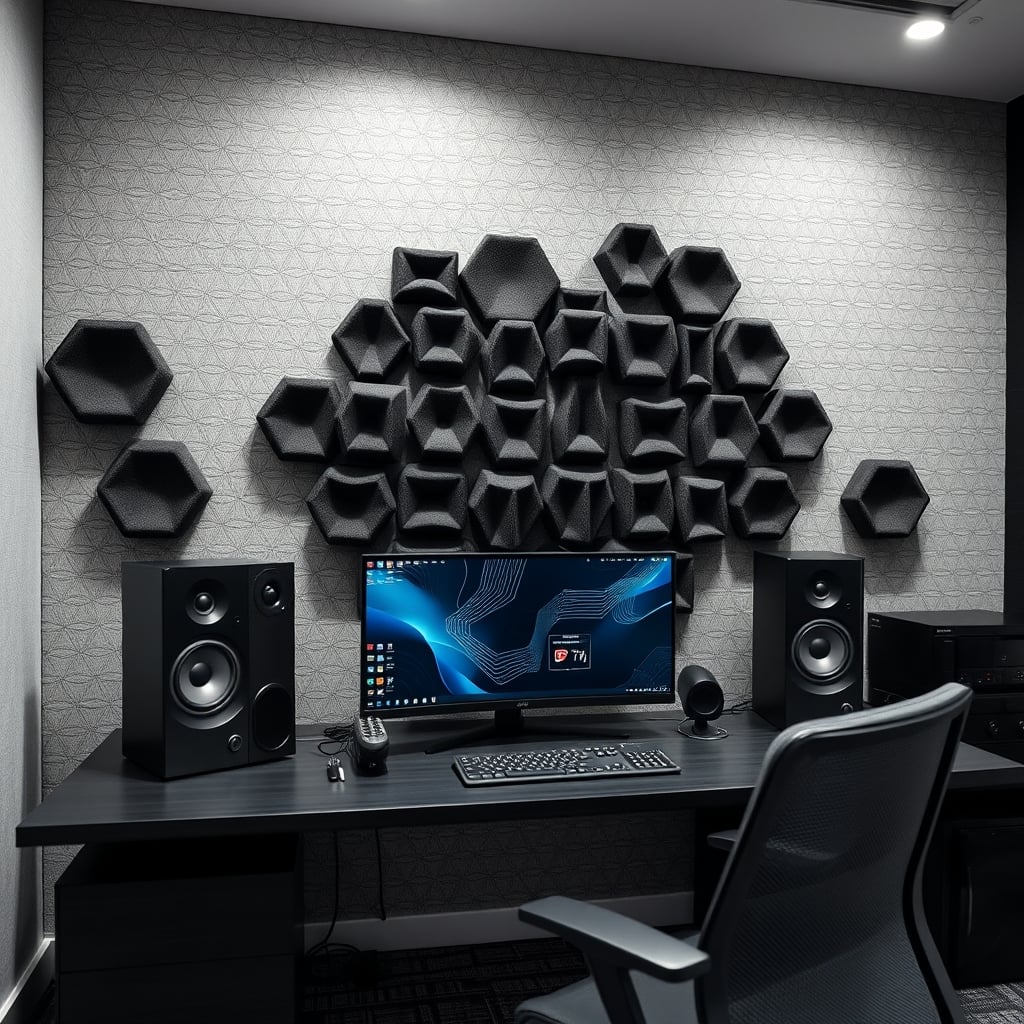
Let’s call this what it is: a complete myth. The idea that a thin, 1-inch thick panel of decorative felt or patterned foam can meaningfully treat room acoustics is pure marketing fantasy. Most people get this wrong because they confuse sound absorption with sound proofing, and decorative panels fail at both.
This is overrated. Full stop. The real issue is physics. To actually manage low-end frequencies—the rumble from your PC fans, the bass from your speakers, the muddy resonance in your voice—you need mass and thickness. Decorative panels are designed to be visually lightweight and easy to mount, which means they’re acoustically lightweight too. They might soak up a tiny bit of high-frequency flutter echo, but that’s like using a paper towel to mop up a flooded basement.
Based on widespread user feedback, the perceived improvement is almost always placebo. People feel like their room sounds better because they’ve invested in something labeled "acoustic." In blind A/B tests with proper measurement mics, the difference is frequently undetectable. The industry lies about this by showing you pretty pictures of streamers' rooms and implying correlation equals causation.
What Decorative Sound Panels Actually Do (And It’s Not Much)
Premium Pick
- High performance
- Premium build
Okay, let’s be brutally honest about their single, actual function: they look cool. That’s it. They are a textural element for your wall. If you approach them as purely decorative wall art with a slight acoustic side-effect, you’ll be happier. If you buy them expecting them to transform your audio for podcasting or streaming, you will be disappointed. This is a known issue for long-term users who eventually upgrade to real treatment.
The most they can handle is taming some high-end reflection directly behind your microphone. Think of the sharp "S" sounds or slight harshness. But here’s the catch: a thick curtain, a bookshelf full of books, or even a decent fluffy rug would do the same job for less money and look just as good. You’re paying a massive premium for the "acoustic" label slapped on a piece of fabric.
And let's talk about placement. Everyone mounts them in a scattered, artistic cloud on the wall behind them. That does almost nothing. For actual acoustic benefit, you need strategic placement at primary reflection points—something that rarely aligns with your Instagram-worthy layout. This is the real reason they fail: aesthetics trump acoustics in their design and your installation. For a more foundational approach, see our guide on How to Build DIY Acoustic Panels That Actually Work.
The One Place Decorative Panels Aren't a Complete Scam
I’m not saying to throw them all in the trash. There is a single, narrow use case where they make sense: killing first-order reflections in a very small, very specific frequency range for voice recording, if and only if you pair them with other, proper treatment. They can be a finishing touch, not the foundation.
Think of them like the garnish on a steak. The steak is your proper bass traps in the corners and your thick, dense broadband panels at your reflection points. The little decorative panel is the sprig of parsley. It’s not nourishing you, but it makes the plate look nice. Buying just the parsley and calling it dinner is the mistake you’re making.
If your room is already treated with 2-inch or thicker rockwool panels and you still have a tiny bit of high-frequency ring, then—and only then—can a decorative panel add a final layer of control. It’s the last 5%, not the first 95%. Starting your acoustic journey with decorative panels is like building a house by painting the front door first.
Your Real Alternatives That Actually Work
Stop looking at decorative sound panels as a solution. Start looking at the problem you’re actually trying to solve. Is your voice muddy on calls? The fix is almost never a wall panel; it’s microphone technique, a better mic, or software like Krisp or NVIDIA RTX Voice. Is your room echoey? Real absorption is cheaper and uglier, but it works.
For true sound treatment on a budget, skip the pretty foam. Get some rigid fiberglass or rockwool slabs (Owens Corning 703 is the classic for a reason), wrap them in acoustically transparent fabric, and build your own panels. The total cost is often lower than a fancy decorative tile kit, and the performance difference is night and day. It’s not glamorous, but it’s honest work.
If you absolutely must have the aesthetic, accept the trade-off. Buy them as art. Decorate your wall. Enjoy the texture and color. But do not for one second believe the marketing copy about "studio-grade sound control." That’s the lie you’re buying. For real acoustic insights, our piece on The Hifi Microphone Scam Is Overrated Snake Oil dives into another corner of the audio illusion.
The Final Verdict: Skip It (With One Caveat)
Overrated. Decorative sound panels are the poster child for style over substance in the 2026 desk setup world. They are the equivalent of putting a racing stripe on a minivan and expecting it to handle like a Ferrari.
Worth it only if you have zero acoustic expectations and are buying them solely as textural wall decor. You must go in with the mindset that any sound improvement is a lucky bonus, not a guaranteed result.
Skip it if you have any serious intention of improving your room’s acoustics for recording, streaming, or critical listening. Your money is actively better spent elsewhere—on a microphone upgrade, proper DIY panels, or even room correction software. This category preys on the hope that you can buy your way to good sound without dealing with the ugly, practical realities of acoustic treatment. That hope is expensive, and it’s false.
Frequently Asked Questions
Do decorative sound panels actually work for soundproofing?
No, not at all. Soundproofing requires mass, airtight sealing, and decoupling to block sound from entering or leaving a room. Decorative panels are thin, lightweight absorbers designed for very limited acoustic treatment within a room. They do nothing to stop sound transmission through walls.
What's the difference between decorative acoustic panels and real acoustic panels?
Real acoustic panels are thicker (2-4 inches or more), use dense, porous material like rockwool or rigid fiberglass, and are designed for maximum broadband absorption. Decorative panels prioritize looks with thin materials (often 1-inch foam or felt) and minimal, high-frequency-only absorption.
Where is the best place to put acoustic panels in a home office?
The most critical spots are the primary reflection points between your head and your speakers/monitors. You find these with the mirror trick: have a friend slide a mirror along the wall; when you can see your speakers in the mirror from your seated position, that's a reflection point. Corners are also key for bass traps. Decorative panels placed randomly on the wall miss these points.
Are foam acoustic panels like the pyramid ones any good?
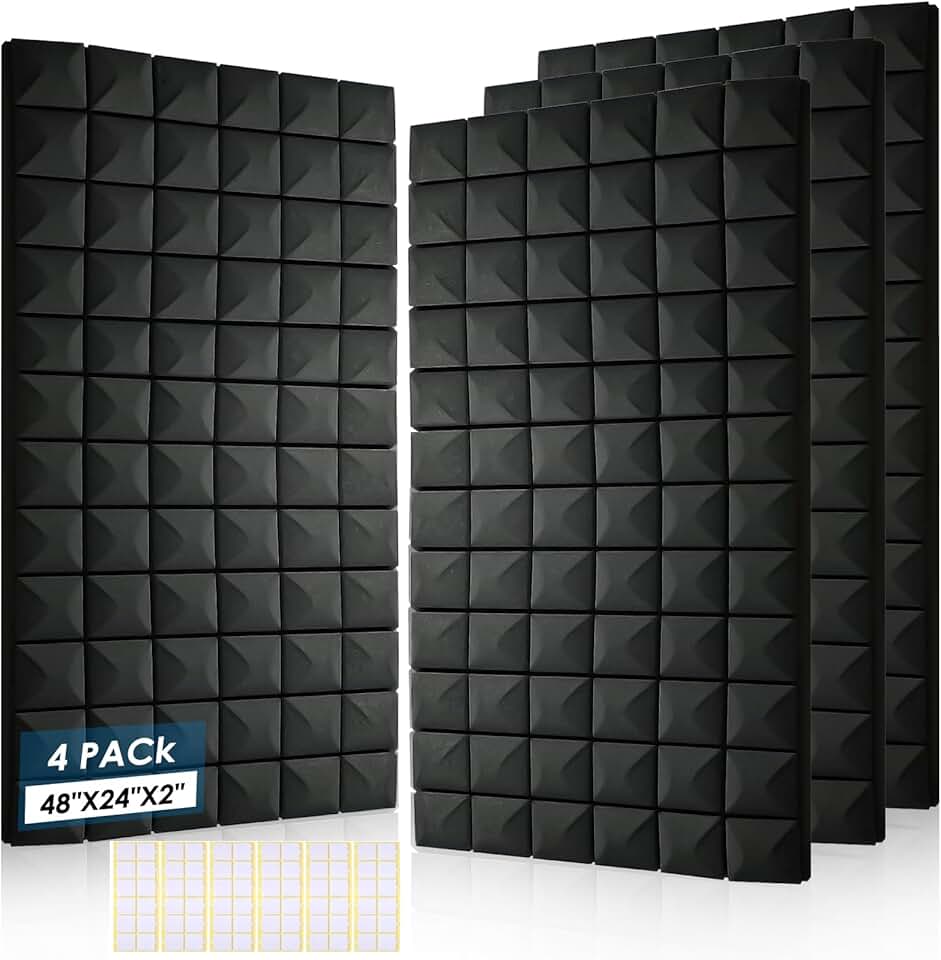
Cheap foam panels (like pyramid or wedge foam) are marginally better than decorative felt panels but still largely overrated for anything but high-frequency taming. They lack density and thickness for meaningful low-mid frequency control. They're a slight step up from decor, but not a professional solution. Users consistently report disappointment with their performance for voice and music.
Can I improve my room sound without ugly acoustic panels?
Yes. Soft furnishings are your friend. A thick rug, heavy curtains, upholstered furniture, and full bookshelves provide significant absorption. For a more targeted approach, you can build DIY panels with rockwool wrapped in attractive, acoustically transparent fabric that looks much better than industrial panels. The goal is to add soft, thick, porous materials to the room.
Written by
Maya is an enthusiast for biophilic workspace design. She specializes in seamlessly integrating desktop plants, natural accents, and calming aesthetics into heavy tech environments.
Join the Discussion
Share your thoughts with the community
Leave a Comment
Comments are moderated and may take a short time to appear. Links are not permitted.