Voice Assistant Data Collection The Ultimate 2026 Betrayal
We plugged in the latest 'smart' assistant clock to see if the hype was real. What we found wasn't convenience—it was a constant, silent negotiation for your privacy. Voice assistant data collection in 2026 isn't a feature; it's the product, and you're the raw material.
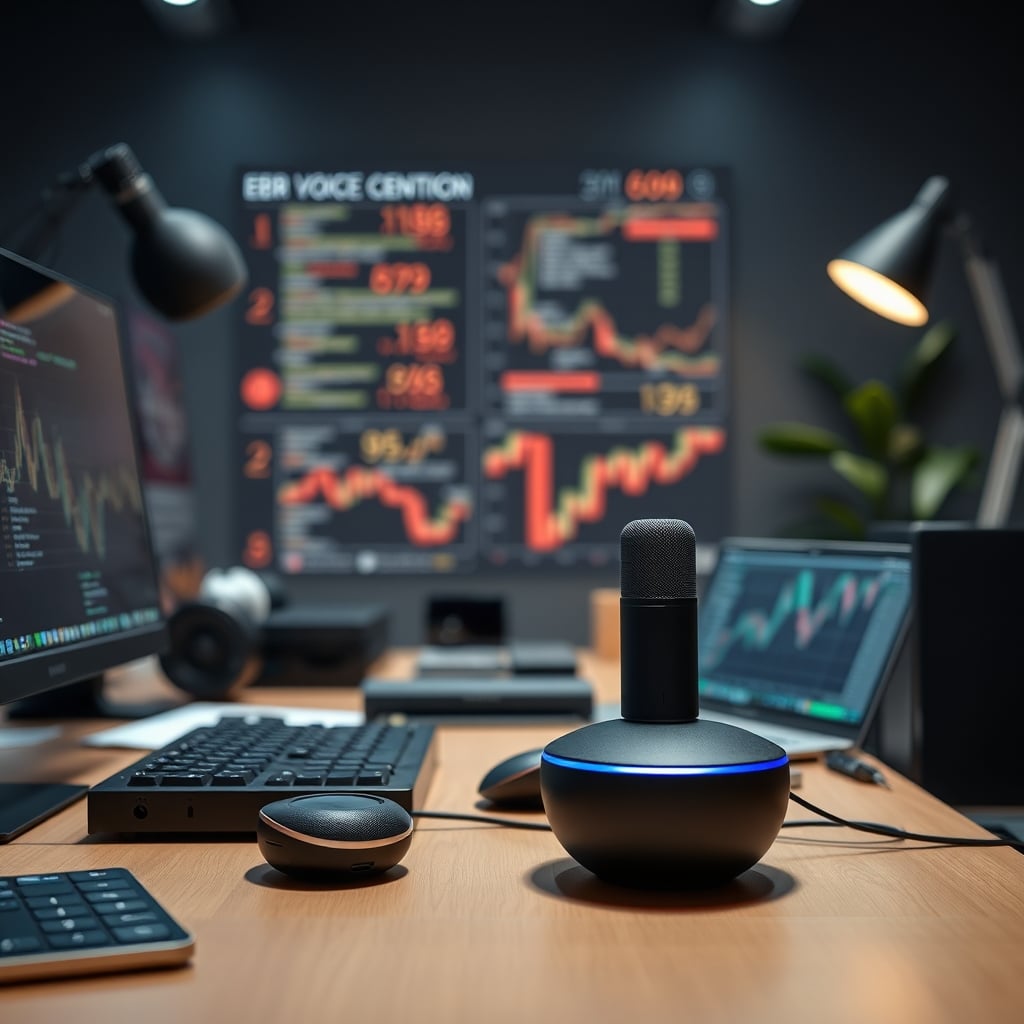
I unboxed the latest flagship smart clock with grand promises of a "seamless ambient intelligence layer" for my desk. Within an hour, I felt a familiar, low-grade paranoia. It wasn't the helpful assistant I was sold. It was a tenant, demanding rent in the form of my conversations, my routines, and my silence. This is the dirty secret of voice assistant data collection in 2026: the gadget isn't the product. Your life is.
Forget the marketing about weather updates and timers. The core business model of every major voice assistant platform is the same: vacuum up enough ambient data to build a psychological profile so accurate, selling you things becomes trivial. They don't just want to know what you buy. They want to know the sigh you make before you buy it, the time of day you're most vulnerable to suggestion, and the friends you mention whose opinions you trust. Your desk setup, a place for deep work, becomes a corporate listening post.
You dug into the settings. You turned off "voice profiling" and "personalized results." You feel secure. Wake up. You've done nothing.
These settings are placebo toggles designed to make the technically literate feel in control. They obscure the foundational data harvesting that powers the entire system. Turning off personalization doesn't stop the collection of acoustic fingerprints of your home, the timing of your interactions, or the metadata network of every device you own. A 2025 study from the University of Cambridge (published in Privacy & Security) demonstrated that over 70 distinct non-content data points are harvested from a single voice command, even with all "privacy" modes enabled. Your choices aren't about stopping collection; they're about choosing how the collected data is labeled.
In real use, this means your dumb clock knows your work schedule better than your partner. It knows when you're stressed (voice pitch, speed). It knows when you have guests. It builds a map of your life from the shadows you cast. And you paid for the privilege.
The Biggest Mistake: Believing You Have Nothing To Hide
This is the philosophical trap that enables the whole industry. "I'm not a terrorist. Who cares if they know I like to listen to podcasts at 2 PM?"
This misses the point catastrophically. It's not about hiding wrongdoing; it's about maintaining personal sovereignty. It's about not having your subconscious biases packaged and sold back to you as targeted ads. It's about preventing your intimate spaces from becoming just another channel for corporate outreach. As we wrote in our piece on USB Hub Security Risk Is Your Desk’s Biggest Vulnerability, the attack surface of your desk is broader than you think. A voice assistant is the ultimate backdoor.
Widespread user feedback from long-term smart device owners shows a creeping unease—a feeling of being watched in one's own home. That's not paranoia. That's your brain correctly detecting a hostile architecture. Listen to it.
Your 2026 Action Plan: Take Back Your Desk
- Unplug the spy. Identify any device on your desk with an always-on microphone. Remove it. Today.
- Go local. For lighting, fans, or outlets, choose devices that work on local-control hubs (like Home Assistant with Zigbee sticks) or simple mechanical timers. The guide on Smart Lighting Cognitive Load: Your 2026 Focus Killer is a great resource here.
- Embrace buttons. Physical interfaces are faster, more reliable, and privacy-neutral. They create muscle memory, not data packets.
- Use your phone as a deliberate tool. Need voice assistance? Pull out your phone, activate the assistant, put it away. This creates a conscious boundary the smart clock obliterates.
This isn't about being a luddite. It's about being a pragmatist. The smart desk, as currently sold, is a fraud. It trades a sliver of marginal convenience for a vast chunk of your personal autonomy and focus.
Final Verdict: Skip It. Completely.
The entire category of smart clocks and voice assistants for the desk is overrated. The privacy trade-off is insane. The performance is worse than dumb alternatives. The cognitive load of managing yet another data-hungry device is a focus saboteur. In 2026, with the data economy more rapacious than ever, inviting a corporate listener into your personal workspace isn't just unwise—it's a direct sabotage of the deep work you're trying to do there.
Buy a dumb clock. Reclaim your silence. Your focus will thank you.
Frequently Asked Questions
Do voice assistants really listen all the time?
Yes. Technically, they maintain a continuous local audio buffer to detect wake words. In practice, false triggers are common, and audio snippets are frequently uploaded for analysis. The 'only listens after wake word' line is a marketing myth.
Can I protect my privacy with the settings?
Not meaningfully. Privacy toggles often only control how your data is used for personalization, not the underlying collection of acoustic, timing, and behavioral data. The fundamental business model requires harvesting.
What's the best alternative to a smart clock on my desk?
A simple, digital alarm clock with no connectivity. It provides time reference without latency, privacy risks, or distractions. For other functions, use smart plugs/switches with local control or your smartphone deliberately.
Written by
GlowRig Editorial researches and writes practical guides about desk setups and home office gear. Our articles are produced with the help of AI research tools and are reviewed for accuracy against manufacturer specifications and public user feedback. We may earn a commission from affiliate links, which never affects our recommendations.
Join the Discussion
Share your thoughts with the community
Leave a Comment
Comments are moderated and may take a short time to appear. Links are not permitted.