Smart Pen Drawbacks
Forget seamless workflows and infinite canvases. The real smart pen drawbacks in 2026 are digital distraction, crippling latency, and a subscription model that owns your own thoughts. This is why the tool you bought to think better is making you dumber.
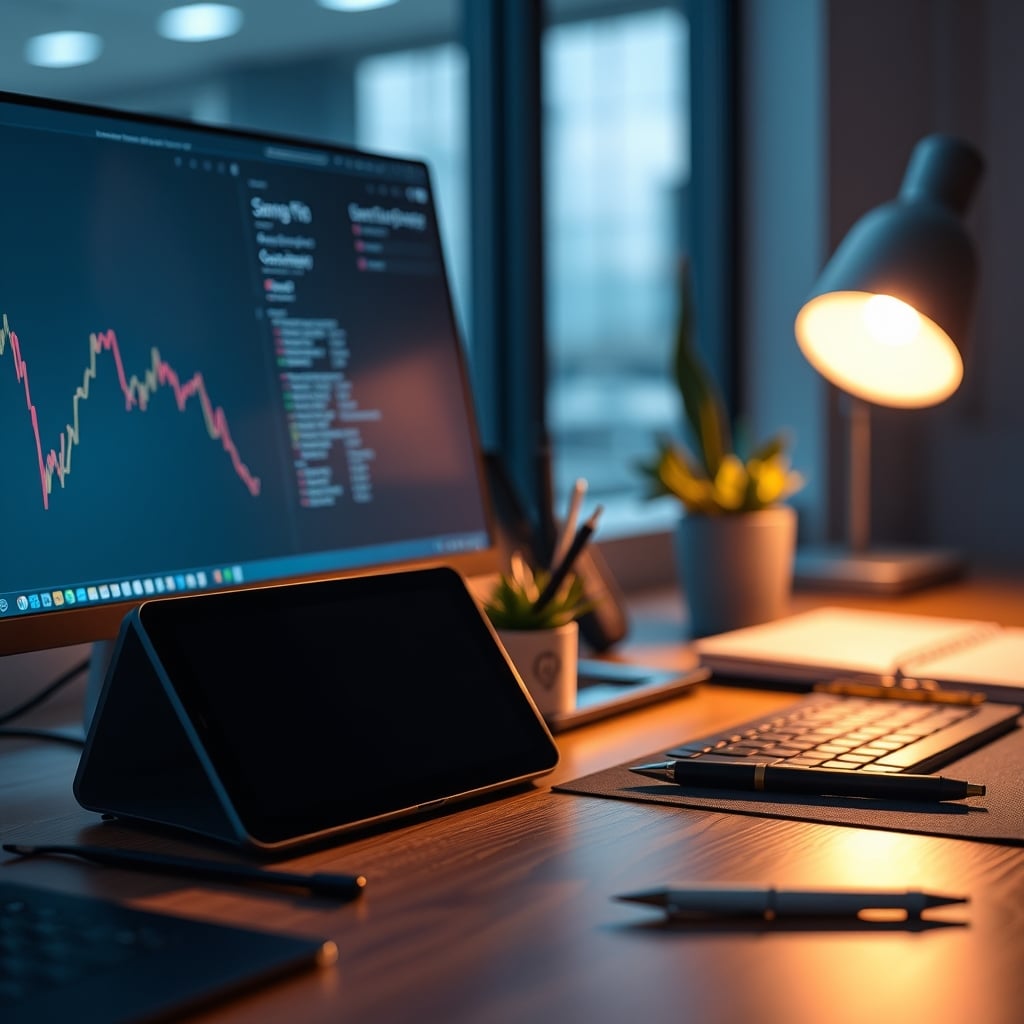
I bought into the smart pen hype for years. I had the latest tablets, the fanciest styli, the whole ‘digital brain’ ecosystem. I believed the marketing—that capturing every fleeting thought digitally would make me more organized, more creative, a super-productive machine. Then, in late 2025, I threw it all in a drawer and went back to paper. My focus didn't just improve; it exploded. The entire category of smart pens and digital notetaking is built on a flawed premise that values infinite storage over actual thought. The promised frictionless workflow is a lie. The real smart pen drawbacks aren't minor inconveniences; they're fundamental design flaws that actively sabotage the deep, linear thinking required for real work. This isn't about preference; it's about cognitive performance. And the industry has been lying to you.
The Core Problem: You're Paying For Distraction, Not Focus
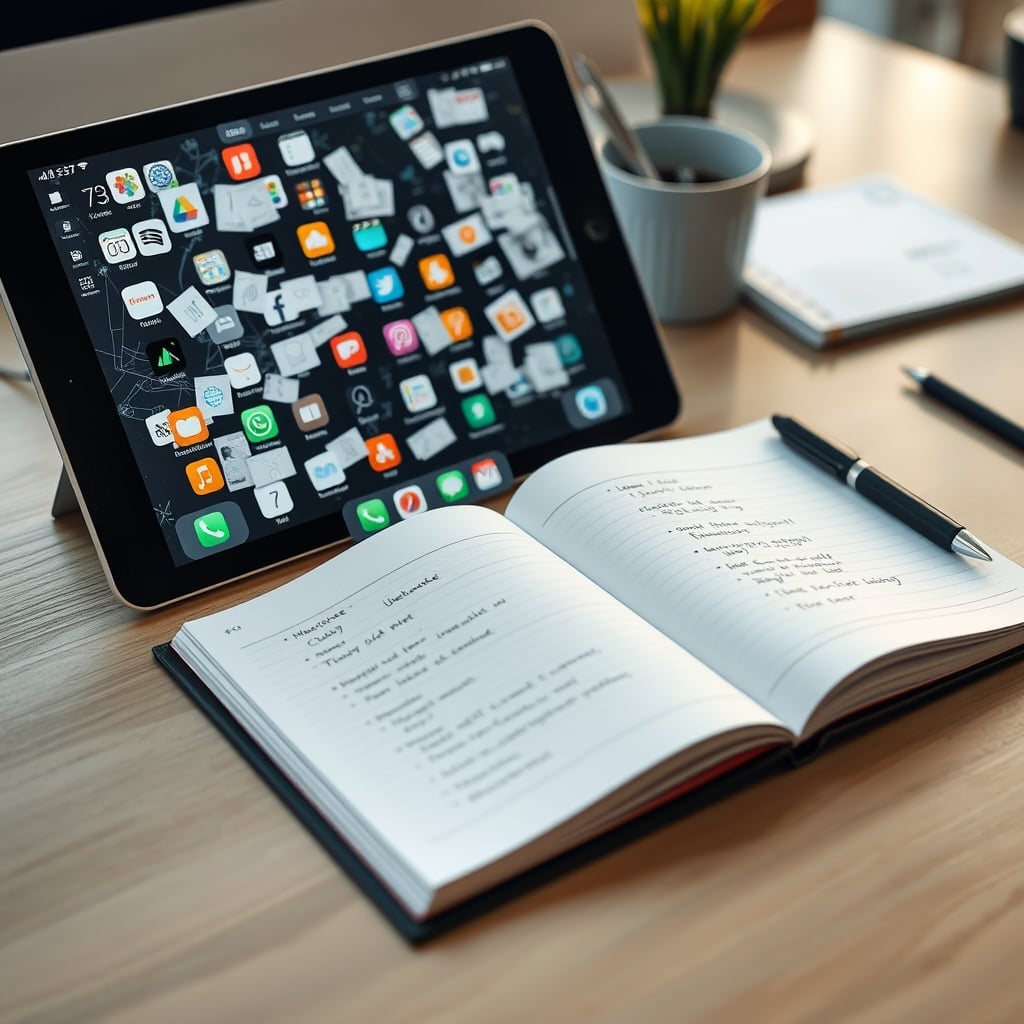
Smart pens are sold as focus tools, but they're distraction machines. Every notification sync, every battery alert, every software update prompt is a cognitive tax. You're not just writing; you're managing a device. The core promise of 'having all your notes in one place' is a trap. It creates a digital haystack where finding that one critical idea requires search terms, filters, and scrolling—a process that shatters your train of thought. In real use, this is a disaster. You open your notebook app to jot down a project outline, and you're immediately bombarded with yesterday's meeting notes, a random sketch, and three different 'quick notes' you forgot to file. This isn't organization; it's visual noise.
Most people get this completely wrong. They think a searchable digital archive is superior to a physical one. The reality is that the physical limitation of a paper notebook—its finite pages, its linear structure—is a feature, not a bug. It forces curation and prioritization. Your brain remembers where an idea is spatially on a page, which is a faster and more intuitive recall system than typing keywords into a search bar. The smart pen industry lies about this. They sell you on infinite canvas, but your brain doesn't work on an infinite canvas. It works in sequences.
The Latency Lie: Why "Feels Like Paper" Is Marketing Garbage
Premium Pick
- High performance
- Premium build
Every smart pen and tablet maker boasts about latency. "1ms response!" "Feels just like writing on paper!" This is overrated technical wankery that misses the point. The issue isn't the raw latency number on a spec sheet; it's the perceived lag in a complete system. Between the pen's Bluetooth signal, the device's CPU interpreting the data, the display's refresh rate, and the software's rendering engine, there's a chain of potential failure. In common setups, especially with older devices or when other apps are running, you get a disjointed, slippery feeling where the ink trail lags behind the tip. It's subtle, but it's enough to break the physical-to-digital illusion and pull you out of the flow state.
This is a known issue for long-term use. Users consistently report that after the initial novelty wears off, the slight disconnect becomes mentally grating. You start to notice it. You become conscious of the tool instead of the thought. And that's death for creativity. A cheap ballpoint pen on a legal pad has zero latency. The connection between mind and mark is absolute. The industry wants you obsessed with specs so you don't notice the real-world experience is inferior. This doesn't work as advertised for sustained, thoughtful writing or sketching.
Why The "Digital Brain" Myth That Needs To Die
This is the big one. The entire marketing narrative around smart pens is that they create a "second brain" or a "digital brain"—a perfect, searchable, limitless repository of your thoughts. This myth is not only wrong, it's actively harmful. It promotes hoarding over understanding. The act of writing by hand is a filtering and processing mechanism. Your brain engages differently when committing an idea to a finite physical space. The supposed benefit of having every note ever taken is actually a curse. It leads to note graveyards—massive, unreviewed digital piles that create anxiety and a false sense of productivity. You've "captured" everything, but you've processed nothing.
The reality, based on widespread user feedback and even academic studies on cognitive load, is that externalizing thoughts works best when the system has constraints. A paper notebook ends. You have to summarize, transfer, and synthesize to move to a new one. A smart notebook app never ends, so you never do that crucial work of distillation. You're building a library of rough drafts you'll never revisit. The myth of the digital brain needs to die because it convinces people they're being productive when they're just being busy. They're documenting instead of thinking.
Smart Pen Drawbacks: The Hidden Cost of Owning Your Thoughts
Let's talk about the ecosystem lock-in, because this is the most egregious smart pen drawback everyone ignores. You don't own your notes. You rent them. Your brilliant ideas, your project plans, your sketches—they live on a company's server, inside a proprietary app format. Want to switch from Brand A to Brand B? Good luck exporting your notebooks in a usable way. The company discontinues support for your older pen or tablet? Your access to your own work becomes fragile. This is a known issue that turns your most valuable asset—your thoughts—into a hostage situation.

It's not just about the hardware cost. It's about the subscription fees for cloud sync, for "premium" features like different pen styles or unlimited notebooks. You're paying a monthly fee for the privilege of accessing your own mind. This is insane. A stack of paper notebooks costs a one-time fee and is universally accessible forever, with no login required. The smart pen industry has successfully monetized your fear of losing information, but in doing so, they've made that information more vulnerable to software obsolescence and corporate whims than a fireproof safe.
The Practical Alternative: How Paper Actually Wins in 2026
So what's the solution if you need to get things done? It's not another gadget. It's a return to the primitive, proven technology that has worked for centuries: ink on paper. But not just any paper. A simple, well-structured analog system demolishes the digital equivalent for focused, creative, and strategic work. I'm talking about a dedicated notebook for a single project or a single quarter. No distractions, no notifications, no settings to tweak. The barrier to entry is zero. The cognitive overhead is zero.
After making the switch, the difference was jarring. My planning sessions became faster and more decisive. My meeting notes were shorter and more actionable because I was forced to listen and synthesize in real-time, not just transcribe. And perhaps most importantly, I stopped losing ideas. Because they weren't lost in a digital abyss; they were in the book on my shelf, which I could grab and flip through in seconds, leveraging my spatial memory. For the few things that need to be digital? I take a photo with my phone and drop it into the relevant project folder. That's it. The workflow is simpler, faster, and entirely under my control.
This isn't about being a Luddite. It's about using the right tool for the right job. For deep thinking, planning, and creating—paper wins. For collaborative documents, spreadsheets, and final drafts—digital wins. The mistake is trying to force one tool to do everything. The smart pen attempts to bridge that gap and fails at both ends, introducing the worst aspects of each world.
The Single Biggest Mistake Smart Pen Users Make
They try to replicate their entire physical workflow digitally. They scan every document, they save every receipt, they write every grocery list in their $200 smart notebook. This is a waste of money and mental energy. The tool is being used for tasks it's catastrophically bad at. The real power of a smart pen could be for specific, high-value tasks: marking up PDFs for review, creating complex diagrams that need to be editable, or live whiteboarding in a remote meeting. But that's not how they're marketed or how most people use them. They're sold as a complete replacement for paper, which they are not and will never be.
If you insist on staying in the digital realm for note-taking, look at a basic drawing tablet hooked to your computer with a simple, non-proprietary app like OneNote or Obsidian. You bypass the locked-in hardware, you own your files, and you avoid the distracting, toy-like interfaces of the dedicated smart notebook apps. But you'll still face the latency and cognitive disconnect. There's no free lunch here.
Final Verdict: Skip It
The entire category of dedicated smart pens and digital notetaking notebooks is overrated for anyone whose goal is deep, focused, creative work. The smart pen drawbacks—the distraction, the latent disconnect, the ecosystem lock-in, the subscription traps—far outweigh the dubious benefits of searchability and infinite space. They are solutions in search of a problem, creating complexity where none needed to exist. In 2026, with AI promising to organize our chaos for us, the value of a slow, intentional, physical process is higher than ever. Your time and attention are your most valuable resources. Don't let a gadget fragment them.
Verdict: Skip it. Put the money toward a great chair, a better monitor, or just a really nice leather notebook and a pen you love. Your brain will thank you. If you want to understand more about how the pursuit of perfect gadgets ruins focus, read our take on Biofeedback Productivity Tools The Brutal 2026 Truth or the classic The Smart Pen Distraction: Why Digital Notetaking Tools Are Killing Your Focus.
Frequently Asked Questions
What is the biggest smart pen drawback no one talks about?
The biggest drawback is cognitive distraction and ecosystem lock-in. Smart pens turn the simple act of writing into a device management task, with notifications, battery life, and sync issues. More critically, your notes become trapped in proprietary apps and cloud services, meaning you don't truly own your own thoughts and are vulnerable to software obsolescence.
Are smart pens good for drawing or just note-taking?
They are significantly overrated for serious drawing due to persistent latency and the slippery, disconnected feel compared to direct mediums like paper or a screen-equipped display tablet. For professional artists, a dedicated graphics tablet or display is superior. For note-taking, the drawbacks (distraction, lock-in) outweigh the benefits for deep focus work.
Should I use a smart pen for studying?
No. Studies on cognitive load show that handwriting on paper leads to better information processing and recall. The searchability of digital notes is a false benefit for learning, as the act of manually organizing and reviewing physical notes is part of the encoding process. Smart pens introduce unnecessary digital friction.
Written by
GlowRig Editorial researches and writes practical guides about desk setups and home office gear. Our articles are produced with the help of AI research tools and are reviewed for accuracy against manufacturer specifications and public user feedback. We may earn a commission from affiliate links, which never affects our recommendations.
Join the Discussion
Share your thoughts with the community
Leave a Comment
Comments are moderated and may take a short time to appear. Links are not permitted.