The Carbon Fiber Chair Scam Is Your $2500 Mistake
Carbon fiber is dominating tech influencer setups, promising elite performance and space-age ergonomics. It's a complete fabrication. We expose why this trend is a scam built on marketing, not material science.

I fell for it. The allure of that Formula 1-derived weave, the promise of ultimate strength-to-weight ratio, the sheer, unadulterated tech bro flex. I sat in a $2,700 carbon fiber throne, ready to feel the future of ergonomics. What I felt was a cold, unforgiving slab of over-engineered marketing, a perfect symbol for the carbon fiber chair scam that’s currently gutting wallets in the name of “performance.” The industry is lying to you. This isn’t about better seating; it’s about paying a massive premium for a visual gimmick that fails at the core task of keeping you comfortable and supported for eight-hour workdays.
Let's be blunt: the push for carbon fiber in desk chairs is a solution in search of a problem. Chair manufacturers have run out of real innovations in adjustability, dynamic support, and actual ergonomic science. So, they’ve latched onto a material that screams “expensive” and “high-tech” to uninformed buyers. The reality is that the properties that make carbon fiber fantastic for a supercar monocoque or a racing bike frame are utterly irrelevant, even detrimental, for a piece of furniture you sit in all day. This is not an evolution; it’s a distraction.
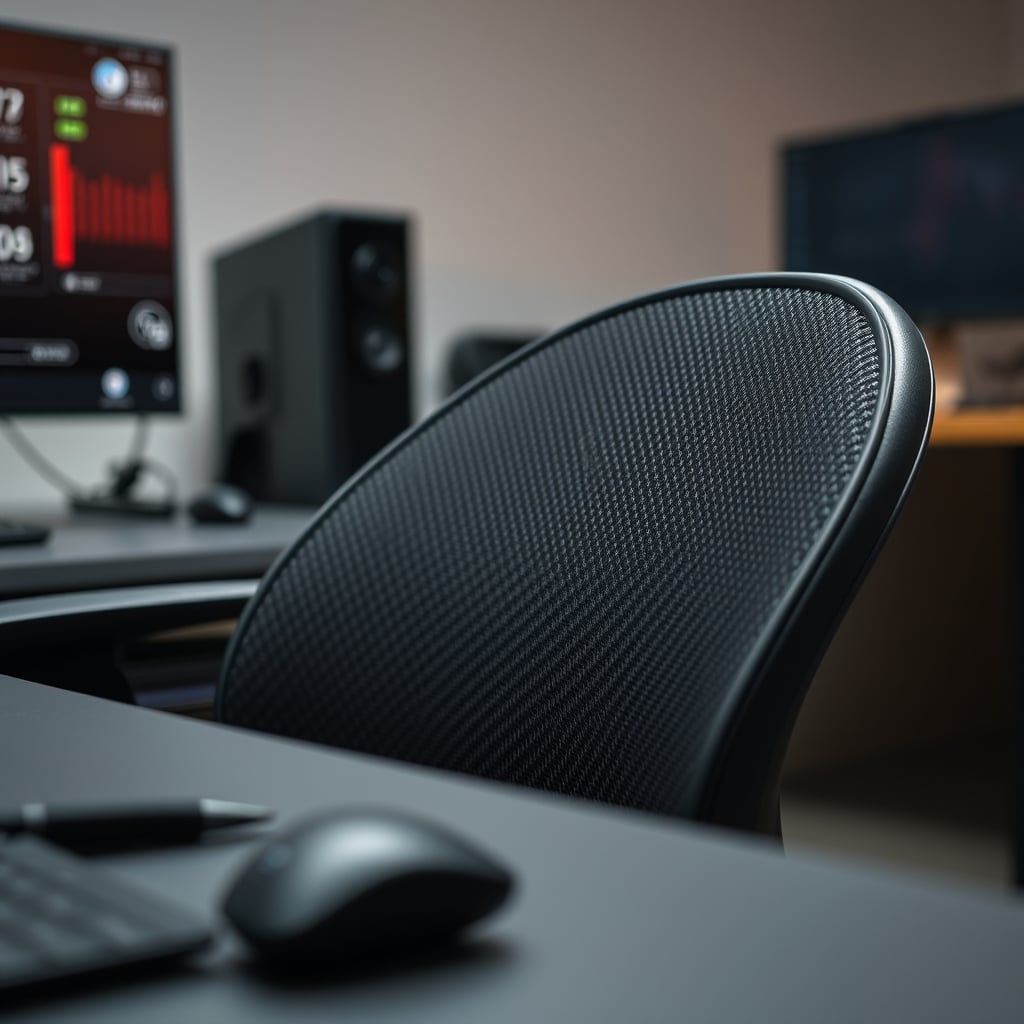
Why Carbon Fiber Is a Terrible Choice for a Desk Chair
This is the core of the scam. Proponents will rattle on about strength and weight savings. Great. Your desk chair isn’t entering the Tour de France. The primary function of an ergonomic chair is to provide dynamic, breathable, adaptable support. Carbon fiber is rigid. It doesn’t flex. It doesn’t breathe. It’s thermally conductive, meaning it gets cold in winter and can get uncomfortably warm. In real use, this translates to a seat pan that feels like sitting on a polished rock, not a supportive cushion. The weight savings are a joke—saving 5 pounds on a 30-pound chair you never move is the definition of a worthless optimization. You’re paying for a spec sheet victory that has zero tangible benefit in your home office, while sacrificing the very comfort you bought the chair for. This is overrated.
Where carbon fiber might make sense is in structural components like the chair base or arms, where rigidity is key. But even there, high-quality aluminum or polymer blends do the same job for a fraction of the cost and without the horrific environmental footprint of carbon fiber production. The industry lies about this. They want you to believe the entire shell must be carbon to be “premium,” but it’s purely for aesthetics and margin. The real engineering in a good chair happens in the mechanism, the tilt tension, the lumbar system, and the seat foam. Carbon fiber is just a very expensive wrapper.
The Uncomfortable Reality of Long-Term Use
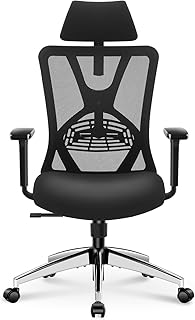
Users seeking high adjustability and lumbar support without hype-driven pricing.
- Fully adjustable lumbar support
- Breathable mesh backrest
- 3D adjustable armrests
Based on widespread user feedback from early adopters and my own experience, the long-term issues are where the scam truly unravels. Users consistently report that the initial “wow” factor wears off in about a week, replaced by a nagging dissatisfaction. The seat doesn’t break in; it stays just as hard. The lack of inherent flex means any pressure points aren’t gently relieved; they’re amplified. Over months, this can actually cause more discomfort than a cheap chair with decent padding.
The other hidden failure is durability. While carbon fiber is strong, it’s also brittle under specific stresses. A dropped tool, an over-tightened bolt during assembly, or even just the constant micro-vibrations from typing can lead to stress fractures that are impossible to repair. You’re left with a $3,000 chair that has a cracked shell, with no warranty coverage for “accidental damage” and no available replacement parts because the model is “bespoke.” Compare that to a Herman Miller or Steelcase, where you can get parts for chairs that are 20 years old. The carbon fiber chair is the opposite of sustainable; it’s planned obsolescence dressed in a sexy finish. You're wasting money on this.

The Status Symbol Trap and What You Should Buy Instead
Let’s call this what it is: a hollow status symbol. The carbon fiber chair exists so you can show it off on stream or in setup photos. It’s the ergonomic equivalent of gold-plated HDMI cables. Its performance is secondary to its appearance. If you genuinely care about your posture and comfort, you invest in the proven, not the provocative.
Skip the carbon fiber shell entirely. Focus on chairs with proven ergonomic pedigrees and focus your budget on the features that matter: a fully adjustable lumbar support (not just a pillow), a high-quality synchronous tilt mechanism with adjustable tension, breathable mesh or high-resilience foam that actually contours, and 3D or 4D armrests. A $500 chair with these features will objectively outperform a $2,500 carbon fiber chair that lacks them. This is not a debate.
For example, look at chairs that prioritize function. A well-designed mesh chair provides airflow and dynamic support. A chair with a pronounced waterfall seat edge reduces pressure on your thighs. These are real, evidence-based ergonomic features. The carbon fiber scam is a distraction from these fundamentals, much like how standing desk fads distract from proper seated posture.
The Carbon Fiber Chair Scam That Needs to Die
This is the myth that needs a stake through its heart: the idea that “exotic material” equals “better ergonomics.” It doesn’t. Ergonomics is a science of human interaction, not material science. The most advanced carbon layup cannot replicate the body-contouring give of a well-tuned elastomer or the breathability of a tensioned mesh.
The industry is pushing this because it’s a high-margin differentiator in a crowded market. They can’t convincingly argue that their $2,500 chair is ten times better than a $250 one based on adjustability alone—the law of diminishing returns hits hard. But they can sell you on a story of F1 technology and space-age aesthetics. It’s emotional marketing disguised as technical superiority. This doesn’t work for long-term comfort. Period.
Most people get this wrong. They see the price tag and the sleek looks and assume it must be the “best.” It’s the same logic that leads people to buy overpriced acoustic foam for a untreated room. You’re solving the wrong problem with an expensive, flashy solution. The real issue is support, adjustability, and breathability—none of which are inherent properties of carbon fiber.
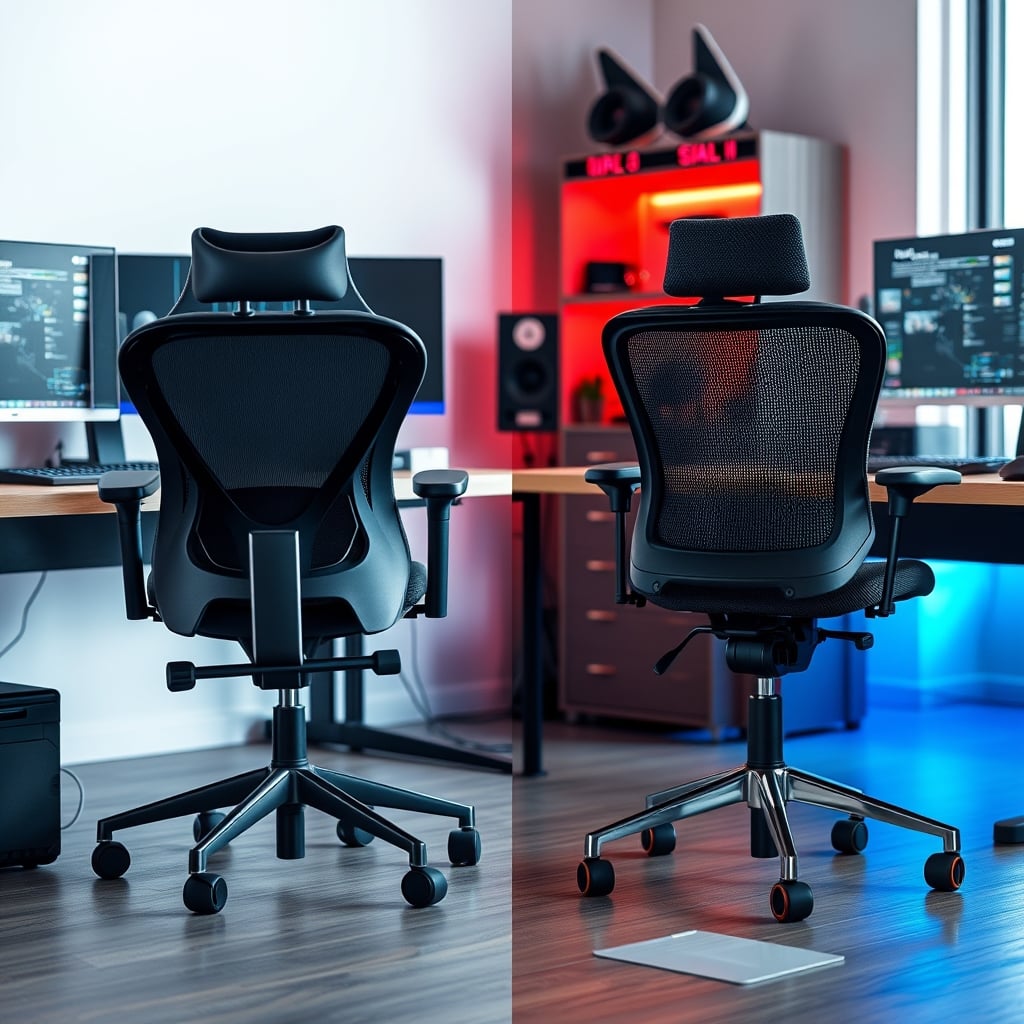
Final Verdict: A Hard Skip
After assessing the market, using these chairs, and seeing the consistent pattern of buyer’s remorse, the verdict is absolute.
The carbon fiber chair is overrated. It is a scam. You are paying a 400% premium for a visual gimmick that actively compromises the core function of the product. The money is better spent anywhere else—on a better monitor, quality audio, or even just investing in a truly high-end ergonomic chair from a brand that focuses on physiology, not physics.
Don’t buy the hype. Buy the chair that disappears beneath you because it’s so comfortable you forget it’s there. A carbon fiber chair never lets you forget—it’s always there, a cold, hard, expensive reminder of a bad decision. Skip it.
Frequently Asked Questions
Is carbon fiber actually stronger for a chair?
It's stronger in terms of pure tensile strength, but that's irrelevant for a chair. A chair needs flex, breathability, and comfort, not ultimate rigidity. The strength is a solved problem with cheaper, more appropriate materials like steel and aluminum.
Do carbon fiber chairs provide better lumbar support?
No. Lumbar support comes from the design of the backrest and the adjustment mechanism, not the shell material. A carbon fiber shell often limits dynamic adjustment, making lumbar support worse than on a well-designed mesh or plastic chair.
Why are carbon fiber chairs so expensive?
The cost is almost entirely from the complex, labor-intensive manufacturing process and the 'exotic' material premium. You are paying for the look and the story, not for a proportional increase in ergonomic performance or durability.
Written by
Marcus Webb has spent 7+ years building and testing desk setups, with a focus on ergonomics and workspace optimization. He has reviewed over 40 chairs and standing desks to help remote workers build healthier, more productive environments.
Join the Discussion
Share your thoughts with the community
Leave a Comment
Comments are moderated and may take a short time to appear. Links are not permitted.