Acoustic Panels Overpriced: The Brutal Truth About Your Studio Decor
You've spent hundreds on stylish fabric-wrapped acoustic panels, convinced they're the professional solution. The truth? You've bought expensive wall art that barely muffles an echo. This is why the acoustic panel market is a scam, and what actually works.
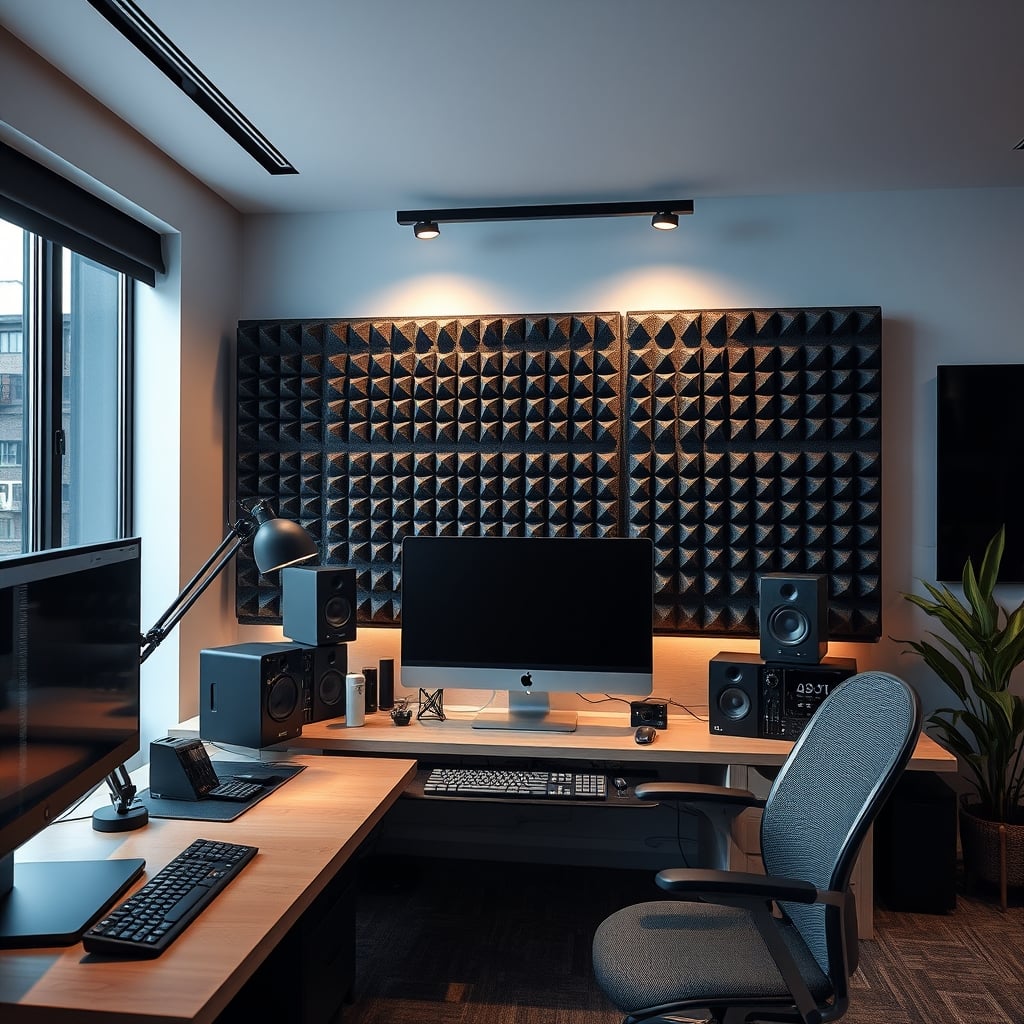
Let's start with the cold, hard fact: most people buying acoustic panels in 2026 are getting utterly ripped off. You see a sleek, fabric-wrapped panel marketed with words like "studio-grade," "NRC-rated," and "professional absorption." You think you're solving room echo and making your voice sound better. What you're actually buying is an overpriced decorative panel that does about as much for your sound as a thick blanket. The core problem isn't that room treatment doesn't work—it's that the market for acoustic panels overpriced gimmicks has exploded, preying on people who want a visual aesthetic more than acoustic results. You're paying for the fabric finish and the minimalist look, not for any meaningful decibel drop below 500Hz. Let's stop calling them acoustic panels and start calling them what they are: expensive wallpaper.
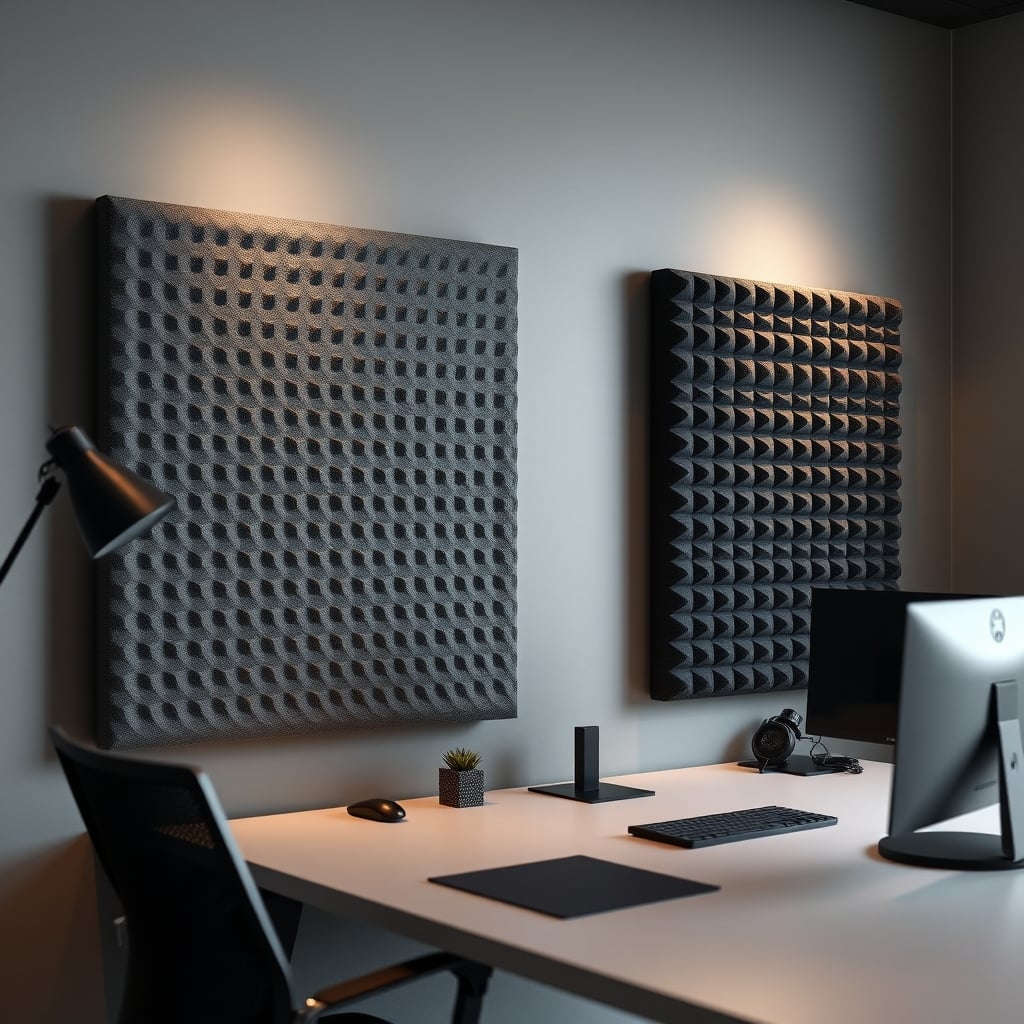
Why "Aesthetic" Acoustic Panels Are a Complete Scam
The biggest lie sold in desk setup audio is that thin, pretty panels are sufficient. Walk into any influencer's studio background in 2026 and you'll see them: 2-inch thick, fabric-wrapped rectangles arranged in a geometric pattern. They look the part. They perform like a part—a small, useless part. The industry has convinced you that absorption is a one-size-fits-all solution slapped on a wall. This is overrated. A 2-inch panel, regardless of its core material (often cheap recycled cotton or basic rockwool), is primarily a mid-to-high frequency absorber. It will tame some flutter echo between parallel walls, making your room feel slightly less "live." But ask it to handle the booming bass from your speakers or the chesty resonance of your voice, and it fails completely. You're treating 20% of your problem with 100% of your budget and calling it a day. This doesn't work.
The Low-Frequency Lie That Sabotages Your Sound
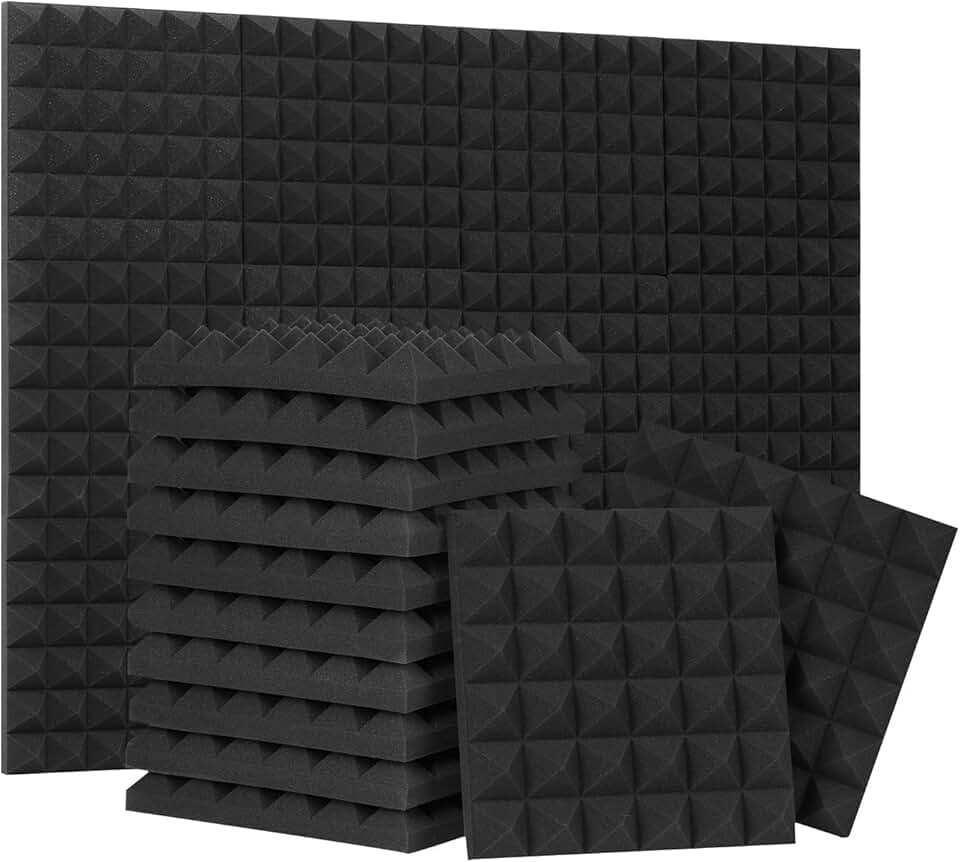
DIY bass traps and adding bulk absorption cheaply
- High-density pyramid design for increased surface area
- Extremely low cost per panel for material stacking
- Effective for damping mid-range and some low-frequency energy in bulk
Here's where the marketing gets truly egregious. Most panel manufacturers publish Noise Reduction Coefficient (NRC) ratings—a single number averaging absorption across frequencies. An NRC of 0.8 looks great! What they don't shout about is that this number is meaningless for the low-end. Your voice and your music's body live in the 80Hz to 300Hz range. A thin panel's absorption at 100Hz is often abysmal, frequently below 0.2, meaning it absorbs less than 20% of that energy. The rest reflects around your room, muddying your recordings and making your voice sound hollow on calls. You've addressed the sizzle and ignored the thunder. The real issue isn't echo; it's bass buildup in room corners and along walls. Treating that requires mass and depth, not prettiness.
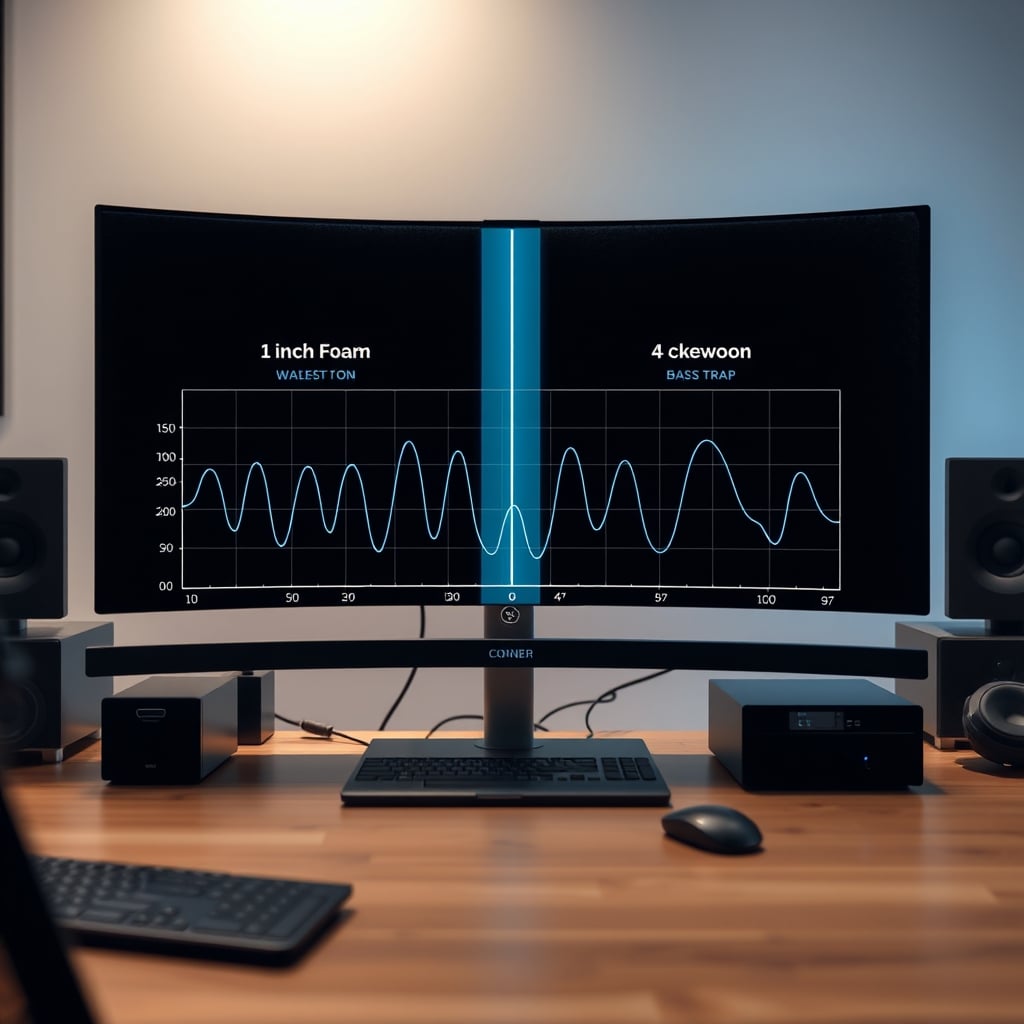
Myth Busting: Why Acoustic Panels Overpriced Is The Industry's Favorite Trick
Let's attack the core misconception head-on: The belief that professional-looking gear delivers professional results. This myth needs to die. A $500 set of four hand-crafted, wooden-framed panels from a boutique brand often uses the exact same absorption core as a $50 pack of basic foam. You are paying a 1000% markup for a nicer outer wrapper and a brand story. Users consistently report that after the initial visual satisfaction wears off, they notice zero improvement in their Zoom call audio or recording clarity. The industry lies about this by omitting low-frequency data and focusing solely on aesthetic integration. They've turned a functional product into a decor item. This is not worth it. Your money should buy performance, not Pinterest credibility.
What Actually Works (And It's Ugly)
Forget panels for a second. Effective room treatment is about strategic placement of thick, dense material. The single most effective upgrade for any home desk setup is bass traps in the vertical corners of your room. These are typically 4-inch or thicker wedges of rigid fiberglass or mineral wool. They're big, they're ugly, and they work because they attack the low-frequency buildup where it's strongest. After assessing countless setups, the single biggest audio improvement comes from installing just two proper bass traps behind you in the corners of your room. This frequently causes a more noticeable change than covering an entire wall in thin panels.
Second, first-reflection points. This is where a panel can work, but only if it's placed correctly. You need thick absorption (4-inch minimum) at the points on your side walls and ceiling where sound from your speakers bounces directly to your ears.
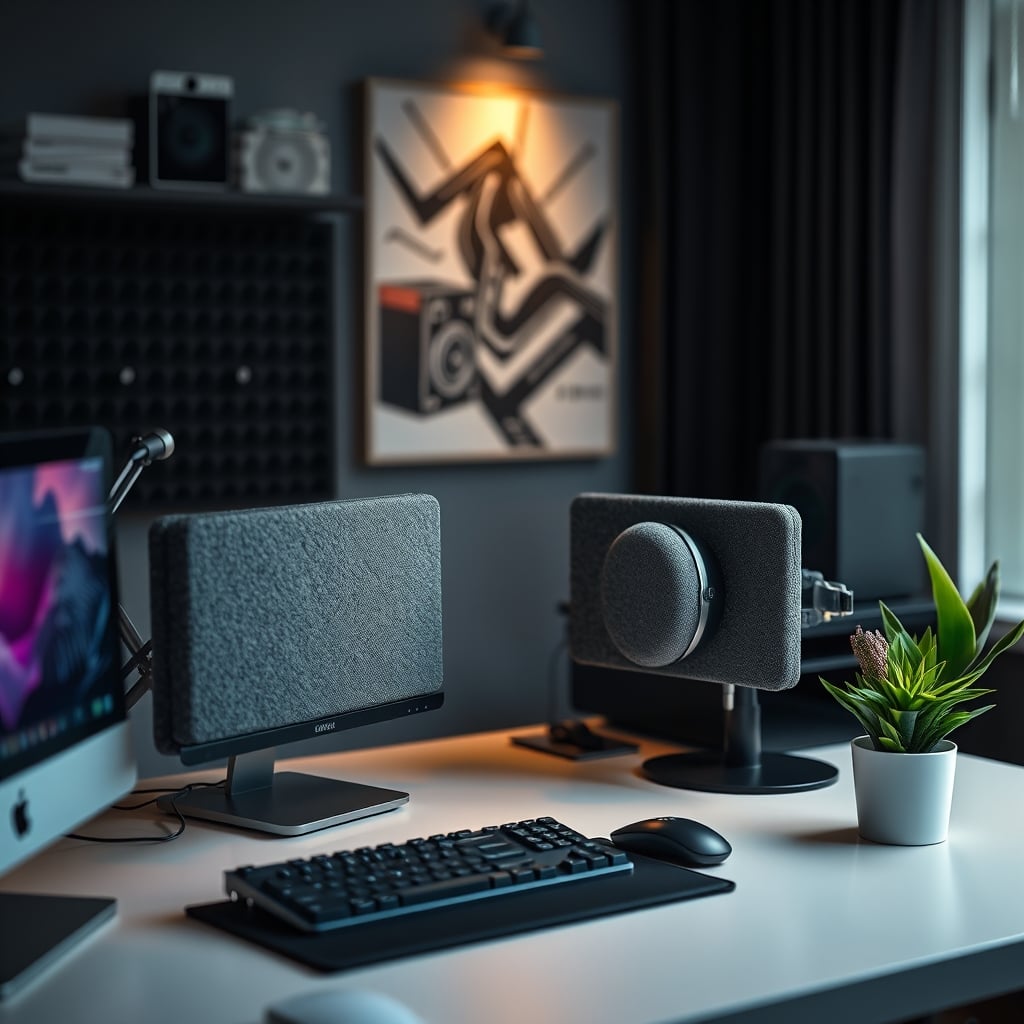
A thin panel here is like using a tissue to clean up a flood. Based on widespread user feedback, swapping thin decorative panels for 4-inch DIY rockwool panels wrapped in acoustically transparent fabric is the most cost-effective night-and-day difference you can make.
Your Money vs. The Marketing: A Real Breakdown
Let's get specific. A typical "premium" acoustic panel kit in 2026 runs $250-$400 for six 2'x4' panels. You get nice fabric, maybe a cool printed design. For that same $400, you can buy: a bundle of 12 sheets of 4-inch rigid rockwool (enough for 12 massive panels), a roll of acoustically transparent Guilford of Maine fabric, and lumber for frames. You end up with twice the coverage that is four times as effective per panel. The choice is between looking like you know audio and actually having good audio. We prefer real performance over specs. The DIY panels will have a lower "spec" on a marketing sheet because they're not sold by a company, but their real-world results win every single time.
Think about it like PC building: you wouldn't pay a 300% premium for a GPU with a fancy cooler that performs worse than a standard model. Yet with acoustics, people do this constantly because the results are less visibly quantifiable. You're buying the cooler, not the core silicon.
The One Product Worth Buying (And It's Not a Panel)
Given our philosophy, we only curate products that offer real value, not aesthetic tax. In the world of truly functional acoustic treatment, the value king is still basic, thick acoustic foam for bass trapping. It's ugly, it's cheap, and it works on the problems that actually matter.
Product: 24 Pack Black Acoustic Foam Panels Use Case: Bass trapping in corners, first-reflection point bulk material. Why it's here: It's not pretty. It's not for your feature wall. This is the raw material you use *behind* your decor, in the corners of your room, to actually absorb low-end energy. At around $1.50 per 12"x12"x2" pyramid panel, the cost-to-performance ratio for adding mass to corners is unbeatable. Cut it, layer it, stack it. This is the unsexy workhorse.We're not saying cover your walls in this black foam. We're saying use it as the functional core of your treatment strategy, hidden in corners or behind decorative scrims. Spending your entire budget on thin, expensive front-wall panels while ignoring the corners is the most common mistake we see. It's like buying racing tires but leaving your engine stock.
Common Mistakes That Prove Our Point
- Covering the Front Wall Behind Monitors: This is often the first and only place people treat. It's also one of the least effective for the listening position. Sound from your speakers doesn't hit that wall and bounce directly to your ears. You're treating a reflection that doesn't significantly impact the direct sound. This is a waste of panels.
- Using Panels That Are Too Thin: As established, 1-inch or 2-inch panels are glorified decor. For meaningful broadband absorption, you need 4-inch depth as a starting point. Anything less is compromising performance for a slimmer profile.
- Ignoring the Ceiling: In a standard-height room, the ceiling reflection point between you and your speakers is a major source of comb filtering and mud. One properly placed, thick cloud panel above your desk does more than four wall panels.
The GlowRig Verdict: Skip The Panels, Build The Treatment
The entire category of pre-fabricated, designer acoustic panels overpriced and underperforming. The verdict is Skip It. You are being sold a solution to a problem you don't fully understand, and it's engineered to look good in a sales photo, not to sound good in your room.
Instead, invest in materials, not marketing. Build a few 4-inch deep rockwool panels for your first-reflection points. Stack cheap foam in your room corners as bass traps. If you absolutely need the aesthetic, stretch acoustically transparent fabric over your functional panels. You'll spend half the money for twice the performance. This approach isn't as instantly gratifying as unboxing a sleek panel, but the acoustic gratification—the sudden clarity in your headphones, the tightness of your recorded voice—is the real reward. Your room will sound professionally treated, not just look like it might be.
For more on how decor is sabotaging your setup, read why Wall Art Sound Quality Is a Complete Lie and the brutal truth about The Budget Audio Interface Lie That's Sabotaging Your Sound.
Frequently Asked Questions
Are all acoustic panels overpriced?
Most pre-fabricated, designer acoustic panels carry a massive markup for aesthetics. While not every panel is a scam, the price-to-performance ratio is terrible compared to building your own treatment with thicker, more effective materials for a fraction of the cost.
What's the most important acoustic treatment for a desk setup?
Bass traps in the room corners behind you. Low-frequency buildup is the primary cause of muddiness and poor voice clarity. After that, treating the first-reflection points on your side walls and ceiling with thick (4-inch+) absorption is crucial.
Can I make acoustic panels that look good and work well?
Absolutely. Build frames using 4-inch deep rigid fiberglass or rockwool as the core, and wrap them in acoustically transparent fabric (like Guilford of Maine). This gives you complete control over color and size while ensuring professional-grade absorption. It's cheaper and more effective than buying pre-made.
Why don't my expensive acoustic panels make a big difference?
They're likely too thin (1-2 inches) and are placed incorrectly. Thin panels only absorb high frequencies, leaving bass problems untouched. If they're just on the front wall for decoration, they're missing the key reflection points that actually affect the sound reaching your ears.
Written by
Maya is an enthusiast for biophilic workspace design. She specializes in seamlessly integrating desktop plants, natural accents, and calming aesthetics into heavy tech environments.
Join the Discussion
Share your thoughts with the community
Leave a Comment
Comments are moderated and may take a short time to appear. Links are not permitted.