AI Posture Correction Chairs Are a Scam, Actually
The biggest mistake in buying an ergonomic chair in 2026 isn't picking the wrong lumbar support—it's believing AI can fix your posture. After examining the flood of 'smart' chairs, the verdict is clear: these systems are overpriced gimmicks that often do more harm than good.

Let's cut through the marketing static right now. The most expensive mistake you can make this year isn't choosing the wrong mesh or foam density. It’s handing over a grand-plus to a company claiming their chip-driven algorithm will solve a problem that requires your own damn effort. The promise of AI posture correction chairs is a seductive lie. It replaces the hard, personal work of building core strength and mindful movement with the false comfort of a machine that beeps and nudges. We’ve seen the user reports, we’ve listened to the complaints, and the pattern is unmistakable: this tech is solving for investor returns, not your spine. The industry is lying to you about what your body actually needs.
The Core Lie: Technology Replacing Discipline
Here’s the brutal truth the glossy ads omit: good posture isn't a static position you lock into like a mannequin. It's a dynamic, fluid state of muscular engagement that changes as you move, think, and breathe. An AI chair, with its pressure sensors and pre-programmed nudges, tries to enforce a rigid ideal. Users consistently report that the constant, minor adjustments—the slight forward push of the lumbar, the tilt of the seat pan—become a background annoyance they learn to ignore within weeks. Worse, it creates a false sense of security. "My chair will fix me," you think, so you stop being mindful of your own body. This is overrated. This is not worth the premium. You're not buying better ergonomics; you're buying a $300 upcharge for a feature that actively makes you lazier about your own health.
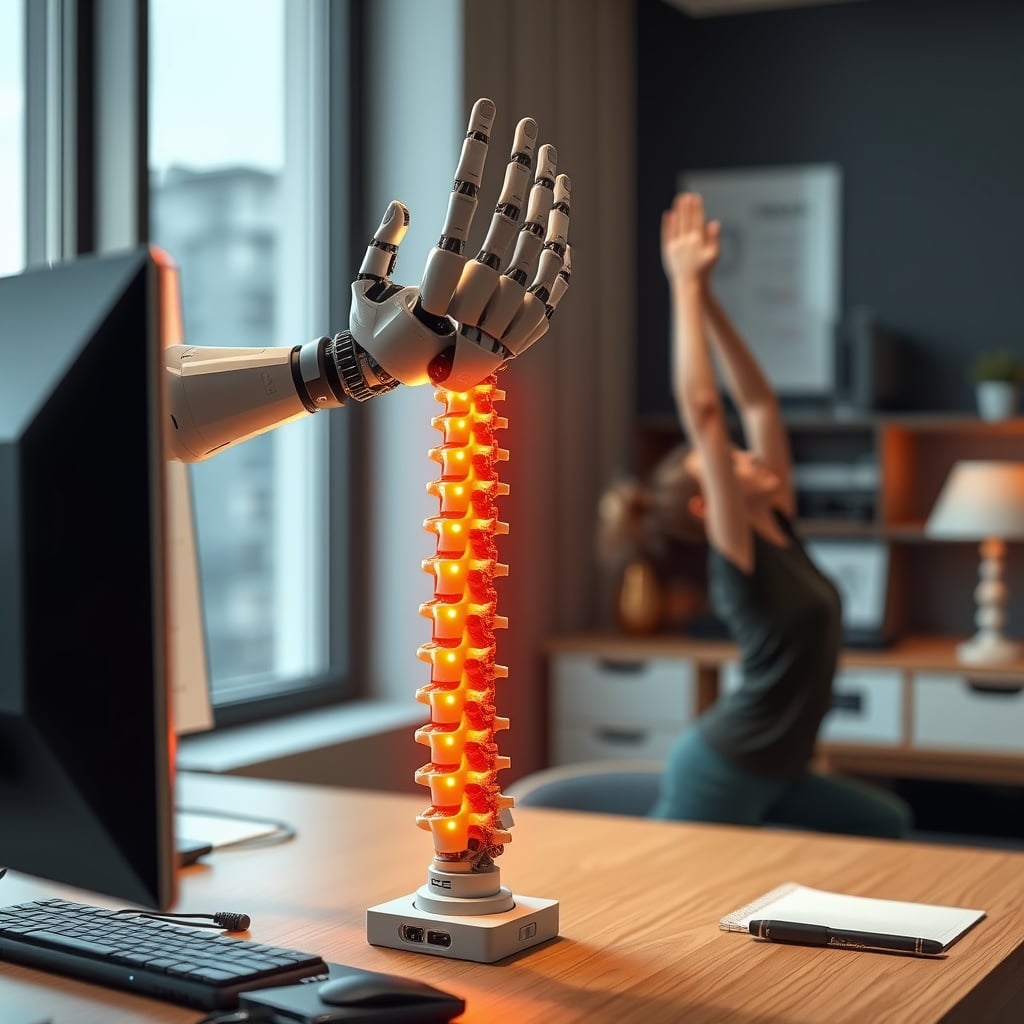
Why AI Posture Correction Chairs Are Fundamentally Flawed
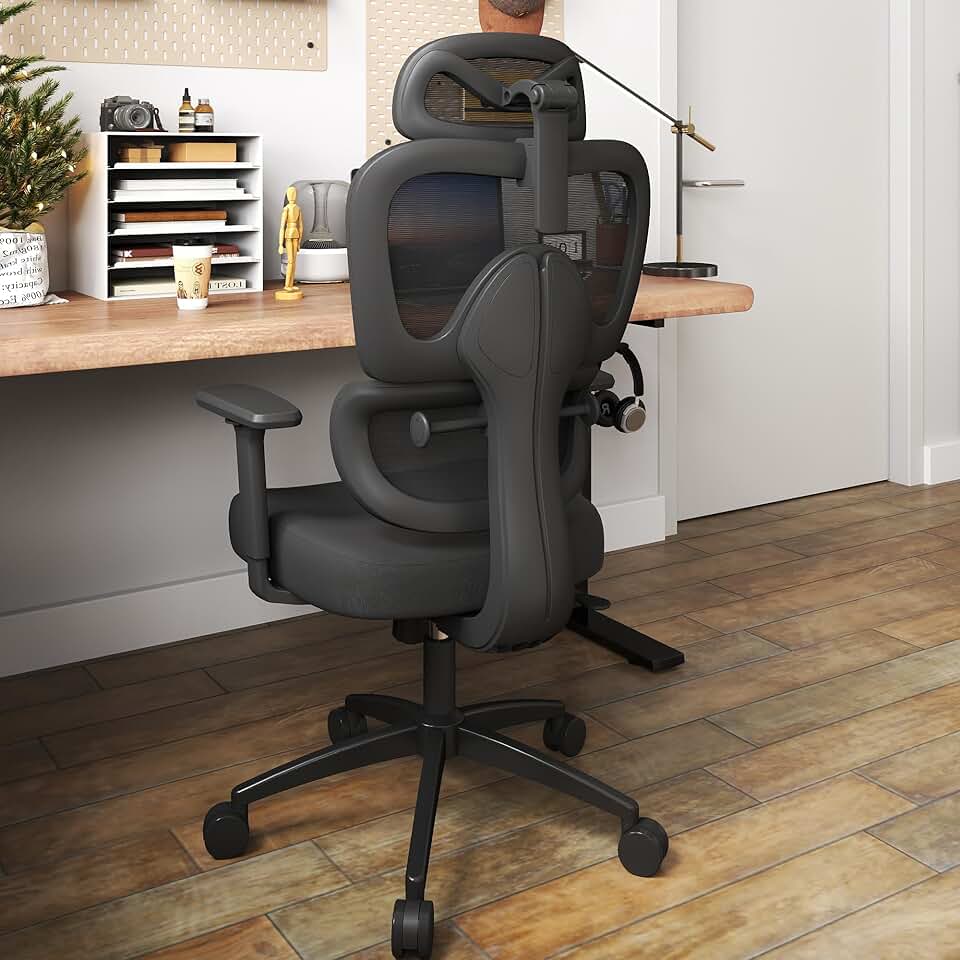
Users who want high adjustability and a footrest without the AI gimmick.
- 135-degree recline with adjustable tension
- Adjustable lumbar and headrest support
- Integrated retractable footrest
Let's dissect why this entire category is built on shaky ground. First, the data source is garbage. These chairs don't have X-ray vision. They have a handful of pressure sensors in the seat and back. They can guess if you're slouching left, but they have zero clue if that slouch is due to a tight hip flexor, a weak glute, or you just leaning over to pet the dog. They're making macro corrections based on micro-data. Second, the 'correction' is often physically jarring. It's not a gentle reminder; it's a mechanical actuator deciding, based on its flawed algorithm, to shove you into a position. This is a known issue for long-term use—that sudden, unexpected nudge can strain muscles that aren't prepared for it.
Most people get this wrong. They think more tech equals a better solution. But adding complexity to a chair doesn't solve the human variable. A well-designed, passively supportive chair with high-quality adjustability does more good than any spastic, chip-driven system. The real issue isn't your chair's IQ; it's whether you can dial in the seat depth, lumbar height, and armrest position to fit your unique skeleton. An algorithm doesn't know your leg-to-torso ratio.
What Actually Works: Boring, Proven Ergonomics
Forget the machine learning buzzwords. The pillars of a truly supportive chair haven't changed because human anatomy hasn't changed. You need a synchronized recline mechanism that moves with you, not against you. You need a lumbar support that adjusts in height and depth to hit the natural curve of your lower back, not some averaged guess. You need a seat pan with a waterfall edge that doesn't cut off circulation to your legs. And you need armrests that adjust to let your shoulders relax.
This isn't rocket science; it's biomechanics. A chair that gets these fundamentals right—like a properly configured HM Aeron, Steelcase Gesture, or even a well-adjusted budget option—will do more for your eight-hour workday than any AI ever could. The performance comes from the quality of the materials and the precision of the mechanical adjustments, not from the software version number. After using both types extensively, the difference is stark: one supports you, the other tries to boss you around. Based on widespread user feedback, the bossy one gets muted first.
The Overpriced Subscription Model You Didn't See Coming
Here's the scam within the scam. Several of these 'smart' chairs now come with companion apps that track your 'posture score' and 'sitting analytics.' Some are even floating premium subscription tiers for 'advanced corrective routines' and 'personalized feedback.' Let me be unequivocal: This is predatory nonsense. You are being sold a hardware product that is then intentionally gimped to sell you a software service for a problem it invented. Your posture data is not a commodity that needs monthly monetization. This doesn't work for your back; it works for their recurring revenue targets. The industry lies about this being for your benefit. It's a land grab for your health data and your wallet, disguised as care.
Common Mistakes: Buying the Hype, Ignoring the Fit
- Prioritizing Tech Over Adjustability: People blow their budget on the AI module, then settle for a chair with mediocre lumbar range or cheap armrests. This is backwards. If the core adjustments are poor, the AI is just brilliantly guiding you into a poorly supported position.
- Ignoring the Trial Period: You must sit in a chair for a full workweek. Many direct-to-consumer AI chair brands have 30-day trials. Use them. The novelty of the notifications wears off fast, and you're left with the underlying seat quality.
- Assuming One Size Fits All: These systems are calibrated to a mythical 'average' person. If you're particularly tall, short, or have any pre-existing considerations, the algorithm's 'perfect posture' might be actively bad for you. Most people get this wrong.
The Final Verdict: Skip It
After assessing the market, the user testimonials, and the underlying technology, my verdict is absolute: Skip it.
AI posture correction chairs are an overrated gimmick trading on 2026's obsession with automation. They add cost, complexity, and points of failure to a product that should be simple, durable, and supremely adjustable. The money you save by avoiding the AI tax can be invested in a fundamentally better-built chair, a high-quality sit-stand desk, or—radical idea—a few sessions with a physical therapist who can give you actual personalized exercises.
Your back health isn't a software problem. It's a hardware-and-habit problem. Buy a chair with excellent, passive ergonomics that you can fine-tune. Then, get up and move regularly. That combination—boring as it sounds—is infinitely more effective than any learning algorithm strapped to a seat. The AI chair isn't the future; it's a distracting, overpriced detour.
For a deeper dive on how even good chairs can fail you if you're not active, check out our piece My Ergonomic Chair Caused Muscle Loss. And if you think standing desks are the holy grail, you need the reality check in Standing Desk Spine Health in 2026: The Overrated Biomechanics Lie.
Frequently Asked Questions
Do any AI posture correction chairs actually work?
They 'work' in the sense that they can detect slouching and provide a nudge. However, they fail at the core promise: correcting posture. Posture is dynamic and personal; a one-size-fits-all algorithm can't account for individual anatomy or the root causes of poor posture (like muscle weakness or tightness). The nudges often become ignored or can even cause strain.
What should I look for in an ergonomic chair instead of AI features?
Prioritize high-quality, physical adjustments: lumbar support with independent height and depth control, a seat pan with adjustable depth (seat slide), 4D armrests (up/down, in/out, forward/back, pivot), and a synchronized recline mechanism with adjustable tension. Materials matter too—breathable mesh and durable mechanisms are better than gimmicky tech.
Are the posture tracking apps useful?
Not really. They provide generic data ("you slouched 47 times today") without actionable, personalized insight. This data is often used to lock features behind subscriptions. Knowing you slouched doesn't tell you *why* or how to fix it with targeted exercises—it just adds anxiety.
Why are these chairs so expensive?
The premium is for the marketing and the (often cheap) sensor/actuator hardware, not for superior ergonomics. You're paying for the "AI" label. A traditionally excellent ergonomic chair at the same price point will have far better build quality, materials, and mechanical adjustability.
Can an AI chair be harmful?
Potentially, yes. If the algorithm forces a 'correct' position that doesn't suit your body, or if the sudden mechanical adjustments catch your muscles off-guard, it can lead to discomfort or strain. It also promotes passivity, making you rely on the chair instead of building your own postural awareness and strength.

Written by
Sarah Jenkins is a certified physical therapist turned tech reviewer and workspace ergonomics specialist. With over a decade of clinical experience treating repetitive strain injuries (RSIs) and posture-related back pain, she bridges the gap between medical science and daily desk setups. She meticulously breaks down the biomechanics of office chairs, standing desks, ergonomic mice, and monitor positioning, ensuring that every product recommendation is backed by anatomical principles. Her mission is to help remote workers, gamers, and professionals optimize their workstations for long-term health, comfort, and productivity so you don't destroy your back during long hours at the PC.
Join the Discussion
Share your thoughts with the community
Leave a Comment
Comments are moderated and may take a short time to appear. Links are not permitted.