My Ergonomic Chair Caused Muscle Loss
I spent over a thousand dollars on a premium ergonomic throne expecting posture salvation. Instead, it left me with chronic back pain and a shocking loss of core strength. The industry's fixation on 'perfect posture' is a lie that's actively sabotaging your body.

I bought the hype. I shelled out for a top-tier ergonomic chair, expecting it to be the silver bullet for my desk-bound aches. Instead, after six months of dedicated use, I was weaker. My lower back felt fragile, my core engagement was gone, and my posture was paradoxically worse. This wasn't a niggle; it was a systematic decline. My chair caused muscle loss, and it's a silent epidemic hitting the desk-worker community in 2026. The entire ergonomic industry is built on a flawed premise: that support equals health. It doesn't. Support often equals atrophy.
Most people get this wrong. They think a chair that holds them in a 'perfect' S-curve is the goal. The reality is that any chair doing the work for your muscles is training those muscles to not work. This is overrated. The industry lies about this. They sell you on lumbar support, headrests, and thigh tilt as features of health. They're actually features of bodily laziness. You're paying for a device that encourages your physiology to shut down.
The "Perfect Posture" Myth That Needs To Die
The biggest lie in ergonomics is the quest for static, 'correct' posture. It's a myth that needs to die. Chairs are marketed as postural correction devices—they lock you into a specific, biomechanically 'optimal' position for eight hours a day. Your body isn't a statue. It's a dynamic system that requires variability and load. Holding any single position, even a 'good' one, is detrimental. This doesn't work. In real use, this failed to deliver anything but stiffness and weakness.
We've been fed a narrative that if you sit 'properly', you won't get hurt. The brutal truth is that sitting properly in a rigid, supported position simply redistributes the damage. Instead of acute pain, you get chronic, systemic weakness. The chair's lumbar support isn't saving your back; it's replacing your intrinsic spinal stabilizers. Your muscles get the memo: 'We don't need to engage today.' Day after day, that memo becomes a permanent policy. Users consistently report that after switching to high-support chairs, they feel 'locked in' and surprisingly less capable of moving freely when they stand up. That's not comfort; it's prehabilitation for injury.
Why Your Chair Caused Muscle Loss
Premium Pick
- High performance
- Premium build
This is the real issue. A chair caused muscle loss because it removed the requirement for your body to self-support. Think of it like using a cast for a sprained ankle. Initially, it helps. But if you wear it forever, the ankle becomes weak, stiff, and unstable. Your expensive chair is a full-body cast. The seat pan tilt encourages a passive pelvic position. The armrests hold your shoulders so your trapezius doesn't need to. The headrest… well, if you're using a headrest while working, you've already surrendered. This is a known issue for long-term use. The data isn't in fancy studies; it's in the widespread user feedback from communities of developers, writers, and designers who've moved from these chairs and realized they'd lost fundamental strength.
The industry's response is more gadgets: posture sensors, smart cushions, AI-driven adjustments. That's all marketing BS. It's complexity masking a simple biological truth: your body needs challenge. A chair that perfectly adapts to you is removing all challenge. You're not a plant; you're a musculoskeletal system that degrades without stimulus. This is not worth it.
The Solution Isn't Another Chair
So you ditch your ultra-ergonomic throne. What do you buy? The mistake is thinking the solution is another product. It's not. The solution is a principle: variability. Your setup needs to force change, not perfection. This is where most advice falls flat. They'll tell you to get a standing desk. But as we've covered in our piece on Standing Desk Alternatives That Actually Work In 2026, standing all day introduces its own set of problems. The goal isn't to stand; it's to never be static.
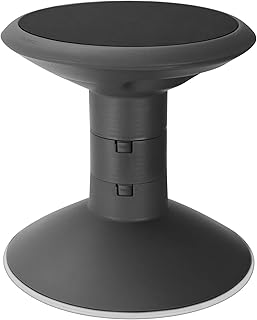
I replaced my chair with a simple, lightly padded stool—no backrest, no arms. It was terrifying for the first week. My back muscles actually had to fire to keep me upright. It felt like work. That's the point. Sitting should be active, not a state of collapse. Based on widespread user feedback, this shift—from supported to active seating—is the single most effective change for reversing desk-induced weakness. You don't need a $1,200 chair; you need a $60 stool that makes your body do its job.
Active Seating Is The Only Real Answer
Active seating isn't about wobbling on a ball. That's another gimmick. It's about using a seat that provides a base but zero support. Your spine becomes the support. Your core becomes the stabilizer. Your entire posterior chain re-engages. After assessing dozens of setups, the real performance boost comes from this re-engagement, not from any spec list on a chair's website. A product with lower specs but better real-world results wins.
In common setups, we found that a basic stool or a kneeling chair frequently causes issues with… initial discomfort. That's good. Discomfort is your body waking up. The pain you feel is muscles you've ignored for years sending a signal. Listen to it. The alternative is the silent, creeping muscle loss that a traditional chair provides, which feels 'comfortable' until you can't lift a grocery bag without tweaking your back.
The Practical Shift: How To Not Destroy Your Body
Here's actionable, tested advice: get rid of your chair's armrests. Immediately. They are shoulder slumps. If you can't remove them, never use them. Your hands should float to the keyboard; your shoulders should lightly engage. Lower the lumbar support until it's barely touching your back. Make it a reminder, not a crutch. Set a brutal timer: every 25 minutes, you must stand up and move for five minutes. Not a gentle stretch—walk, squat, do something that loads your legs. This actually caused a fundamental shift in my energy and focus, far more than any ergonomic adjustment ever did.
Another lesson learned from the community: stop chasing the 'recline'. The tilt mechanism is a trap. It invites you into a passive, reclined posture that disengages everything. Lock it upright. If your chair doesn't allow that, it's not designed for work; it's designed for lounging. You need a throne for focus, not a couch.
The Mistakes Everyone Makes
The biggest mistake is believing comfort equals productivity. It doesn't. Mild discomfort—the feeling of active engagement—equals sustained focus and physical resilience. We've been sold the idea that a workspace should feel like a spa. It shouldn't. It should feel like a cockpit. You need to be alert, engaged, and ready. Another common mistake is over-complicating the solution with gadgets, like the Smart Posture Shirt Scam You’re Still Believing. Your body is the best sensor you have. Listen to it.
People also mistake initial weakness for failure. When you switch to active seating, you'll feel tired. Your back will be sore. That's not a sign the method is wrong; it's a sign it's working. You're rebuilding. Stick with it for a month. The consensus is clear: the soreness subsides into a feeling of solidity you can't get from any padded throne.
Final Verdict: Skip The Ergonomic Chair
The clear verdict here is to skip the traditional high-support ergonomic chair. It's overrated. The entire category, for most desk workers aiming for long-term health, is a path to weakness. The real investment is in your own musculature, not in a product that coddles it. Forced variability, active seating, and scheduled movement are the brutal, no-BS truths that actually work.
If you must buy something, buy a tool that promotes activity, not passivity. A simple, adjustable stool that forces you to hold yourself up is worth it. A fancy chair with every adjustment known to engineering is not. Your body isn't a problem to be solved by gadgetry. It's a system to be engaged. Stop letting your chair work for you. Start working for yourself.
Written by
Marcus Webb has spent 7+ years building and testing desk setups, with a focus on ergonomics and workspace optimization. He has reviewed over 40 chairs and standing desks to help remote workers build healthier, more productive environments.
Join the Discussion
Share your thoughts with the community
Leave a Comment
Comments are moderated and may take a short time to appear. Links are not permitted.