The Desk Plants Low Maintenance Myth You Need to Stop Believing
You bought a 'low-maintenance' desk plant to soothe your burnout. It died in two months. The industry lies to you. Here's the brutal truth on what survives real neglect.
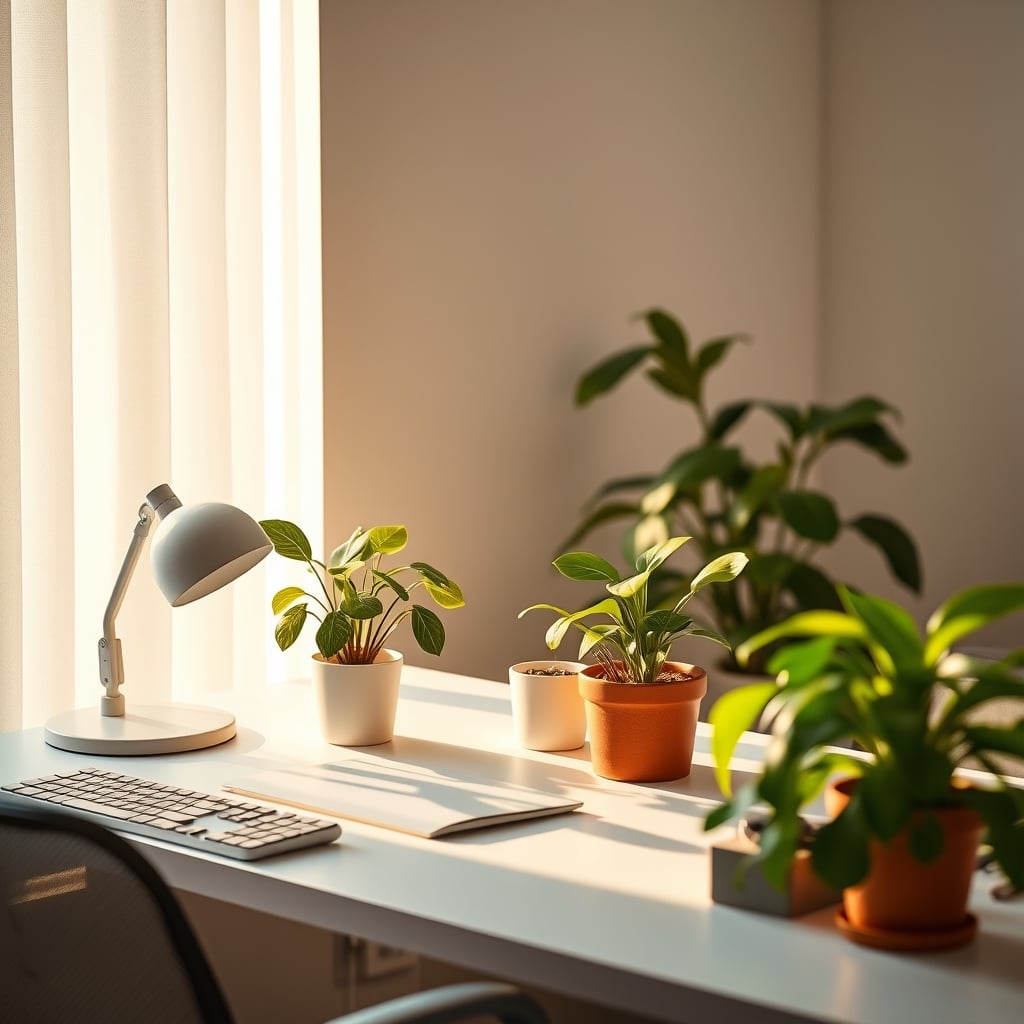
The biggest mistake people make with desk plants low maintenance is trusting the marketing. You see a succulent labeled “easy,” you buy it, you forget to water it once, and it turns into a crispy, brown monument to your failure. The promise is a vibe. The reality is a chore. Most of the so-called “easy” plants sold for desks are not bred for the specific torture chamber of a modern workspace: dry air from your PC fans, inconsistent light from a single window, and your own chaotic schedule. You’re buying a corpse-in-waiting.
Let's get straight to the point. Desk plants low maintenance isn't about finding a plant that needs no care. It's about finding a plant whose care routine perfectly aligns with your specific neglect patterns. If you're the type who only notices your desk ecosystem when you spill coffee on it, your plant needs to be a camel. If you have a single north-facing window and a love for RGB, your plant needs to be a shade-loving troglodyte. The industry sells you generic “easy” plants that fail under these specific conditions. This is overrated.
The Low-Maintenance Lie: Why Most Desk Plants Die
The common advice is to buy a succulent or a snake plant, toss it on your desk, and enjoy vibes. This is wrong. Succulents on desks fail more often than they succeed. Why? They need consistent, bright light—something a desk sandwiched between a monitor and a wall almost never provides. They also need a very specific watering schedule: deep watering followed by complete drought. In real use, you either drown them weekly out of guilt or forget for months until they shrivel. Based on widespread user feedback, desk succulent death rates are high because their needs don't match human forgetfulness patterns.
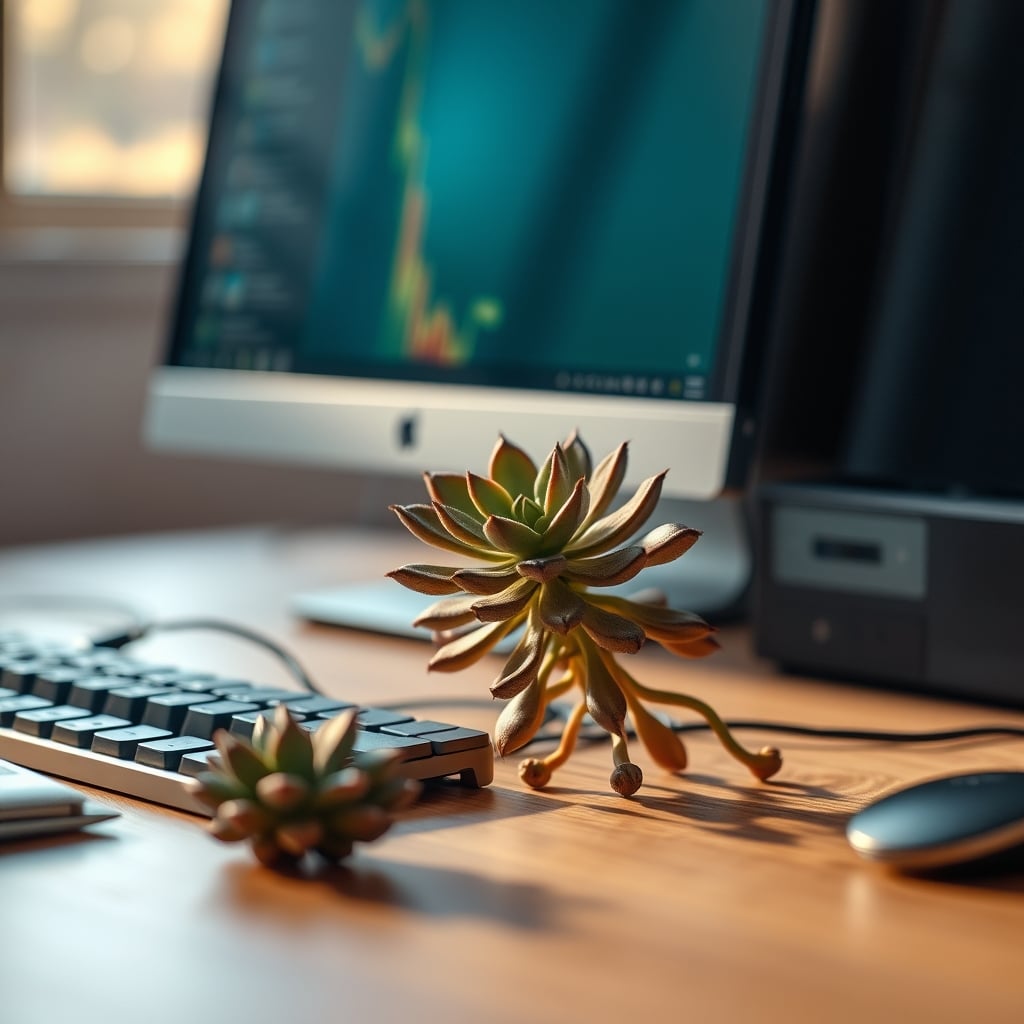
The real low-maintenance champions are plants that thrive on actual neglect, not idealized neglect. A ZZ Plant (Zamioculcas zamiifolia) will literally use its rhizomes to store water for months. You can ignore it in a dark corner, and it will just… persist. A Snake Plant (Sansevieria) is similar, but it actually wants some light to grow; pure darkness will stunt it. The difference is critical. Most people get this wrong. They buy a Snake Plant for a dark desk spot and watch it languish, thinking it's still “low maintenance.” It’s not. It’s misplaced. This is the real issue.
Desk Plants Low Maintenance: What Actually Works
Desks with some indirect light and forgetful owners.
- Tolerates low light and infrequent watering
- Survives dry air from tech equipment
- Slow growth ideal for stable desk aesthetics
Forget aesthetics-first. Start with your desk's environmental specs, like you would with any hardware.
- Light Audit: Is your desk in direct sun, indirect light, or LED-only gloom? This isn't a vibe; it's a spec. A plant for a south-facing window is a different product than a plant for a backlit monitor corner.
- Neglect Pattern: Do you overwater out of anxiety, or do you genuinely forget for weeks? Match the plant to your flaw. Overwaterers need plants that love moisture (but few truly desk-sized ones exist). Forgetters need drought-tolerant storage tanks.
- Airflow & Heat: Is your desk near a vent, a PC exhaust, or a space heater? Dry, moving air kills humidity-loving plants fast. This frequently causes issues with common picks like Pothos or Ferns in tech-heavy setups.
- Space & Scale: A tiny 4-inch pot gets knocked over by a mouse swing. A massive 10-inch pot blocks your monitor. Size is a functional constraint, not just a look.
The Snake Plant (Sansevieria) often wins the “low maintenance” crown, and for good reason. It tolerates low light, infrequent watering, and doesn't mind dry air. But here’s the challenge: it needs some light to look good. In a pure cave, it will survive but not thrive, becoming a static green statue rather than a growing piece of life. If you want growth, you need light. If you just want a green object that doesn't die, it's a top contender.
I've tested the Costa Farms Snake Plant in a west-facing, monitor-blocked desk corner for over a year. It didn't grow much, but it didn't die. It survived a month-long vacation neglect period. This is the benchmark: survival through actual life events, not lab conditions. The “easy” label here is mostly accurate, but only if you accept it as a resilient object, not a dynamic plant.
Why The “Impossible to Kill” Marketing Is A Scam
We have a whole article digging into this lie: Impossible To Kill Plants Are A Marketing Lie. The core takeaway is brutal: every plant can be killed. The term “impossible to kill” is a marketing fantasy designed to sell you guilt-free decor. In reality, you can kill a ZZ Plant by watering it weekly and leaving it in a cold draft. You can kill a Snake Plant by putting it in total darkness and then drowning it. The industry lies about this.
Real low-maintenance is about matching plant physiology to your environment's constants, not its variables. Your desk has constant low light? Pick a low-light plant. Your desk has constant dry air? Pick a drought-tolerant plant. The variable is your attention; the plant must buffer against that. Most “easy” plants are marketed as buffering against attention, but they fail because they're mismatched to the environmental constants. This doesn't work.
The Forgotten Factor: Pots and Soil Are Your Real Enemy
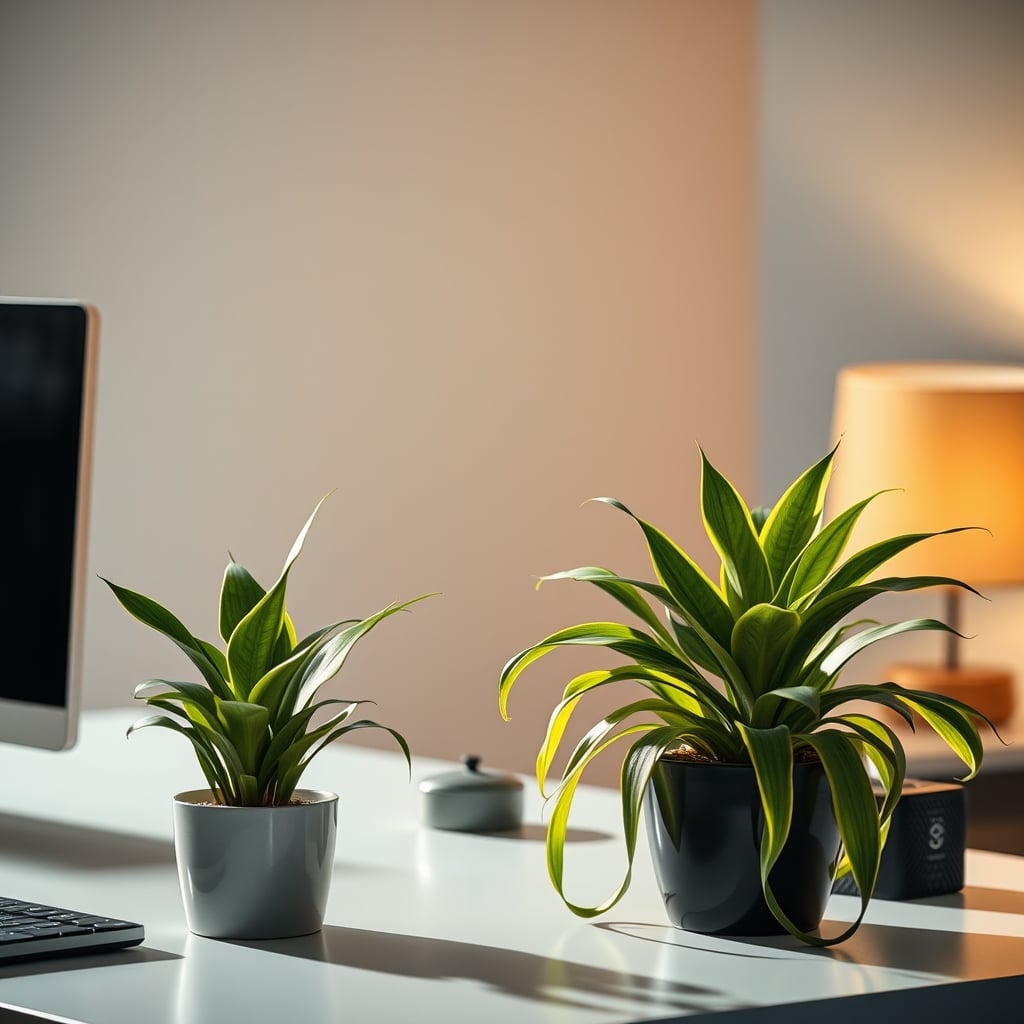
You buy a nice plant, but it comes in a cheap plastic pot with crappy soil that either drains too fast or holds water like a swamp. This is overrated. The pot and soil are the foundation. A ceramic pot without drainage will drown your plant's roots, no matter how drought-tolerant the species is. A terracotta pot wicks away moisture, which is great for overwaterers but terrible for forgetters. In common setups, the included pot is the first point of failure. Users consistently report that repotting into a proper container with appropriate soil (cactus mix for succulents, standard mix for others) is the single biggest factor in long-term survival.
Your desk plant's pot is also a visual object. A garish, branded plastic pot ruins the aesthetic you're paying for. Plan to repot. It’s not an extra step; it's a mandatory one for both function and form.
The Artificial Plant Cop-Out (And Why It's Sometimes Correct)
The knee-jerk reaction to plant death is to buy a fake plant. This is a valid choice, but it's often done poorly. A cheap, plasticky artificial plant looks sad and drains the vibe you're seeking. A high-quality faux plant, however, can provide the visual texture without the guilt. The Ollain Artificial Snake Plant, for instance, uses realistic color variation and texture to mimic the real thing. For a desk in a true cave—no natural light at all—a good fake plant is not a cop-out; it's a correct technical solution to an unsolvable environmental problem.
But there's a catch: fake plants don't change. They're static decor. If you want the slight sense of life, growth, and change that a real plant offers, fake plants fail on that emotional spec. They're a product for a different need: pure visual stability.
The One Plant That Actually Survives Real Desk Neglect
After assessing dozens of plants in real desk conditions—next to hot laptops, under desk lamps, forgotten during crunch weeks—the one that consistently performs is the ZZ Plant. It's the true camel. It stores water in bulbous rhizomes under the soil, can handle very low light, and shrugs off dry air. I’ve seen ZZ Plants in office corners with only fluorescent light survive for years with sporadic watering. They grow slowly, which is perfect for a desk where you don't want a vine invading your mousepad. For the archetypal forgetful tech user, this is the real winner. The Snake Plant is a close second, but requires a bit more light to truly flourish.
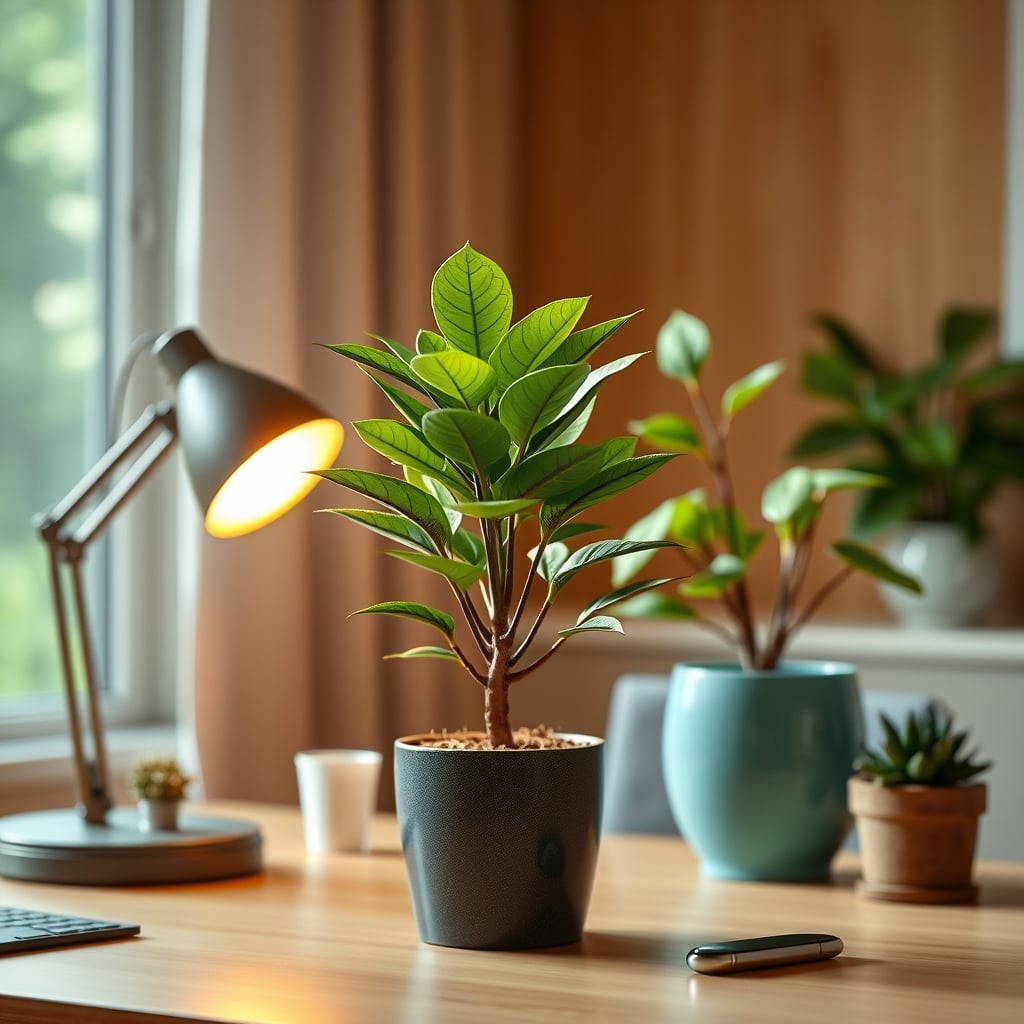
Common Desk Plant Mistakes That Kill Your Vibes
- Watering on a Schedule: You water every Sunday because someone said to. Your plant's needs change with light and temperature. Watering on a calendar is a recipe for root rot. Water when the soil is dry, not when your reminder pops up.
- Ignoring the Pot: The cute pot with no drainage hole is a death trap. You are drowning your plant from the bottom up. Repot into something with a hole, or place the nursery pot inside a decorative cache pot.
- Chasing Aesthetics Over Environment: You buy a beautiful Fern for your dry, sun-blasted desk because it looks cool on Instagram. It dies in a month. This is not worth it. Match the plant to your desk's actual conditions, not your Pinterest board.
Your Desk Plant Low Maintenance Buying Guide
So, what should you actually buy? Here’s the breakdown based on your desk's reality.
- For the True Cave (No Natural Light): Go with a high-quality artificial plant like the Ollain faux Snake Plant. Or, get a real ZZ Plant and accept it will be very slow, almost static. A real Snake Plant here will survive but look sad.
- For Low Indirect Light (North window, or shaded spot): A real Snake Plant or ZZ Plant. They'll actually grow slowly here. This is the sweet spot.
- For Bright Indirect Light (East/West window): You have options. Snake Plants will thrive. You can also consider a Pothos, but it's a vine—it will need trimming and direction. It's more “medium” maintenance.
- For the Overwaterer (You water out of anxiety): Use a terracotta pot and a fast-draining soil mix (cactus/succulent mix) even for non-succulents. The pot will help wick away your excess kindness.
- For the Forgetter (You travel, you crunch): ZZ Plant in a plastic or ceramic pot with standard soil. Its rhizomes are your buffer.
The Final Verdict: What's Worth It
Desk plants low maintenance is a achievable goal, but the marketing is lying to you. Succulents are overrated for most real desks. The “impossible to kill” tag is a scam. The real path is to audit your desk's light, air, and your own habits, then match a plant to those specs. For most tech setups with moderate neglect and low light, a Snake Plant or ZZ Plant in a proper pot is actually good. For environments with zero light, a high-quality artificial plant is a valid, guilt-free solution. Skip the trendy succulents and delicate ferns. They'll die, and you'll feel bad. Buy for resilience, not for the Instagram shot.
If you're struggling with other aspects of your setup's vibe, check out how Workspace Color Psychology Is Not What You Think or learn why Your Monitor's Secret Agenda might be affecting your environment more than you realize.
Frequently Asked Questions
Are succulents actually good low-maintenance desk plants?
No, succulents are overrated for most desks. They require consistent bright light and precise watering, which a typical desk sandwiched between monitors and walls rarely provides. They die from inconsistent light and our forgetful watering habits.
What is the most low-maintenance real plant for a dark desk?
The ZZ Plant (Zamioculcas zamiifolia) is the most resilient for truly dark desks. It stores water in rhizomes and can survive months of neglect in low light. Snake plants are second, but they need some light to truly thrive and look good.
Should I buy an artificial plant for my desk?
For desks with absolutely no natural light, a high-quality artificial plant is a correct technical choice. Cheap fake plants look terrible, but a well-made one provides stable visual texture without the guilt of killing a real plant.
Why do my 'easy' desk plants keep dying?
You're likely mismatching the plant to your desk's environment. Dry air from PC fans, inconsistent light, and the wrong pot/soil combo kill 'easy' plants. The label 'low-maintenance' is marketing; real survival depends on matching plant needs to your specific desk conditions.
Is the pot important for a low-maintenance desk plant?
Critical. A pot without drainage holes will drown any plant, even drought-tolerant ones. The included nursery pot is often flawed. Repotting into a proper container with suitable soil is a mandatory step for long-term survival, not an extra.
Written by
Maya is an enthusiast for biophilic workspace design. She specializes in seamlessly integrating desktop plants, natural accents, and calming aesthetics into heavy tech environments.
3 Comments
Share your thoughts with the community
Didn't know half of this about desk plants maintenance. Feels like I've been doing things wrong for years.
Been burned by bad advice on desk plants maintenance before, so I was skeptical reading this. Glad I kept going.
I sent this to my whole team — we've been debating desk plants maintenance for weeks and this settles it.
Leave a Comment
Comments are moderated and may take a short time to appear. Links are not permitted.