Desk Plants Air Quality Is a Lie We Need to Stop Believing
That peace lily or snake plant you bought to scrub your air is doing less than your office HVAC. We're calling out the viral myth, explaining the real physics, and showing you the one thing that actually works.
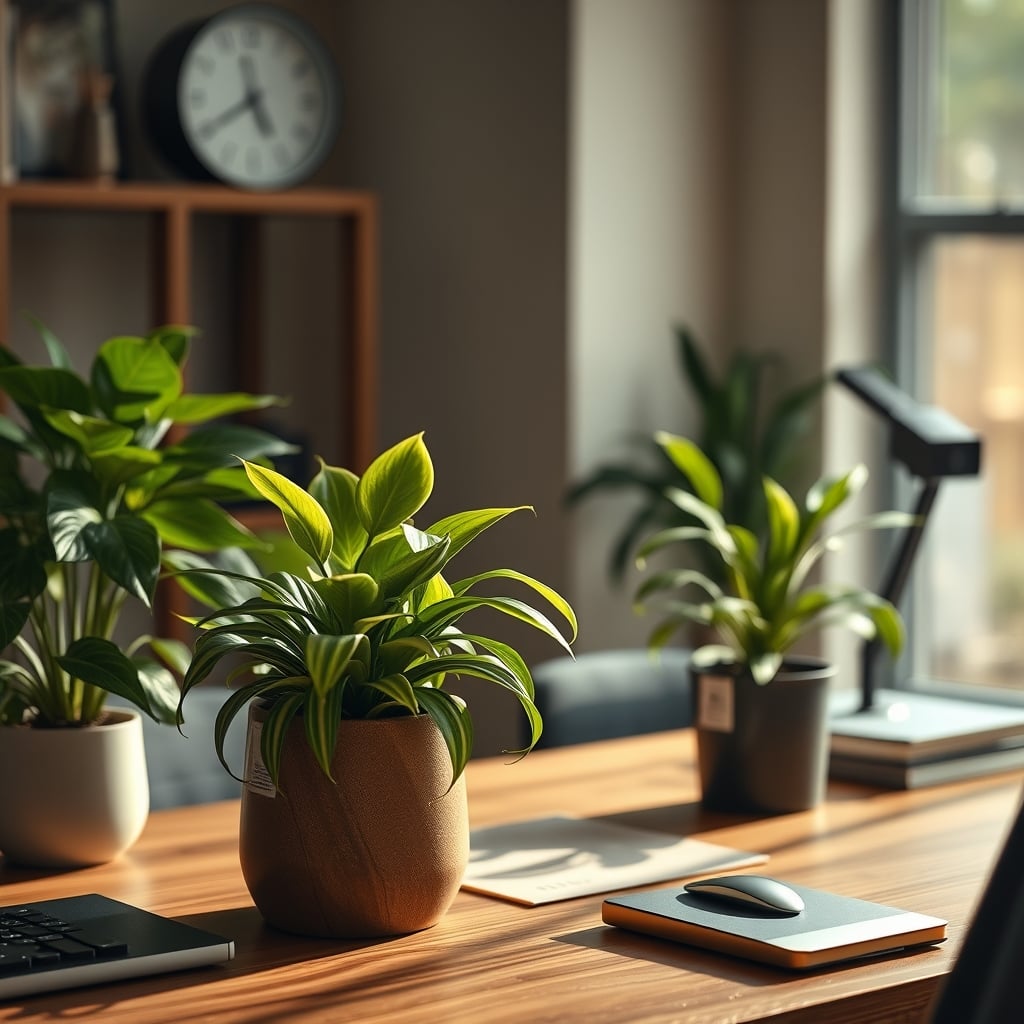
I bought into the desk plants air quality hype hard. I had a whole damn jungle on my IKEA Karlby, convinced my snake plant was scrubbing toxins while my ZZ plant was pumping out pure oxygen. It looked great. It felt virtuous. It was also, functionally, a complete waste of time and counter-space. The reality, after digging into the actual science and living in a sealed studio for years, is brutal: your desk plants are decorative ornaments, not biomedical devices. The entire premise that a few potted greens can meaningfully impact your breathing zone is a feel-good fantasy sold by lifestyle blogs and plant shops. If you're serious about the air you breathe eight hours a day, you need to stop the botanical bullshit and get real.
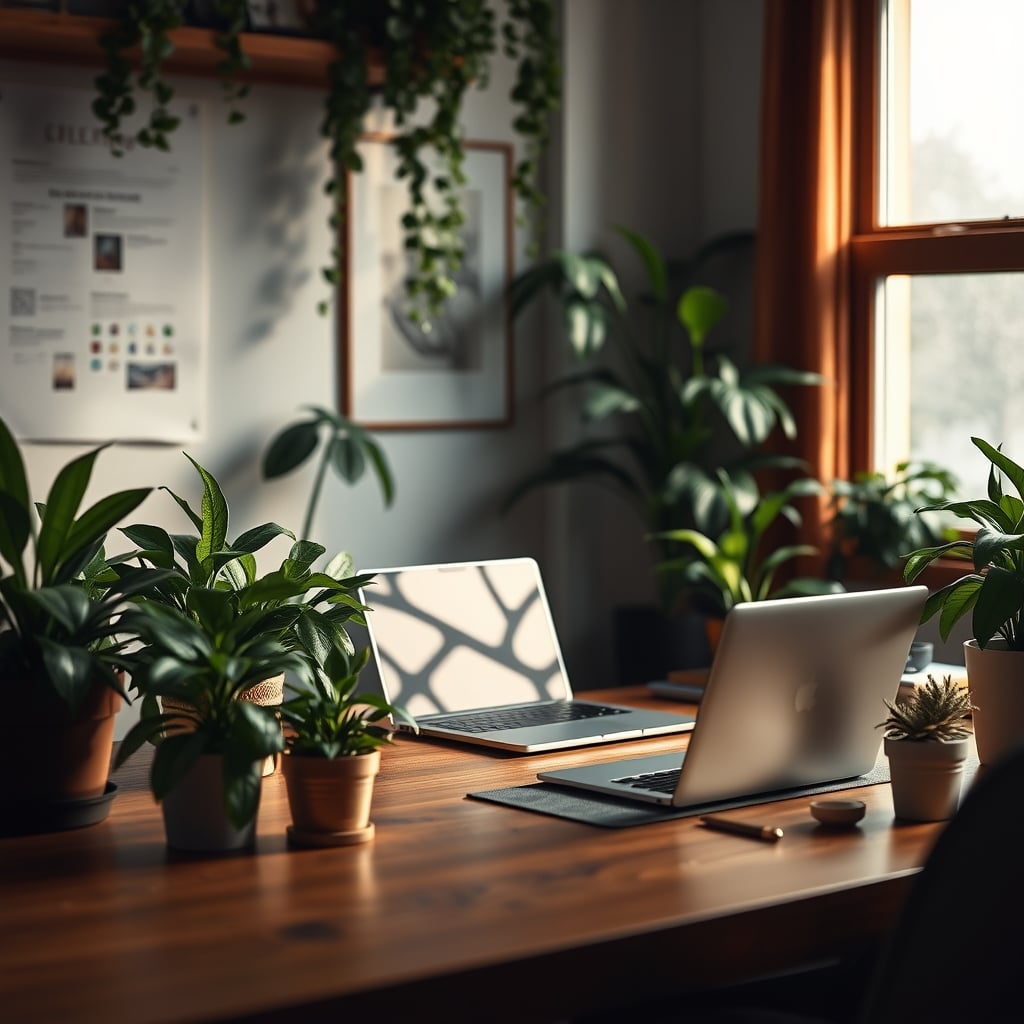
The Desk Plants Air Quality Myth That Needs to Die
Let’s just murder this misconception right now. The idea that desk plants significantly improve your immediate air quality is overrated to the point of being a lie. It’s a classic case of a grain of scientific truth being blown up into a marketing hurricane.
The origin story is a 1989 NASA study that showed certain plants could remove volatile organic compounds (VOCs) from sealed laboratory chambers. Notice the keywords: "NASA," "sealed chambers," "1989." This wasn't about a pothos on your desk next to a gaming PC and a half-eaten sandwich. It was a controlled experiment measuring microscopic changes in a static, isolated environment. Translating that to your dynamic, ventilated (hopefully) home office is like saying a bicycle can win the Indy 500 because they both have wheels.
Here’s the brutal, scaled math that nobody talks about. Dr. Michael Waring, an environmental engineer, crunched the numbers in a 2019 review: to match the air cleaning capacity of a standard office building’s air exchange system (which is just doing its basic job), you would need between 10 and 1,000 plants per square meter. Per. Square. Meter. Let that sink in. For a modest 10x10 foot office, you’d need a literal, light-blocking, jungle-gym wall of plants. Your cute little succulent in a terracotta pot? It’s doing less for your air than opening the door when you leave the room.
Most people get this wrong because they want a simple, aesthetic solution. The industry lies about this because it sells plants and ceramic pots. This doesn't work in any measurable, real-world sense.
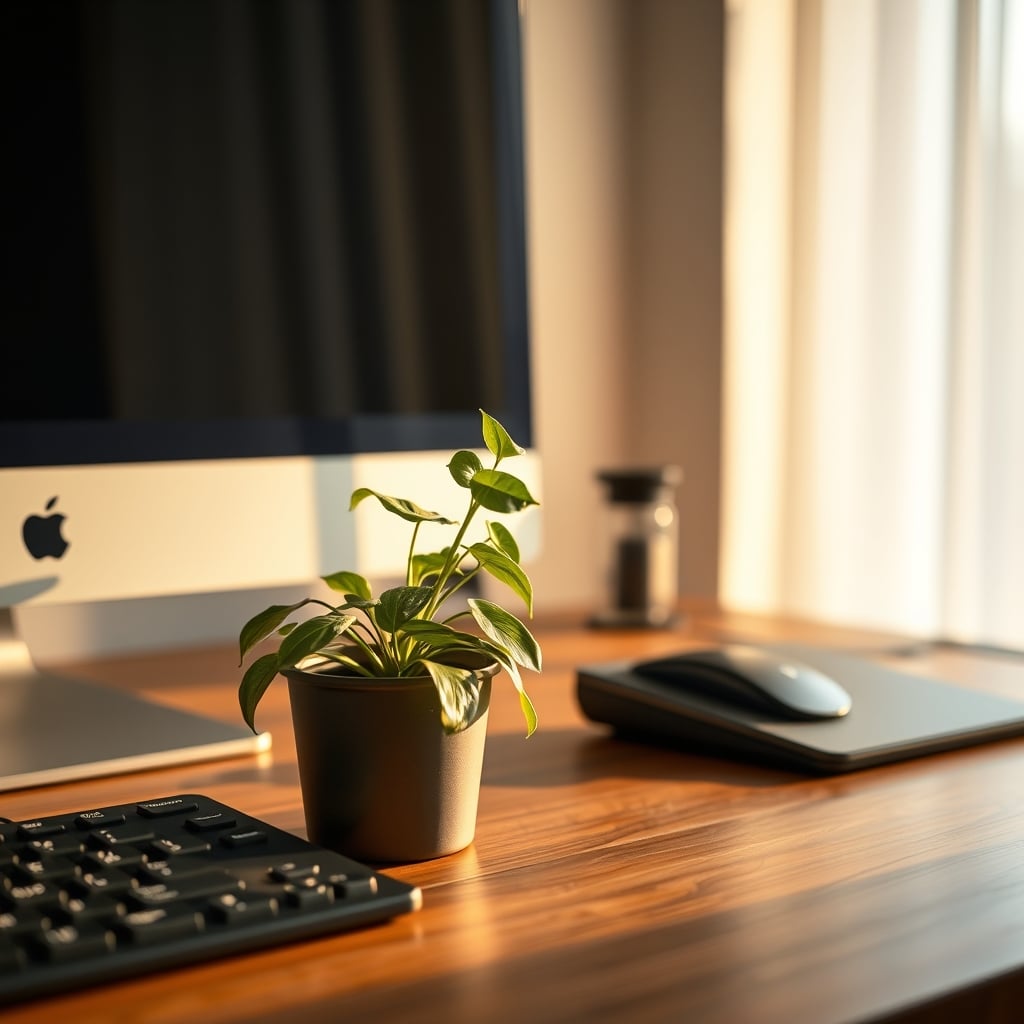
Your Aesthetic Is Sabotaging Your Airflow
Premium Pick
- High performance
- Premium build
We care about vibes at GlowRig. We really do. A clean, textured, green-dotted desk is a mood. But prioritizing that visual over actual atmospheric science is a mistake I see in every "productive workspace" Instagram reel.
You’ve meticulously arranged your monstera, your fiddle-leaf fig, your trailing philodendron. It’s gorgeous. It’s also creating a micro-climate of trapped humidity and potential mold spores right next to your $2,000 laptop. Plants are wet. They transpire. They live in damp soil. In the quest for a visual aesthetic, you’re placing little humidity emitters all around your heat-sensitive electronics. Users consistently report increased dust accumulation around their desk plant clusters—it’s not your imagination. That moisture binds dust and particulates, creating a gross little ecosystem inches from your keyboard.
And let’s talk about the elephant in the room: the goddamn potting mix. That bag of "organic indoor plant soil" is a haven for mold spores and fungi that love the consistent warmth of your desk. It’s not about toxicity; it’s about your sinuses. If you’ve ever felt stuffy or had unexplained allergy-like symptoms at your desk, your beautiful botanical collection might be the culprit. You traded one invisible airborne irritant (general dust) for another (biogenic particles).
Why Air Purifiers Aren't Just for Allergies Anymore
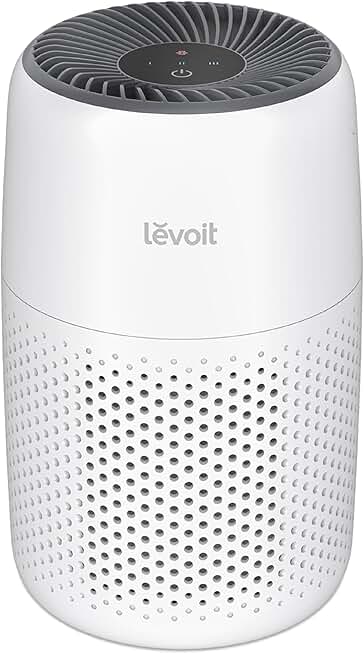
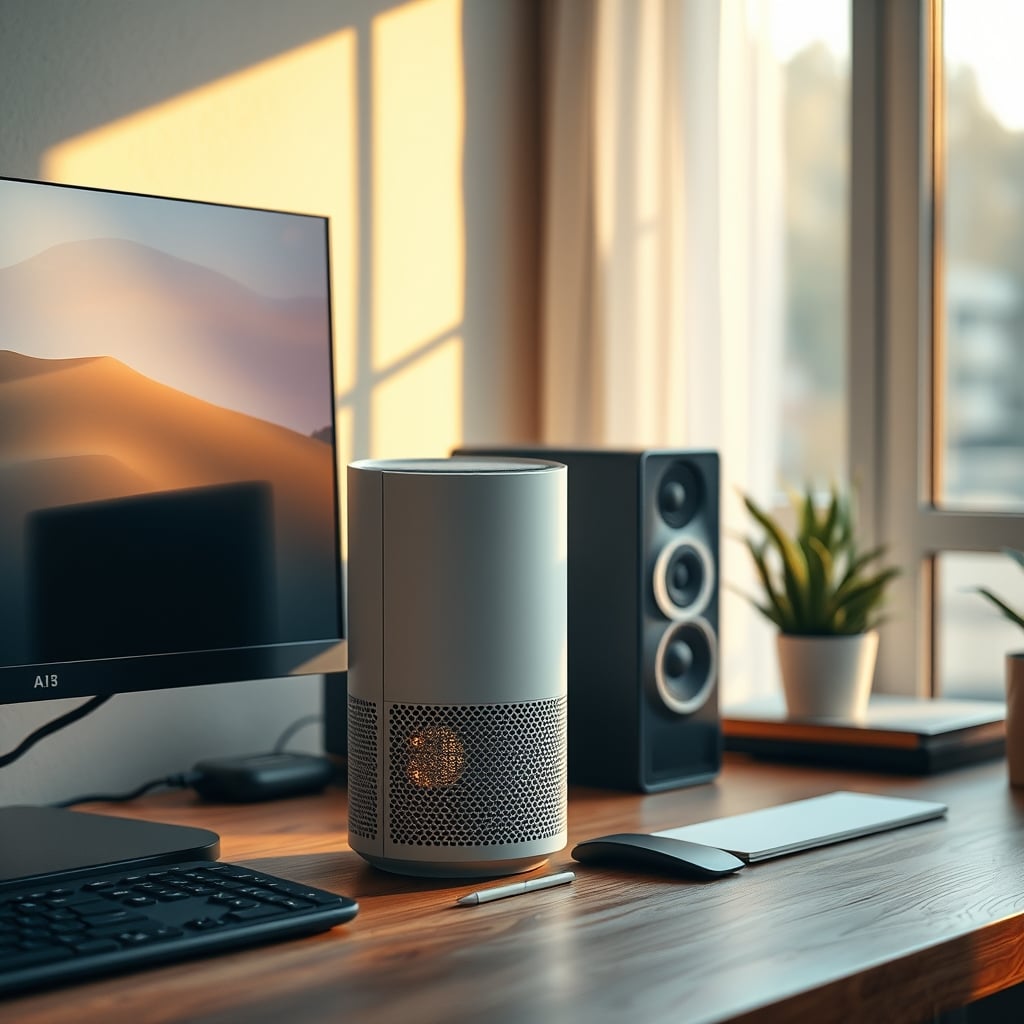
If plants are the placebo, a real air purifier is the actual medicine. And before you roll your eyes thinking of giant, loud, industrial units, the 2026 landscape is different. We’re talking about quiet, desk-side units the size of a tall coffee mug that actually move and filter meaningful volumes of air in your breathing zone.
The core principle is air exchange rate, not passive absorption. A plant sits there, hoping bad air floats into its leaves. A purifier with a fan actively pulls air through a HEPA filter, capturing particulates (dust, dander, pollen) and often a carbon layer for VOCs and odors. It’s the difference between hoping a breeze cools you and turning on a fan.
For a desk setup, you don’t need a whole-room monster. You need a personal zone defender. Place it between your monitor and your keyboard, or just off to the side of your primary workspace. This device is cleaning the cubic foot of air your lungs are actually pulling from, not the air by the window or the ceiling corner. Based on widespread user feedback, this targeted approach has a more noticeable subjective impact on perceived freshness and reduced screen-dusting frequency than any number of plants.
The One Desk Plant That's Actually Worth Your Space (And It's Not for Air)
Okay, fine. I’m not a monster. You can keep a plant on your desk. But let’s be honest about why. Skip plants for air cleaning. Get a plant for visual rhythm and mental punctuation.
The real benefit of a desk plant is psychological, not pulmonary. It’s a blob of organic, irregular texture in a sea of rigid rectangles and flat screens. It’s a visual resting point for your eyes during a long focus session. The act of watering it (sparingly, away from your gear) is a tiny, tactile ritual that pulls you out of the digital for 30 seconds.
If you must have one, make it a low-transpiration, low-drama variety. A snake plant or a Zamioculcas zamiifolia (ZZ plant) in a pot with a sealed-bottom saucer. These are the camels of the plant world—they thrive on neglect and add almost zero moisture to your environment. They’re structural, they’re hard to kill, and they won’t dump pollen or leaves all over your mousepad. They are decor, not detox.
The Silent Killer Your Setup Is Already Generating
While we're obsessing over hypothetical plant benefits, we're ignoring the actual pollutants our tech creates. This is the real issue.
Your electronics are off-gassing. That new monitor smell? That’s VOCs from plastics and adhesives. The ozone from a laser printer? A known irritant. The ultrafine particulate matter from a fan cooling your GPU? It’s circulating. Your cozy, carpeted home office is a trap for these byproducts. A plant does nothing about this. At all.
Furthermore, the pursuit of a "clean air" aesthetic often leads to the use of scented products—plugin diffusers, essential oil misters right on the desk. These are categorically worse for indoor air quality than doing nothing. You are literally aerosolizing volatile compounds for the vibe. If you’re running a purifier and an oil diffuser simultaneously, you are financially and environmentally at war with yourself. The purifier is trying to remove particles, and you’re blasting more into the air. It’s absurd.
The Hybrid Approach That Actually Makes Sense
So what’s the play if you want both the green vibe and clean lungs? It’s not an either-or. It’s a layered defense with honest expectations.
- Primary Layer (Performance): A small, high-CADR (Clean Air Delivery Rate) air purifier for your immediate desk zone. This is your workhorse. Place it with intent.
- Secondary Layer (Maintenance): Keep up with your home’s HVAC filter changes. This is the macro-level system you’re already paying for.
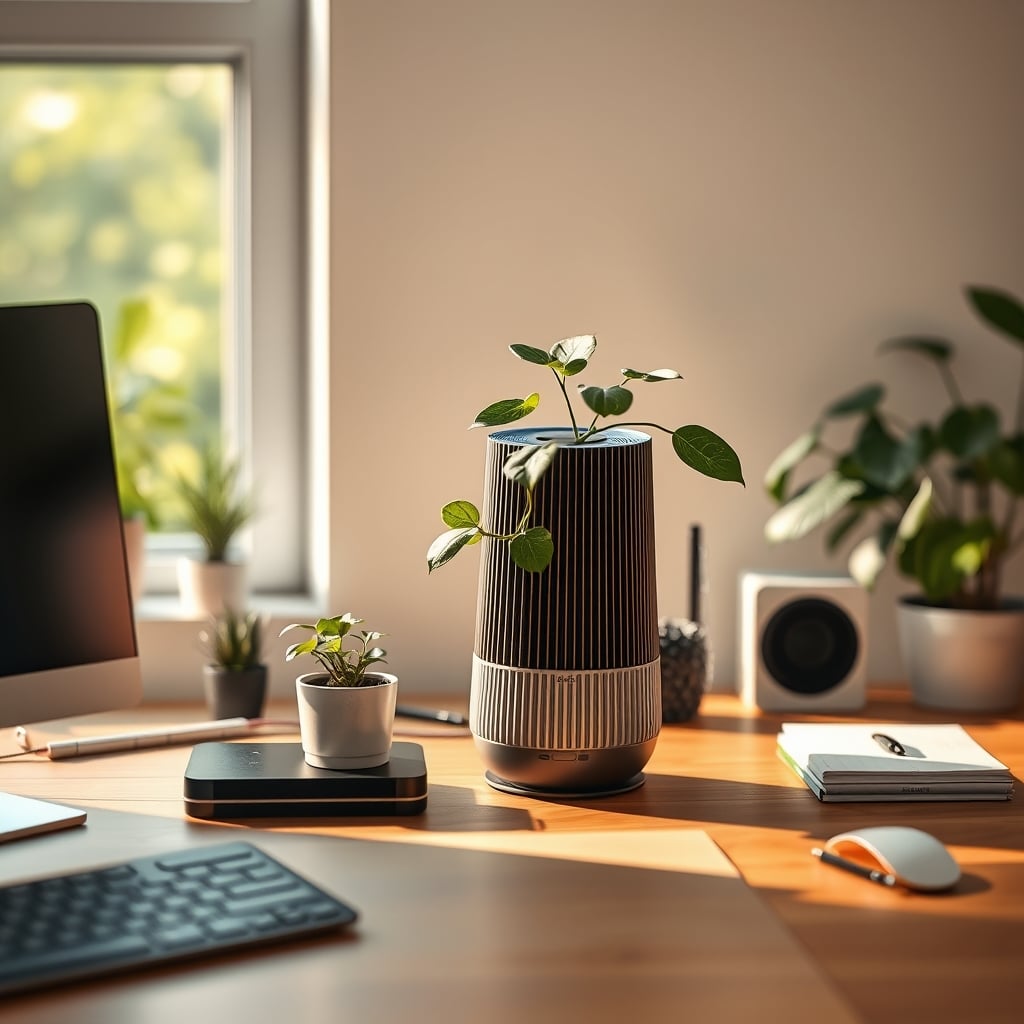
- Tertiary Layer (Vibe): A single, low-maintenance desk plant in a pot that doesn’t leak. Admire its form. Water it over the sink. Expect nothing from it but beauty.
This stack acknowledges reality. The purifier handles the particulates and chemical odors from your tech and environment. The HVAC handles the broader room. The plant handles your need for something that isn’t made of plastic or silicon.
The Final Verdict: Skip the Hype, Get a Purifier
The desk plants air quality narrative is a comforting fairy tale. It lets us believe we’ve solved a complex problem with a simple, beautiful purchase. But in 2026, with what we know about airflow, filtration, and scale, clinging to that myth is just intellectual laziness.
Your desk is a performance environment. Treat its atmosphere with the same rigor you treat your monitor’s color accuracy or your chair’s lumbar support. Worth it: A targeted, desk-sized HEPA air purifier. Overrated: Any plant sold to you as an "air purifier." Actually good: A plant sold to you as a beautiful, hard-to-kill object.
Stop asking your ficus to do a job it didn’t evolve for. Get the right tool, and let your plants just be pretty. Your sinuses, your electronics, and your realistic expectations will thank you.
For more on how your decor choices can have unintended consequences, check out our deep dive on Desk Plant Condensation Is a 2026 Tech Sabotage. And if you're falling for other feel-good tech myths, our article on The Decorative Sound Panels Scam You're Still Believing is a must-read.
Frequently Asked Questions
Do desk plants actually clean the air?
No, not in any meaningful, real-world way. While some plants can absorb trace volatile organic compounds in sealed lab conditions, the number of plants needed to impact the air in a typical room is impossibly high—you'd need a literal jungle. For your desk area, they are purely decorative.
What is the best way to improve air quality at my desk?
Use a small, personal HEPA air purifier placed within your immediate breathing zone. It actively circulates and filters the air around you, capturing dust, allergens, and particulates from your electronics. This is far more effective than any plant.
Can desk plants be bad for my setup?
Yes. Plants increase local humidity through transpiration, which can lead to more dust accumulation and create a risky moist environment for electronics. Potting soil can also harbor mold spores, potentially aggravating allergies.
Written by
Maya is an enthusiast for biophilic workspace design. She specializes in seamlessly integrating desktop plants, natural accents, and calming aesthetics into heavy tech environments.
Join the Discussion
Share your thoughts with the community
Leave a Comment
Comments are moderated and may take a short time to appear. Links are not permitted.