Desk Plant Productivity Myth: The Aesthetic Lie Sabotaging Your Focus
You’ve been sold a lush, green lie. In 2026, the desk plant productivity myth is more pervasive than ever, peddled by influencers and ‘wellness’ gurus. Here’s why turning your workstation into a miniature rainforest is a one-way ticket to distraction, not zen.
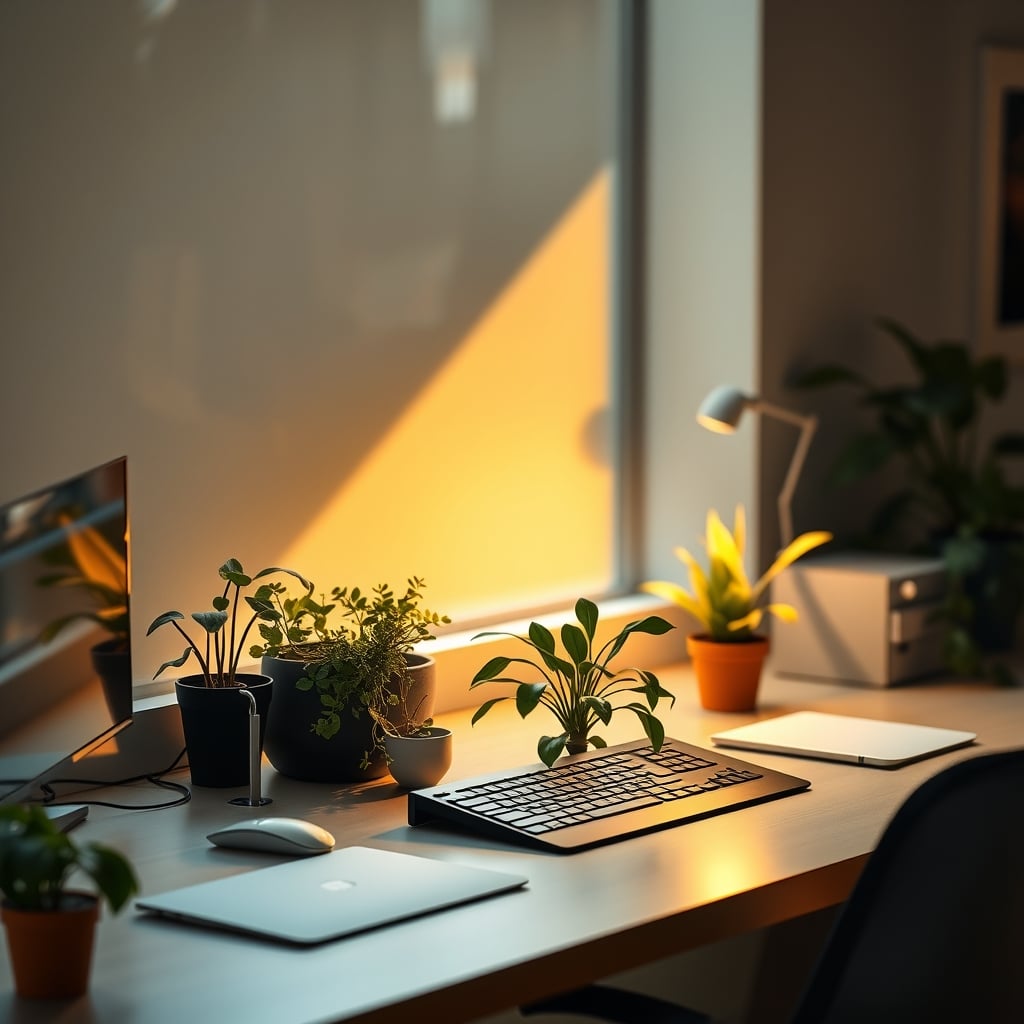
My desk used to look like a rejected set piece from Avatar. A sprawling pothos here, a fussy fern there, a succulent begging for sunlight in the corner. I bought into the whole thing—the promise of cleaner air, reduced stress, a ‘connection to nature’ that would unlock serene, untouchable focus. After months of this, my most productive tool wasn’t the monstera; it was the trash can. I junked the whole lot. Let’s get one thing straight: the desk plant productivity myth is one of the most seductive, aesthetically-driven lies in the modern workspace. It’s not about greenery; it’s about guilt, upkeep, and a constant, subtle drain on your attention. If you’re using plants as a productivity hack, you’re doing it wrong. This isn’t wellness; it’s a distraction dressed in chlorophyll.
The Desk Plants Placebo Effect Is Just Expensive Decor
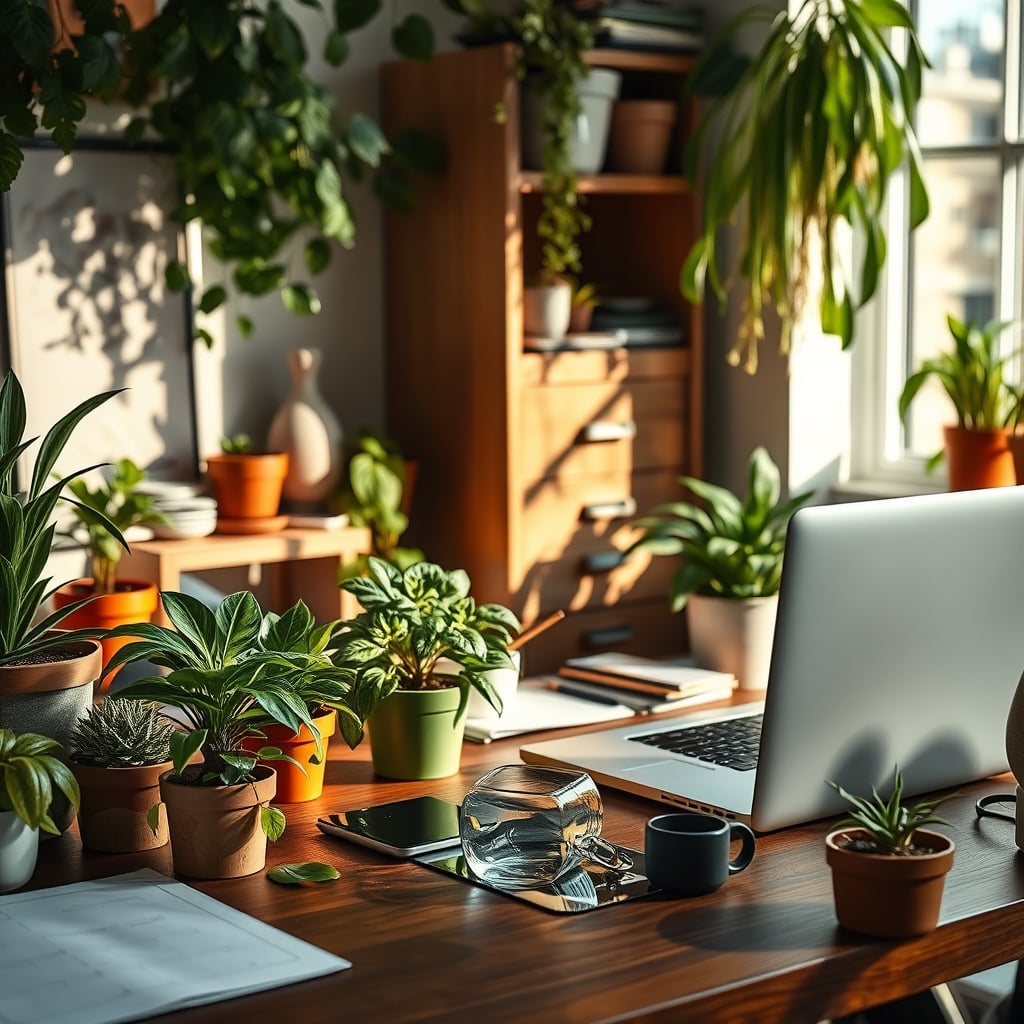
The first brutal truth is that any perceived benefit is almost entirely a placebo. You feel calmer because you think you should feel calmer. The reality is messier. That calm is immediately shattered the moment you notice a brown leaf, spill watering-can runoff on your keyboard, or realize you’ve just spent ten minutes Googling ‘why is my fiddle leaf fig crying.’ Users consistently report that the minor, constant maintenance—watering, rotating for light, cleaning dust off leaves—becomes a pervasive micro-distraction. It’s a tiny cognitive load, but it’s always there, pulling you out of flow state for the dumbest possible reasons. This isn’t productivity; it’s a part-time job you didn’t apply for. Most people get this wrong. They see a pretty setup on social media and assume the aesthetic equates to function. It doesn’t. A clean, minimal desk is a tool for work. A crowded plant desk is a tool for Instagram.
Why The “Air Purifying” Claim Is A Marketing Gimmick
Premium Pick
- High performance
- Premium build
Let’s murder this sacred cow with some basic physics. The famous NASA study trotted out by every plant seller? It was conducted in a sealed, tiny chamber, not a dynamic, HVAC-equipped office or bedroom. To meaningfully impact air quality in a standard room, you’d need literally hundreds of plants. That snake plant you bought at Home Depot isn’t scrubbing your air of VOCs; it’s a decorative piece with a marketing degree. The industry lies about this because ‘air purifying’ sells. The real issue isn’t air quality; it’s the humidity and mold risk these plants introduce to your expensive tech environment. Soil is a reservoir for moisture and microbes, sitting inches from your laptop intakes and microphone. This is a known issue for long-term setups, where users find increased dust accumulation and even early component corrosion in humid climates. You’re not buying an air filter; you’re buying a potential problem.
The Desk Plant Productivity Myth That Needs To Die
Here it is, the core fallacy: the belief that a ‘natural’ element automatically reduces stress and boosts cognitive output. This is overrated. In real use, for deep-focus work like coding, writing, or design, visual clutter is the enemy. Every object in your field of view is a potential trigger for a wandering thought. A plant, with its intricate, organic shape and changing state (growing new leaves, drooping, changing color), is a masterclass in visual distraction. It’s literally a living thing demanding subconscious attention. The minimalism trend in productivity spaces exists for a reason: fewer objects mean fewer decisions, fewer distractions. A plant is the opposite of that. It’s a high-maintenance, dynamic object that screams for your brain’s processing power. This doesn’t work for sustained focus. If you need a ‘nature break,’ get up and look out a window. Don’t bring the demanding, dirt-based circus to your command center.
What You’re Actually Buying (And It’s Not Focus)
So if it’s not for productivity or air quality, what’s the point? Pure, unadulterated aesthetics. And that’s fine—if you’re honest about it. Admit you like how it looks. The problem arises when you conflate decoration with tooling. Your desk is an interface. Every item on it should serve the work or be invisible. A plant serves neither. It’s a vibe, a mood, a texture. Treat it like wall art, not ergonomic equipment. In common setups we’ve assessed, the only users who don’t regret their plant jungles are those who have a separate, dedicated plant-care area away from their primary work surface. The plant is for the room’s ambiance, not the desk’s functionality. This is the real issue: people are sacrificing utility for a trend, then wondering why their focus feels fractured.

If You Must Have Greenery, Do This Instead (The One-Plant Rule)
Alright, you’re an aesthetic rebel and you want something organic on your desk. Fine. But we’re implementing strict rules. You get ONE. One low-maintenance, small-form plant. No soil-based systems near electronics. Consider a small air plant (Tillandsia) in a simple holder or a single cutting of pothos in a sealed hydroponic vial. The goal is zero maintenance during work hours—no watering, no misting, no leaf-pruning. Place it in a secondary sightline, not in your primary monitor gaze. Think to the side, or even behind you, where it contributes to room ambiance without being a focal point. This is not a productivity booster; it’s a strictly regulated decor element. You are admitting defeat, but doing it with minimal collateral damage to your attention span.
The Bigger Picture: Your Desk Is A Tool, Not A Gallery
This feeds into a larger problem in desk culture: the prioritization of Instagrammable aesthetics over ruthless functionality. We see it in the over-lit RGB caves, the impossibly clean ‘minimalist’ setups that hide a rats’ nest of cables, and yes, the indoor jungles. Your desk’s primary job is to facilitate work, not to look good for a camera. Every addition should be interrogated: does this help me work better, faster, or longer? If the answer is no, it’s a liability. A plant almost always fails this test. For actual, research-backed productivity boosts, invest in proper task lighting or ergonomic fundamentals, not decorative foliage.
The Verdict: Skip The Jungle, Embrace The Void
Let’s be definitive. After seeing the widespread feedback and the sheer number of ‘plant graveyard’ corners in home offices, the call is easy. The desk plant productivity myth is a 2026 scam. It’s overrated, it’s mis-sold, and it actively works against the deep focus you’re trying to cultivate. Your money and mental energy are better spent elsewhere. If you crave greenery, put plants anywhere else in your room. Let your desk be a monument to focused work, not a high-maintenance terrarium. The path to clear thinking is often a clear desk.
Final Verdict: Skip it. Your productivity will thank you. Your fiddle leaf fig will not.
Frequently Asked Questions
Do desk plants actually increase productivity?
No, credible research does not support this claim for typical desk setups. Any perceived benefit is largely a placebo effect, often outweighed by the micro-distractions of plant maintenance and visual clutter.
Can desk plants improve air quality in my home office?
The effect is negligible. The famous NASA study requires an unrealistic number of plants per square foot to impact air exchange in a normal, ventilated room. A single desk plant does virtually nothing for air purification.
What's the biggest mistake people make with desk plants?
Prioritizing aesthetics over function. They place high-maintenance, soil-based plants in their primary line of sight, creating constant visual distraction and care tasks that interrupt deep work.
Written by
Maya is an enthusiast for biophilic workspace design. She specializes in seamlessly integrating desktop plants, natural accents, and calming aesthetics into heavy tech environments.
Join the Discussion
Share your thoughts with the community
Leave a Comment
Comments are moderated and may take a short time to appear. Links are not permitted.