The Desk Lamp Circadian Myth That's Sabotaging Your Sleep
Your circadian desk lamp is a $150 placebo. The science is oversold, the effects are microscopic, and you're better off closing your damn blinds. Here's why chasing perfect desk lamp circadian lighting is a waste of money and focus.
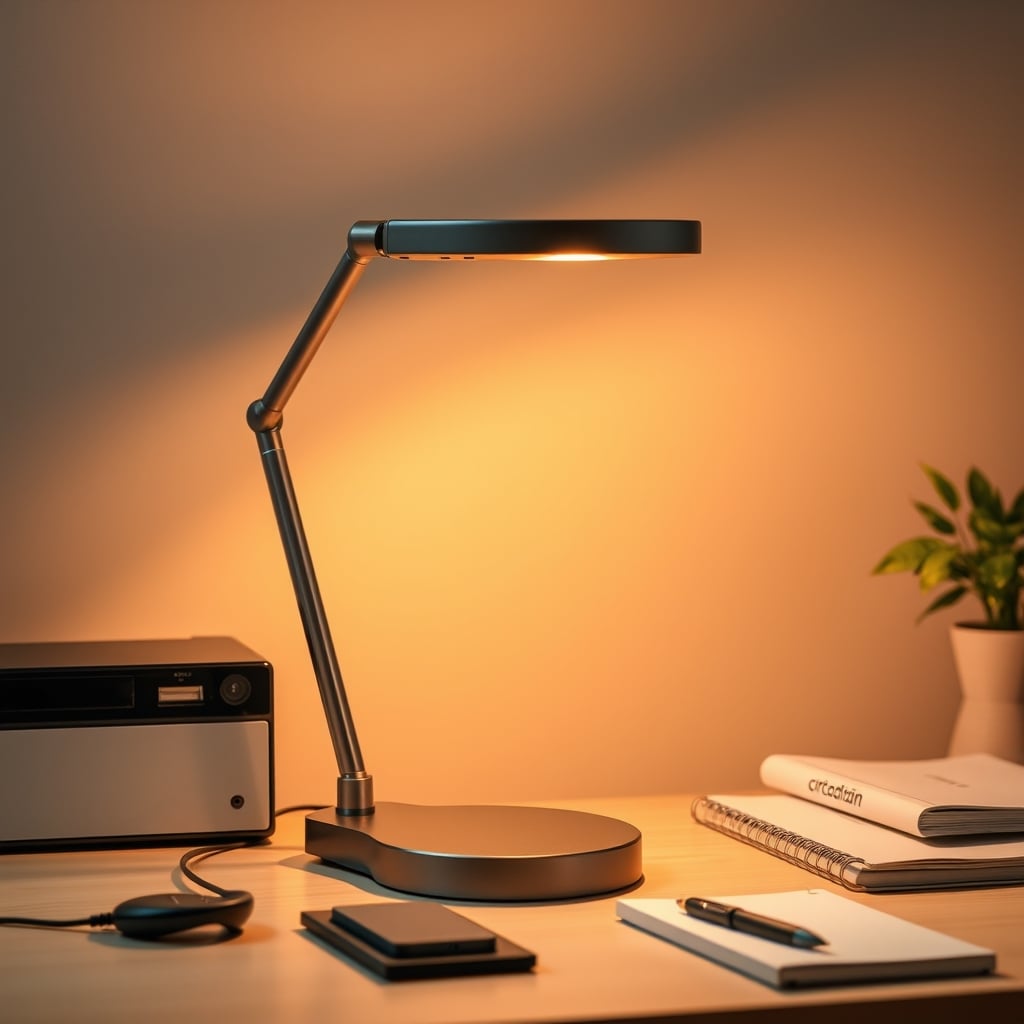
Let's cut through the wellness-industrial complex noise right now. You bought that sleek, app-connected desk lamp promising to sync with your circadian rhythm, tuck you into bed with a sunset glow, and blast you awake with a simulated dawn. You spent more time configuring its color temperature schedules than you did actually working under it. And guess what? You still feel like garbage at 3 PM. Your sleep hasn't magically improved. That's because the entire premise of a consumer-grade desk lamp circadian system solving your biological woes is a beautifully marketed lie. I’ve watched the hype cycle spin from “blue light blockers” to “full-spectrum wellness” to the current “circadian AI sync” nonsense, and the core truth remains: you are being sold a solution to a problem that your $30 lamp can't possibly fix.
Most people get this wrong. They think the tool is the solution. A desk lamp, no matter how many kelvins it claims to output, operates in a tiny, isolated visual field. Your body's master clock isn't taking cues from the 12-inch cone of light on your notepad. It's responding to the entire ambient light environment of the room, the light hitting your ceiling and walls, and critically, the light entering your eyes from above and around you—not just from a task lamp pointed at your desk. This is the real issue.
Why Circadian Desk Lamps Are a Waste of Your Money
The industry lies about this. They sell you on peer-reviewed studies about light intensity and melatonin suppression, then conveniently omit the scale required. Those studies are done in controlled environments with broad, overhead light measuring in the thousands of lux, the unit of illuminance. Your fancy desk lamp, at its brightest setting, 18 inches from your face, might hit 500 lux on your keyboard. The ambient light in a well-lit room? Easily 300-500 lux. A cloudy day outside? Over 1,000 lux. Your desk lamp is a candle in a bonfire. To even begin to mimic the light intensity required for a meaningful circadian shift, you’d need to be sitting in a photographer's softbox, not under a desk lamp.
Users consistently report that after the initial novelty wears off, the automatic scheduling becomes an annoyance. The lamp shifts to a warmer tone during your late-night gaming session, and you manually override it because you can't see. The “sunrise” alarm feature is so faint you sleep right through it. This is overrated. You're paying a 400% premium for features you'll disable within a month, chasing a biological impact that is, for all intents and purposes, undetectable in the noisy reality of your life—your screen time, your caffeine intake, your stress levels.
The Blue Light Panic Is Mostly Marketing BS
Premium Pick
- High performance
- Premium build
Here’s a myth that needs to die: that the blue light from your desk lamp is the primary saboteur of your sleep. It’s a fantastic scapegoat. The reality is more inconvenient. Yes, blue wavelengths around 460-480nm are potent for suppressing melatonin. But your smartphone, your monitor, your tablet—these are the concentrated sources beaming directly into your retinas for hours. A desk lamp, even a cool-white LED one, is a diffuse, reflected source in comparison. Obsessing over your lamp’s blue light output while binge-watching Netflix on your iPad is like worrying about a papercut while ignoring a broken leg.
This is not worth it. The entire “blue light filtering” mode on most circadian lamps is a placebo tint. It just makes everything look orange and dim, often ruining color accuracy for any creative work. The real solution isn't a $200 lamp with a blue-light-reduced mode; it's discipline. It's using software like f.lux or your OS's night light on your actual screens 2-3 hours before bed, and maybe just turning off some of the damn overhead lights. Your lamp is the least of your problems.

What Actually Matters: Ambiance Over Algorithms
Forget the circadian algorithms. The most valuable feature a desk lamp can have for your daily wellbeing is simple, manual, high-quality dimming. Not 5 preset levels, but smooth, continuous dimming from ‘barely there’ mood light to ‘crisp document review’ brightness. This is the real performance metric. Why? Because your immediate visual comfort dictates your focus and eye strain more than any hypothetical sleep-cycle adjustment. A lamp that lets you perfectly match its output to your ambient room light at any time of day is infinitely more useful than one that rigidly follows a preset schedule based on latitude and longitude.
In common setups, especially with a single monitor, a desk lamp positioned to bias light onto the desk without glaring on the screen is the number one upgrade for reducing eye fatigue. This is a tangible, immediate benefit. You’ll feel it within minutes, not over weeks of supposed circadian alignment. The texture of the light matters too—a lamp with a decent diffuser that softens shadows and prevents hot spots is better than a bare LED array promising perfect spectral power distribution.
For a guide on the best simple, high-CRI lamps that prioritize function over hype, see our roundup of the best dimmable desk lamps for home offices.
The Smart Home Integration Trap
This is overrated. So you spent hours linking your desk lamp to your Google Home or Apple HomeKit so it can be part of your “Good Morning” scene. How often does that scene run perfectly? The reality is that these integrations are fragile. Updates break them. Wi-Fi dropouts leave your lamp in the wrong mode. You end up using the physical button more than the app, which means all that smart functionality was just an expensive tax. Based on widespread user feedback, reliability beyond simple on/off is a crapshoot. A dumb lamp with a great dial never needs a firmware update.
If you insist on smart features, treat them as a bonus, not the core reason for purchase. And for the love of productivity, don’t buy a lamp with RGB. You are not a streamer setting a mood for your audience (and if you are, you need proper bias lighting behind your monitor, not a rainbow disco on your desk). RGB in a task lamp is a gimmick that distracts more than it enhances.
The Brutal Truth About Your Lighting Hierarchy
Let's get brutally honest about priority. If you genuinely care about circadian health and light's impact on your alertness and sleep, your spending should follow this order, and your desk lamp is dead last:
- Window Treatments: Blackout curtains for real darkness when you sleep. This has a 100x greater impact on sleep quality than any lamp.
- Overhead Room Lighting: Replace your main room lights with dimmable, high-quality fixtures (even dumb ones) that can flood the space with bright light during the day and warm, dim light at night. This is the ambient signal your body actually notices. For a deeper dive into creating a sleep-friendly environment, explore our article on circadian rhythm lighting for the whole room.
- Monitor/Screen Management: Use aggressive software night light settings. Consider a bias light strip behind your monitor to increase perceived contrast and reduce pupil strain, which can indirectly help when you look away from the screen.
- Your Desk Lamp: A tool for task lighting. Its job is to light your desk pleasantly and without glare. Full stop.
Reversing this hierarchy—dropping $250 on a ‘biologically tuned’ desk lamp while your room has a single harsh overhead bulb and your monitor blasts you with 6500K light—is like putting racing tires on a car with a seized engine.
The Verdict: Skip the Circadian Hype, Buy a Good Dimmable Lamp
The conclusion is simple. The entire category of premium desk lamp circadian products is overrated. You are paying for pseudoscience wrapped in aluminum. The tiny, localized light source of a desk lamp is physiologically irrelevant for driving your circadian rhythm compared to your total light environment.
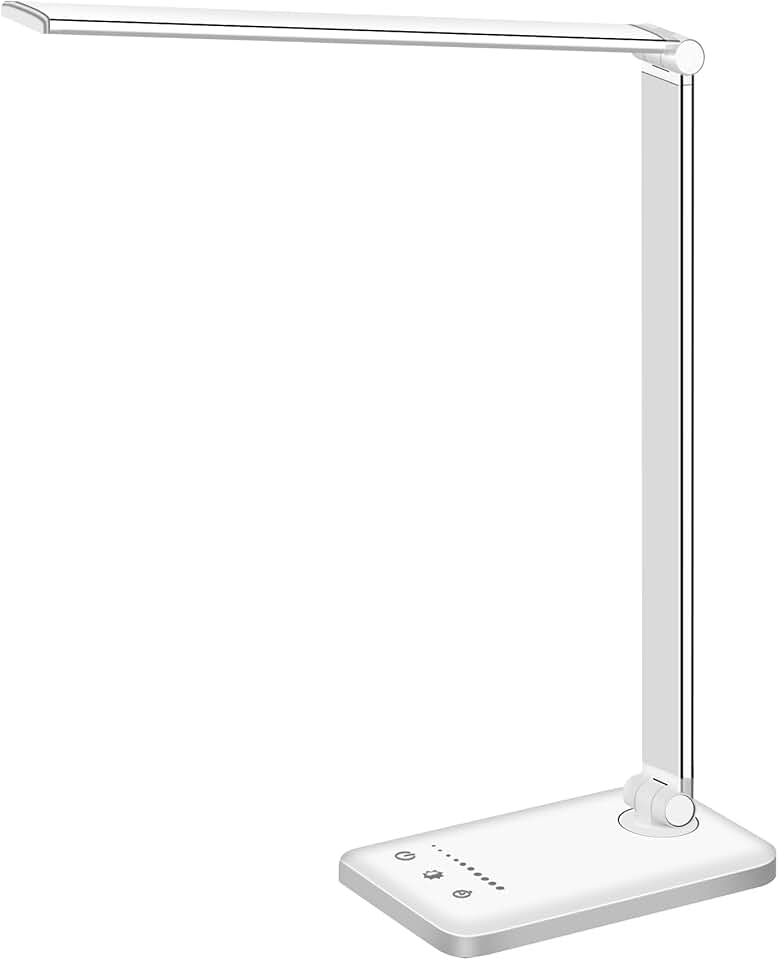
What should you buy instead? A simple, well-built LED desk lamp with excellent continuous dimming and a high Color Rendering Index (CRI >90) so colors look accurate. A lamp with a physical control you can reach for without thinking. Something like the Lepro LED Desk Lamp gets the fundamentals right: it’s metal, it dims smoothly, it has a decent CRI, and it won’t try to manage your biology. It just lights your damn desk. That’s what a desk lamp is for.
Your mission isn't to find a lamp that claims to fix your sleep cycle. Your mission is to find a lamp that disappears, that provides the right light for the task at hand without drama, fuss, or failed Bluetooth connections. Spend your money on better room lighting and better window shades. Use free software to manage your screen's color temperature. Let your desk lamp be just a desk lamp.
Final Verdict: Skip It. The circadian desk lamp is a solution in search of a problem, a premium price tag attached to a microscopic benefit. Your money and focus are better spent elsewhere.
Frequently Asked Questions
Is a circadian desk lamp worth it for better sleep?
No. The light intensity from a desk lamp is too low and too localized to meaningfully impact your circadian rhythm compared to your overall room and screen light. It's an overrated feature.
What's more important than a circadian desk lamp?
Your overall room lighting (dimmable overhead lights) and window treatments (blackout curtains) have a far greater impact on sleep. Managing blue light directly from your screens with software is also more effective.
What should I look for in a desk lamp instead?
Prioritize smooth, continuous dimming, high Color Rendering Index (CRI >90) for accurate colors, good build quality, and a simple, reliable control scheme. Avoid gimmicks like RGB or fragile smart home integration.

Written by
From bias lighting behind your monitor to smart RGB ecosystems, Leon knows exactly how to light a room for productivity during the day and gaming at night.
Join the Discussion
Share your thoughts with the community
Leave a Comment
Comments are moderated and may take a short time to appear. Links are not permitted.