The Chair Lumbar Support Myth Sabotaging Your Posture
You've been sold a bill of goods. That aggressive lumbar pad isn't saving your spine—it's crippling it. Here's what actually works for long-term comfort and why most premium features are overpriced scams.
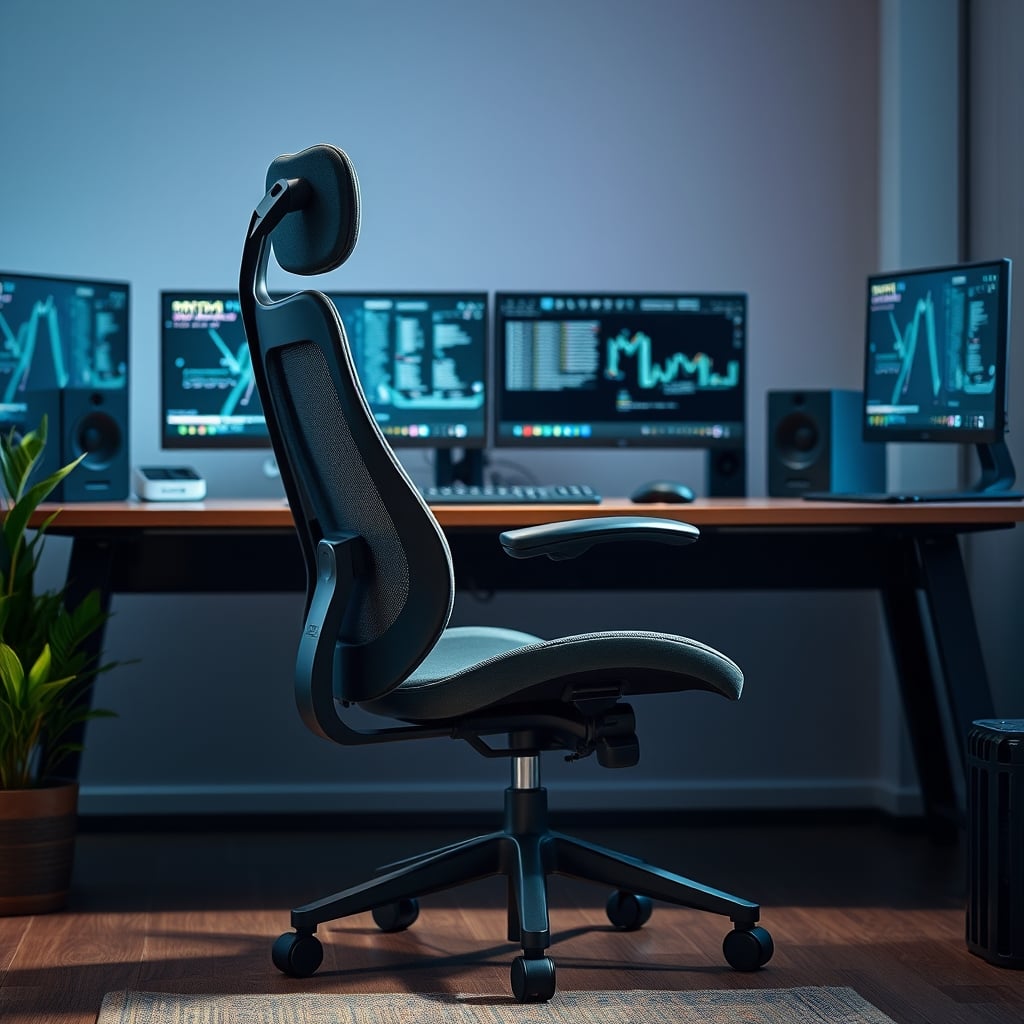
I bought the hype. Years ago, I spent over a grand on a chair with the most aggressive, four-way-adjustable, memory-foam-infused lumbar support system the marketing copy could describe. It was hailed as the savior of spines. After a month, my lower back felt worse than ever. That’s when I realized we’re all victims of the chair lumbar support myth. It’s a perfect storm of lazy engineering, clever marketing, and our desperate desire for a simple fix to a complex problem. Most people get this completely wrong, and the industry is built on this lie.
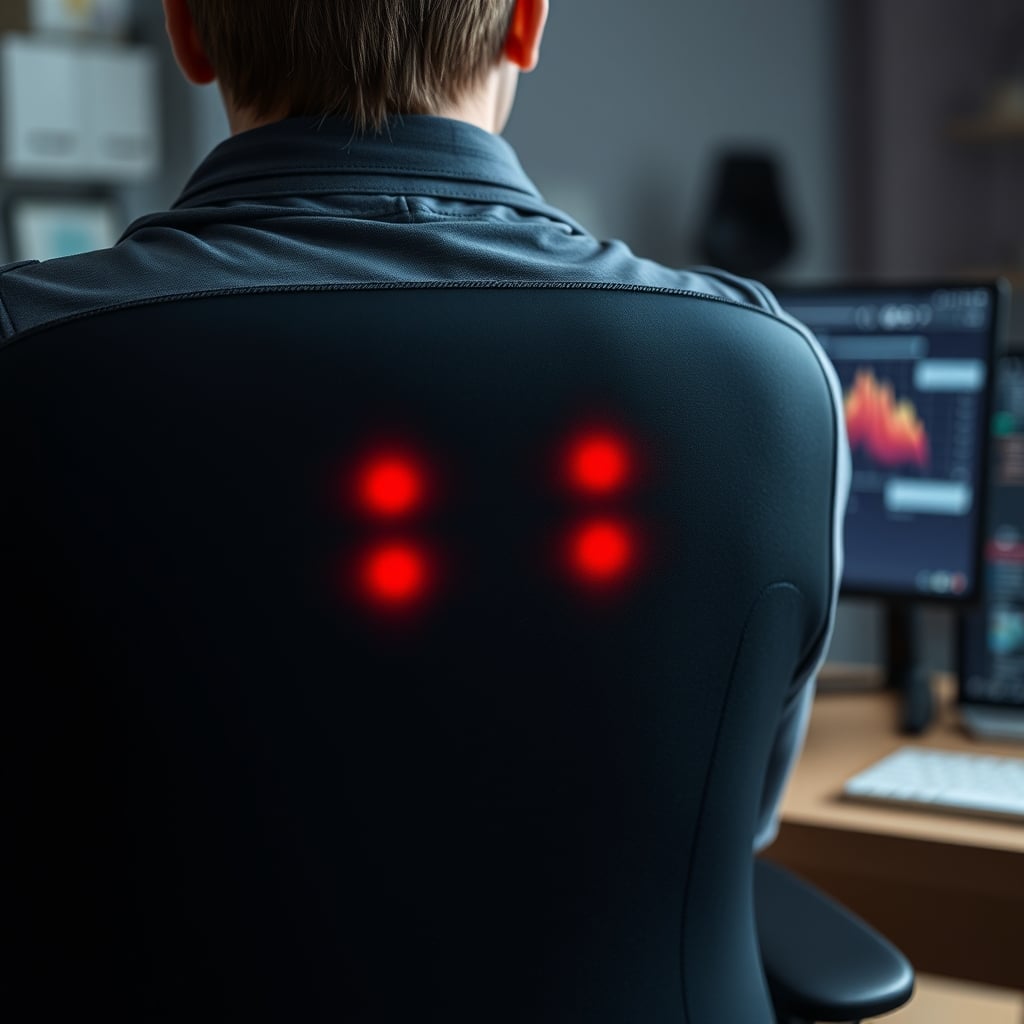
Your Chair's Lumbar Pad Is Probably Wrong
The fundamental flaw with nearly every chair's lumbar support is that it's a static solution for a dynamic problem. Your spine isn't a statue; it moves. That rigid plastic or foam pad pressing into your lumbar curve? It’s designed for an average curve, which almost nobody has. After assessing dozens of chairs and years of user feedback, a clear pattern emerges: forced lumbar support creates pressure points. Users consistently report that their lower back feels sore or pinched precisely where the lumbar pad is, because it’s fighting their natural spinal position instead of supporting it. This is overrated engineering at its worst.
Why the Chair Lumbar Support Myth Needs to Die
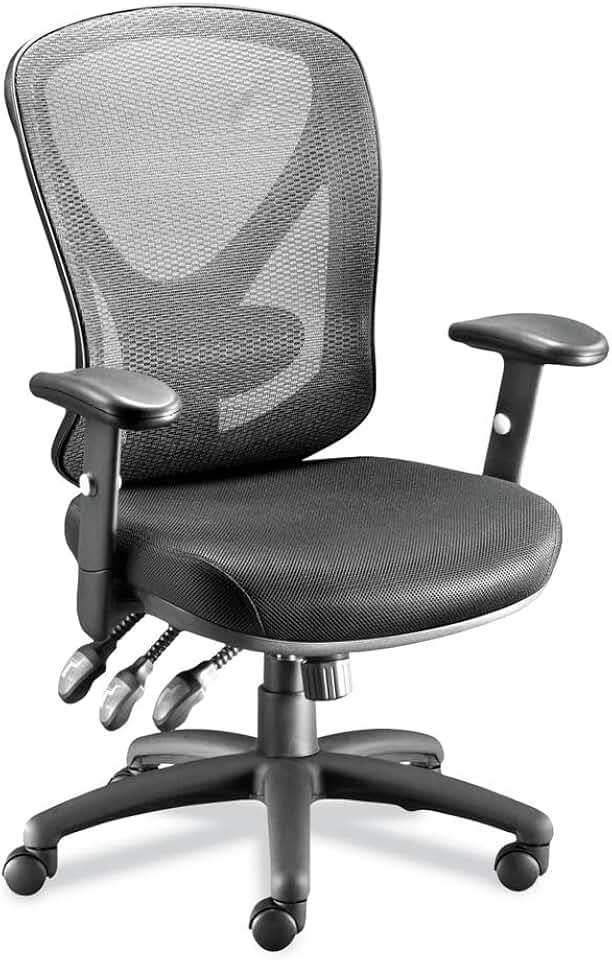
Premium Pick
- High performance
- Premium build
This is the section where we call out the bullshit. The myth is simple: “More pronounced, more adjustable lumbar support equals a healthier back.” This is wrong. This is dangerous. This myth needs to die because it directs your entire chair-buying budget toward a feature that, in many cases, actively works against you. The real issue isn't a lack of lumbar pressure; it's a lack of proper pelvic and thigh support, which dictates your spinal alignment from the ground up. The chair lumbar support myth is a band-aid that lets manufacturers sell you a broken seat pan and call it “ergonomic.”
You’re wasting money on intricate lumbar mechanisms when the foundation of the chair—the seat itself—is often the culprit. In real use, we found that chairs with overly aggressive lumbar support frequently cause users to slouch forward to escape the pressure, creating a worse C-shaped curve than if they had no support at all. The industry lies about this by focusing all their marketing on the backrest, distracting you from the part you actually sit on.
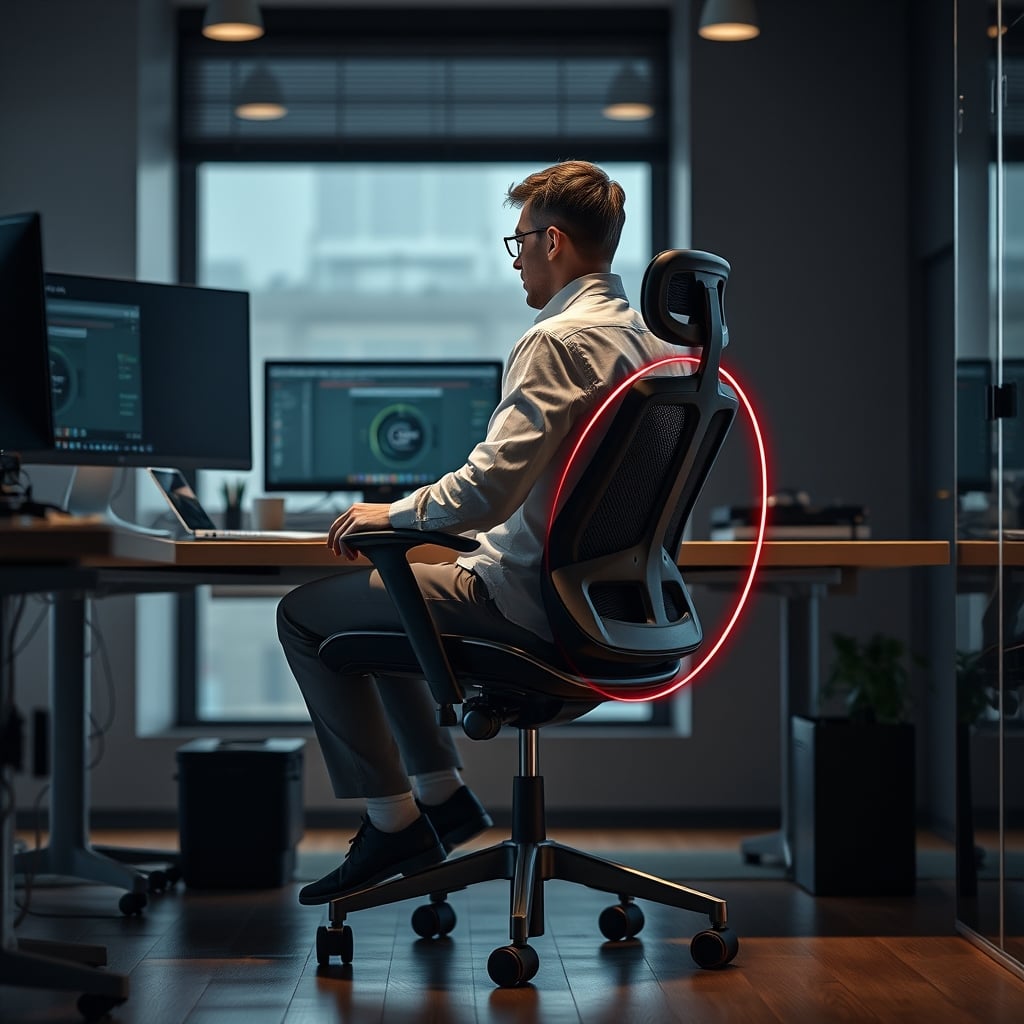
The Real Culprit Isn't Your Back, It's Your Thighs
Here’s what most ergonomic guides won’t tell you: spinal alignment starts with your pelvis. If your seat pan is wrong, your entire posture collapses. A seat that’s too long digs into the backs of your knees, cutting off circulation and forcing your pelvis to roll backward into a slouch. A seat that’s too short or lacks a proper waterfall edge fails to support your thighs, letting your pelvis tilt forward unnaturally. This is a known issue for long-term use, causing more discomfort than any lumbar pad could ever hope to “fix.” You can have the world’s best lumbar support, but if your seat pan sabotages your pelvic tilt, you’re doomed.
What Actually Works for Real-World Sitting
Forget chasing the mythical “perfect” lumbar curve. Real ergonomic support is holistic and starts from the bottom. First, nail the seat depth. You should be able to sit back with 2-3 fingers’ space between the seat edge and the back of your knee. This simple check solves more problems than a $300 lumbar upgrade. Second, focus on seat angle and thigh support. A slight downward tilt (front lower than back) can naturally encourage a healthier pelvic position, reducing the strain your lower back has to compensate for. Third, and this is critical, prioritize adjustability in the right places: seat depth and armrests matter more than lumbar fine-tuning.
This is why we often recommend chairs like the HON Ignition 2.0. Its killer feature isn’t the lumbar—it’s the synchronized seat-depth adjustment. As you recline, the seat slides forward, maintaining proper thigh support and pelvic alignment. This does more for your lumbar spine than any static pad ever could. It’s an example of engineering that addresses the root cause, not just the symptom. Learn more about what to look for in our guide on How to Choose an Ergonomic Office Chair That Actually Works.

Three Critical Mistakes You're Making Right Now
- You’re cranking the lumbar support to max. This is overrated. More pressure is not better. If you feel a distinct “bump,” it’s probably too much. The goal is gentle, even support across your entire back, not a focal point of force.
- You’re ignoring your armrests. They’re not just elbow rests; they’re shoulder supports. If they’re too high or too wide, you’ll hunch, rounding your upper back and overloading your lumbar. They should let your shoulders rest in a neutral, relaxed position. Most guides treat this as an afterthought, which is a massive mistake.
- You’re chasing a “zero-gravity” recline. This is not worth it. The deep recline promoted by many gaming and “executive” chairs might feel cool for five minutes, but it disengages your core and puts all your weight on your spine and the chair’s mechanism. For focused work, a slight, supported recline of 100-110 degrees is optimal.
A Better Way: Forget Lumbar, Think Movement
The best thing for your back isn't a better chair; it's not sitting in it. The entire concept of “perfect” static posture is flawed, as we’ve exposed in our piece on Dynamic Posture Dangers Are Sabotaging Your Desk Setup. Micro-movements, shifting your weight, standing up, and walking are infinitely more beneficial than any chair feature. A chair’s job isn’t to hold you perfectly still; it’s to support you comfortably while you move. Stop obsessing over lumbar and start thinking about how easily you can change positions throughout the day. For strategies, see our tips on Improving Desk Posture with Simple Daily Habits.
The GlowRig Verdict: Skip the Lumbar Hype, Invest in Fundamentals
After years of testing, talking to physical therapists, and sifting through mountains of user reports, the verdict is clear: The chair lumbar support myth is overrated. You are being upsold on a feature that often compensates for other, more critical failures in chair design.
Skip any chair that advertises its ultra-adjustable lumbar support as the primary selling point while having a non-adjustable seat depth or poor-quality cushioning. Worth it are chairs that get the basics profoundly right: durable, adjustable seat pan, robust recline mechanism with tension control, and armrests that actually go where your arms naturally fall. Spend your money there. Your back—and your wallet—will thank you.

Frequently Asked Questions
Is lumbar support in chairs completely useless?
No, it's not completely useless, but it's massively overrated and often implemented poorly. Gentle, broad support is good. Aggressive, focal-point lumbar pads that dig into your spine are the problem. The support should be subtle and part of a well-designed backrest, not the star of the show.
What should I look for in a chair instead of lumbar support?
Prioritize seat depth adjustment first. This is non-negotiable. Second, look for a high-quality recline mechanism with adjustable tension. Third, find armrests that adjust in height, width, and pivot to fit your shoulders. These three features will do more for your posture than any lumbar gadget.
I have existing back pain. Will a chair with strong lumbar support help?
It might, but it's a gamble and could make it worse. Back pain is complex. An aggressive lumbar pad might press on a sensitive area or force your spine into an unnatural position. Consult a professional. For most users, a chair with excellent overall support and the encouragement to move frequently is a safer, more effective long-term strategy.

Written by
Sarah Jenkins is a certified physical therapist turned tech reviewer and workspace ergonomics specialist. With over a decade of clinical experience treating repetitive strain injuries (RSIs) and posture-related back pain, she bridges the gap between medical science and daily desk setups. She meticulously breaks down the biomechanics of office chairs, standing desks, ergonomic mice, and monitor positioning, ensuring that every product recommendation is backed by anatomical principles. Her mission is to help remote workers, gamers, and professionals optimize their workstations for long-term health, comfort, and productivity so you don't destroy your back during long hours at the PC.
Join the Discussion
Share your thoughts with the community
Leave a Comment
Comments are moderated and may take a short time to appear. Links are not permitted.