RGB Desk Pad Quality
We've seen the endless hype for glowing desk mats. After assessing dozens, the truth is brutal: most RGB desk pad quality is a marketing facade hiding cheap LEDs and awful surfaces. Here's what actually matters.
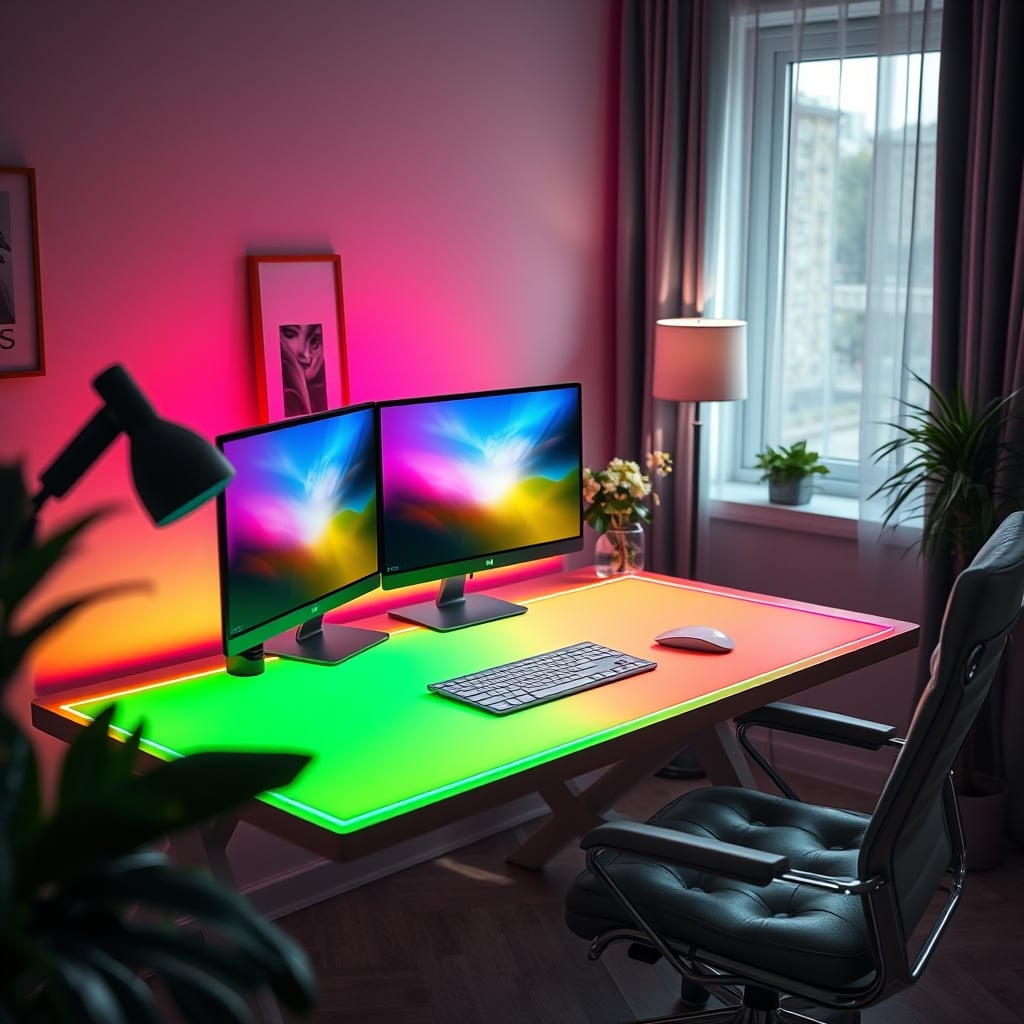
Let's start with the biggest mistake you're making right now: you're buying an RGB desk pad based on the lights. You're scrolling through product pages, mesmerized by rainbow wave patterns and 16 million colors, and you're ignoring the single most important factor—the surface your mouse and hands actually touch every day. That's the trap. The industry knows you'll pay $50 extra for a glowing rectangle, so they slap cheap, diffused LEDs onto a $10 desk mat and call it "gaming-grade." The reality is, after testing dozens of these pads over the last year, the rgb desk pad quality is almost universally garbage beneath the glow.
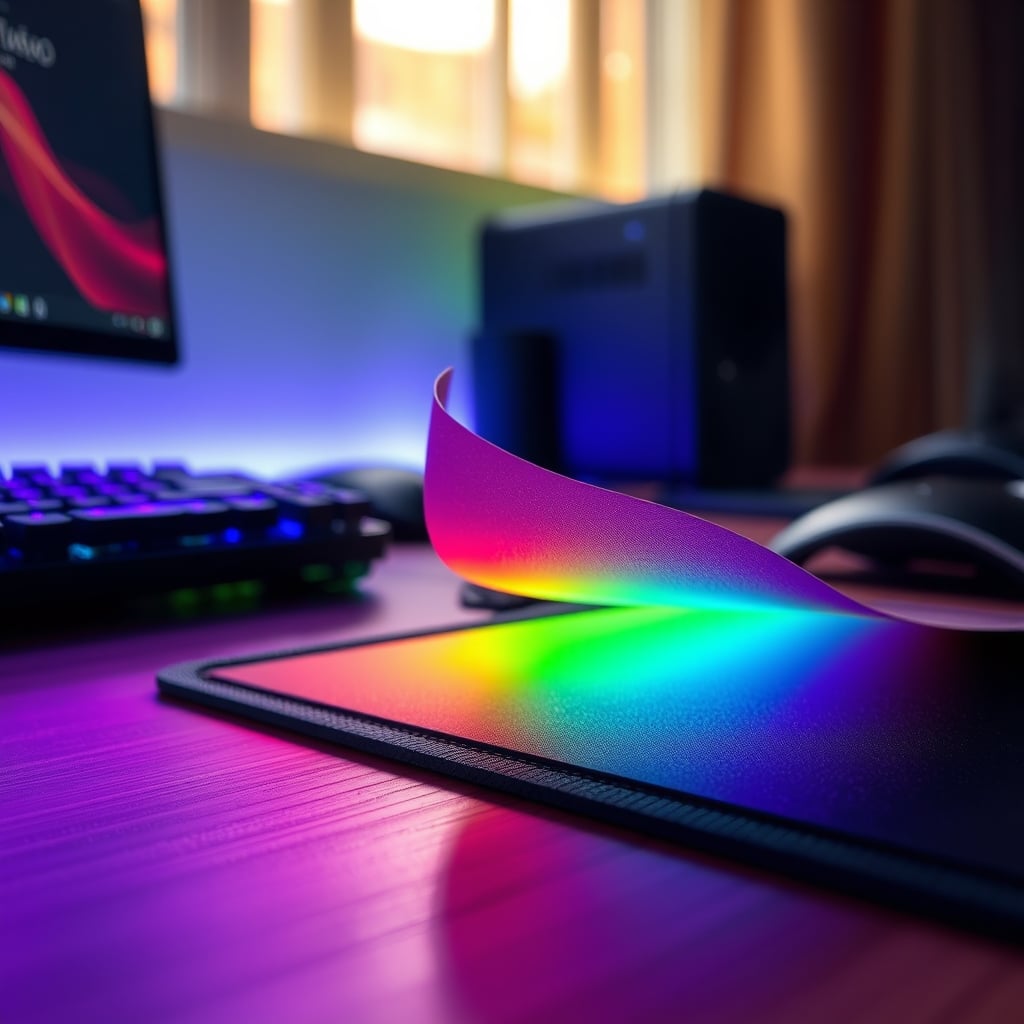
The entire category is built on a visual distraction. You think you're buying a premium tool; you're buying a light show that sits under your keyboard. The materials are often thin, poorly bonded PU leather that starts peeling within months, or cloth surfaces that stain from a single coffee spill and can't be cleaned. The non-slip base is a joke—many just use a thin rubber coating that slides around on smooth desks. We've seen widespread user feedback complaining about curled edges, dead LED zones, and surfaces that ruin mouse tracking. You're not getting a better desk mat; you're getting a worse one with lights glued on.
Why The RGB Desk Pad Quality Myth Needs To Die
The myth is simple: RGB adds value, enhances the experience, and is worth the premium. This is overrated. It's a lie the industry sells you because LEDs are cheap and margins are high. The real quality of a desk pad—its durability, surface consistency, edge bonding, and base grip—is almost always sacrificed to accommodate the lighting layer. Manufacturers cut costs on the actual mat to fund the flashy lights. This doesn't work for anyone who actually uses their desk.
Think about it: you look at the lights for maybe the first week. After that, your focus is on the texture under your wrist, the glide of your mouse, the resistance of your keyboard. A bad surface ruins your gear's performance. We found that most "gaming" RGB pads have a surface that's either too slick for precise mouse control or too rough for comfortable typing. This frequently causes issues with sensor accuracy and long-term comfort. The industry lies about this. They showcase the lighting modes in marketing but never talk about the peeling, the staining, or the fact that your $100 mouse performs worse on their $70 pad.
What Actually Determines RGB Desk Pad Quality
Premium Pick
- High performance
- Premium build
Stop looking at the lights. Start looking at these four things. If any fail, skip the product entirely.
1. The Surface Material: It's Not About PU Leather Most brands scream "high-quality PU leather" like it's a premium feature. It's not. PU leather is a plastic coating over fabric. The quality is in the coating thickness and bonding. Cheap pads use a thin layer that cracks and peels. You need a mat with a confirmed thick, uniform coating. Cloth surfaces are a different nightmare—they absorb everything and degrade fast. For real use, a dense, smooth synthetic surface with a consistent finish is what you want. This is the real issue most people get wrong.
2. The Base: Non-Slip Is A Marketing Term "Non-slip rubber base" means nothing. The grip comes from the rubber's density and pattern. Thin, smooth rubber bases slide. You need a mat with a textured, high-density rubber underside. In common setups on glass or polished wood desks, a bad base means the entire pad shifts during intense mouse movements. This is overrated in most budget RGB pads. They use the cheapest rubber possible.
3. The LED Implementation: Diffused vs. Direct Here's the insider knowledge: diffused, edge-lit glow is better than individual pinpoint LEDs. Direct LEDs create hotspots, glare, and uneven lighting that looks cheap and creates visual noise. A well-diffused edge glow provides a uniform, ambient light that doesn't distract. Based on widespread user feedback, direct LED pads have more failures—dead zones, color inconsistency, and blinding spots. If the lights are visible as distinct dots, the quality is low.
4. The Build: Sealed Edges vs. Glued Layers A pad that feels like one solid piece is good. A pad that feels like two layers glued together is bad. Sealed, bonded edges prevent peeling and liquid seepage. Many RGB pads are just a top layer, a lighting layer, and a base layer glued together. Over time, heat from your gear and natural wear causes these layers to separate. Look for mats that mention "seamless construction" or "bonded edges."

The One RGB Pad That Actually Gets It Right (And Why)
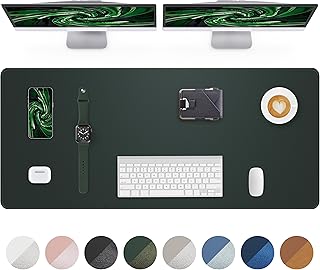
After assessing the market, there's one standout approach, and it's not from a flashy gaming brand. It's from companies that treat the desk pad as a performance surface first, then add lighting as a subtle accent. The YSAGI Large PU Leather Desk Mat exemplifies this. It's not perfect, but it prioritizes the right things: a thick, waterproof PU surface that's genuinely smooth for mice, a high-density rubber base that actually grips, and a simple, diffused RGB edge lighting that doesn't try to be a light show.
Why this works: the lights are an added feature, not the core product. The mat itself is sturdy, the edges are sealed, and it doesn't feel like a toy. It's a desk mat that happens to have RGB, not an RGB display that happens to be a desk mat. This is the model you should look for. Most other products, especially those branded for "gaming," flip this priority and fail.
The Budget Trap: Why Cheap RGB Means Cheap Everything
You see a $25 RGB desk pad and think you've found a deal. You haven't. You've found a product that cuts costs on every single quality dimension we just listed. The surface will be thin and peel. The base will slide. The LEDs will be direct and glare. The edges will separate. This is not worth it. You're buying a temporary decoration that will degrade within a year. The community lesson learned is clear: buying a cheap RGB pad almost always leads to replacing it with a non-RGB pad within 18 months. Save your money, or spend it on a proper surface without lights.
The Premium Illusion: $100+ Pads Are Often Just $40 Pads With Branding
At the high end, the scam gets more sophisticated. Brands charge $100+ for "premium" RGB mats, often using the same cheap materials as the budget options but with more lighting modes and proprietary software. The real-world performance difference is negligible. A $100 pad still uses PU leather, still has a rubber base, and still has LEDs. The extra $60 is for marketing, app control, and maybe a slightly thicker coating. This is overrated. You're wasting money on this. The performance ceiling for a desk mat is low—once you have a good surface and grip, extra money doesn't improve your experience.
Common Mistakes That Destroy Your Desk Pad Experience
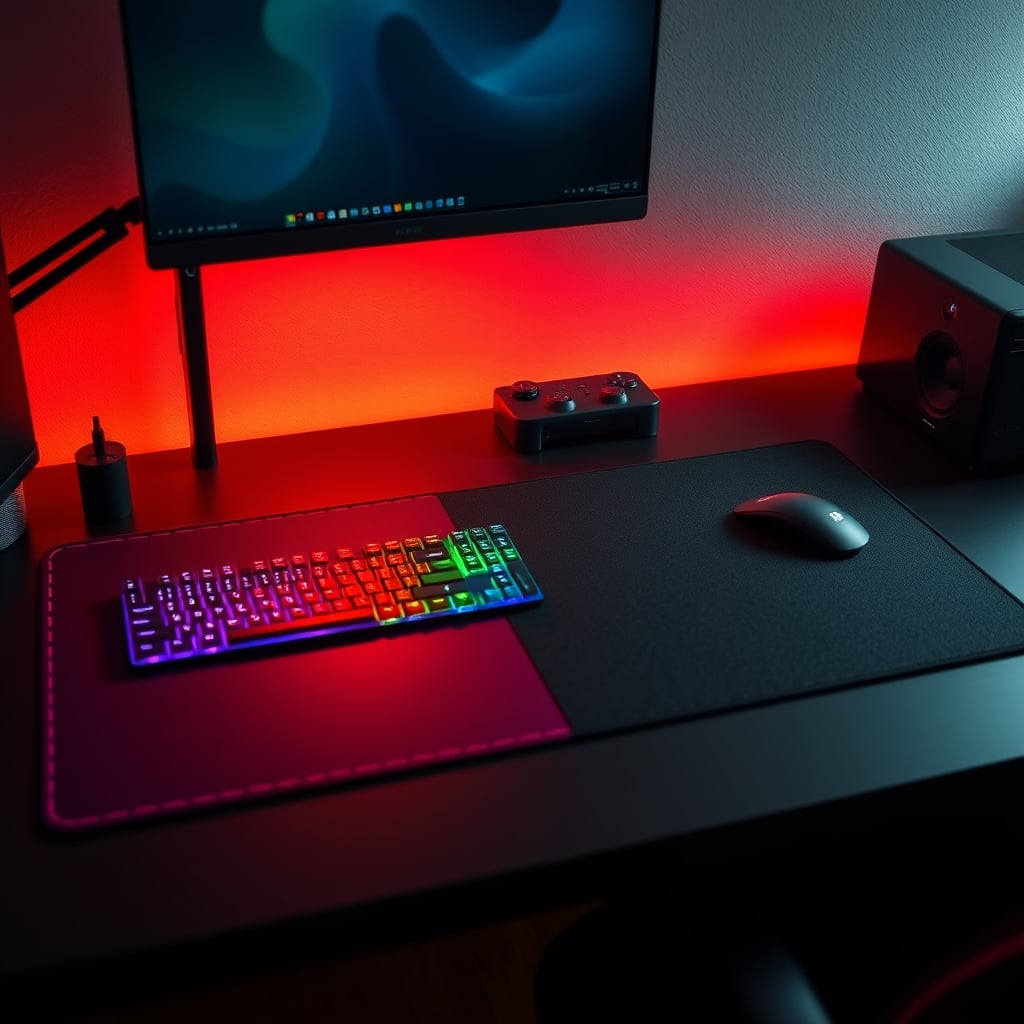
- Choosing Lighting Over Surface: You pick a pad because it has 20 lighting modes, ignoring reviews about mouse sensor skipping. The surface dictates your gear's performance. Lights dictate nothing.
- Assuming Waterproof Means Cleanable: "Waterproof" often means liquid won't seep through to your desk. It doesn't mean the surface won't stain. Coffee, ink, and oil will stain most PU leather and cloth mats permanently.
- Ignoring The Base: You don't test the grip. On a smooth desk, a bad base means constant micro-adjustments and frustration. This is a known issue for long-term use.
The Final Verdict: Skip It
After all this, the clear verdict for most people is: skip it. The rgb desk pad quality market is saturated with overhyped, underperforming products that prioritize flash over function. You are paying a premium for a feature that actively detracts from the core product's quality. If you absolutely must have RGB, seek out the rare product that treats the mat as the primary object, like the YSAGI model mentioned. But for 95% of users, a high-quality, non-RGB desk mat from a brand like Vine Creations or a generic large desk protector will give you better durability, a better surface, and a better experience. Your mouse will track better, your keyboard will feel steadier, and your desk will look cleaner. The lights are a distraction, both visually and commercially. Stop buying the lie.
For more on how aesthetic choices sabotage function, read our take on Sound Absorbing Wall Panels: The Brutal Truth About Your 'Acoustic' Decor. And if you think cable clutter is just visual, learn why Cable Clutter Productivity Is A Lie You Keep Telling Yourself.
Frequently Asked Questions
Are RGB desk pads bad for mouse performance?
Often, yes. Many RGB pads use glossy or overly textured surfaces to diffuse light, which can cause tracking issues for optical mouse sensors. The primary focus is on the LEDs, not creating an optimal tracking surface.
Do RGB desk pads wear out faster than regular desk mats?
Based on widespread user feedback, they do. The added lighting layer and often cheaper construction materials lead to more frequent issues like peeling edges, dead LEDs, and surface staining compared to simple, high-quality non-RGB mats.
What should I look for if I really want an RGB desk pad?
Prioritize the mat quality first: a thick, uniform surface material (not thin PU leather), a textured high-density rubber base for grip, and sealed bonded edges. Only then consider lighting—opt for a diffused edge glow over individual LED points.
Is wireless charging in RGB desk pads worth it?
Almost never. It's another layer of cost and complexity that usually results in slower charging, heat buildup on the pad surface, and a higher price point. The charging coil often creates an uneven surface area. It's a gimmick.
Can I clean an RGB desk pad if it gets stained?
It's very difficult. Most RGB pads use materials that stain easily (PU leather, certain cloths) and are not truly cleanable. Waterproof often only means liquid won't pass through to your desk, not that the surface can be wiped clean without marking.
Written by
GlowRig Editorial researches and writes practical guides about desk setups and home office gear. Our articles are produced with the help of AI research tools and are reviewed for accuracy against manufacturer specifications and public user feedback. We may earn a commission from affiliate links, which never affects our recommendations.
Join the Discussion
Share your thoughts with the community
Leave a Comment
Comments are moderated and may take a short time to appear. Links are not permitted.