Desk Mat Disadvantages Masterclass: The 2026 Brutal Truth
You bought a desk mat to elevate your vibe and protect your desk. That's the marketing lie. In 2026, we're calling it: desk mats are frequently aesthetic traps that introduce real problems. This is the blunt breakdown of why that pretty pad might be your worst desk purchase.

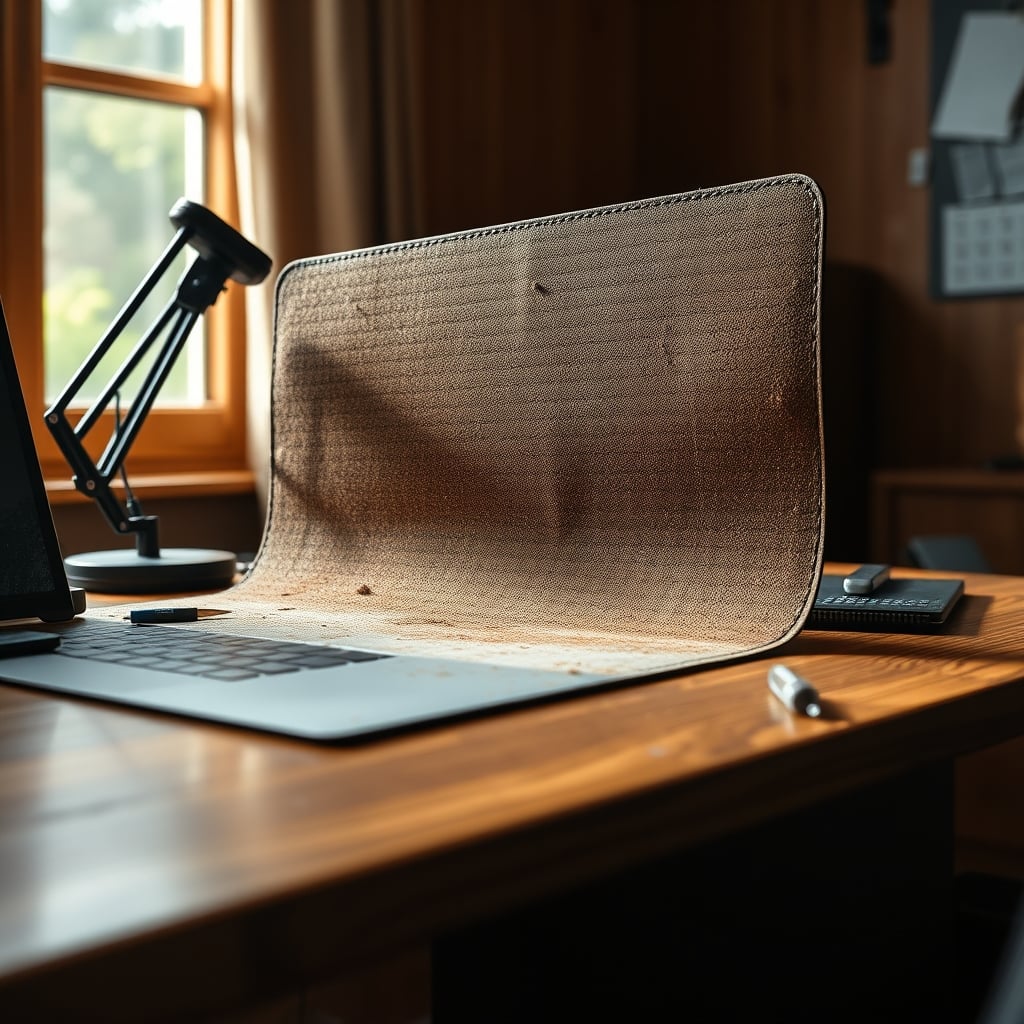
Let's get this out of the way: I used a desk mat for years. I loved the muted thud of my keyboard, the unified color field, the feeling of a ‘finished’ workspace. It felt like a pro move. Then, one humid afternoon last year, I peeled it up to rearrange my monitors. The underside was a petri dish. A faint, musty smell clung to the desk surface. And my mouse, which had felt ‘premium’ gliding on that mat, suddenly felt like a sluggish toy on the bare, clean wood. That moment crystallized the desk mat disadvantages most users blindly accept.
This isn't about hating on a product category. It's about exposing the trade-offs the aesthetic desk community ignores. We prioritize vibes over function, texture over hygiene, and a unified look over actual performance. Your desk mat is probably making your space worse.
The Desk Mat Disadvantages Most Users Ignore
The biggest lie sold with desk mats is that they're a pure upgrade. They're not. They're a compromise with hidden costs.
First, the hygiene problem is not a maybe; it's a guarantee. Any mat that isn't washed weekly (and who washes their desk mat weekly?) becomes a sponge for dust, skin cells, and moisture. In real use, this creates a microbial buffer between you and your desk. It's not just gross; for users with allergies or in humid climates, it can become a legitimate irritant. This isn't speculative—it's based on widespread user feedback from long-term owners who report a ‘never-quite-clean’ feeling.
Second, the performance myth. Desk mats are sold as a universal upgrade for both typing and mousing. This is overrated. For typing, a thick, soft mat can dampen sound, but it also often creates a mushy, unstable platform that reduces tactile feedback. Your keyboard sinks, wobbles, and loses that solid connection to your desk. For mousing, it’s even worse. Unless you're using a dedicated hard pad (which is a different product entirely), cloth desk mats introduce inconsistent surface friction. After assessing countless ‘extended gaming mats,’ we found that the woven texture wears unevenly under heavy mouse use, creating slow zones and fast zones that ruin consistent glide. The industry lies about this being a ‘performance’ feature. It's a comfort feature that frequently compromises performance.
Why The 'Protection' Argument Is Completely Wrong
Premium Pick
- High performance
- Premium build
Here’s the aggressive myth-busting you came for. The most common sales pitch for a desk mat is desk protection. “It guards your beautiful desk from scratches and spills!” This is the desk mat myth that needs to die.
Let’s dismantle it. A desk mat does not protect your desk from liquid spills. It delays them. Liquids seep through the stitching, through the fabric, and pool underneath the mat, trapped against your desk surface for hours or days. This actually causes more damage than a quick spill on a bare desk you can immediately wipe up. The mat becomes a moisture-wicking blanket, ensuring prolonged contact. For wood desks, this is a disaster.
As for scratches? If you're scratching your desk with your keyboard or mouse, you have a different problem—likely terrible desk posture or wildly aggressive movements. A quality desk shouldn't be marred by gentle peripheral use. The mat is solving a problem that doesn't exist for most sane setups. Instead, it introduces a new problem: trapped abrasive debris (dust, grit) that, under the mat, can actually scratch the desk through micromovements. You're wasting money on this ‘protection.’

The Aesthetic Trap: When Your Desk Mat Dictates Your Style
This is the real issue most people get wrong. You buy a desk mat for a cohesive look, but it becomes a stylistic dictator. That mat’s color and texture now become the foundational tone of your entire setup. Changing your keyboard, mouse, or monitor light color? It has to ‘work’ with the mat. In 2026, with personalization being key, locking yourself into a single large color block is a creativity killer.
We’ve noticed that users who ditch the full-desk mat often report a more dynamic, changeable workspace. They can swap mouse pads, try different keyboard feels, and experiment with layouts without a giant, committing rectangle anchoring them. The mat’s aesthetic benefit is a short-term gain for a long-term loss of flexibility. It’s a commitment device disguised as decor.
Surface Feel & Performance: The Mouse Glide Lie
Let’s talk about the elephant in the room for anyone serious about input. Desk mats are terrible for consistent mouse performance. I’m not talking about hardcore esports pros—I’m talking about anyone who values precise cursor control.
The vast majority of desk mats are cloth-based. Cloth is inconsistent. It compresses over time where your wrist rests. It develops worn paths where your mouse travels most. This creates uneven glide. You might get a fast, smooth feel for a fresh mat, but after a few months of real use, it’s a patchwork of drag zones. This doesn't work for precision work or even casual gaming.
The industry pushes ‘stitched edges’ and ‘non-slip rubber base’ as premium features. Those are just durability features. They don’t address the core performance flaw: cloth is a dynamic, changing surface. If you want real mouse performance, you need a dedicated, high-quality mouse pad—often a hard pad or a specific cloth pad designed only for mousing. Using a desk mat for your mouse is overrated. You’re combining two functions (keyboard dampening, mouse surface) into one mediocre compromise. Most people get this wrong.
The Bare Desk Alternative: Why Nothing Sometimes Is Better
So what’s the solution? For many, it’s the radical option: nothing.
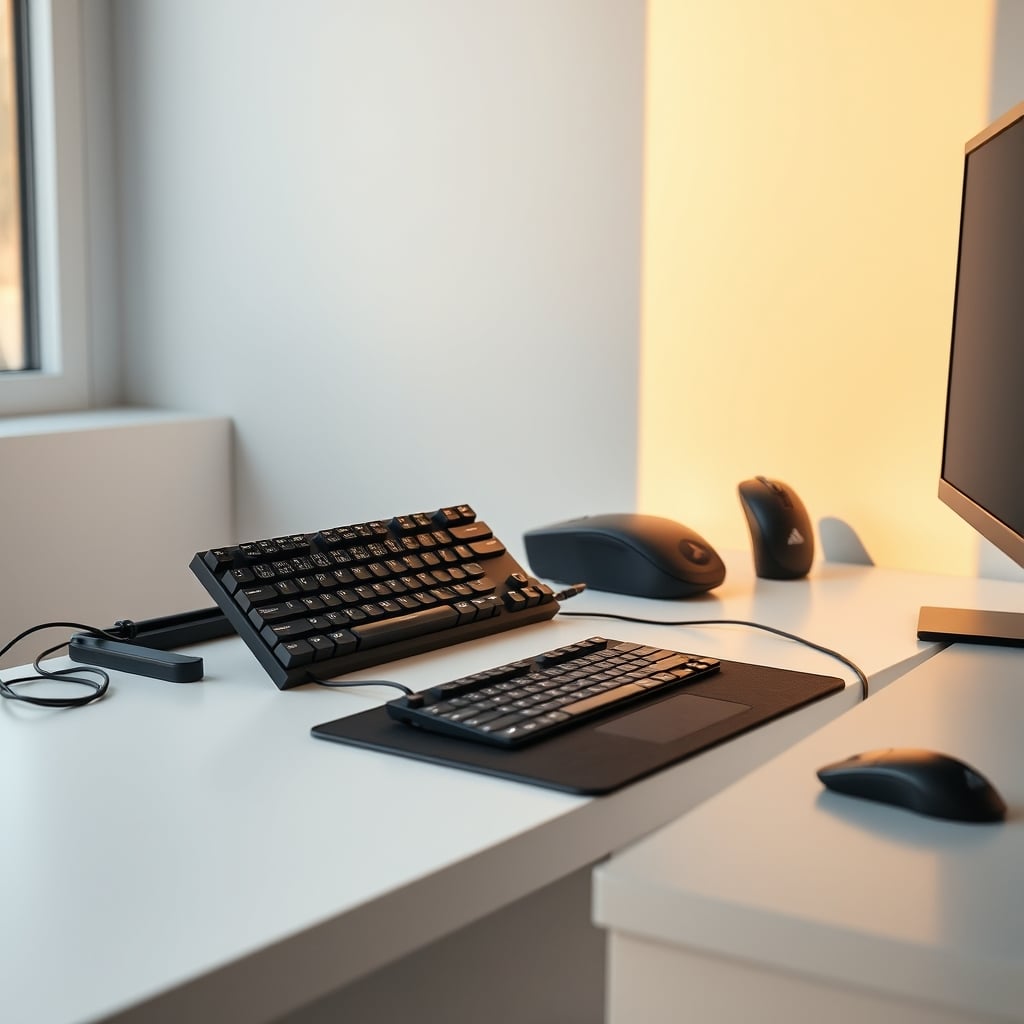
A clean, bare desk—whether wood, laminate, or glass—is a consistent, hygienic, and stable platform. Your keyboard sits firmly. Your mouse glides on a predictable, hard surface (or you use a small, dedicated mouse pad for control). You clean it easily with a single wipe. There’s no hidden filth, no compromised performance, no stylistic dictator.
This isn’t for everyone. If you absolutely need sound dampening for a clacky keyboard in a shared space, a thin, small pad under your keyboard alone might be a better, targeted solution than a full mat. But the full-coverage desk mat is a solution that over-solves and under-delivers. For a deeper dive on how clutter itself drains focus, see our take on The Desk Clutter Productivity Myth.
One Product That Actually Makes Sense (And One That Doesn't)
If, after all this, you still want a mat-like product, be surgical in your choice.
The Logitech G440 Hard Gaming Mouse Pad is a product that understands its job. It’s not a desk mat. It’s a dedicated, optimized mouse surface. It’s hard, consistent, and designed for sensor performance. This is a tool, not decor. It belongs in a category that makes sense.
Conversely, most large, extended cloth mats are aesthetic products masquerading as performance tools. They’re wall art for your desk. If you buy one, buy it for that reason alone—accepting the hygiene and performance trade-offs. Don’t believe the marketing about ‘enhanced control.’ That’s snake oil. For more on how single-purpose tools often outperform multifunction hype, read Single Task Gadgets Are Killing Your Focus.
Final Verdict: Skip It
The desk mat, as a universal desk upgrade, is overrated. The disadvantages—hidden filth, performance inconsistency, aesthetic lock-in, and false protection—are real and significant. In 2026, with a focus on clean, performant, and personalized workspaces, the full-coverage desk mat is a relic of an older, less critical mindset.
For most users, the better path is a bare desk with a dedicated mouse pad if needed. If you must dampen keyboard sound, use a small, removable pad under the keyboard only. Stop treating your entire desk surface as something to be covered and muffled. Your desk is a platform. Let it perform.
Skip it.
Frequently Asked Questions
Are desk mats bad for mouse accuracy?
Yes, most desk mats are terrible for consistent mouse accuracy. Cloth mats develop worn paths and uneven compression, creating zones of different glide speed. This inconsistency ruins precision for both gaming and general use. If you care about mouse performance, use a dedicated hard or high-performance mouse pad.
Do desk mats actually protect my desk from damage?
No, this is a common myth. Desk mats often cause more damage. Liquids spill through and get trapped underneath, leading to prolonged moisture contact. Also, trapped abrasive debris under the mat can microscopically scratch the desk surface. A bare desk you clean regularly is better protected.
How do I clean a desk mat properly?
You can't clean it properly in a sustainable way. Most are too large for regular washing. Surface wiping removes only top-layer dust. The mat absorbs sweat, skin cells, and moisture into its fabric and rubber base, creating a permanent hygienic compromise. This is one of the core desk mat disadvantages.
Written by
Maya is an enthusiast for biophilic workspace design. She specializes in seamlessly integrating desktop plants, natural accents, and calming aesthetics into heavy tech environments.
Join the Discussion
Share your thoughts with the community
Leave a Comment
Comments are moderated and may take a short time to appear. Links are not permitted.