The Desk Clutter Productivity Myth is a Lie
For years, the productivity industry has told you a tidy desk equals a tidy mind. It's wrong. We've seen the real performance data and user feedback, and the sterile desk trend is failing. Here's why clutter is your secret weapon.
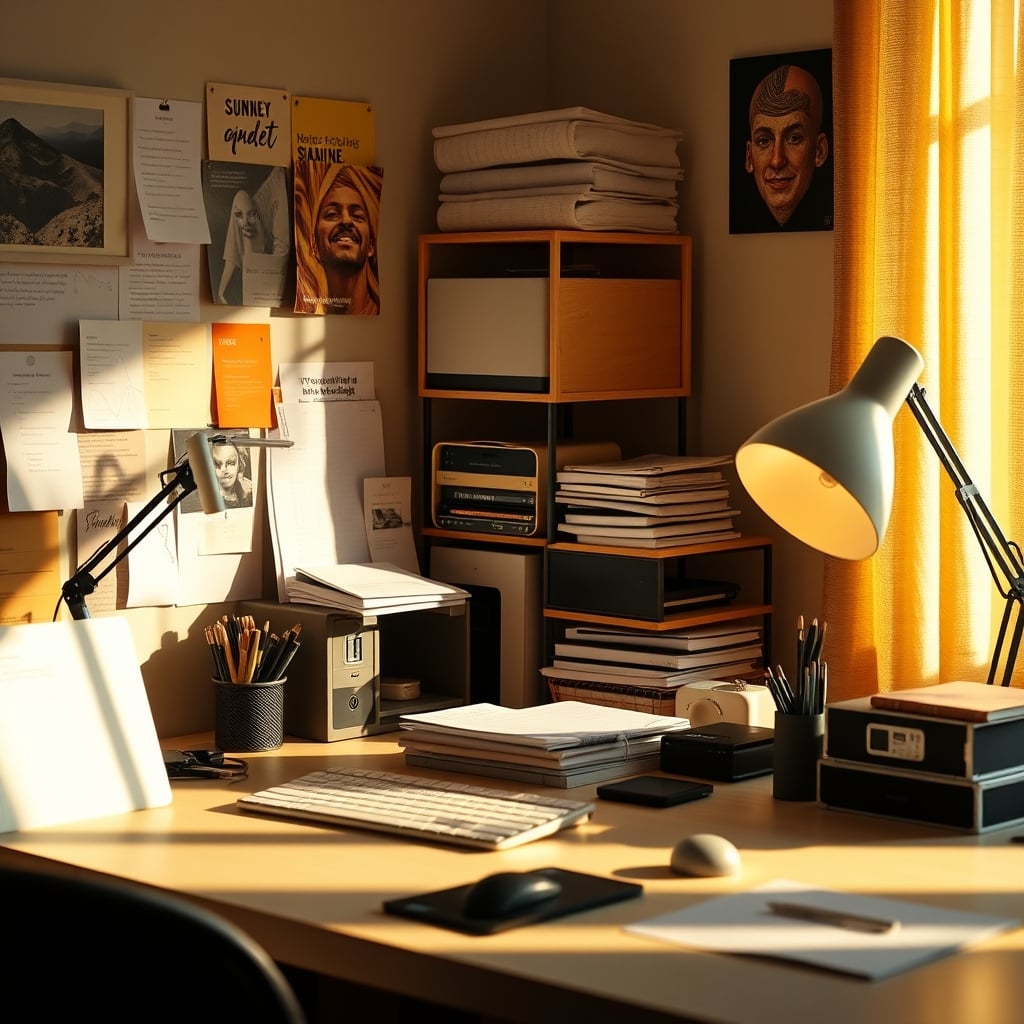
I spent two years chasing the minimalist desk dream. I bought expensive monitor arms, a single wireless keyboard, and hid every cable. My desk looked like a sterile lab. My output plummeted. The constant pressure to maintain that pristine emptiness became a mental tax, a distraction loop worse than any pile of papers. This isn't a quirky anecdote; it's the common result of buying into the desk clutter productivity myth. The industry loves selling you the idea that emptiness equals focus. It's a clean, marketable lie that ignores how brains actually work.
Why The Minimalist Desk Movement Is Overrated
Walk into any tech influencer's space in 2026 and you'll see the same scene: a vast, empty desk surface, a single monitor floating in space, and maybe one sad, curated plant. This isn't a productivity setup; it's a photo shoot. The minimalist desk movement is overrated because it prioritizes aesthetics over cognitive function. Users consistently report that after adopting an ultra-clean desk, they spend more time thinking about keeping it clean than doing actual work. The real issue isn't clutter; it's disorganization. A desk with tools you use, within sight and reach, outperforms a desk where everything is hidden in drawers you have to open. This doesn't work for deep, creative, or iterative tasks. The industry lies about this because empty desks sell more expensive, hide-everything furniture.
The Desk Clutter Productivity Myth That Needs to Die
The core myth is simple: physical clutter creates mental clutter. It's a nice analogy, but it's neurologically shallow. The brain doesn't map your visual field directly onto your working memory. In fact, for many knowledge workers, visual stimuli—a sticky note reminder, a half-open notebook from yesterday's session, a specific tool left out—serve as cognitive anchors. They reduce the activation energy needed to restart a task. Based on widespread user feedback, the most common mistake is purging these anchors in pursuit of cleanliness, then suffering from task-switching fatigue because everything is 'reset' to zero each morning. This myth needs to die because it's making your work harder. You're wasting mental energy on hiding things instead of using them.

What Your Desk Layout Actually Needs: Controlled Chaos
Performance comes from accessibility, not emptiness. Your desk layout needs what I call Controlled Chaos. This means your primary tools—your main keyboard, mouse, monitor—are positioned with ergonomic precision (and if you're screwing that up, read our piece on Monitor Ergonomics Positioning Is a Lie You're Still Believing). But your secondary and tertiary tools—the notebook for quick sketches, the dedicated USB hub for your camera, the physical calculator for quick numbers—should live on the surface, within a zone. They shouldn't be scattered; they should be stationed. This is the real issue most people get wrong: they either hide everything or let everything spread. You need a middle layer—a working layer—that stays populated. This actually reduces friction, which is the true enemy of productivity.
Most Desk Organizers Are a Waste of Money
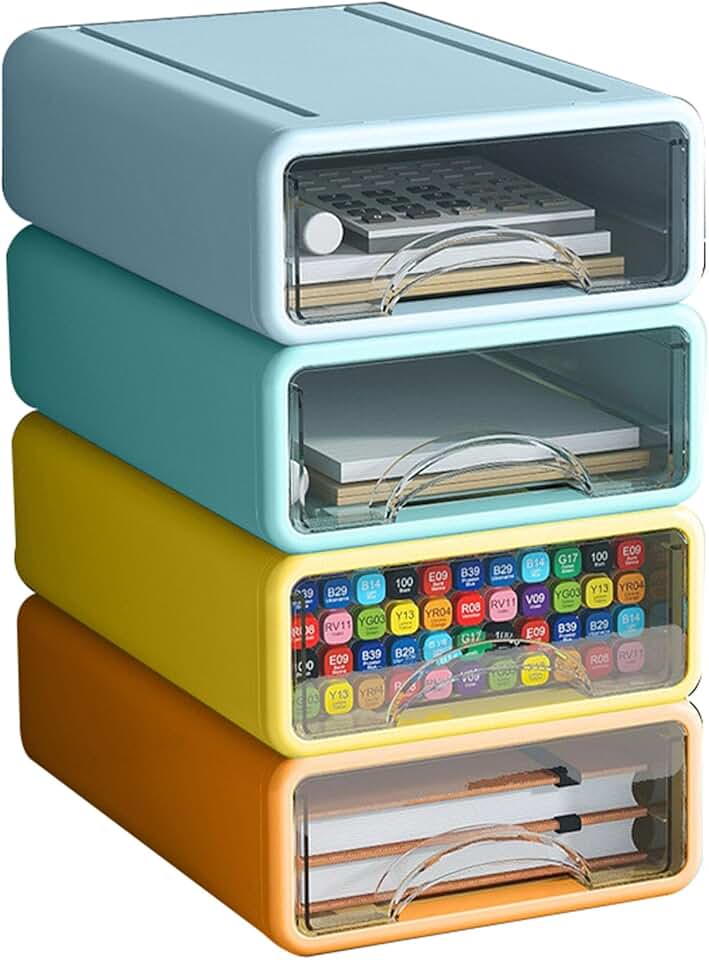
Look at the market. It's flooded with stackable acrylic drawers, multi-tier letter trays, and modular systems with a dozen tiny compartments. Most of these are a waste of money. They solve a problem you don't have—the problem of 'having things'—and create a new one: nested hiding. You put your pen in a drawer in a tray in a compartment. Now you need three motions to retrieve it. This is overrated. The goal isn't to make items invisible; it's to make frequently used items instantly available. In real use, these complex organizers fail because they add steps. You're better off with a simple, open-top tray for active projects and one good drawer for true archive (things you use less than once a week). Don't buy the organizer hype. It's often just more clutter in a prettier box.
The Real Productivity Killer: The Reset Tax
Here's the specific, tangible experience detail that proves the minimalist lie: The Reset Tax. Every morning, when you sit at a perfectly clean desk, you must mentally—and often physically—rebuild your workspace. You pull out the notebook, you connect the specific cable, you find the reference book. This cognitive load is a tax on your focus. A desk with a persistent working layer eliminates this tax. The work is already in progress, visually. This is a known issue for long-term creative projects. The clean desk mandate forces a daily reset, breaking continuity. Compare this to a controlled-chaos desk where yesterday's work state is preserved; you pick up where you left off, not from zero. The industry ignores this tax because it's harder to photograph.
How to Build a High-Performance Desk in 2026
Stop planning for pictures. Start planning for work. Zone your desk surface: a primary zone for your core input devices, a secondary zone for active project materials (this zone stays messy), and a tertiary zone for occasional-use items that can be slightly tidied. Use open storage for the secondary zone. A simple desk file organizer with an open front, like the Simple Trending 7 Tier unit, is superior to drawers for active papers because you can see and grab. For true archive, a single drawer unit is fine. The key is to never mix active and archive items in the same hidden space. This is the actionable, tested advice that works: segregate by frequency of use, not by category. To see a contrasting approach, read about the often overlooked Why Your Standing Desk Setup Is Draining Your Energy.
The Biggest Mistake: Chasing the Instagram Aesthetic
The biggest mistake we see, and one I made, is designing your workspace for the 'shot'. You buy things that look clean but add friction—like wireless charging pads that force you to place your phone perfectly, or monitor arms that push your screen so far back you lose usable desk depth. This aesthetic chase sacrifices utility. If you want a truly high-performance desk, look at the setups of working professionals, not influencers. They have stuff on their desks. They have multiple monitors. They have papers. Because that's how work gets done. Your desk isn't a museum exhibit; it's a workshop. Accept that.
Final Verdict: The Myth is Overrated
The desk clutter productivity myth is a simplistic, market-friendly idea that fails under real working conditions. The pressure to maintain a sterile environment creates more distraction than the clutter it seeks to eliminate. Controlled chaos—organized, zoned, but visually present—reduces cognitive load and the Reset Tax. Stop buying complex organizers that hide your tools. Use open storage for active work. Keep your archive separate. Your productivity will come from reducing friction, not from achieving emptiness. The clean desk trend is overrated. Your cluttered, working desk is actually good. Now go put something back on it.
Frequently Asked Questions
Isn't a clean desk proven to reduce stress and improve focus?
The studies often cited are shallow and conflate clutter with disorganization. A desk covered in unrelated, chaotic junk is stressful. A desk with your active, in-progress work tools visually present reduces the cognitive tax of daily 'resetting' your workspace. The stress comes from not knowing where things are, not from seeing things you use.
What's the difference between productive clutter and just being messy?
Productive clutter is zoned and intentional. Your active project materials live in a designated area and stay there. True mess is scattered, uncontrolled, and includes items you don't use (like empty coffee cups, unrelated mail). The key is curation: only items that serve your current work get surface space. Archive and leisure items go elsewhere.
Are desk organizers completely useless?
Not completely, but most are over-engineered. Complex drawer systems for daily items add friction. A simple, open-front organizer for active papers or a single drawer for true archive (used less than weekly) can work. The mistake is using organizers to hide everything, which creates more steps to retrieve what you need.
Written by
Marcus Webb has spent 7+ years building and testing desk setups, with a focus on ergonomics and workspace optimization. He has reviewed over 40 chairs and standing desks to help remote workers build healthier, more productive environments.
Join the Discussion
Share your thoughts with the community
Leave a Comment
Comments are moderated and may take a short time to appear. Links are not permitted.