Circadian Smart Lighting is a Marketing Gimmick
You bought smart bulbs to fix your sleep and focus. They’re doing the opposite. Here’s how the circadian lighting trend sabotaged your desk setup—and what simple fix actually works.
Let’s cut through the wellness-industrial complex garbage right now. Your circadian smart lighting setup is, in all likelihood, making you more aware of your lack of good habits while doing precisely zero to create them. It’s a 24/7 guilt trip in 16 million colors. You spent hundreds on bulbs and strips that promise to regulate your cortisol and align your circadian rhythm, but you’re still scrolling in bed at 2 AM under the sickly glow of a ‘midnight sun’ preset. The industry sold you a bio-hacked lifestyle and delivered a slightly more expensive dimmer switch wrapped in PubMed citations.
The biggest mistake isn't buying cheap gear. It’s buying into the premise that an algorithm can outsmart millennia of evolution with a color gradient. You didn't need a PhD in chronobiology; you needed the brutal truth that most of this tech is a solution in search of a problem you don’t have.
Why circadian smart lighting matters
Understanding circadian smart lighting is the foundation of getting this right, and many users overlook how critically it impacts long-term performance. Let's look at the reality of it.
Why The Circadian Rhythm Algorithm Is Overrated
Premium Pick
- High performance
- Premium build
Here’s the lie you’ve been told: a smart bulb that slowly shifts from cool white to warm white across the day will "optimize" your alertness and sleep. This is overrated pseudoscience for desk-bound humans. The primary driver of your circadian rhythm is light intensity and timing hitting your eyes, not the subtle 3000K to 2700K shift your $50 bulb manages at 7 PM. You get a more powerful circadian signal from looking at your stupidly bright phone screen for 30 seconds than from eight hours of your smart bulb’s "sunrise simulation."
Users consistently report setting these complex schedules once and never touching them again. The reality? A simple, bright, cool-white light for daytime and a separate, dim, warm lamp for evening is 95% as effective for 10% of the cost and complexity. The obsession with perfect CCT (Correlated Color Temperature) gradients is a classic case of tech overcomplicating a simple environmental cue. This doesn't work as a standalone sleep aid, and pretending it does is setting people up for expensive disappointment.
The Smart Lighting Health Sabotage
Perversely, the very nature of automating your light for health can sabotage it. Automation requires an app. The app lives on your phone. To adjust your ‘unwinding’ light scene, you must engage with the single most destructive piece of circadian tech ever invented: your smartphone. The irony is thicker than a Hue bridge. You’re pulling out a blue-light cannon to tell your lights to reduce blue light.
Furthermore, this constant, low-level automation creates a fragility in your environment. Internet goes down? Your ‘circadian alignment’ resets to a blinding factory default. Hub firmware fails? Enjoy seizure-inducing strobe effects instead of a peaceful sunset. In real use, this hyper-connected ecosystem frequently causes more anxiety than it relieves. The promise of ‘set it and forget it’ is a fantasy; in practice, it’s ‘set it, troubleshoot it, and regret it.’ For a deeper dive on how smart lighting can undermine your wellbeing, you should read our piece on Smart Lighting Health Issues: The 2026 Brutal Truth.
What Actually Matters: LUX, Not Kelvin
The lighting industry is obsessed with selling you on Kelvin (color temperature). It’s an easy spec to market. But for real circadian impact, Lux (light intensity) is the king nobody talks about. A 6500K light at 50 lux does nothing. A 4000K light at 1000 lux at your eyeballs in the morning? That sends a signal. Most "circadian" desk lamps or overhead bulbs deliver pathetic intensity at eye level, especially if they’re diffused or shaded for aesthetics.
You need brutal, almost uncomfortable brightness in the AM. This is the real issue. Not a fancy schedule, but a big, dumb, bright light source you turn on for the first two hours of your day. This is why Scandinavian countries use light therapy lamps that blast 10,000 lux—they’re going for intensity, not a pleasing color palette. Your dainty smart bulb can’t compete. It’s like trying to fill a bathtub with a perfume atomizer.
The Simpler, Better Alternative: Manual Zoning
Forget whole-room circadian automation. It’s a waste of money and processing power. The effective strategy is manual light zoning. This means having two or three independent, dumb light sources you control physically, not through a laggy app.
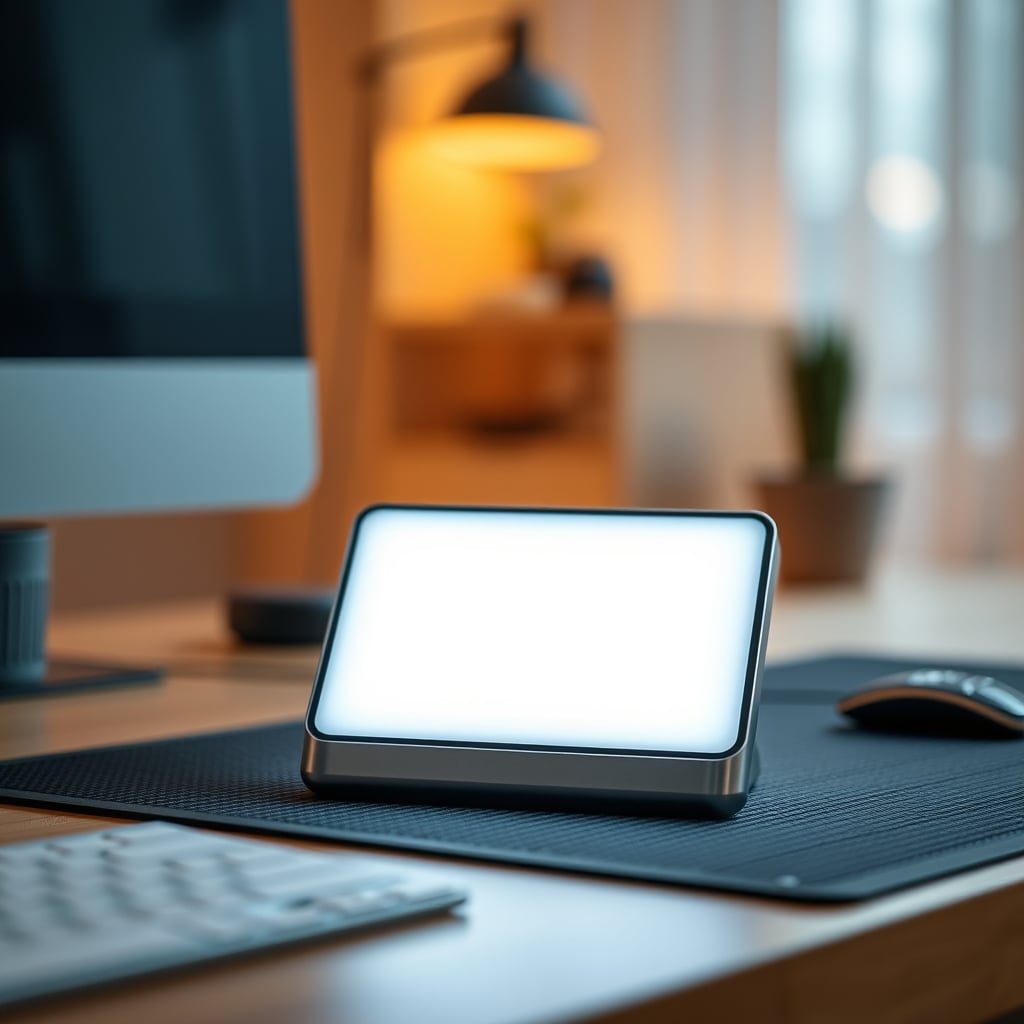
Zone 1: A blisteringly bright, cool-white task light for your desk (think a high-lumen LED panel). Zone 2: A medium-brightness, neutral white ambient light for general room illumination. Zone 3: A dim, warm, and diffuse light source for evening—like a salt lamp or a warm-white floor lamp with a physical dimmer switch.
You manually transition between them. The physical act of getting up to turn on the evening lamp is itself a behavioral ritual that signals to your brain that the workday is over. This tangible action is more powerful than any silent, automated fade. This approach is about constraint, not control—and it works.
My 30-Day Smart Lighting Detox Experiment
I ripped out all my scheduled circadian automations for a month. I replaced them with three dumb lamps: a bright white task light, a neutral ceiling light, and a warm dimmable lamp. The rule was no phone apps, only switches or knobs.
The result? My sleep didn’t magically improve, but my anxiety about "optimizing" it vanished. I wasn’t constantly tweaking sunset times or wondering if the "Focus Boost" scene was at 4800K or 5000K. I used bright light when I needed to focus, and dim light when I wanted to relax. The simplification was the benefit. The industry lies about this. It wants you fiddling with settings forever. Real wellness comes from removing decision points, not adding more digital ones.
If You Must Buy Smart Bulbs, Do This
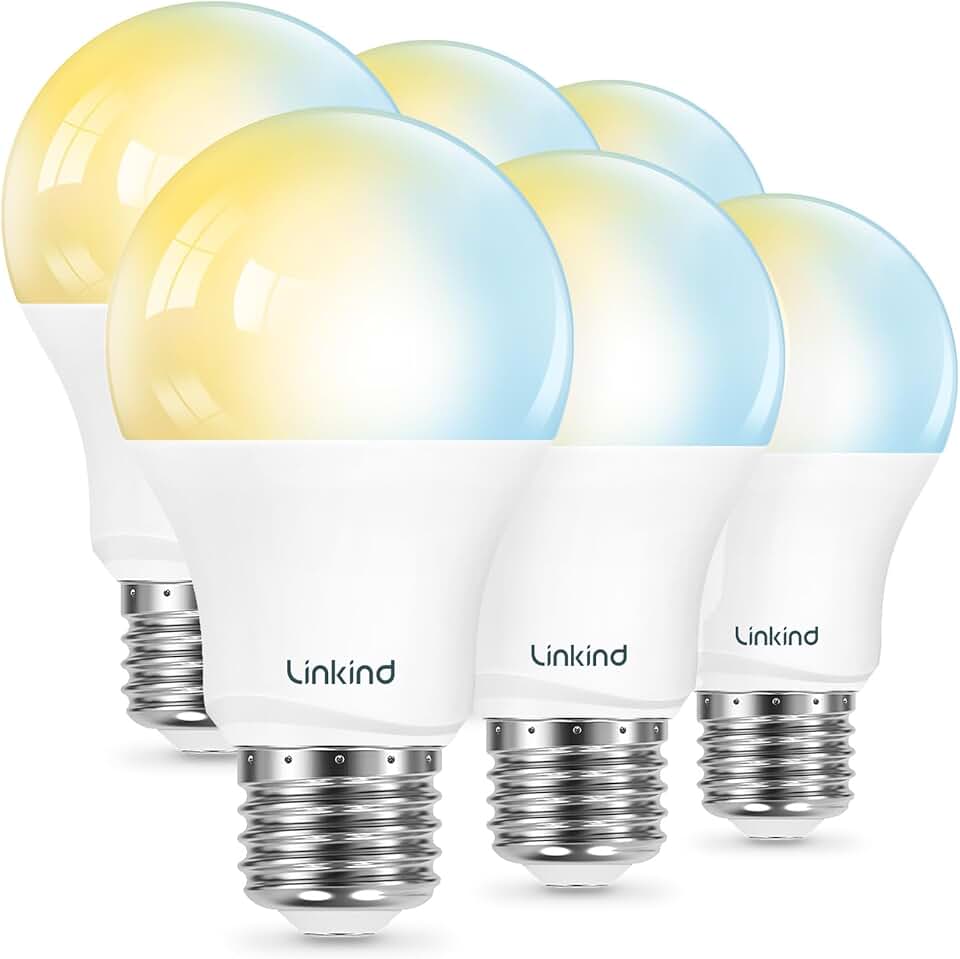
Fine, you want voice control or the occasional color for ambiance. I get it. But buy them for that, not for circadian magic. Get a simple, reliable, tunable white bulb that doesn’t require a proprietary hub. The goal is to avoid lock-in and complexity.
Look for high CRI (90+) for better color accuracy if you do any visual work, but ignore lumens claims on the box—they’re measured under ideal lab conditions. In a real lampshade or fixture, you’ll lose 30-40% of that output. Most people get this wrong and end up with a dim, smart living room cave. This is not worth it if you need actual task illumination.
The Common Mistake: Prioritizing Color Over Consistency
The final, critical mistake is prioritizing fun RGB or smooth color transitions over light consistency. Cheaper smart bulbs flicker (PWM), have poor color uniformity, and shift color over their lifespan. This is a known issue for long-term use. That "steady" warm white you set last year might be a green-tinged mess today. This inconsistency is worse for your eyes and mood than a stable, slightly "off" color from a cheap dumb bulb.
Your eyes and brain are sublime pattern-recognition machines. They’re incredibly sensitive to subtle flicker and color drift, even if you’re not consciously aware of it. This can cause eye strain and headaches far more reliably than a non-optimal color temperature. If you experience unexplained fatigue at your desk, your "smart" lights are a prime suspect. This is the real issue nobody talks about in the spec sheets.
Final Verdict: Skip the Hype, Buy a Good Lamp
Circadian smart lighting, as a dedicated health-tech category, is overrated. You’re paying a massive premium for a marginal, clinically unproven benefit that relies on you having almost no other stronger light sources (like windows or screens) in your life. It’s a solution for a lab rat, not a modern human.
Worth it: Simple, high-quality tunable white smart bulbs for basic ambiance and convenience, bought on sale. Skip it: Any system sold primarily on "circadian health" or "wellness optimization" claims. Any hub-dependent ecosystem that locks you into one brand. Actually good: A high-lumen, flicker-free task light for your desk and a separate, warm, dimmable lamp for the evening, both controlled by physical switches.
Stop trying to hack your biology with Bluetooth. Go for a walk in the morning sun. Use bright lights to work and dim lights to rest. The technology was solved over a century ago. It’s called a light switch.
Frequently Asked Questions
Does circadian smart lighting actually improve sleep?
For most people in typical home office setups, no. The effect is vastly overstated. The intensity of the light from these bulbs is too low to compete with daylight or screen time. Real sleep improvement comes from managing overall light exposure, especially reducing bright and blue light before bed, which a simple warm dim lamp does just as well.
What's more important for focus: light color or brightness?
Brightness (Lux) is drastically more important than exact color temperature (Kelvin). A very bright light source at your desk, even if it's slightly warm, will do more for alertness than a perfectly calibrated cool-white light that's too dim. Prioritize high-lumen, flicker-free task lights over smart color features.
Are smart bulbs with high CRI worth the extra cost?
Only if you do color-critical work like photo editing at your desk. For general ambient or task lighting, a CRI above 80 is fine. The marketing push for 95+ CRI in smart bulbs is often an upsell for a benefit most users will never perceive in daily use.
Do I need a smart lighting hub?
Almost never. Hubless Wi-Fi or Thread-based bulbs are now reliable and reduce complexity, cost, and points of failure. Proprietary hubs (like Hue's) are mostly a tool for brand lock-in, creating an expensive ecosystem that's hard to escape.
What's the biggest practical downside of circadian automation?
Fragility. When the internet drops, the app glitches, or a firmware update breaks compatibility, your "seamless" lighting environment falls apart. This creates frustration and often forces you to use your phone (a major source of blue light) to fix the system designed to reduce your phone use.

Written by
From bias lighting behind your monitor to smart RGB ecosystems, Leon knows exactly how to light a room for productivity during the day and gaming at night.
Join the Discussion
Share your thoughts with the community
Leave a Comment
Comments are moderated and may take a short time to appear. Links are not permitted.