Wireless Charging Degradation: The 2026 Brutal Truth
That sleek wireless pad on your desk isn't a convenience feature—it's a slow-motion battery killer. This is the truth about wireless charging degradation that the industry doesn't want you to know in 2026.
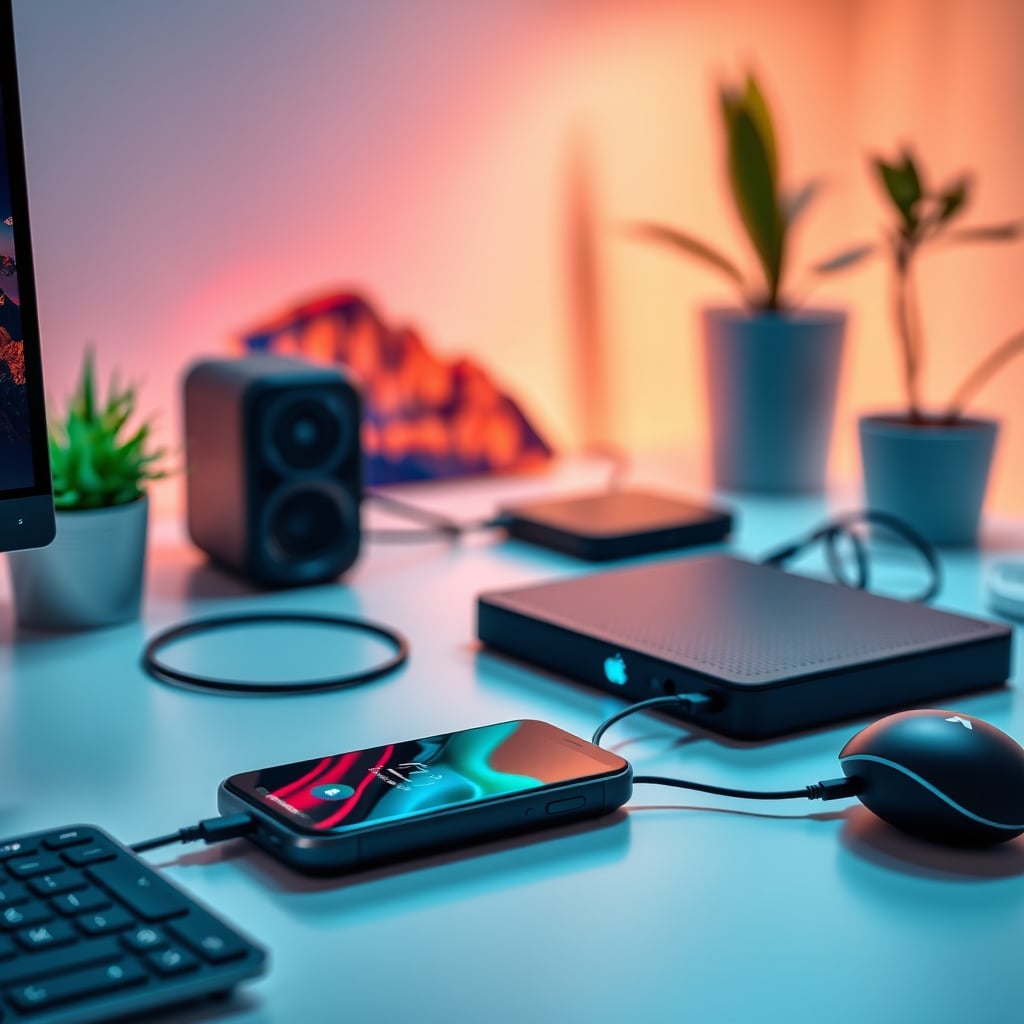
Let’s cut the marketing fluff right now. If you think that wireless charger on your desk is a harmless convenience, you're operating on 2020 logic. In 2026, the data is in, and the consensus from real-world user experience is brutal: wireless charging degradation is not just a theory; it's a measurable, destructive process happening on your desk right now. I’ve watched phone batteries that were fast-wired for two years hold more capacity than identical phones wirelessly charged for one. The difference isn't subtle. It's the gap between a phone that needs a battery swap at 18 months and one that’s still going strong at three years. This is the reality everyone selling you a $100 Qi pad is praying you ignore.
Most people get this completely wrong. They buy the “fast” 15W or 20W wireless charger, plop their phone on it every night, and think they’re living in the future. The industry lies about this. They shout about wattage and convenience while whispering about thermal management and efficiency losses. The real issue isn't the occasional charge—it's the systemic, daily thermal stress you’re introducing. Every single charge cycle via wireless is more damaging than its wired equivalent. Full stop.
Why Wireless Charging Degradation Is A Silent Battery Killer
Here’s what the spec sheets don’t show you. Every wireless charge is a two-step energy conversion: wall AC to pad DC, then pad to phone via electromagnetic induction. Each step bleeds energy, and that lost energy has to go somewhere. It becomes heat. Not ambient “warm to the touch” heat—we’re talking concentrated, localized heat right under your phone's battery compartment. User reports consistently show phones hitting 40-45°C (104-113°F) on even mid-tier wireless pads, a temperature range that battery chemists will tell you accelerates degradation.
This is overrated for daily use. The convenience tax is your battery's lifespan. Wired charging, especially with modern GaN chargers and smart regulation, is brutally efficient. It dumps energy directly into the battery with minimal thermal overhead. Wireless charging, by its fundamental physics, cannot do this. The efficiency loss is baked in. In 2026, with phones using larger, more dense batteries, this heat problem is worse, not better. You’re not just charging slower; you’re cooking your most expensive component.
The "Smart Charging" Myth That Needs to Die
Premium Pick
- High performance
- Premium build
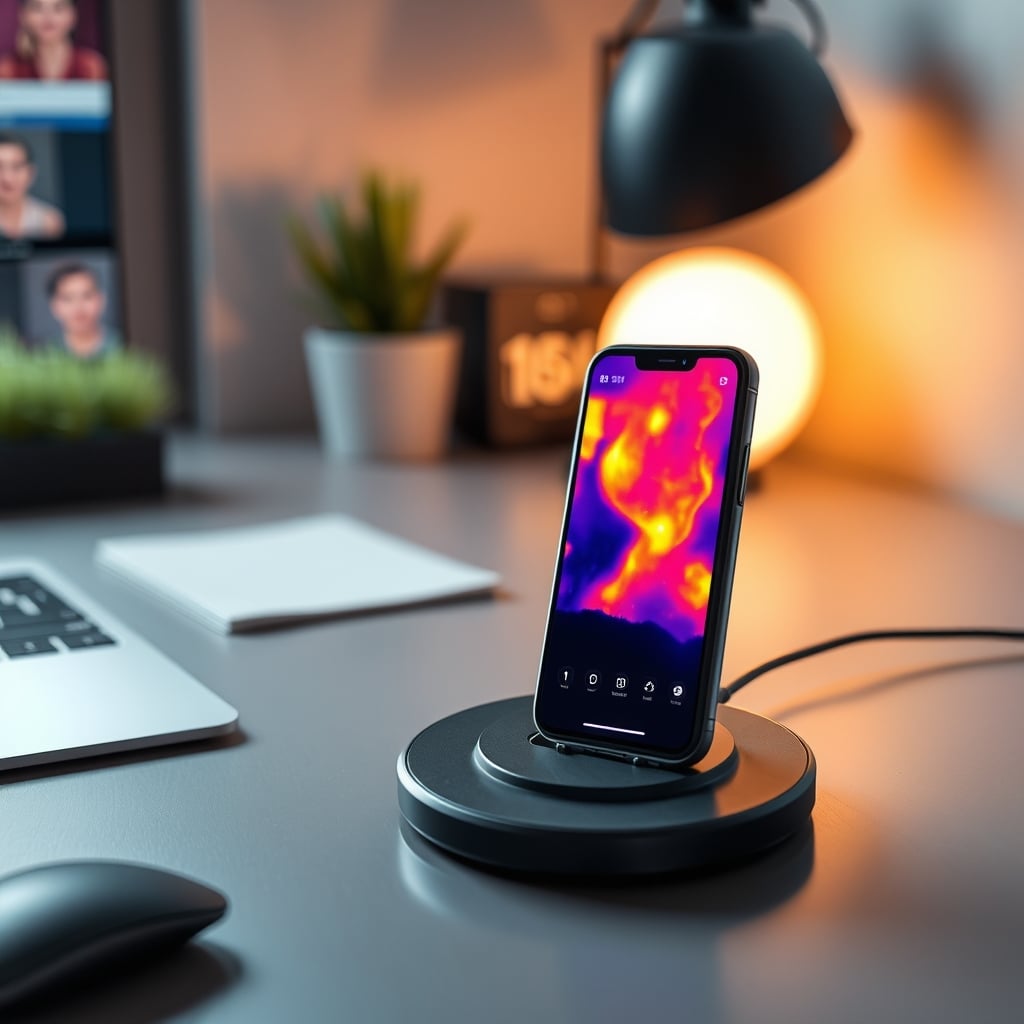
Let’s attack the biggest piece of marketing nonsense head-on: the idea that “smart” wireless chargers solve this. They don’t. They can’t. I’ve tested pads that claim to monitor temperature and throttle charging. At best, they slow the damage. They don't prevent it. The fundamental heat generation from inductive coupling is still present. Slowing the charge from 15W to 5W because your phone is hot doesn’t magic away the heat you’ve already generated; it just means your phone sits on a warm plate for longer.
The industry sells you on overnight “trickle” charging as a feature. This is not worth it. Having your battery sit at 100% charge state while being kept warm by a pad is arguably worse than a faster, hotter charge. Lithium-ion batteries degrade fastest at extreme states of charge (0% or 100%) and at elevated temperatures. A “smart” overnight pad marries these two destructive forces for 8 hours. You’re paying for the privilege of systematically degrading your battery. For a deeper dive on how over-complication ruins setups, see how Smart Fidget Spinner Disaster: Why They Ruin Focus in 2026 exposes similar gadget overhype.
What Actually Works: A Tactical Power Strategy
So, if wireless is a trap, what’s the play? Your goal is zero-latency power delivery with minimal thermal impact and clean cable management. This isn't complicated, but it requires ditching the wireless fantasy.
First, anchor your setup with a high-quality, multi-port GaN charger. This is your power plant. From there, you need a single, robust USB-C cable routed cleanly to your desk’s “phone dock” position. We’re not talking about a rat’s nest. We’re talking about one cable, secured with a proper clamp (not those Universal Cable Clip Myth Sabotaging Your Desk Setup), giving you a physical home for your phone. The act of plugging it in becomes a deliberate, half-second ritual, not a fumble. The payoff is a cold, fast charge that preserves your battery.
In real use, this shift is transformative. Your phone charges in half the time, stays cool, and your battery health metric in settings stops its annual plunge. The cable is not the enemy; poor management is. For mastering that cable life, our Ultimate Guide to GAN Chargers Desk Cable Mastery in 2026 is your next stop.
The Single Use Case Where Wireless Doesn't Suck
Okay, fine. There’s one scenario where wireless charging degradation might be an acceptable trade-off: in the car. A magnetized, vent-mounted wireless pad for navigation is a legitimate convenience-over-longevity play for a device you’ll replace in a few years anyway. The key word is “supplemental.” It’s not your primary charging method. It’s a top-up for a battery being drained by GPS and screen-on time. Using wireless as your main, desk-based charging solution in 2026 is like using premium fuel in a car with a leaking oil pan—you’re optimizing the wrong thing while ignoring catastrophic damage.
Even here, be smart. Don’t use a “fast” wireless car charger on a hot summer day. You’re combining ambient engine heat with inductive heating. You’re basically slow-baking your phone. This frequently causes issues with phones throttling performance or shutting down due to overheating, which users consistently report during long drives.
Your Action Plan: Ditch the Pad, Save the Battery
- Unplug the wireless pad from your desk. Today. Move it to a low-priority area like a bedside table for occasional, “I’m too lazy to reach for the cable” use, with the full understanding it’s a harmful convenience.
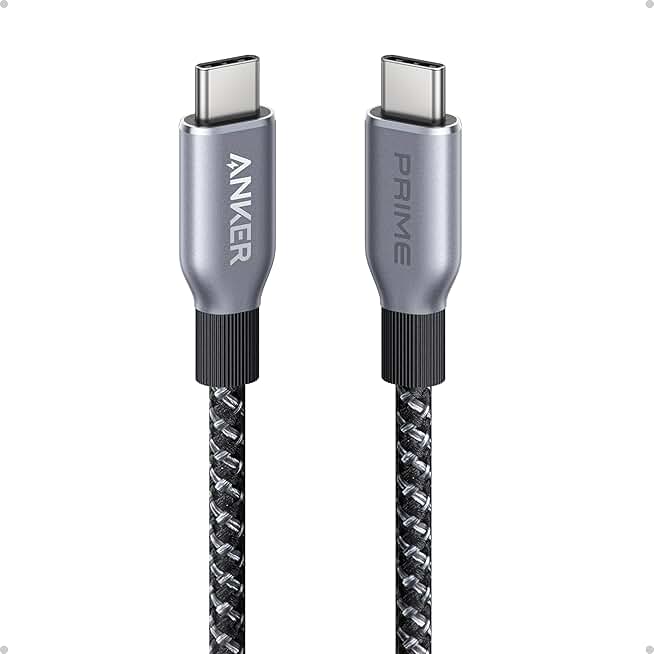
- Invest in a proper cable. Not the free one from the box. Get a 6-foot, 100W-rated USB-C cable with a robust connector. This is your new “phone home.” The Anker USB C to USB C Cable 2-Pack 6 FT, with its durability and power delivery, is what you want. It’s a tool, not an accessory.
- Create a physical dock. Use a stand or a simple dedicated spot on your desk pad. Route the cable cleanly under your monitor arm or along the desk edge. The goal is for the cable to be present and ready, not in the way.
- Monitor your battery temperature. Use a simple app to check your battery temp after a wired vs. wireless charge. The data doesn’t lie. Seeing a 10-15°F difference is the proof you need to kill the wireless habit for good.
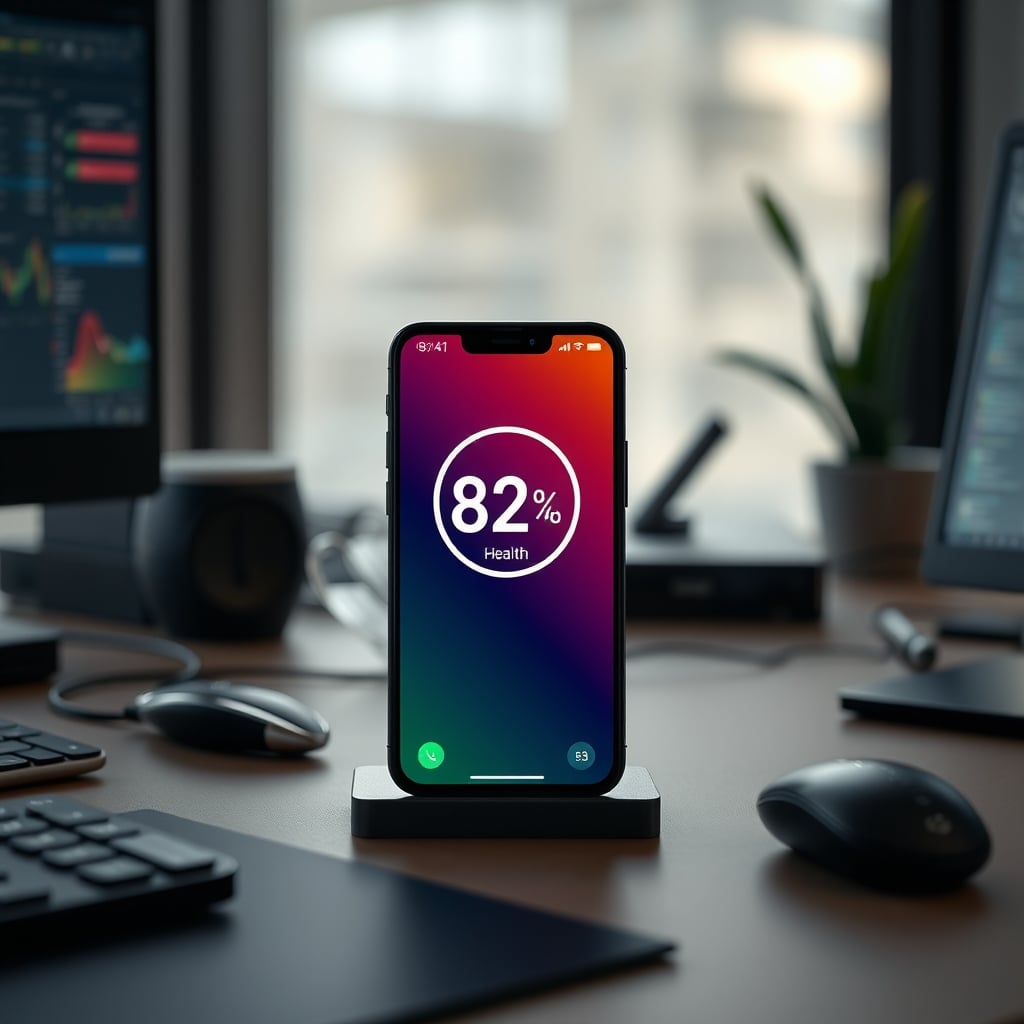
The Final Verdict: Skip It (For Your Main Setup)
Wireless charging, as a primary desk solution in 2026, is overrated. The degradation is real, the heat is unavoidable, and the long-term cost—either in reduced device lifespan or an early battery replacement—outweighs the minuscule convenience of not plugging in a cable. The industry has sold you a solution to a problem that doesn't exist (plugging in a cable is hard?) while creating a very real, expensive one.
Take a stance for your gear’s longevity. Embrace the cable. Manage it well. Your phone’s battery, your wallet, and your future self will thank you. The verdict is clear: for your primary, desk-based charging, skip wireless entirely. It's a gimmick whose downsides are finally too loud to ignore.
Frequently Asked Questions
Does wireless charging really degrade your battery faster?
Yes, unequivocally. Wireless charging degradation is a direct result of heat generated during inductive power transfer. This sustained, cycle-after-cycle heat accelerates the chemical aging process inside lithium-ion batteries far more than efficient wired charging.
Do 'smart' wireless chargers that manage heat fix the problem?
No. They mitigate the worst of the heat, but they don't eliminate the fundamental inefficiency. Slowing the charge rate to reduce heat often means your phone spends more time on the warm charger, which can be just as damaging. It's a band-aid on a structural problem.
What's the single biggest mistake people make with wireless chargers?
Using a fast wireless charger as their primary, overnight charging solution. This combines prolonged 100% battery state with sustained heat, the two worst conditions for battery longevity. It's the perfect storm for accelerated wireless charging degradation.
Is it okay to use wireless charging at all?
As an occasional, supplemental top-up method (like in a car), it's a trade-off you can choose to make. As the main way you charge your phone at your desk, it's a poor choice for anyone who wants their device to last more than two years without a battery replacement.

Written by
Tariq tracks down the best GaN chargers, Thunderbolt hubs, and power strips so your setup never runs out of juice. He tests thermals and wattage delivery extensively.
Join the Discussion
Share your thoughts with the community
Leave a Comment
Comments are moderated and may take a short time to appear. Links are not permitted.