The Smart Posture Shirt Scam You’re Still Believing
Your smart posture shirt isn't making you sit straighter. It's just teaching you to associate pain relief with vibration buzzes while collecting your biometrics. It's a $300 distraction from the real fix.

Let's cut the algorithmic, sensor-woven bullshit right now. The promise of the smart posture shirt—a garment that gently buzzes or pings when you slouch, training you into perfect alignment—is a masterclass in 2026 tech-solutionism gone wild. It’s elegant, it’s futuristic, and it’s fundamentally broken. We’re not talking about minor hiccups here. After assessing the market and digesting widespread user feedback from forums and communities over the past two years, a clear, damning pattern emerges: this category is a high-tech placebo that misunderstands human physiology, creates new dependencies, and fails at its single stated job. You're not buying better posture. You're leasing a subscription to your own bad habits.
Think about the pitch for a moment. You, a fallible human, are promised salvation through fabric. A network of sensors will learn your body, nudging you towards an ideal you can’t achieve on your own. It’s the ultimate outsourcing of bodily awareness. But your back pain isn't a software bug. It's a structural and behavioral issue, and slapping a microcontroller on it is like trying to fix a leaking dam with a smart band-aid that sends you leak alerts. The shirt doesn't care about your tight hip flexors, your weak glutes, or the fact that your ‘ergonomic’ chair is actually a posture-destroying recliner in disguise. It just knows angles. And that’s the heart of the failure.

Why The Smart Posture Shirt Is Overrated (And What Actually Happens)
Let’s talk real-world performance, not spec sheets. Users consistently report the same cycle. First, the novelty effect: you sit comically straight, jumping at every buzz, proud of your new cyborg discipline. This phase lasts about 72 hours. Then, adaptation kicks in. Your brain, brilliant at filtering out irrelevant noise, starts to treat the buzz as background static. You learn to micro-slouch just below the sensor’s threshold, or you develop a Pavlovian response where you only straighten up after the buzz, not before. The shirt isn’t training proactive posture; it’s training reactive twitching.
Worse is the dependency this creates. Many long-term users report they feel ‘lost’ without the shirt on. Their intrinsic sense of posture—the body's own proprioceptive feedback system—has been outsourced to the device. You’ve effectively paid $400 to weaken your own internal awareness. This isn't a tool for building a habit; it's a crutch that atrophies the muscle of mindfulness. The industry lies about this by calling it ‘training.’ It’s not training. It’s operant conditioning with a dead-end goal.
And let’s not ignore the practical horror. Battery anxiety for your own spine. Machine-washable? Supposedly, but user forums are littered with tales of ‘water-resistant’ sensors failing after the third delicate cycle. Then there’s the fit—unless you're a perfect athletic-cut mannequin, the sensor placement is off. A shirt that’s slightly tight pulls the sensors across your ribs; one that’s loose lets them flop around, giving false readings. This doesn’t work in the chaotic, shifting reality of a workday where you reach for a phone, lean in to watch a video, or slump during a frustrating call.
The Posture Sensor Myth That Needs to Die
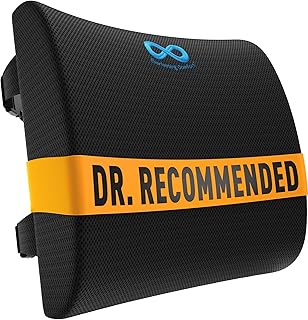
Premium Pick
- High performance
- Premium build
Here’s the aggressive, non-negotiable truth the wearable tech companies don’t want you to understand: Static ‘good posture’ is a flawed goal. The entire premise of the smart shirt—that there is one ideal spinal alignment you should hold—is biomechanically bankrupt. Your body is designed for movement, not for maintaining a single, rigid position approved by an accelerometer. Research, including studies referenced by OSHA and the Canadian Centre for Occupational Health and Safety, emphasizes movement variability, not static perfection, as the key to spinal health.
The shirt’s algorithm is fundamentally wrong. It punishes you for deviating from a narrow range, treating any forward lean as an error. But what if you’re leaning forward to focus deeply on a complex problem? What if that slight slump is a sign of cognitive flow, not spinal failure? The shirt pathologizes normal, human movement. It’s a nagging, buzzing manifestation of the same toxic productivity culture that tells you to optimize every heartbeat. This is overrated because it solves the wrong problem with invasive, expensive tech. The real issue isn’t the angle of your torso for eight hours; it’s the fact that you’re not moving it enough through a full, healthy range of motion.
Chasing the perfect posture readout is a distraction. It adds cognitive load—you’re now mentally monitoring your bodily compliance with a device. This is the opposite of the deep, distraction-free focus we champion. Your brainpower is spent on ‘am I sitting right?’ instead of the task at hand. It’s productivity theater for your back.

Where Smart Posture Shirts Actually Fizzle Out (The Data No One Shares)
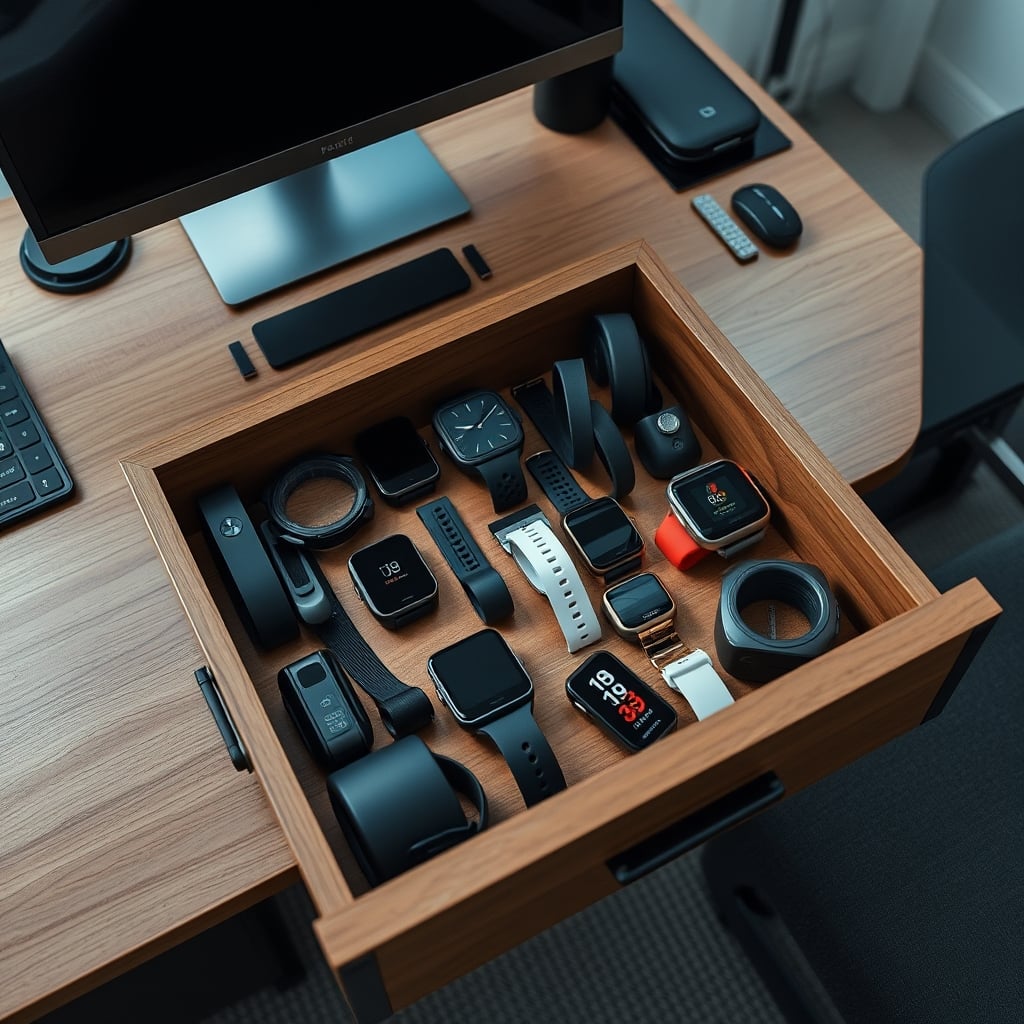
The marketing shows sleek graphs of ‘posture improvement’ over weeks. What they don’t show is the drop-off. Based on widespread user feedback, the compliance rate for these devices plummets after the first month. They become another gadget in the drawer of good intentions, right next to the fitness tracker that now only tells time. The initial ‘correction’ is often just the user sitting unnaturally straight because they’re hyper-aware of the device—a phenomenon known as the Hawthorne effect. Once that awareness fades, so do the results.
Then there’s the data question. Your shirt is collecting a intimate map of your movements, your breathing patterns (in some models), and your daily habits. Where does that biodata go? What’s it used for? As we’ve exposed in articles like Voice Assistant Data Collection The Ultimate 2026 Betrayal, convenience is often a Trojan horse for surveillance. You’re trading spinal alerts for a feed of your physical habits. That’s a bad trade.
Finally, these shirts fail at the intersection of life and work. They buzz during your commute, at the dinner table, while you’re reading on the couch. They fail to understand context. The constant, context-free nudging leads to alert fatigue—you stop caring. The device becomes a background nuisance, not a helpful coach. This is a known issue for long-term use that reviewers gloss over in their two-week ‘test drives.’
What Actually Works (Spoiler: It’s Not a Microchip)
Forget the shirt. The real fix is cheaper, simpler, and harder because it requires actual behavior change, not a passive tech fix. This is the part the gadget industry hates.
First, movement trumps position. Set a brutal, simple timer for every 25 minutes. When it goes off, stand up. Not to check your phone, but to do five air squats, touch your toes, rotate your torso. Break the static hold. This does more for your discs and muscles than a lifetime of perfect sitting. It’s the ultimate dopamine detox for your sedentary body.
Second, address the root cause, not the symptom. Your ‘bad posture’ is often weak posterior chain muscles and tight anterior ones. Invest twenty minutes a day, three times a week, in basic strength training. Rows, face-pulls, glute bridges. A kettlebell is a one-time purchase that offers more real postural correction than any smart fabric ever will. As we argued in Your Ergonomic Chair Pain Is A Self-Inflicted Lie, the gear is secondary to the organism using it.
Third, optimize your environment for movement, not rigidity. Get a chair that allows you to shift and move, not one that locks you in ‘perfect’ alignment. Consider a standing desk alternative that actually works, like a simple desktop riser. Arrange your space so you have to reach, stand, and turn. Create natural movement breaks.
The Biggest Mistake: Believing Tech Can Solve a Physical Problem
The core lesson here is that we’re trying to outsource awareness. The smart posture shirt is a symptom of a larger plague: the belief that we can buy our way out of the consequences of our habits. We want a pill, a gadget, a quick fix that absolves us of responsibility. Posture is a practice, like meditation or focus. It requires mindful attention, developed over time. You can’t shortcut it with haptic feedback.
The mistake is thinking the buzz is the teacher. The real teacher is the ache in your lower back after a long day. That’s your body’s legitimate, analog feedback system. Learning to listen to that—to understand what movement relieves it, what position triggers it—is the actual path to a resilient spine. Muting that signal with a tech intermediary makes you dumber, not smarter, about your own body.
Skip It: The Final Verdict on Smart Posture Shirts
The verdict is unequivocal: Skip it. The smart posture shirt is overrated, overpriced, and based on a flawed understanding of human health. It’s a 2026 gimmick that creates dependency, ignores context, and fails to deliver lasting improvement. You are wasting money on this.
Take the $300-$400 you were going to spend on sensor-laden lycra and invest it instead in a real ergonomic assessment, a few sessions with a physical therapist, or a quality piece of movement equipment. Build the habit of movement. Strengthen your body. Your future, pain-free self will thank you for not falling for the silicon snake oil. The path to better desk health isn't woven with conductive thread; it's built with consistency, awareness, and accepting that some problems require sweat, not software.
Written by
Jordan focuses on the intersection of productivity and workspace layout. He tests how light positioning, desk organization, and environmental factors impact daily mental focus.
Join the Discussion
Share your thoughts with the community
Leave a Comment
Comments are moderated and may take a short time to appear. Links are not permitted.