Smart Lights Sleep Sabotage: Your Ambience Is Broken
Your carefully curated smart lighting scene isn't a mood enhancer—it's a cognitive saboteur. We explain why the 2026 promise of circadian harmony is a lie, and what to use instead.
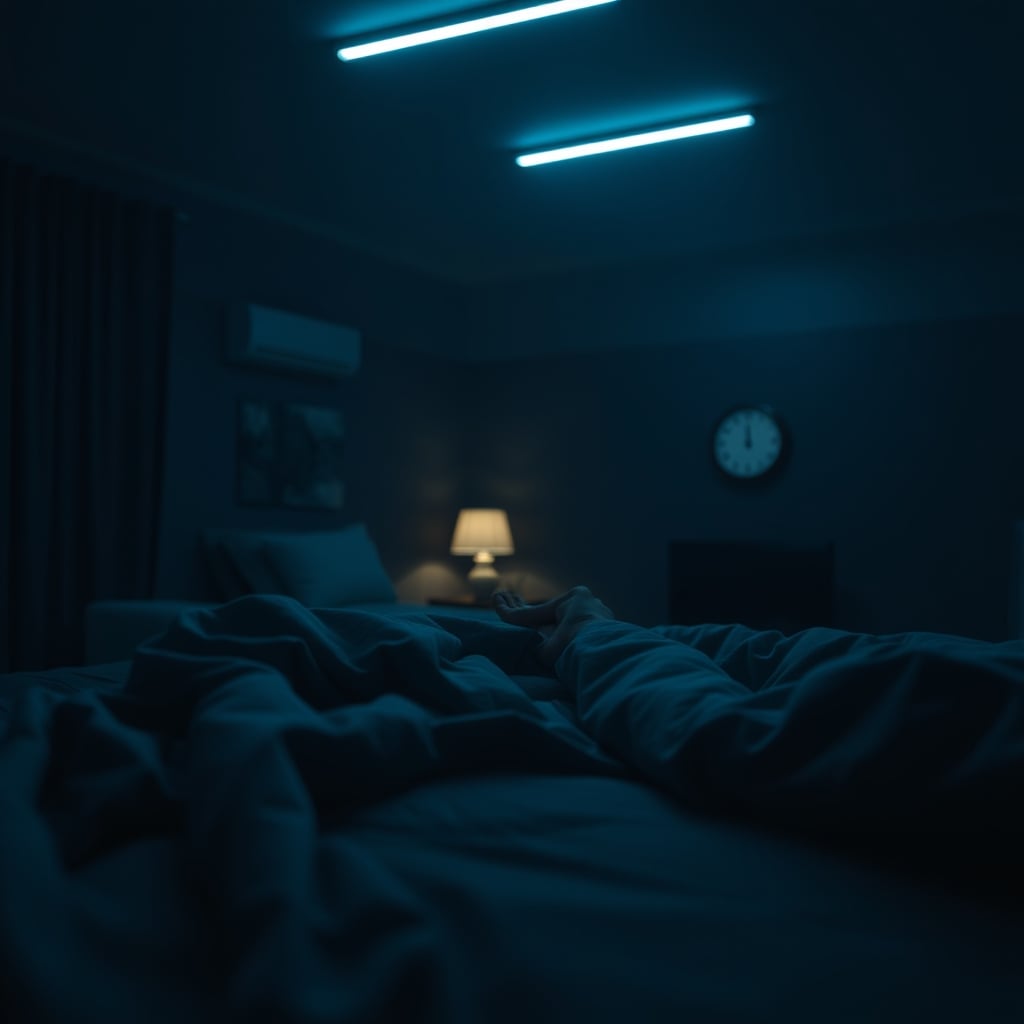
I spent months trying to engineer the perfect, sleep-friendly ambiance with smart lights. I meticulously programmed sunset fades, set scenes called “Evening Wind Down,” and bathed my office in warm, low-Kelvin glows. The result? I felt more alert, more anxious, and my sleep quality plummeted. This isn’t a quirky personal failure; it’s the predictable outcome of a system designed to be engaging, not effective. What the industry sells as a wellness tool is, for most people, a masterclass in smart lights sleep sabotage. The problem isn’t the color temperature—it’s the entire premise of a connected, app-dependent, scene-based light that lives in your bedroom or office. The constant, low-grade negotiation with an app, the phantom glow of status LEDs, the subconscious awareness of a “system” waiting for input—it all adds a layer of mental static that directly opposes the brain state needed for rest. We’ve been sold a solution to a problem that a $10 plug-in light from 1995 already solved perfectly.
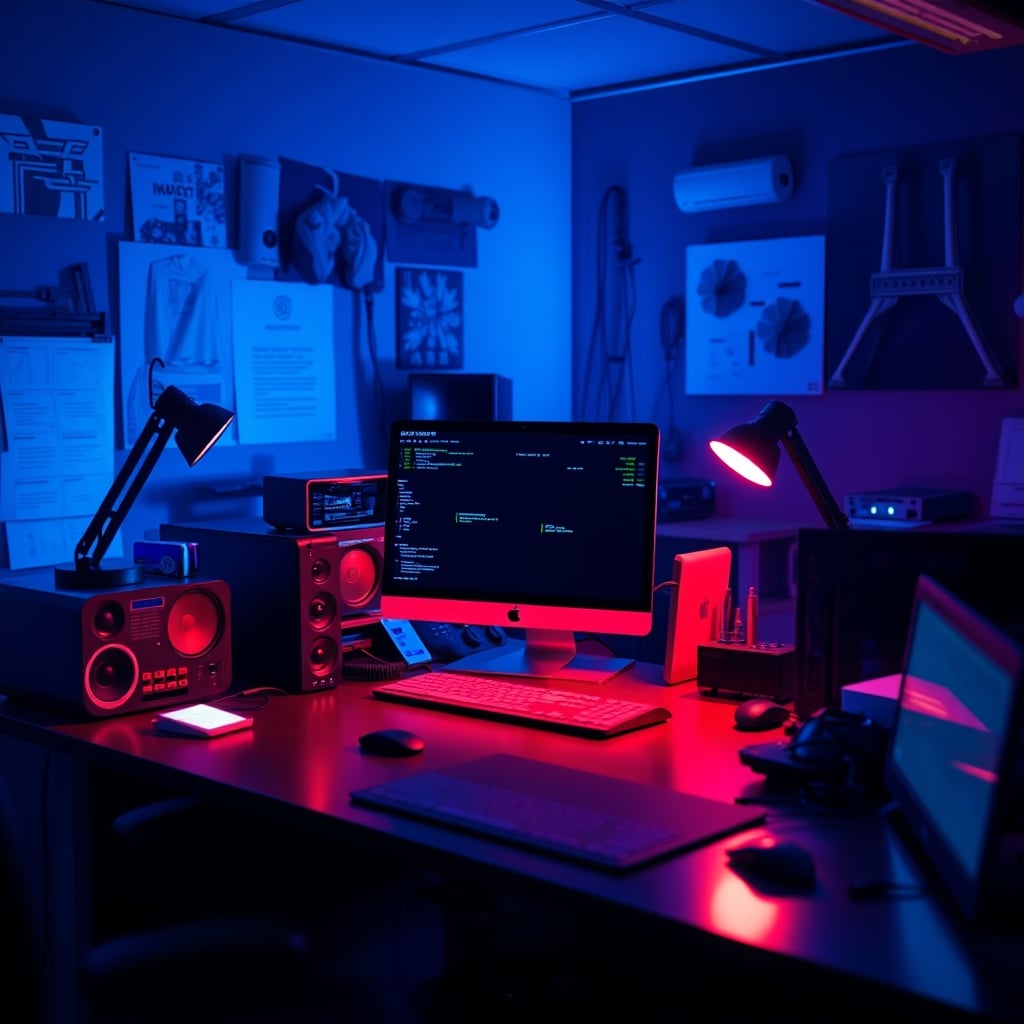
The Smart Lights Sleep Sabotage You Didn't See Coming
Let’s cut through the marketing. You bought smart bulbs for two reasons: convenience and “health.” The promise of mimicking the sun’s natural progression to support your circadian rhythm is irresistible. Here’s the brutal truth: in a typical home office or bedroom setup, this fails spectacularly. The circadian benefit is predicated on massive, room-filling light intensity at specific times—think a sunrise alarm clock blasting you with 10,000 lux. Your Philips Hue bulb set to “Sunrise” at 1% brightness through a lampshade does precisely nothing biologically except remind you that you own a gadget. The real effect is psychological, and it’s not good. You’re not training your body; you’re training yourself to associate your sanctuary with a device that needs updates, loses connection, and requires a smartphone to operate. The blue light scare is a red herring. The true sabotage is the cognitive load of managing another digital ecosystem. When you fumble for your phone to dim the lights instead of reaching for a physical knob, you’ve already lost. You’ve invited a decision tree, a potential software bug, and a hit of screen-based dopamine into your wind-down ritual. Most people get this completely wrong. They focus on Kelvin and lumens while ignoring the mental tax of the smart platform itself. This is the real issue.
Why “Circadian Rhythm Lighting” Is An Overrated Myth
Premium Pick
- High performance
- Premium build
This is the hill I’m willing to die on in 2026: the entire category of consumer-grade “circadian rhythm” smart lighting is overrated. It’s a classic case of taking a legitimate clinical concept (light therapy for Seasonal Affective Disorder, studied in controlled environments) and watering it down into a useless lifestyle gadget. The industry lies about the efficacy. They show you serene shots of a single bulb in a dark room, implying a profound biological effect. The reality requires intensity, timing, and duration that your cute nanoleaf array cannot and will not deliver. It’s a placebo with a subscription fee. Furthermore, the constant, automated color shifting can be deeply disruptive. That gentle transition from cool white to warm white? If you’re deep in focus or finally settling into a relaxed state, the change itself can be a subtle distraction, pulling you out of the moment. Your brain registers the shift. It’s another micro-interruption. Based on widespread user feedback, the most common report isn’t “I sleep better,” it’s “I spent an hour making cool scenes I never use.” This doesn’t work as advertised for the vast majority of home setups. You’re wasting money on a biological mime that fails the performance test.
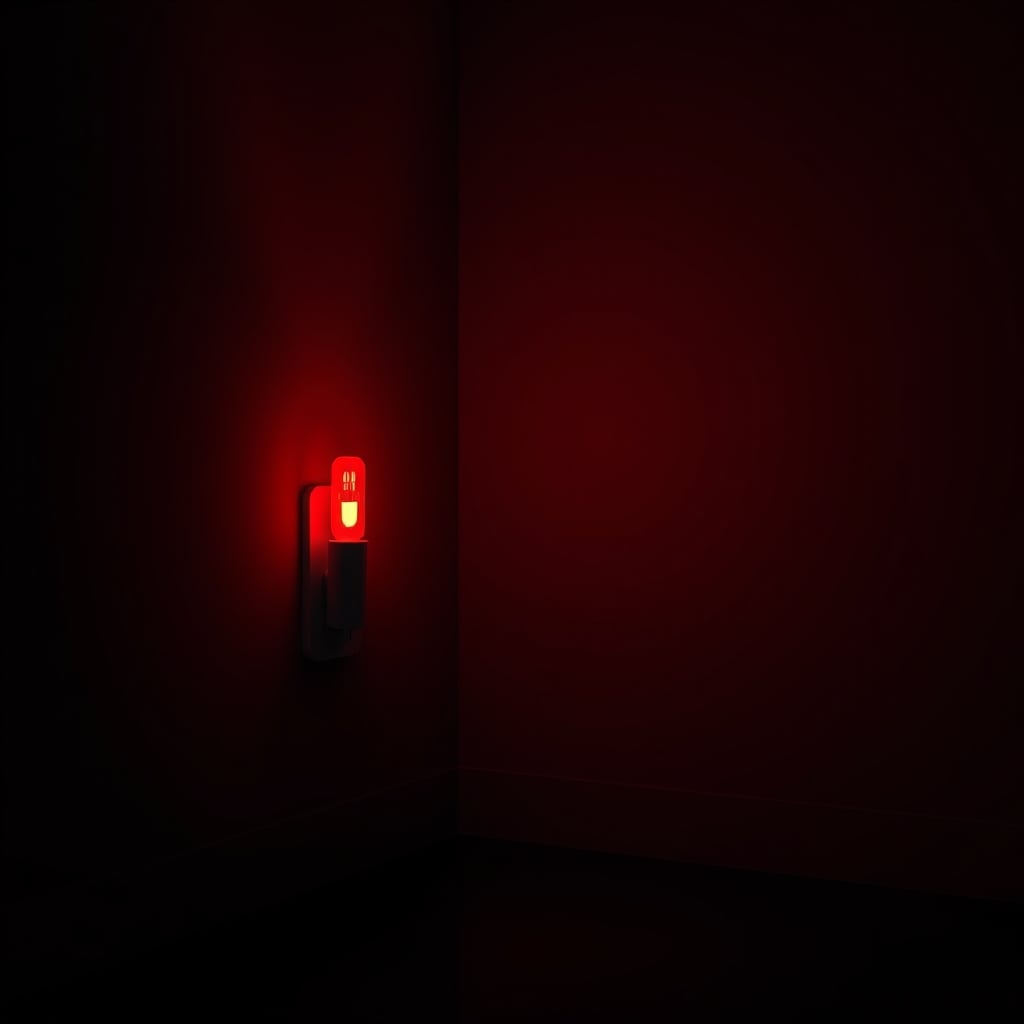
The Real Solution Is Dumb, Single-Purpose, and Red
Forget ecosystems. Forget scenes. The single most effective ambient light for sleep preparation is a dumb, plug-in red night light. Not a smart bulb set to red. A dedicated, single-purpose, zero-blue-light red LED that plugs into an outlet and turns on automatically at dusk. The science here is actually straightforward: red light has the least power to suppress melatonin and shift circadian rhythm. But the practical benefit is even greater. It provides just enough illumination to navigate without tripping, creating a cave-like ambiance that signals “rest” to your primate brain. There is no app. There is no “brightness setting” to tweak at 2 AM. There is no Wi-Fi icon to stare at. It is a environmental constant, not an interactive product. After assessing countless setups, the difference is palpable. The peace comes from its utter boringness. It solves one problem perfectly without creating ten others. This is what real performance looks like: a tool that disappears into its function.
Your Desk Is a War Zone, Not a Sanctuary
Now, let’s talk about your desk—the daytime command center that should be separate from your sleep cave. The trend of extending “calming” smart lighting into your workspace is another form of sabotage. Your ‘Aesthetic’ Streaming Background Is Secretly Hurting Your Viewership: The Psychology Pros Use Instead touches on a similar principle: environmental cues matter. Your desk needs cues for focus, not sleep. A smart light that’s also your task light is a conflict of interest. You’ll be tempted to adjust it, play with colors, or set “productivity” scenes that are just visual noise. This adds to the The Brutal Truth About Workspace Mental Load. The cleanest solution is separation of concerns. Use a high-quality, dumb, dimmable task lamp for work. Something with a physical switch or dial. For ambient fill light, consider a separate, simple warm-white lamp—again, dumb. The goal is to eliminate decision points. Every smart device on your desk is a potential distraction, a tiny portal to configuration hell. This is overrated for deep work.
The Cognitive Tax of Constant Configuration
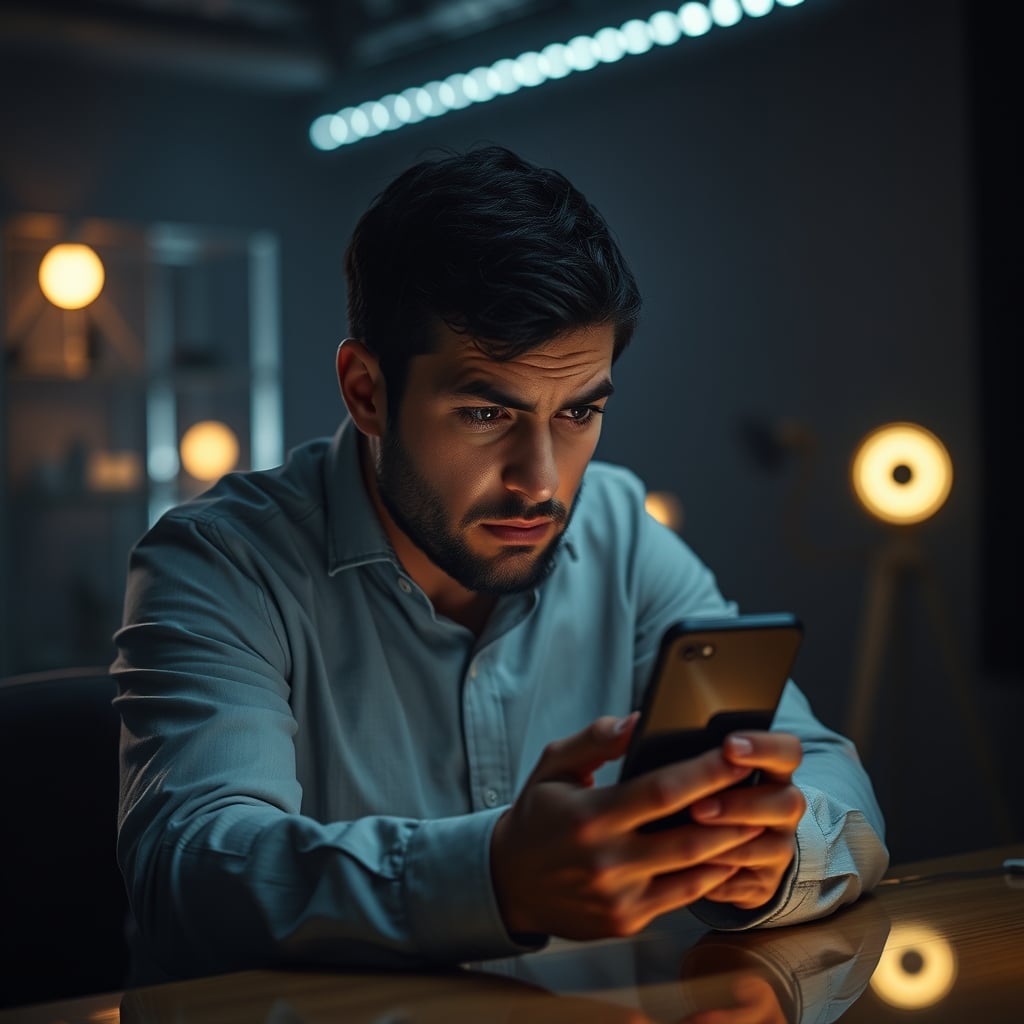
Here’s what most reviews never tell you: the setup is not a one-time cost. Smart lighting systems demand ongoing maintenance. Firmware updates break routines. App updates change the UI. Brands deprecate features. You’ll spend more time over the years troubleshooting your “set-and-forget” ambiance than you ever spent setting up a simple lamp. This is a known issue for long-term use. The promised convenience is a lie that unravels across hundreds of tiny frustrations. That moment when you ask your voice assistant to turn off the lights and it responds, “Sorry, I’m having trouble connecting to [Smart Home Service],” is a spike of cortisol you don’t need before bed. It’s a betrayal by your own environment. Compared to the reliability of a physical switch, smart lighting is a fragile house of cards. This doesn’t work for people who value mental serenity over geek cred.
A Practical Guide to The Dumb Light Reset
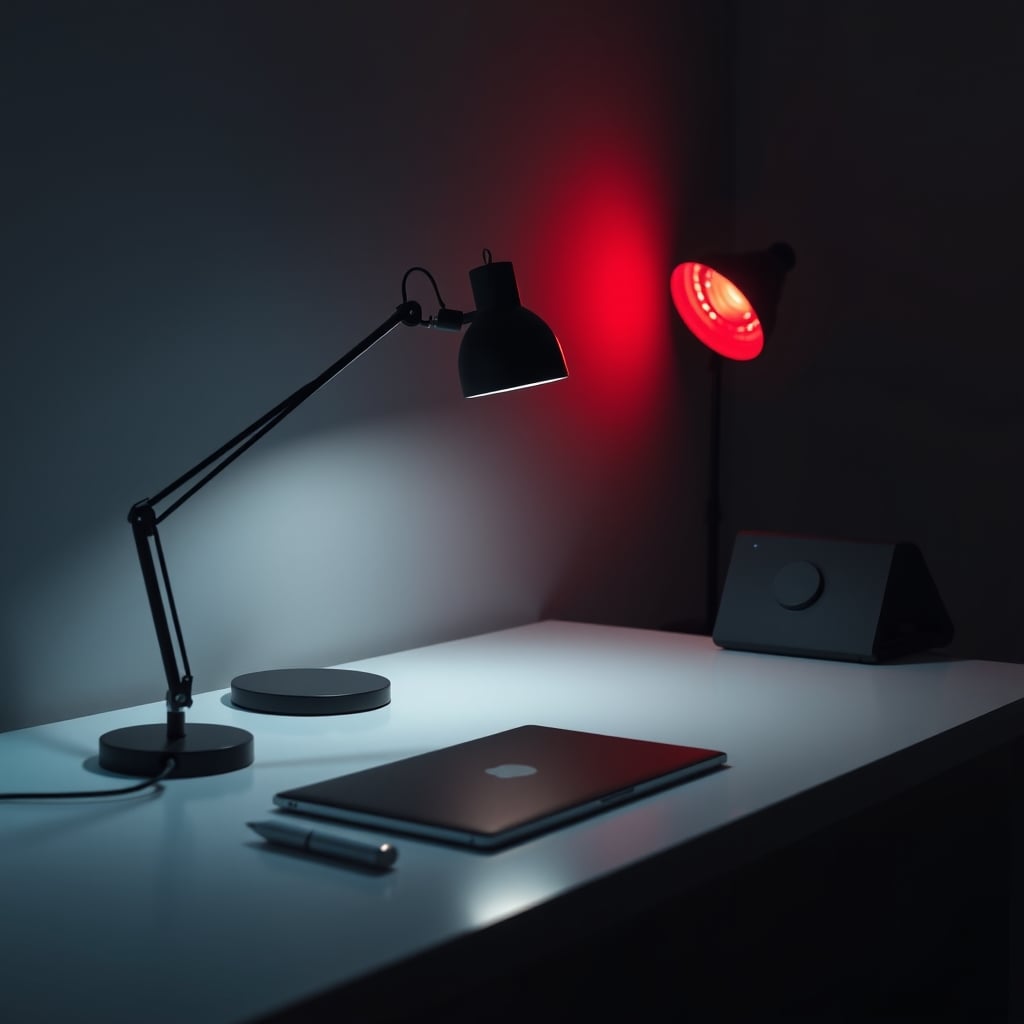
So how do you fix it? You perform a dumb light reset. First, identify the zones: sleep zone (bedroom), transition zone (hallway/bathroom), and work zone (desk). For the sleep zone, unplug the smart lights. Install a plug-in red night light with a dusk-to-dawn sensor in a low outlet. For the transition zone, use the same. For your desk, get a dimmable LED task lamp with a high CRI for color accuracy, and a separate warm-white ambient lamp if needed. The total cost will likely be less than a single premium smart bulb starter kit. The goal is tactile control—switches, dials, and sensors that work 100% of the time, 0% of the time requiring your phone. This is the unconventional advice that actually works.
The Biggest Mistake: Chasing the Perfect Scene
I learned this the hard way, and users consistently report the same: the biggest mistake is believing the perfect, automated light scene will improve your life. It won’t. You’ll chase it, tweak it, and never be satisfied, because you’re optimizing for the wrong metric. You’re optimizing for gadgetry, not for biological and psychological peace. The lesson is to stop adding layers of digital mediation between you and your environment. The light should be a condition of the space, not a feature to be managed. The moment you find yourself browsing community-shared “sleep scenes,” you’ve already lost the plot.
Final Verdict: Skip The Smart Hype, Embrace The Dumb Glow
The verdict is unambiguous: for sleep and focused ambience, mainstream smart lighting is overrated. It’s a solution in search of a problem, complicating a fundamental human need with unnecessary technology. The cognitive burden, reliability issues, and diluted biological benefits make it a poor choice for the exact scenarios it’s marketed for. The alternative is cheap, reliable, and boringly effective. Spend your money and mental energy elsewhere. For creating a sleep-conducive environment, the humble red night light isn’t just a good alternative—it’s the objectively superior tool. Skip it on the smart bulbs for your bedroom. Your future, better-rested self will thank you.
Frequently Asked Questions
Don't smart lights help with circadian rhythm?
No, not in any meaningful way for typical home use. The circadian effect requires light intensity (lux) that consumer smart bulbs cannot deliver through lampshades at typical distances. The marketing exaggerates a clinical concept into a useless feature.
Why is red light better for sleep than warm white smart bulbs?
Red light has the longest wavelength, which has the least power to suppress melatonin production. More importantly, a dedicated red night light has zero smart features, meaning no app, no configuration, and no distracting status lights—it's a passive environmental cue, not an interactive device.
Aren't smart lights more convenient for automation?
The promised convenience is a trade-off for massive cognitive load and reliability issues. Firmware updates, app changes, and Wi-Fi dropouts turn 'convenience' into constant maintenance. A plug-in light with a dusk-to-dawn sensor is 100% reliable with zero setup or mental overhead.

Written by
From bias lighting behind your monitor to smart RGB ecosystems, Leon knows exactly how to light a room for productivity during the day and gaming at night.
Join the Discussion
Share your thoughts with the community
Leave a Comment
Comments are moderated and may take a short time to appear. Links are not permitted.