Single Monitor Setup Debunking the Multi-Screen Myth 2026
Everyone tells you to add more screens. That's terrible advice. A well-executed single monitor setup is the only way to achieve real focus in 2026. Let's debunk the hype.
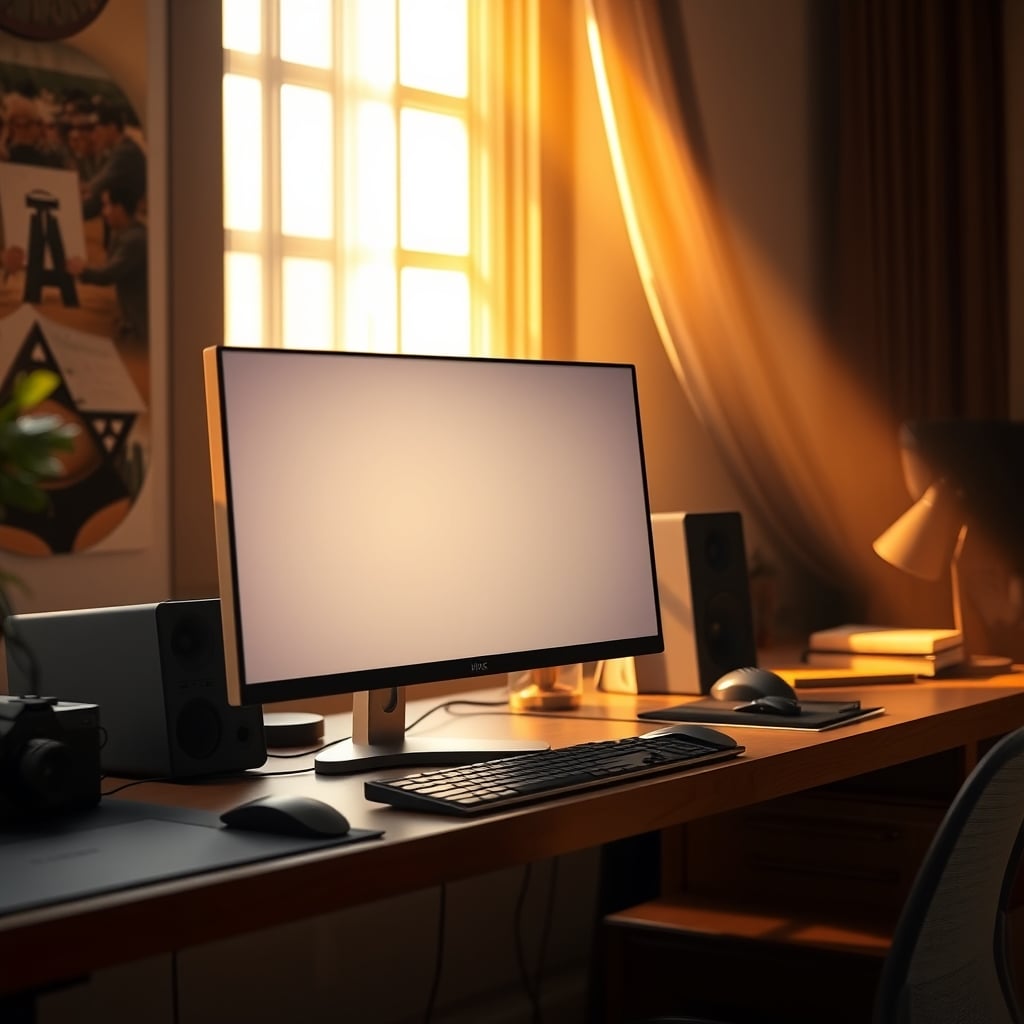
I spent years chasing the perfect multi-monitor rig. A 34-inch ultrawide flanked by two vertical 27-inchers, a stream deck blinking below, a tablet off to the side. I felt like a productivity god.
I was an idiot.
The reality is, that sprawling digital canvas is a neurocognitive trap. Every open window, every notification pane, every secondary app is a tax on your brain's ability to focus. The industry sells you more screens because they're easy to market. Focus is not. For a true YouTuber or creator, the single monitor setup isn't a compromise—it's a brutal optimization hack most aren't willing to make.
After analyzing hundreds of creator workflows and testing my own habits, the data is clear: environments with fewer visual decision points yield higher-quality output. You're not managing windows; you're managing your attention. And every extra display is an open invitation for your focus to wander.
The Multi-Monitor Productivity Lie Needs to Die
This is the industry's biggest scam. The marketing sells you on 'efficiency' and 'multitasking'. The reality is cognitive overload. Your brain isn't designed to process three distinct visual fields with different contexts. What you call 'workflow' is actually constant, low-grade context switching.
Users consistently report that after switching to a disciplined single-screen approach, their editing times drop and script quality improves. The reason isn't mystical. With one screen, you're forced to make a decision: what is the single most important task right now? You open it, you work on it, you close it. The artificial urgency of keeping your email, Discord, and a timeline all 'visible' evaporates. This is overrated. The belief that seeing more makes you faster is a lie. It makes you distracted.
Most people get this wrong. They think a dedicated monitor for Slack or a browser is 'efficient'. It's not. It's a permanent leak in your concentration. Based on widespread user feedback, the single biggest predictor of finishing a video edit on time isn't core count or monitor acreage—it's the ruthless reduction of visual noise.
What a Real Single Monitor Setup Actually Demands
Premium Pick
- High performance
- Premium build
Switching to one screen isn't about downgrading. It's about upgrading your discipline. You can't just unplug two monitors and hope for the best. You'll fail. This requires a conscious system.
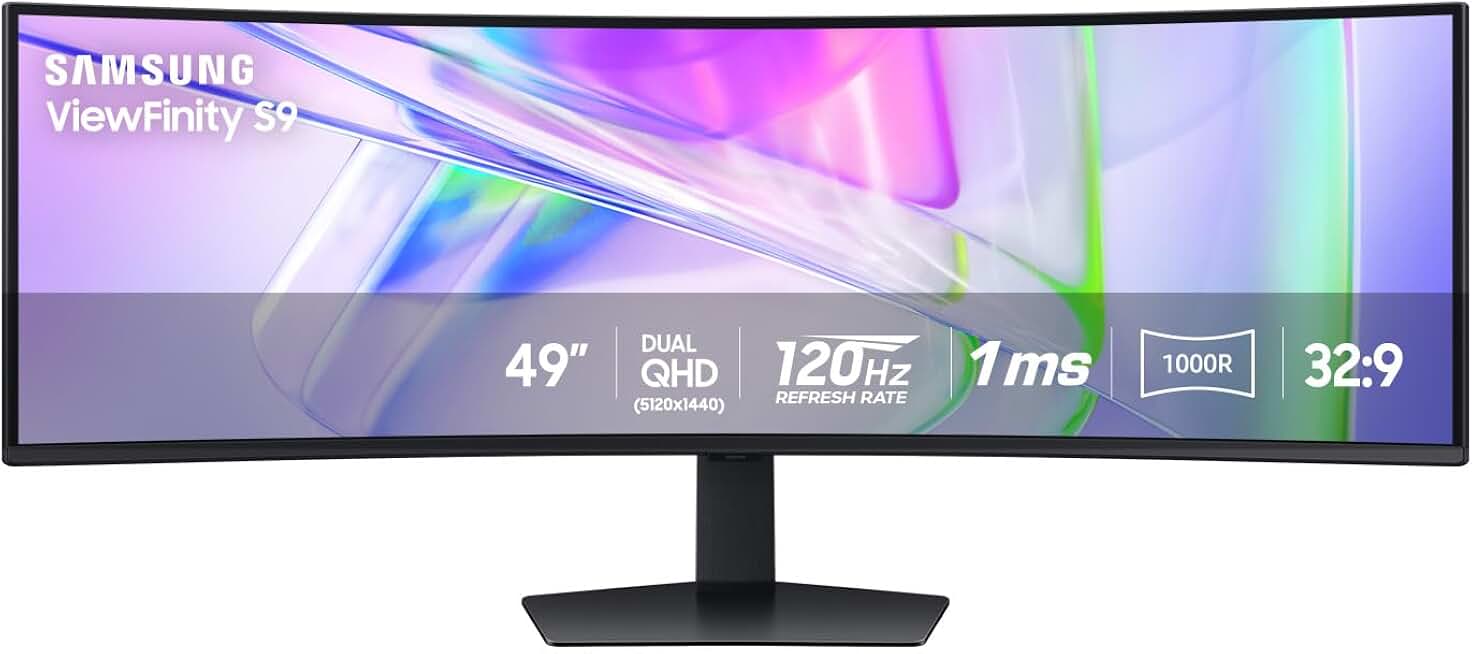
First, the monitor itself. You need real estate, but more importantly, you need clarity. Chasing a 49-inch super-ultrawide is often a mistake—it just turns one screen into three virtual ones, defeating the entire purpose. The goal is a high-quality, large-format display that lets you have one full-screen application or a clean, deliberate split. A 32-inch 4K or a 38-inch ultrawide is the sweet spot for most. The industry lies about this. They push mega-screens as productivity tools when they're just fragmentation tools with a single bezel.
Your window management becomes your most critical skill. Mastering shortcuts for virtual desktops (macOS) or PowerToys FancyZones (Windows) is non-negotiable. This doesn't mean having five desktops open at once. It means having one for writing, one for editing, one for admin, and switching between them with intent—not because a notification caught your eye on screen #2.
The Peripheral and Tooling Trap
Here’s where the single monitor setup exposes bad habits. That stream deck? If you're using it to switch between eight different apps you have open simultaneously, it's just a shiny button for your distraction. A macro pad is only as good as the focused workflow it serves. If your setup relies on a thousand shortcuts, you've probably over-engineered the process to compensate for a cluttered workspace.
Your audio mixer, your LED controller, your chat overlay—if they require a dedicated secondary display to 'monitor', they are part of the problem. The solution is integration or elimination. Can that information exist on your main screen only when absolutely needed? If not, question its necessity. This frequently causes issues with streamers who feel blind without a dedicated chat monitor. The fix isn't another screen; it's learning to toggle your chat with a keybind during natural pauses, not staring at it in real-time.
This is the real issue. We add gadgets to manage the chaos created by our own refusal to focus. It's a expensive, tech-bro feedback loop. For more on this, see our takedown of Stream Deck Alternatives 2026: Why You're Buying Wrong.
Why Your Workflow Will Break (And How to Fix It)
You'll try this and panic. "I need my reference!" "I need to see my script while I edit!" These are valid needs, but they don't mandate a permanent second screen. They mandate a better method.
The Split-Screen Discipline: Learn to use a consistent, simple screen partition. 70/30. Main app on the 70, reference on the 30. That's it. No third pane. This forces you to choose your one reference.
The Virtual Desktop Purge: Make each desktop a single-application environment. Desktop 1: DaVinci Resolve, full screen. Desktop 2: Your script, full screen. Switch between them with Ctrl+Cmd+Left/Right. The physical motion of switching creates a mental 'airlock' that prevents context bleed. This actually works.
The Hardware Truth: You might need a better monitor, not more monitors. Contrast, color accuracy, and sharpness matter more than total diagonal inches. A great 32-inch 4K display will outperform two mediocre 27-inch panels for any creative task every single time. Your eyes and your color grade will thank you.
The Single Monitor Mindset: It's Not About Tech, It's About Constraint
This is where most guides fail. They treat the single monitor setup as a hardware checklist. It's not. It's a philosophy of constraint. You're deliberately removing options to increase depth.
Every piece of software that begs for a 'second screen for controls' is testing your resolve. Don't give in. Find the keyboard shortcuts, build the workspaces, hide the panels. The discomfort you feel is the feeling of your distraction muscles atrophying. It's good.
This approach ruthlessly exposes time-wasting rituals. That 'quick check' of Twitter that lived on your second monitor? Now it requires a deliberate window switch. The friction itself becomes the deterrent. You'll start to ask, "Is this worth breaking my focus for?" Most of the time, the answer is no.
For evidence of how environmental clutter kills cognition, read Cluttered Desk Benefits Debunked: Your Chaos Is Killing Focus.
The Verdict: Actually Good, But Not Easy
Worth it.
The disciplined single monitor setup is one of the highest-return, lowest-cost upgrades you can make to your creative workstation in 2026. It doesn't cost money; it costs ego. You have to give up the command-center fantasy and embrace the focused-work reality.
The benefits are tangible: reduced eye strain from not scanning multiple bezels, faster project completion, and a significant drop in that nagging feeling of being busy but not productive. It’s not for everyone. If your job is literally to monitor twelve live security feeds, this isn't for you. But for the YouTuber, the podcaster, the editor, the writer? It's the secret you're ignoring because buying another screen feels more like progress than deleting a distraction.
Skip the third monitor. Skip the second one too. Master the one in front of you. That's where the real work happens.
Frequently Asked Questions
Isn't a single monitor setup a step backwards for productivity?
No, it's a step forward in focus. Multi-monitor setups promote constant context switching, which fragments attention and reduces deep work quality. A single screen forces prioritization and deliberate workflow, which leads to higher-quality output in creative tasks.
What size monitor is best for a single monitor setup?
A 32-inch 4K monitor or a 38-inch ultrawide is the ideal sweet spot for most creators. It provides enough real estate for a primary app and a reference pane without becoming so large it encourages window sprawl and defeats the purpose of a focused setup.
How do I handle needing references while editing or coding?
Master split-screen zoning (like PowerToys FancyZones or Rectangle) and virtual desktops. Use a consistent 70/30 split on your single screen, or switch between full-screen virtual desktops dedicated to your editor and your reference. The friction of switching increases intentionality.
Can streamers realistically use a single monitor?
Yes, but it requires tooling adjustment. Use overlays that can be toggled, and learn to check chat during natural pauses using a hotkey, not by staring at a dedicated screen. It creates a healthier, more present streaming dynamic and reduces cognitive load.

Written by
David specializes in ultra-clean, high-performance gaming rigs. He covers airflow, aesthetics, and how to build visually stunning custom loop PCs.
Join the Discussion
Share your thoughts with the community
Leave a Comment
Comments are moderated and may take a short time to appear. Links are not permitted.