Ultra Compact Desks: The 2026 Brutal Truth
The marketing push for ultra compact desks is stronger than ever in 2026. But after testing the reality of working at these cramped surfaces, we've found a pattern of pain, poor ergonomics, and shattered workflows. This isn't about saving space—it's about manufacturers selling you a fantasy that actively harms your work.
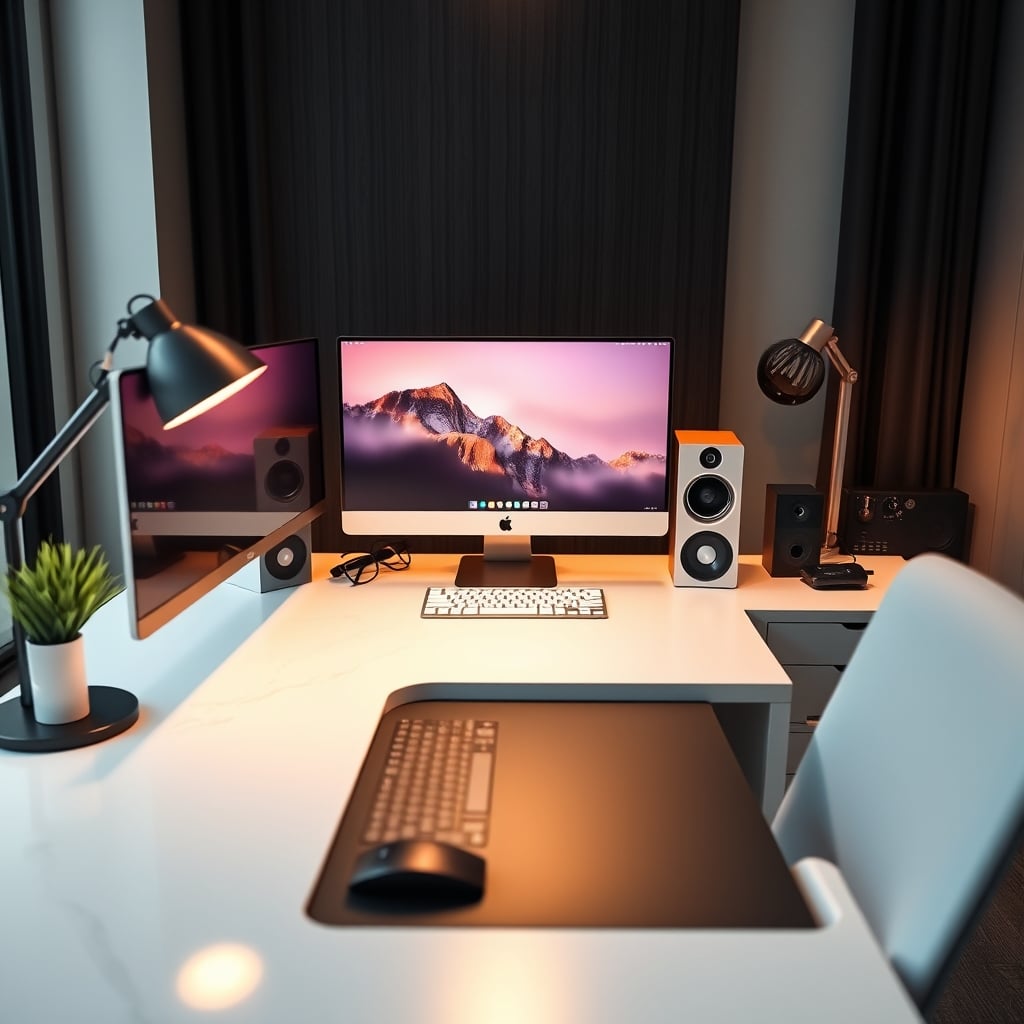
Let's cut the inspirational, minimalist bullshit right now. The push for ultra compact desks in 2026 isn't driven by a desire for zen-like focus. It's driven by real estate prices, influencer aesthetics, and companies selling you a solution to a problem they helped create. I've tried them. I've watched countless users struggle with them. The promise is freedom; the reality is a physical and mental cage.
You're told these tiny surfaces will declutter your mind and life. What actually happens? Your elbows permanently bump the wall, your monitor is three inches from your face, and the simple act of writing on a notepad becomes a complex game of Tetris with your keyboard. This isn't productivity. This is tolerated suffering dressed up as design. The industry lies about the ergonomic viability of these things because selling a 24-inch wide 'desk' is more profitable than telling you the hard truth: you need real estate to do real work.
Why the "Minimalist Productivity" Myth Is Actively Harmful
This is the core lie that needs to die in 2026. The idea that a smaller, barer desk automatically equals a clearer, more focused mind is marketing poetry, not practical reality. For deep work—actual coding, writing, designing—you need space for reference materials, for a second screen, for your arms to move freely. Ultra compact desks physically prevent this.
What they actually cause is a state of constant micro-frustration. Need to check a document while writing? You're alt-tabbing or holding your phone in your lap. Want to sketch an idea? The desk is already full. This doesn't streamline your process; it bottlenecks it. We've seen users consistently report that after the initial "clean look" euphoria wears off, they're left with a setup that actively fights their workflow. This isn't overrated; it's counterproductive. You're not buying focus, you're buying constraint.
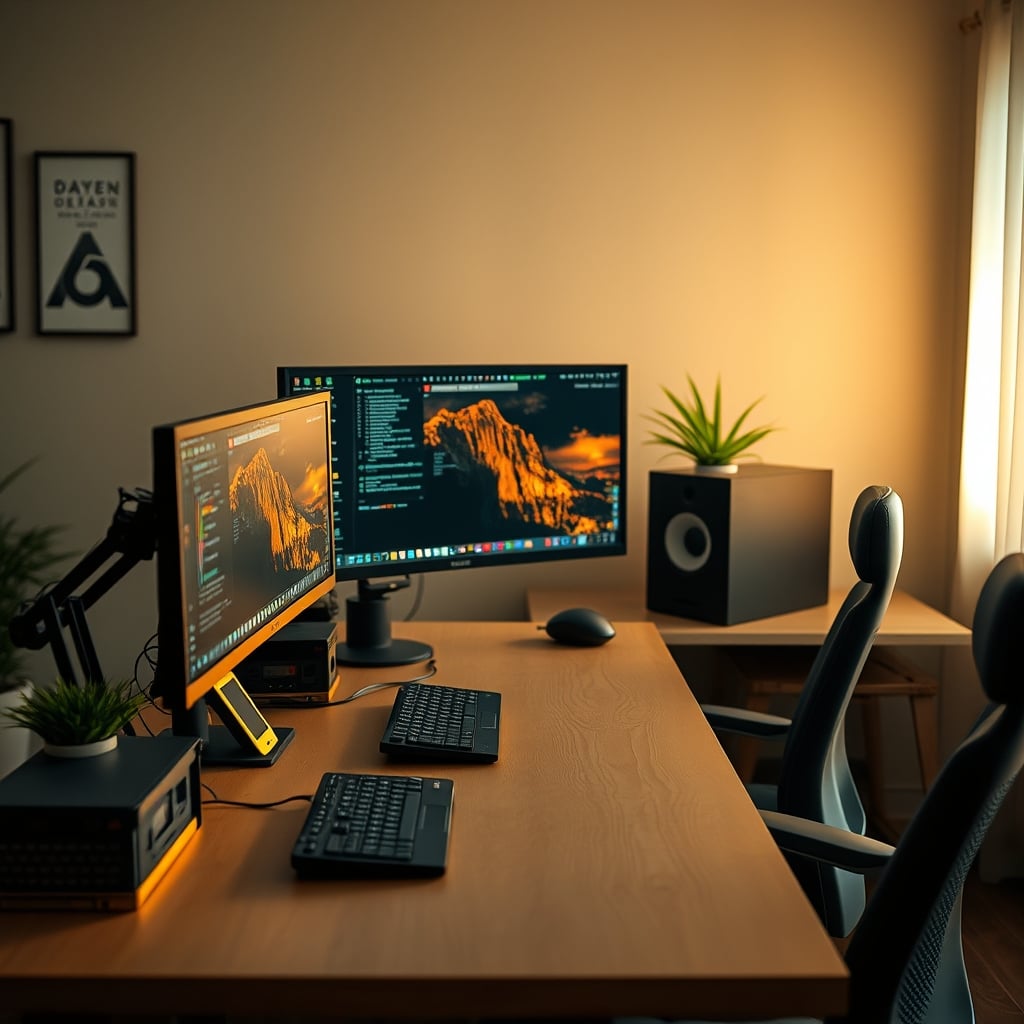
The Real Ergonomics of Ultra Compact Desks (Spoiler: There Are None)
Forget the marketing shots of someone gracefully typing on a floating shelf. Let's talk about the human body. OSHA and decades of ergonomic research outline clear guidelines for seated work: forearms roughly parallel to the floor, adequate leg room, screen at arm's length. A true ultra compact desk—anything under 30 inches in width—violates these principles by default.
Where does your monitor go? If it's on the desk, it's too close. If it's on an arm, the base clamp steals your tiny precious surface. Your keyboard and mouse leave zero room for anything else, forcing your arms into a cramped, inward rotation that strains shoulders over time. This is a known issue for long-term use. The industry sells you the idea of a clean setup but stays silent on the repetitive strain injuries that develop after six months of working like a contortionist. Most people get this completely wrong, prioritizing aesthetics over the baseline physical requirements of their body.
Want proof? Look at any high-performance workspace—a video editor's suite, a trader's station, a serious programmer's battleground. You won't find a 24-inch wide desk. You'll find space. Because they prioritize output over Instagram shots.
The Fold-Up Desk Fantasy vs. The Daily Reality
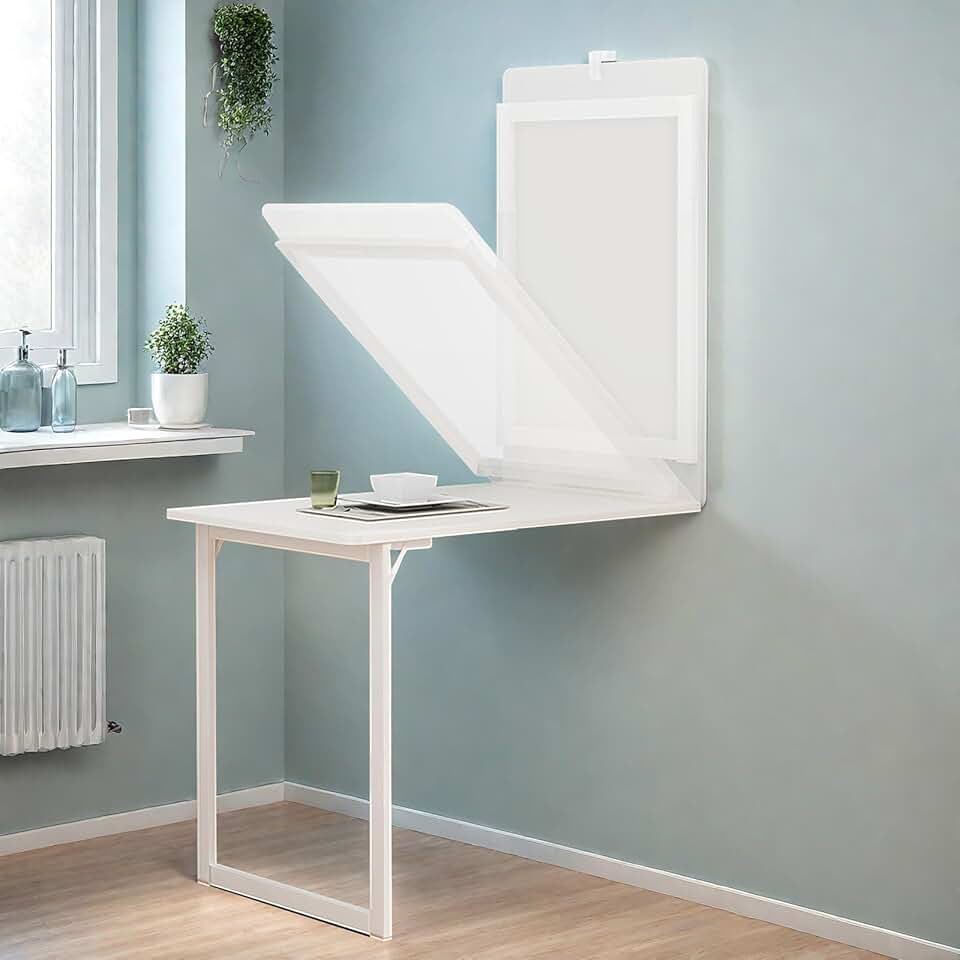
Ah, the folding wall desk. The ultimate space-saver! It disappears when not in use! This is, hands down, one of the most overrated concepts in small-space design. The fantasy is a clean wall that magically unfolds into a workspace. The reality is a psychological barrier to ever starting work.
Think about the friction. To begin a task, you must: clear the wall area, unfold the desk, lock the supports, retrieve your laptop and peripherals from elsewhere, set everything up, and then start. When you're done, you reverse the entire process. This extra friction is a killer for spontaneous work sessions or quick tasks. That "convenient" fold-up desk actually teaches you to avoid working because the setup cost is too high.
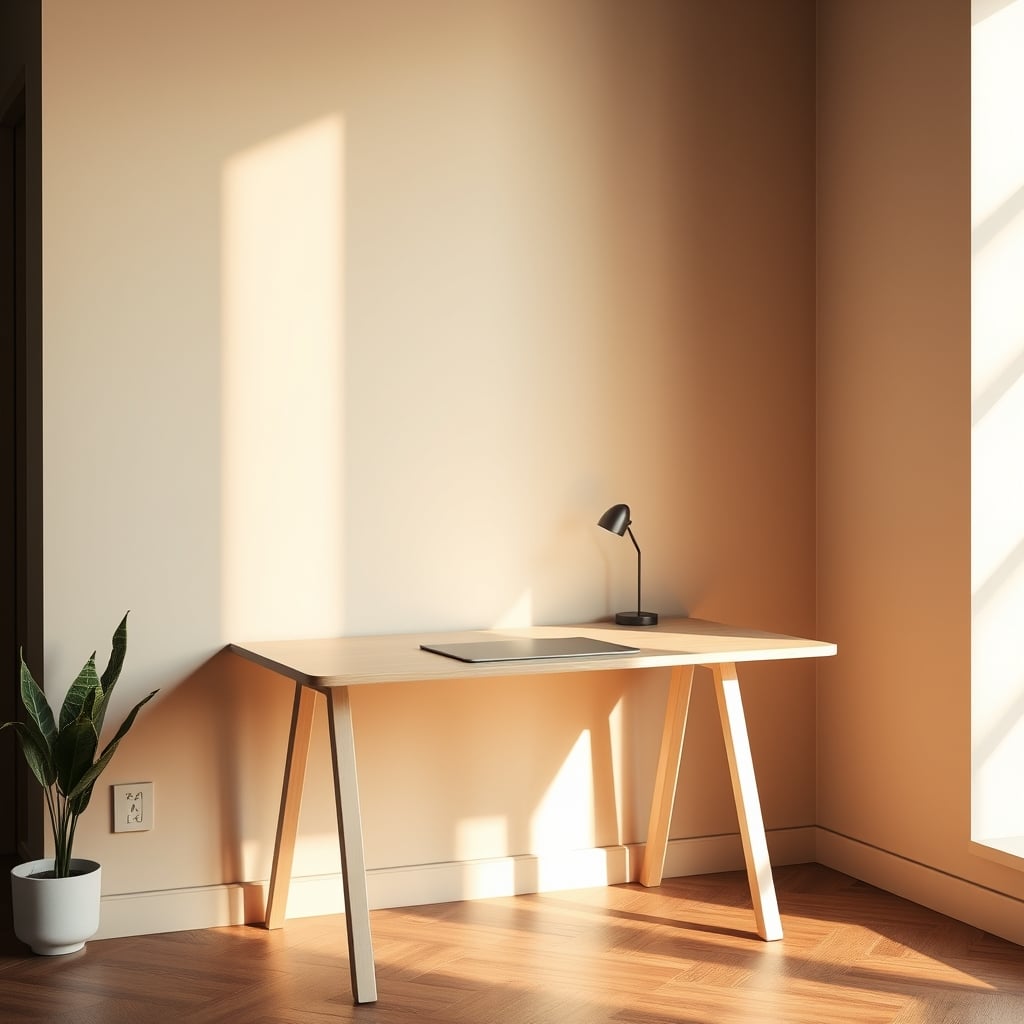
Furthermore, these desks are almost universally wobbly. The folding mechanisms and wall-mounted cantilever designs are inherently less stable than a standard leg. Try doing any precise mouse work or even typing at speed on a surface that has a slight flex. It’s infuriating. You're trading stability and permanence for a gimmick. This doesn't work for anyone who actually needs a reliable workspace.
What Actually Works: The Small but Efficient Desk
The solution isn't to abandon small spaces. It's to abandon the foolish pursuit of "ultra" compact. Shift your goal from "as tiny as possible" to "as efficient as possible within my constraints." This is a fundamental mindset shift that changes everything.
Aim for a depth of at least 24 inches and a width of at least 36 inches. This is the absolute minimum baseline for a functional single-monitor workstation that can accommodate a keyboard, mouse, and a notebook or your phone. It's not "ultra compact," it's appropriately compact. This small but real footprint allows for monitor arms (which free up the desk surface), proper arm positioning, and a sliver of breathing room.
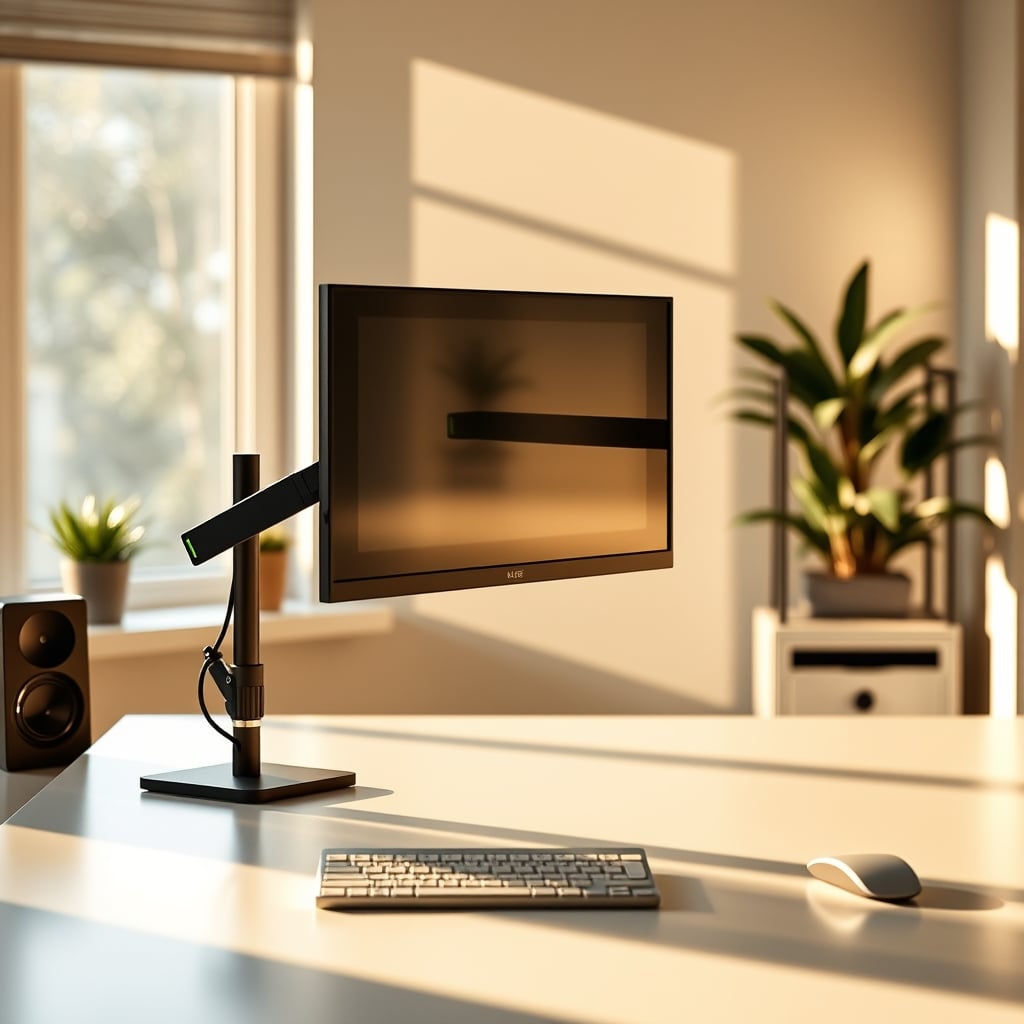
Vertical space is your new best friend. The goal is to get everything possible off the desk surface. This means using a sturdy monitor arm, mounting power strips underneath the desk, using a headphone hook on the side, and employing shelves or wall-mounted organizers for items you don't need constantly. The desk surface itself should be for active, in-progress items only. This approach, outlined in our guide on Maximalist Desk Setup Is the 2026 Productivity Hack You're Ignoring, uses verticality to compensate for limited horizontality.
The One Product That Doesn't Suck (And Why)
Most wall-mounted or tiny desks are garbage. They're made from particle board, have flimsy folding mechanisms, and will sag within a year. However, if you are absolutely wedded to the wall-mounted concept for spatial reasons (like in a true tiny house or a converted closet), there is one category that offers a sliver of dignity: the solid wood, fixed-wall floating desk.
These are not fold-up toys. They are sturdy, shallow-depth shelves (like 20 inches deep) that are permanently mounted to wall studs. They provide a stable, non-folding surface. The key is to pair them aggressively with a monitor arm and to accept that they are a keyboard-and-mouse-only surface. Your laptop or tablet stands on a shelf above. Your workflow is vertically stacked, not horizontally spread. This is less of a "desk" and more of a "control panel." It's a compromise, but it's a stable, honest one that doesn't pretend to be something it's not. For proper cable management in this scenario, you need real solutions, not the scams we expose in Cable Management Scams Exposed In 2026.
The Biggest Mistakes You're Making Right Now
- Prioritizing Width Over Depth: A 48-inch wide but 18-inch deep desk is useless. Depth is far more critical for monitor distance and arm comfort. Fight for depth first.
- Ignoring Monitor Arms: This is the single biggest upgrade for a small desk. A good arm gets your screen off the stand, freeing up a huge amount of space. Don't buy a cheap, wobbly one either—it defeats the purpose. Most people get this wrong and suffer for it.
- Trying to Fit Everything On One Surface: Your desk doesn't need to hold your printer, your notebook collection, your speaker system, and your action figure army. Use walls, shelves, and carts. The desk is the cockpit, not the entire hangar.
- Assuming Wireless Solves Everything: Wireless keyboards and mice still need receivers or charging. Wireless charging pads take up space. This "cord-free" dream often adds more clutter than it removes. Slow wireless charging, as we've said, is a glorified nightstand gadget, not a desk solution.
Final Verdict: Overrated and Often Harmful
The hype around ultra compact desks in 2026 is not just overrated—it's often a direct path to a worse work experience and physical discomfort. The industry is selling you a aesthetic fantasy that conflicts with the physical and cognitive realities of focused work.
Skip it. Do not buy into the lie that less space equals more mind. Instead, fight for every inch of a properly sized small desk—aim for that 36"x24" minimum—and invest ruthlessly in vertical storage and a quality monitor arm. Your back, your focus, and your actual output will thank you. The brutal truth is that if your space is too small for a real desk, you need to address your space, not buy a pretend one.
Frequently Asked Questions
What is the minimum desk size for healthy ergonomics?
The absolute bare minimum for a single-monitor, keyboard-and-mouse setup is 36 inches wide by 24 inches deep. Anything less, and you will compromise screen distance, arm position, and have zero space for a notepad or reference material.
Are wall-mounted folding desks a good idea?
No. They are overrated. The folding mechanism adds friction to starting work, they are almost always less stable, and they create an awkward blank space on your wall. They teach you to avoid your workspace. Opt for a fixed, sturdy floating shelf if you must mount to the wall.
Can a monitor arm really save space on a small desk?
Yes, it's the most impactful single upgrade. A quality arm removes the monitor's large base from your desk, freeing up the entire area beneath the screen. However, a cheap, wobbly arm is worse than a stand. Most people get this wrong and buy flimsy arms that ruin the experience.
Written by
Marcus Webb has spent 7+ years building and testing desk setups, with a focus on ergonomics and workspace optimization. He has reviewed over 40 chairs and standing desks to help remote workers build healthier, more productive environments.
Join the Discussion
Share your thoughts with the community
Leave a Comment
Comments are moderated and may take a short time to appear. Links are not permitted.