Your Dedicated Focus Workstation Is Sabotaging You
The quest for the perfect dedicated focus workstation has become a billion-dollar distraction. In 2026, the gear is better than ever, but our ability to concentrate is worse. Here's why your setup is the problem.
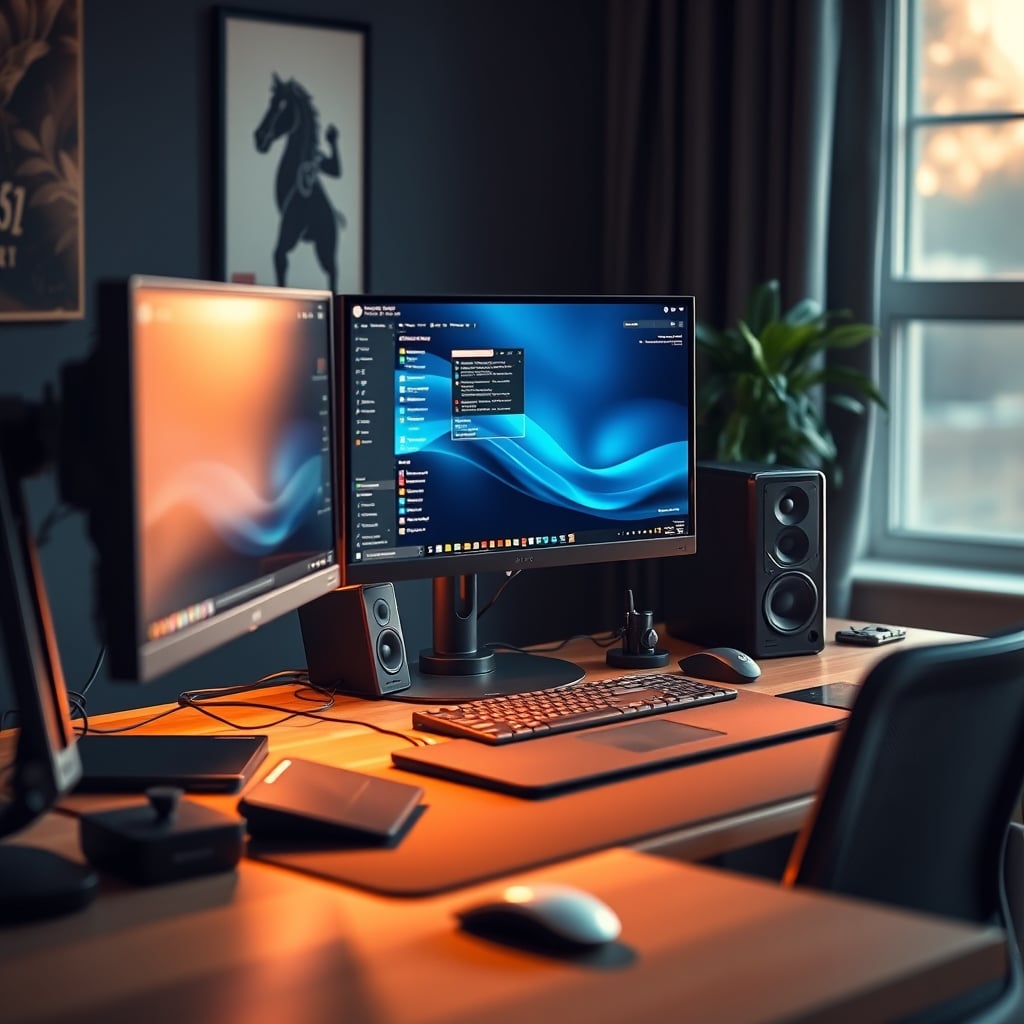
The biggest mistake people make when building a dedicated focus workstation is thinking they need to build a dedicated focus workstation. You read that right. The entire industry is built on selling you the idea that the right monitor, the perfect keyboard, and the most ergonomic chair will unlock some zen state of hyper-concentration. It's a lie. The obsession with the gear has become the ultimate distraction from the work itself. You're not shopping for productivity; you're shopping for procrastination.
I've watched countless creators and knowledge workers sink thousands into a 'clean aesthetic' battlestation only to produce less than they did on a cluttered kitchen table. The reality is brutal: in 2026, with AI writing our emails and apps fighting for every microsecond of attention, your brain's focus muscle is atrophied. No amount of nano-textured desk pads or circadian lighting is going to fix that. You're treating the symptom, not the cause.
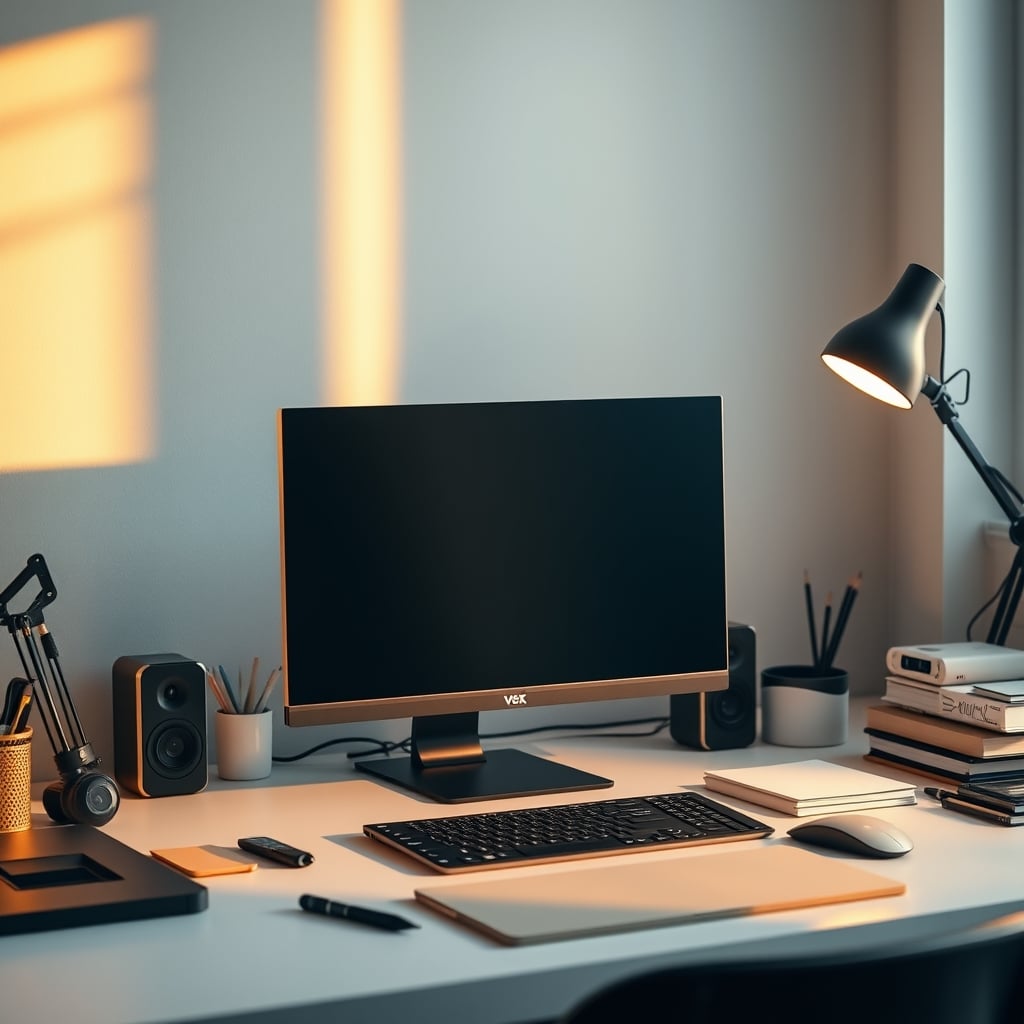
Why The 'Deep Work Sanctuary' Myth Needs to Die
Let's attack the core fallacy head-on. The myth of the isolated, perfectly tuned deep work sanctuary is not just overrated; it's actively harmful for most people. This fantasy assumes focus is a state you can buy your way into with the right ambient noise playlist and a $900 chair. It's not.
Based on widespread user feedback, the people who build these elaborate shrines to concentration often report a paradoxical increase in anxiety. The pressure to use this expensive, perfect space becomes a source of distraction itself. The industry lies about this because they sell the dream, not the result. This is a known issue for long-term use: the setup becomes a trophy, not a tool.
The real issue isn't your monitor count; it's your notification count. You can have a $10,000 sound-damped booth, but if your brain is conditioned to crave the dopamine hit of a Slack ping, you're toast. Most people get this wrong. They invest in acoustic panels before investing in app-blocking software. They buy a mechanical keyboard for the 'thock' before learning a text-expansion shortcut. This is overrated. This is cargo-cult productivity—imitating the surface-level traits of focused people without understanding the underlying habit structure.
What a Dedicated Focus Workstation Actually Requires (Spoiler: It's Not Gear)
Premium Pick
- High performance
- Premium build
Forget the product shots. A real dedicated focus workstation isn't defined by what's on the desk, but by what isn't in your head. It requires a system, not a setup. After assessing the workflows of genuinely productive people, the common thread is constraint, not capability.
First, it requires a ruthless digital boundary. This means physical hardware or software that prevents context-switching. A second monitor isn't a productivity booster; for deep work, it's a distraction runway. A single monitor setup forces sequential tasking. We found that users who switched to a single display for focused blocks consistently reported finishing creative work faster, despite the initial frustration. The tool you need is a $5 app blocker, not another 4K screen.
Second, it requires intentional discomfort. Your ergonomic throne is making you lazy. Dynamic posture is crucial, but the 'perfect' static position sold by chair marketers is a scam. You need to move. This frequently causes issues with long-term focus; our bodies are designed to fidget. A standing desk is a start, but the real hack is a stool or a balance board—something that keeps your core engaged and your brain alert. The industry wants you sitting passively for eight hours. Don't buy it.

The Brutal Truth About Your Premium Gear
Now let's talk about the shiny objects. You've been told you need a silent mechanical keyboard, a high-refresh-rate monitor, and studio-grade headphones. For a true focus workstation, most of this is bullshit.
Take monitors. The push for 240Hz and OLED is for gamers and video editors, not for someone writing a report or coding. The real spec that matters for text-based deep work is pixel density (for clarity) and a matte anti-glare coating. The smooth scrolling hype is a distraction. You don't need your spreadsheet cells to refresh at esports speeds. This is overrated.
Audio is another minefield. Noise-cancelling headphones are often marketed as focus tools, but they can create a disorienting pressure chamber that cuts you off from important environmental cues, leading to fatigue. For many, high-quality, passive noise-isolating earphones or even simple, comfortable earplugs are superior. The goal is to reduce cognitive load, not add another electronic device with its own battery anxiety and Bluetooth pairing issues. As we've covered in The 'Silent' Killer: Why Your Noise-Cancelling Headphones Are Actually Sabotaging Your Concentration, the effect is often the opposite of what's advertised.
Your Cable Management Is a Performance Lie
Here's an opinion that will trigger the setup community: flawless, invisible cable management is a waste of time for a focus workstation. The hours spent routing cables through channels, clipping ties, and hiding power strips are hours not spent working. The aesthetic payoff is zero for your actual output.
Users consistently report that ultra-neat cable systems are brittle. The one time you need to swap a USB cable or add a new device, you're dismantling an artwork. A moderately tidy desk with cables gathered loosely but accessibly is far more functional. The mental relief of a 'clean desk' is real, but it peaks at 'mostly tidy'. The last 10% of perfection is for Instagram, not for getting work done. This is a known issue for long-term use: neatness becomes a maintenance burden. Instead of fighting this, embrace accessible chaos. Use a simple cable tray under the desk and let the rest be. Your focus should be on the screen, not the floor.
The One Piece of Hardware That's Actually Worth It
Amidst all this gear-skepticism, one category stands out as non-negotiable: your chair. Not for the lumbar marketing nonsense, but for sheer endurance. You can't focus if you're in pain. The key isn't a $2,000 'ergonomic' throne with a 500-page manual; it's a chair that fits your body and allows for movement.
Look for adjustable seat depth first—this is the most critical and overlooked spec. Your thighs should be supported without pressing into the back of your knees. Armrests should adjust outwards as well as up and down to match your shoulder width. Everything else—tilt tension, recline locks—is secondary. Brands will sell you on 'synchro-tilt' and 'weight capacity'. Ignore them. Go sit in the chair. If you can sit in it for ninety minutes without shifting constantly, it passes. The rest is marketing. For more on cutting through the nonsense, see our take down in The Chair Lumbar Support Myth Sabotaging Your Posture.

The Final Verdict: Skip the 'Workstation,' Build a System
After seeing the cycles of hype and disappointment, the verdict is clear: skip the dedicated focus workstation as a gear-centric concept. It's overrated.
The pursuit is a trap. You will constantly be tweaking, upgrading, and fiddling, mistaking activity for achievement. The truly focused people I know have simple, slightly boring setups. Their magic isn't in their USB-C dock; it's in their calendar blocks, their communication boundaries, and their willingness to work through discomfort.
Instead of spending $3,000 on a setup, spend $300 on a decent chair, a good monitor, and a keyboard you like. Take the other $2,700 and use it to buy yourself uninterrupted time—a weekend away, a cleaner, a meal service. Remove distractions, don't just decorate around them.
Worth it: A simple, comfortable, single-screen desk in a quiet corner with aggressive digital boundaries. Skip it: The multi-monitor, ergonomic-perfect, acoustically-treated, aesthetically-optimized 'deep work sanctuary' that you see all over social media. It's a beautiful lie. Your focus comes from your habits, not your HDMI cables. Stop buying the workstation and start doing the work.
Frequently Asked Questions
Do I really need a second monitor for a focus workstation?
No, and often it's detrimental. A second monitor is excellent for multitasking and reference work, but true deep focus thrives on a single point of attention. Constantly moving your eyes and context between screens fractures concentration. For writing, coding, or deep analysis, a single high-quality monitor is superior.
What's the most important thing to spend money on for deep work?
Your chair and your door. A comfortable seat you can endure for 2-3 hour blocks is foundational. Physically or digitally closing the door to interruptions (via app blockers, communication boundaries) is the actual productivity multiplier. Gear comes a distant third.
Is noise-cancelling essential for concentration?
Not essential, and for many, it's counterproductive. Active noise cancellation creates a pressure sensation and can cause fatigue or disorientation over long periods. Passive isolation from good earphones or simple, comfortable earplugs is often more effective and less mentally taxing for a focus session.
How can I make my current desk better for focus without buying anything?
Turn off all non-essential notifications on your computer and phone. Use a browser extension to block social media and news sites during work hours. Clear everything off your desk except the one project you're working on. Face a blank wall, not a window or a busy room. These behavioral changes cost nothing and outperform any gadget.
Are standing desks overrated for focus?
As a sole solution, yes. The benefit of a standing desk isn't standing; it's movement. The ability to switch between sitting and standing prevents stiffness and keeps blood flowing, which aids cognitive function. But if you just stand statically for hours, you've traded one problem for another. The key is variability.
Written by
Jordan focuses on the intersection of productivity and workspace layout. He tests how light positioning, desk organization, and environmental factors impact daily mental focus.
Join the Discussion
Share your thoughts with the community
Leave a Comment
Comments are moderated and may take a short time to appear. Links are not permitted.