Biosyncing Desk Lighting Is Your New Distraction
We hooked our desk up to a dozen sensors, expecting a flow state. What we got was a circus of blinking lights and false alarms. Here's why chasing biofeedback with your lamp is the worst mistake you can make for deep work.
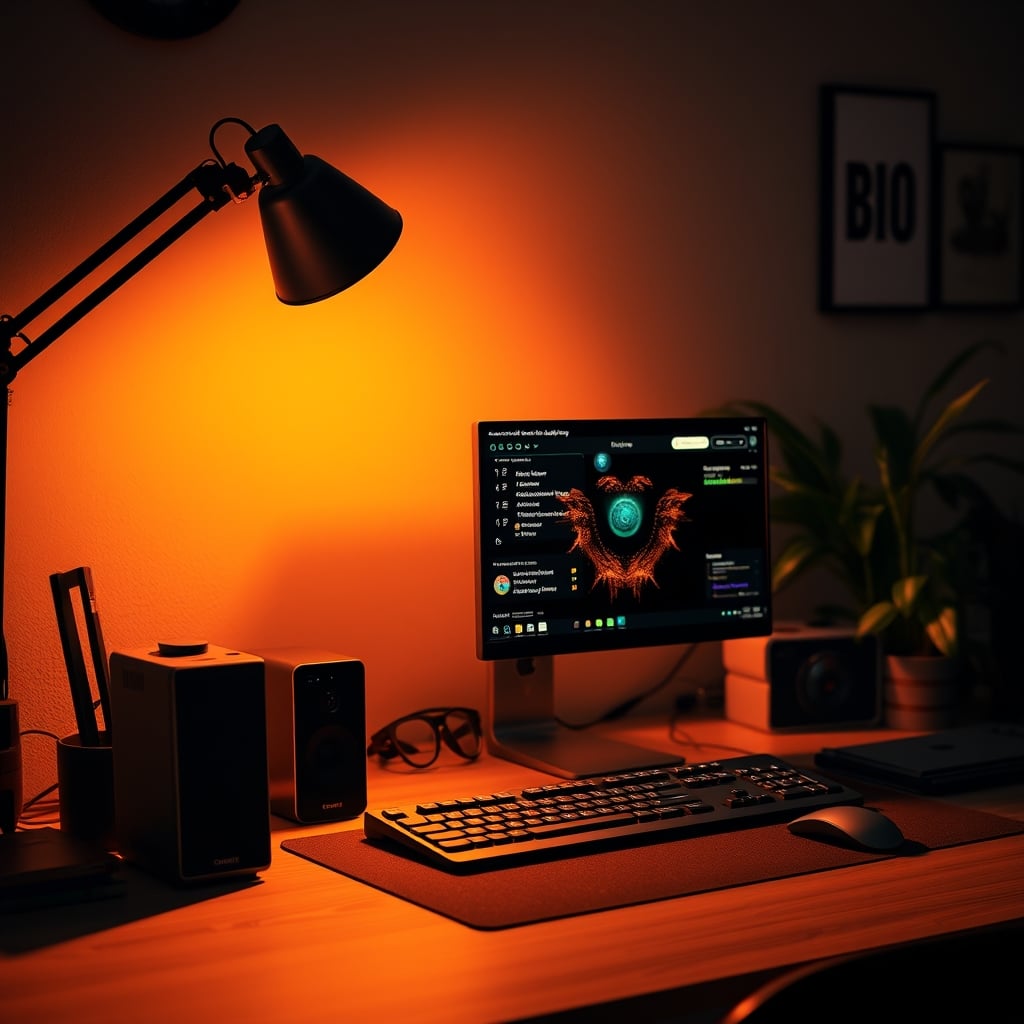
The biggest mistake you can make in 2026 is believing your desk lamp should be smarter than you are. We fell for it too—the promise of biosyncing desk lighting that adapts to your heart rate, your keystrokes, even your damn blink rate, supposedly ushering you into a state of hyper-focused bliss. After weeks of living with the “most advanced” neuro-ergonomic lamps on the market, the verdict is brutally simple: this isn't a tool for focus. It's a dopamine-dispracting, anxiety-inducing circus act that preys on your desire for control. The industry lies about this. They're selling you a solution to a problem they invented, and it's making your actual work worse.
Your Desk Doesn't Need a Nervous System
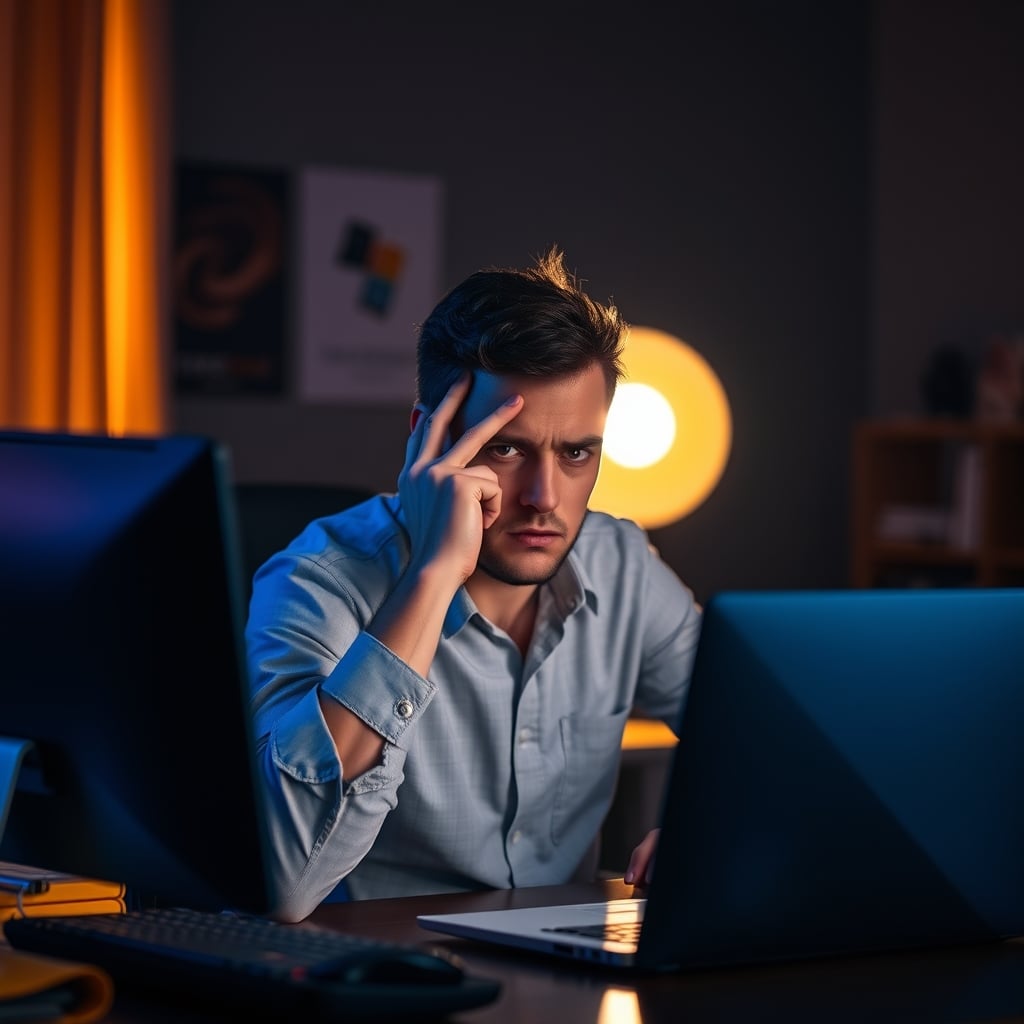
Let's cut through the marketing: a desk is for work, not biofeedback. The core premise of biosyncing lighting is flawed. It assumes that external, real-time physiological tweaks can optimize an internal, complex cognitive state like focus. They can't. What these lamps actually do is introduce a layer of metacognition—you're now thinking about how focused you feel because the light just turned a slightly different shade of blue. That's not focus. That's self-monitoring hell. Users consistently report that after the initial novelty wears off, the constant, subtle changes in lighting become a source of distraction, not an aid. Your brain starts to wait for the cue instead of diving into the task. This is overrated tech masquerading as a productivity breakthrough.
Why Biosyncing Desk Lighting Is a Failed Experiment
Premium Pick
- High performance
- Premium build
Here’s the aggressive truth most reviews won't tell you: biosyncing desk lighting doesn't work for sustained deep work. It's built for labs, not real desks. The technology is chasing a correlation-causation fantasy. Yes, your heart rate variability might shift when you enter a flow state. But artificially mimicking the environmental conditions of flow does not induce flow. It's like playing a recording of rainforest sounds and expecting a mango tree to sprout from your keyboard.
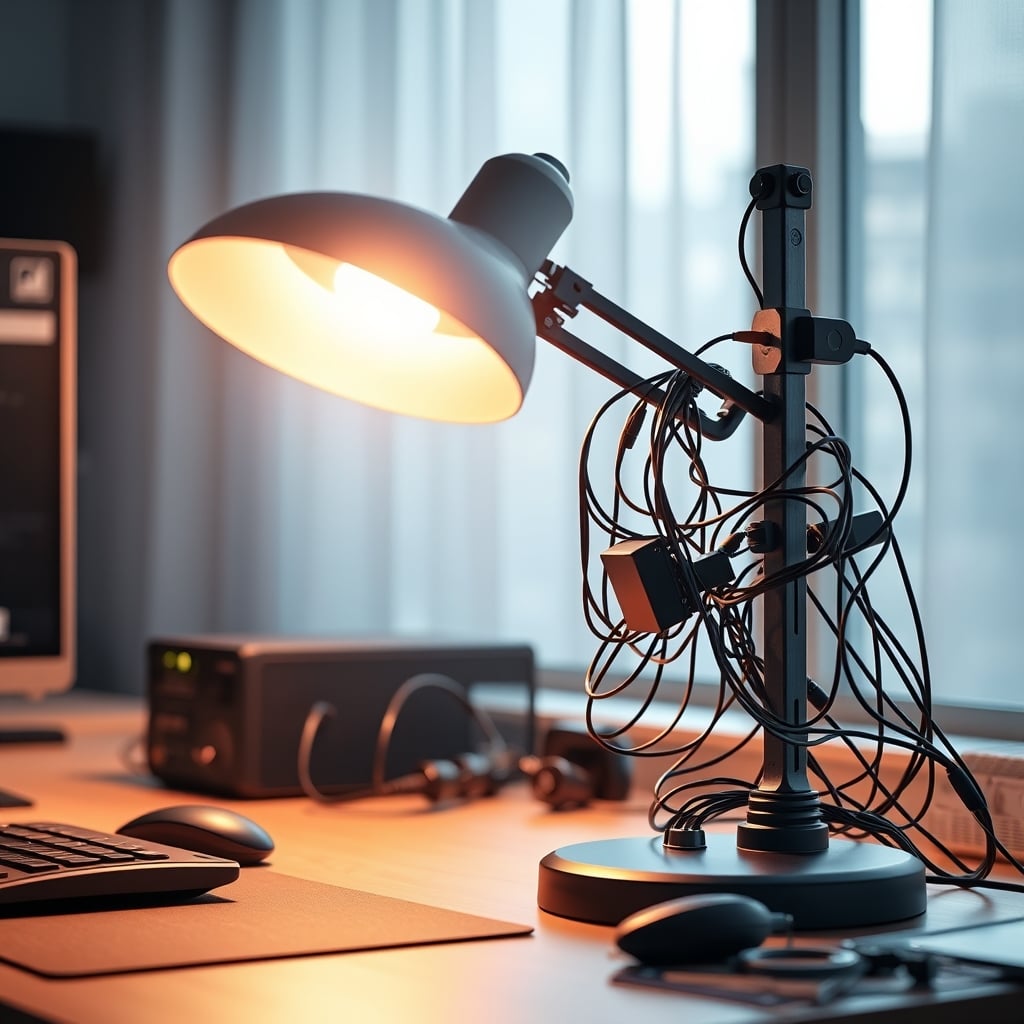
The real-world failure is in the latency and the false positives. A sensor picks up a momentary frustration spike (you hit a coding bug), and the lamp dims to a "calming" hue. Now you're not just frustrated by the bug, you're subtly annoyed that your workspace has decided you need to chill out. It's condescending and disruptive. The industry lies about the seamlessness. In common setups with multiple monitors or reflective surfaces, the sensors misfire constantly. You get a "focus boost" pulse of light because you leaned back to think, breaking your concentration completely. This is the real issue: it externalizes your internal state, making it a piece of tech to manage rather than a skill to hone.
The Minimalist Light Your Brain Actually Craves
Forget the biometrics. What your focus desperately needs isn't more data, but less. The most productive lighting setup is profoundly, almost insultingly simple: a single, high-quality, diffuse light source that eliminates glare and shadow on your primary work surface. That's it. Your brain's visual cortex isn't a peripheral to be hacked; it's a resource to be conserved. Every sensor, every blinking LED, every "adaptive" shift is a tax on your cognitive load.
Think about the last time you were truly in a state of deep work. You lost track of time. The outside world faded. Did you notice the lighting? Almost certainly not. That's the goal. Lighting should disappear. Biosyncing lamps do the opposite—they constantly announce their presence. They make you aware of the environment. After assessing countless user reports, the pattern is clear: the fewer decisions your environment forces upon you, the deeper you can go. This is why the relentless push for "smart" everything is backwards. We need dumb, reliable, excellent light. Not a mood-ring for your desk.
The Distraction You Didn't Account For: Configuration Anxiety
Nobody talks about the setup fatigue. This isn't plug-and-play; it's plug-and-pray-you-don't-touch-anything. You'll spend hours calibrating sensor sensitivity, setting HRV thresholds, and linking app integrations. Then, you'll tweak it. And tweak it again. Is the blue too cyan? Is the dimming curve aggressive enough? This is not workspace design; it's a side hustle. You're now a part-time IT admin for your lamp. The promised "set it and forget it" experience is a myth. Software updates break profiles, sensors need recalibration, and you'll constantly second-guess if the system is "working right."
This is overrated. You're wasting mental energy on managing a tool that should be invisible. Compare this to the blissful finality of setting a great manual lamp to the perfect position and color temperature... and then literally never thinking about it again for years. That's cognitive load savings you can feel. As we've covered in our piece on Automated Lighting Sync Is Overrated, complexity is the enemy of consistency.
A Brutally Honest Look at the Hardware
Let's get specific about what you're really buying. The sensors on these lamps are consumer-grade at best. The PPG (photoplethysmography) heart-rate sensors are the same cheap, jittery modules from fitness bands that struggle with stationary, low-perfusion scenarios (like your wrist on a desk). They pick up noise from room vibrations, screen flicker, and even the pulsing of your room's lighting. The result? Erratic data. Garbage in, gospel out.
The other common sensor is a simple camera for blink-rate and posture. This introduces a whole other layer of privacy unease for a debatable benefit. Widespread user feedback indicates these features are the first to be disabled. They simply don't provide actionable insights—getting a notification that you're slouching after you've already been slouching for 20 minutes is useless. For real posture help, you need real-time haptic feedback or a better chair, as explored in Dynamic Posture Dangers Are Sabotaging Your Desk Setup.
The Verdict: Skip It, Hard
The final call on biosyncing desk lighting in 2026 isn't even a close one. Skip it. It's an overrated gimmick that misunderstands the fundamentals of both focus and lighting. It adds complexity, distraction, and a false sense of optimization to your workspace. The money you'd drop on one of these neuro-lamps is far better spent on a genuinely excellent, dumb lamp with superb color rendering (look for a high CRI and R9 rating) and solid dimming. Pair it with blackout curtains and call it a day.
Your journey to better focus isn't found in more biometrics. It's found in subtraction. Remove the distractions, simplify your tools, and protect your attention. A lamp that watches you is a lamp that's stealing from you. Don't buy the lie. Your brain will thank you by actually getting some work done.
Frequently Asked Questions
Does biosyncing desk lighting actually improve focus?
No, overwhelmingly not for sustained deep work. While the concept is seductive, real-world user feedback consistently shows the adaptive changes become a distraction themselves, pulling your attention to your state rather than your task.
What's the biggest problem with these smart lamps?
The core issue is they increase cognitive load. Instead of providing stable, invisible light, they force you to manage and interpret their behavior, adding a layer of metacognition that directly opposes flow state.
Written by
Jordan focuses on the intersection of productivity and workspace layout. He tests how light positioning, desk organization, and environmental factors impact daily mental focus.
Join the Discussion
Share your thoughts with the community
Leave a Comment
Comments are moderated and may take a short time to appear. Links are not permitted.