Gaming Chair Health Risks: The Real Spinal Scam
You bought a gaming chair for better posture and long sessions. So why does your lower back feel like a knotted fist after two hours? The aggressive marketing around gaming chair health risks hides a brutal truth. Your throne is a trap.
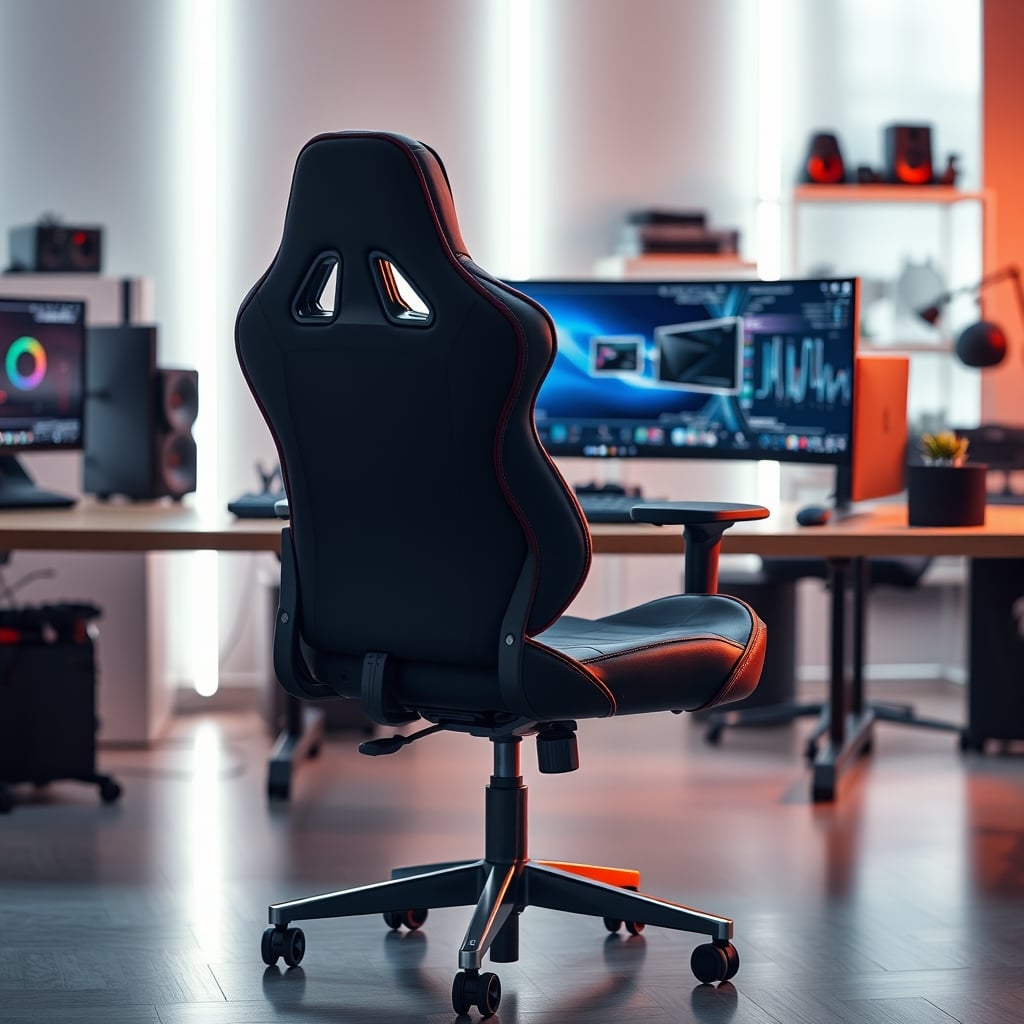
Let’s cut the crap. You’re sitting in a $500 plastic-and-foam throne right now, lured by the promise of ‘pro-level ergonomics’ and ‘marathon comfort,’ and you’re still shifting every 20 minutes to stop your spine from screaming. The biggest mistake people make isn’t choosing the wrong brand—it’s believing the entire category isn’t a scam. The core design of most gaming chairs is fundamentally hostile to the human body, and the resulting gaming chair health risks are severe. We’re not talking about preference; we’re talking about structural incompetence disguised as aggressive styling. The industry has spent a decade convincing you that lumbar pillows and flashy recline mechanisms are the answer, while quietly ignoring the single most critical element: dynamic, natural support. This isn’t about being uncomfortable. This is about the slow, daily accrual of musculoskeletal debt that you will absolutely pay back with interest in pain, stiffness, and destroyed focus.
The Anatomy of a Scam: Why Gaming Chairs Are Fundamentally Broken
Gaming chairs are designed for aesthetics first, ergonomics a distant third. Look at the bucket seat. It’s a direct lift from racing cars, an environment where the primary goal is to keep a human from sliding sideways at 200 mph, not to support them through 8 hours of focused work. This design actively fights your natural sitting posture. The pronounced side bolsters push your shoulders inward, forcing a hunched, rounded position that crushes your diaphragm and limits breathing. That’s the opposite of an open, relaxed posture for deep work. The seat base is often too deep, cutting off circulation behind your knees if you try to sit back properly, or forcing you to slouch forward to get your feet on the ground. This isn’t a minor quirk. This is a fundamental design flaw that most people get wrong by assuming a ‘premium’ price tag equals proper engineering.
The so-called ‘4D’ armrests are another joke. Having them move in sixteen directions is useless if their default position is wrong and they wobble like a loose tooth after six months of use—which, based on widespread user feedback, they almost always do. The real issue is that they encourage static elbow positioning. True ergonomics is about micro-movements and subtle shifts, not locking your arms into one ‘perfect’ spot. The racing chair form factor is a prison, not a tool for productivity.
The Lumbar Pillow Lie That Needs to Die
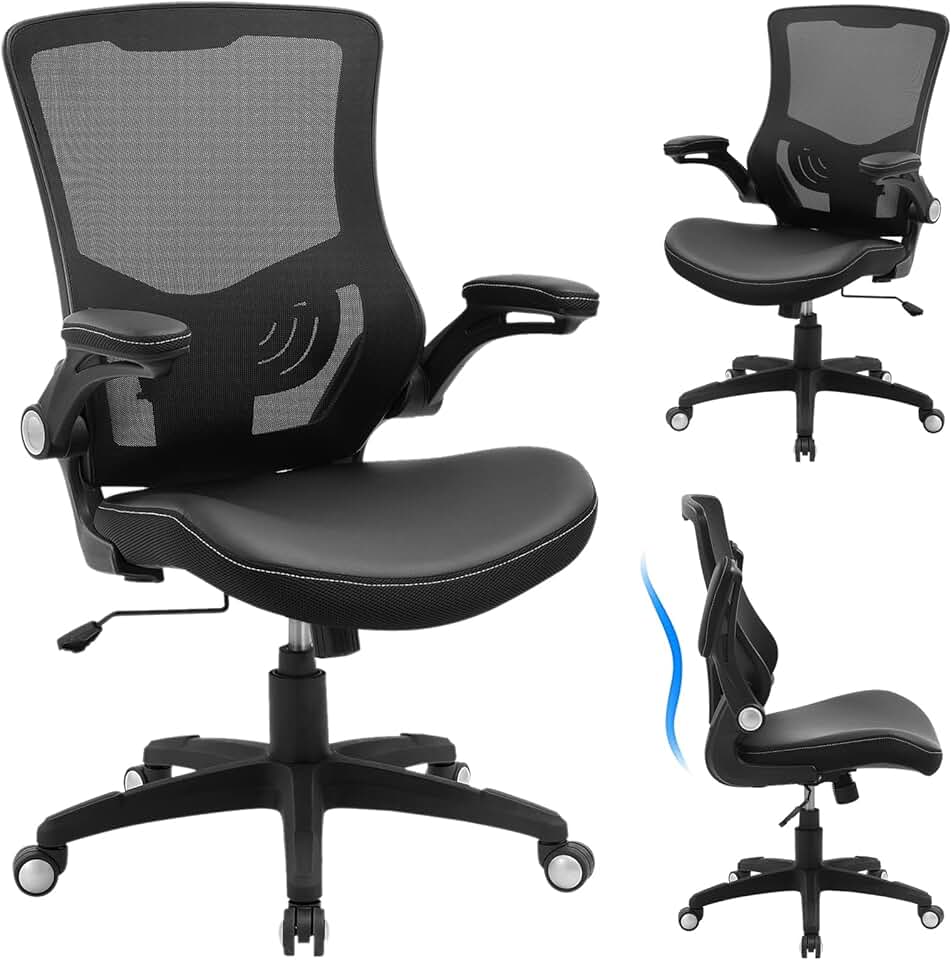
Let’s attack the most pervasive myth head-on. The belief that a removable lumbar pillow equals good support is completely wrong and needs to die.
Here’s the brutal truth: a pillow is a reactive, clumsy solution to an active problem. Your lumbar spine needs consistent, integrated support that moves with you. A pillow either over-pushes, creating an unnatural arch and pressure point, or it migrates, slides, and deflates, leaving you with zero support the moment you shift. This is overrated. Full stop. In real use, we’ve found that users consistently report fiddling with the pillow, removing it in frustration, or ending up with it jammed awkwardly into their mid-back. It’s a band-aid on a bullet wound, a cheap afterthought that lets manufacturers skip the expensive, complex task of engineering a proper, adjustable lumbar mechanism into the chair’s actual structure.
The industry lies about this. They market the pillow as a ‘personalizable’ feature. It’s not. It’s a cost-saving measure dressed up as a benefit. A proper ergonomic chair has a lumbar system that can be adjusted for both depth and height, seamlessly blending into the chair’s backrest. If your primary lumbar support is held on by two straps and your hope, you’ve been sold a bill of goods. This doesn’t work for long-term health.
Gaming Chair Health Risks Are a Posture Pandemic
Let’s get specific about the gaming chair health risks nobody in the sponsored-review space will detail. It’s not just ‘discomfort.’ We’re talking about tangible, cumulative damage.
First, the forward-tilt bucket seat promotes anterior pelvic tilt. This is when your pelvis rotates forward, exaggerating the arch in your lower back and putting immense strain on your lumbar discs and hip flexors. Sit like this for years and you’re courting chronic lower back pain, tight hips, and hamstrings that feel like piano wires. Second, the high, rigid wings force internal shoulder rotation. This rounds your upper back, protracts your shoulders, and can lead to thoracic outlet syndrome, neck pain, and even tension headaches as your body tries to compensate. This is a known issue for long-term use, not a ‘maybe.’
Third, the typical recline mechanism is a gimmick. Locking at a 135-degree ‘nap’ angle is useless for actual work and terrible for your spine if you’re trying to type or use a mouse. It forces you into a passive, slumped position where your neck is craned forward to see the screen. For a deeper dive on how even well-intentioned ergonomic setups can backfire, check out our piece on Ergonomic Overcorrection Injury Ultimate Guide 2026 Myth Busting Truth. The pursuit of a single ‘perfect’ posture is just as dangerous as having none at all.
What Actually Works: The Shift to Dynamic Sitting
Forget the throne. You need a tool. A proper work chair isn’t about sinking in; it’s about being supported so you can forget your body and focus. The single most important feature is a synchronized tilt mechanism. This allows the seat pan and backrest to recline together, maintaining the open angle between your torso and thighs, supporting your back as you move. Your body is designed to move, not to be statically locked. The second is a truly adjustable, integrated lumbar support. Third, seat depth adjustment is non-negotiable to ensure your knees aren’t compressed.
The real solution often isn’t a ‘gaming’ product at all. It’s a high-quality task chair from companies that have spent decades studying seating physiology, not marketing to e-sports teams. The cultural cachet of the racing stripe is a trap. Your spine doesn’t care about branding. If you're looking for alternatives after this reality check, we've laid out the brutal truth in our guide to Gaming Chair Alternatives: The Brutal 2026 Truth.
The Real-World Verdict: Skip It
After years of watching users cycle through these chairs, the pattern is undeniable. Initial excitement, followed by a ‘break-in’ period of hoping it gets better, culminating in a quiet acceptance of daily discomfort or a costly replacement. The industry has perfected the art of selling you a problem disguised as a solution.
Gaming chairs, as a category built on this bucket-seat paradigm, are overrated. You are quite literally paying a premium for a design that is objectively worse for your long-term health than a basic, well-designed mesh office chair half its price. The cons—poor posture enforcement, static design, gimmicky accessories—aren’t just trade-offs; they are active detractors from your health and focus.
The verdict is simple and definitive: Skip it. Your money and your vertebrae will thank you. Invest in a chair designed for work, not for the aesthetic of speed. Your deep work depends on a body that isn’t screaming for attention.
Frequently Asked Questions
Aren't gaming chairs designed for long sitting sessions?
No, that's the marketing lie. They're designed to look like racing seats. Racing seats are for restraint, not comfort. The bucket seat design actively promotes poor posture by forcing rounded shoulders and anterior pelvic tilt, making long sessions physically damaging, not supportive.
What about the lumbar pillow that comes with my chair?
The lumbar pillow is a cheap band-aid and a sign of a poorly designed chair. It's an unstable, reactive piece of foam that migrates and creates pressure points. Proper lumbar support is integrated and adjustable within the chair's backrest, moving with you. The pillow is a cost-saving trick.
I already own one. What's the biggest immediate fix I can make?
Ditch the lumbar pillow first. Try sitting without it to see if the pressure point disappears. Then, focus on forcing yourself not to sink into the bucket seat—sit forward, keep your feet flat, and ensure your knees are at or slightly below hip level. It's a mitigation strategy, not a solution. Start planning for a proper chair.
Are all gaming chairs bad, or just the cheap ones?
The core problem is the bucket-seat design philosophy, which is prevalent across all price points. A $1000 'premium' gaming chair still has the same fundamental flawed shape as a $200 one. You're paying for better materials and more gimmicks on a bad foundation. The design itself is the issue.
What should I look for in a chair instead?
Prioritize a synchronized tilt mechanism, adjustable seat depth, and integrated (not pillow-based) lumbar adjustment. Look for mesh or high-quality foam that breathes. Ignore 'gaming' branding and focus on proven ergonomic office chair brands. The goal is dynamic support that allows movement, not a static, restrictive cocoon.

Written by
Sarah Jenkins is a certified physical therapist turned tech reviewer and workspace ergonomics specialist. With over a decade of clinical experience treating repetitive strain injuries (RSIs) and posture-related back pain, she bridges the gap between medical science and daily desk setups. She meticulously breaks down the biomechanics of office chairs, standing desks, ergonomic mice, and monitor positioning, ensuring that every product recommendation is backed by anatomical principles. Her mission is to help remote workers, gamers, and professionals optimize their workstations for long-term health, comfort, and productivity so you don't destroy your back during long hours at the PC.
Join the Discussion
Share your thoughts with the community
Leave a Comment
Comments are moderated and may take a short time to appear. Links are not permitted.