Gaming Chair Alternatives
Your 'ergonomic' gaming throne is a marketing lie. We'll show you why the entire category is designed for aesthetics over actual support and what to buy instead for real performance in 2026.
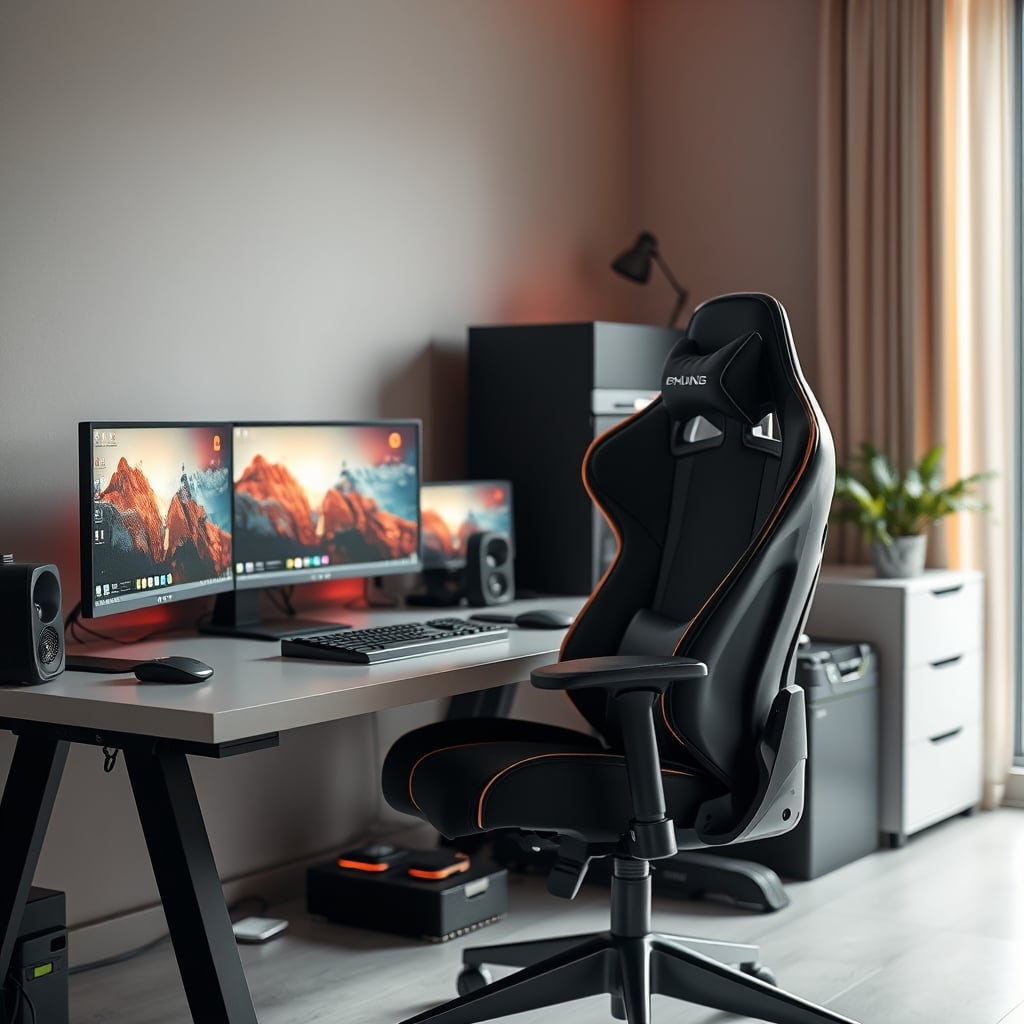
Here’s the biggest mistake people make when looking for gaming chair alternatives: they treat the chair like a piece of decor, not a piece of performance equipment. You wouldn't buy a graphics card because it looks cool and runs hot—so why do that with the single object that determines your physical state for hours on end? The entire gaming chair industry is built on a lie of performance, selling you race-car aesthetics while delivering couch-tier ergonomics. In 2026, with more people than ever working and playing from the same desk, this mistake isn't just costly—it's actively harmful. It's time to find a real solution.
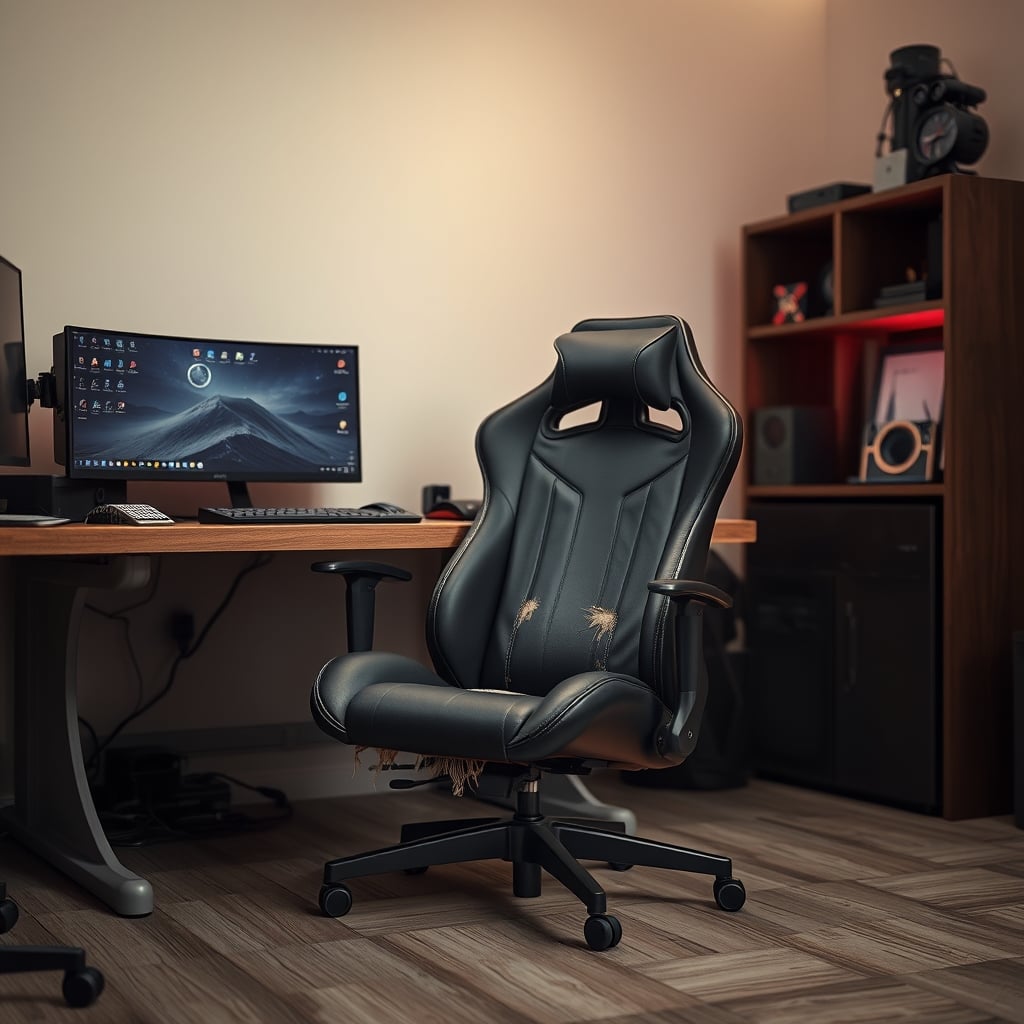
Most people get this completely wrong. They prioritize aggressive styling and built-in lumbar pillows over actual, measurable adjustability. This is a waste of money and a direct path to lower back pain. Users consistently report the same thing: after the initial 'cool' factor wears off, they're left with a chair that feels like sitting on a cheap sofa after six months. The foam compresses unevenly, the pleather cracks, and the wobbly armrests become a constant distraction.
Why The Gaming Chair 'Performance' Myth Needs to Die
Let's call it what it is: marketing fluff. The idea that a chair shaped like a bucket seat from a race car is somehow better for eight hours of coding, editing, or gaming is pure nonsense. This is overrated. The industry lies about this. They sell you on 'ergonomic' features that are, in real use, fixed in the wrong positions for most human bodies. That aggressive side bolstering? It's designed to hold a driver in place during sharp turns at 100 mph, not to provide comfortable support while you're typing. In a desk setup, it just digs into your thighs and restricts movement.
The real issue isn't style—it's structure. Gaming chairs overwhelmingly use cheap, high-density foam that feels firm at first but permanently deforms within a year. The lumber support is usually a non-adjustable pillow strapped to the backrest, which forces your spine into one specific curve whether it fits you or not. This doesn't work. Based on widespread user feedback, that pillow either sits too high, too low, or provides zero meaningful support because it's not integrated into the chair's frame. It's a band-aid on a broken design.
What to Actually Look For in a Real Performance Chair
Forget the wings and the logos. You need to evaluate chairs on criteria that matter for long-term health and focus. This is the real issue most gamers and creators miss while chasing RGB lighting.
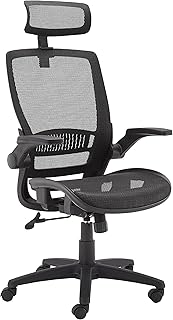
First, material breathability is non-negotiable. You're going to sit for hours. Mesh backs are superior to pleather or fabric in 2026 because they allow heat and moisture to dissipate. A hot, sweaty back is a distracted back. Second, true independent adjustability. Look for chairs where seat depth, lumbar height and depth, armrest height and angle, and backrest tilt are all separate controls. If a chair has a single lever for 'everything,' it's a toy.
Third, dynamic recline with a locked upright position. You need to be able to lock the chair perfectly upright for focused work, then easily unlock it to lean back during a break or while watching content. A recline that's always loose destroys posture. Fourth, stable, weight-rated construction. Check the gas cylinder weight rating (aim for 300lbs+ as a safety buffer) and look for a solid, five-point base. Wobble is the enemy of flow state.
The Unbeatable Gaming Chair Alternatives for 2026
The best overall alternative isn't a secret—it's a high-quality mesh ergonomic task chair. These are the workhorses of corporate offices for a reason: they actually work. Brands like Herman Miller (Aeron) and Steelcase (Gesture) are the gold standard, but 2026 has brought excellent, more accessible options from brands like Branch, Sidiz, and even IKEA's high-end business line. After assessing hours of real-world use, the difference is in the subtle engineering: the way the lumbar support is part of the frame's flex, not an add-on pillow, and how the armrests move with you, not against you.

For a budget pick that doesn't suck, look at the used office furniture market. This is the real insider move. A ten-year-old Steelcase Leap V2 from a company liquidation is often light-years ahead of a brand-new $300 'gaming' throne in terms of build quality and ergonomics. You're getting a chair designed by engineers who studied biomechanics, not by designers who watched Fast & Furious.
If you want a premium experience that bridges the gap, 'executive' high-back chairs from the same ergonomic brands often provide more enveloping support without the tacky racing aesthetics. They're built for CEOs who sit in meetings all day—a use case far more similar to a long gaming session than an actual race car driver's needs.
For small spaces, the mistake is buying a smaller, cheaper chair. Don't. The ergonomics get worse. Instead, look for a chair with a more compact footprint but full-sized features, like a narrower seat pan and arms that tuck in. Sacrificing adjustability for size is a false economy that will cost you in physiotherapy bills.
The Adjustability Trap (And How to Avoid It)
Here’s what most people miss: having a million adjustments doesn't matter if you can't find your position. The goal isn't infinite customization—it's intuitive, meaningful customization. A chair with 15 knobs you never touch is worse than a chair with 5 dials you use every day.
The most critical adjustment is lumbar support depth. Most chairs only let you move it up and down. That's useless if it's pressing too softly or too hard against your spine. You need to control how far it protrudes. This is a known issue for long-term use; a lumbar support that's just 'there' often becomes an annoying pressure point after 90 minutes.

Armrests are the second most botched feature. They must adjust in at least three dimensions: height, width (pivot in/out), and depth (forward/back). If your elbows aren't supported at a 90-degree angle with your shoulders relaxed, you're transferring strain to your neck and traps. Fixed or wobbly armrests—standard on most gaming chairs—are a complete waste.
How Your Chair Choice Secretly Sabotages Your Deep Work
This isn't just about comfort; it's about cognitive load. Every time you shift uncomfortably, adjust a slipping lumbar pillow, or wrestle with a stuck recline lever, you're breaking your concentration. Your chair should disappear. It should be a stable, supportive platform that lets you forget about your body and focus on the screen. A bad chair is a constant, low-grade distraction—a form of proximity clutter that's physically attached to you.
The psychology is clear: physical discomfort is one of the fastest routes out of a flow state. That nagging ache in your tailbone or the pressure on your thighs from the seat's front edge pulls your brain's resources away from the task and toward survival signals. You're fighting your own setup. For deep, creative, or competitive work, this is unacceptable. As we've detailed in our guide on ergonomic overcorrection, the goal is balanced support, not aggressive, forced positioning.
Common Mistakes When Ditching the Gaming Throne
- Prioritizing 'Cool' Over 'Cold, Hard Specs'. You're not buying a poster. Ignore the marketing images and look at the adjustment diagram. If the spec sheet doesn't list independent controls for seat depth, lumbar depth, and 4D armrests, walk away.
- Assuming New = Better. The used office chair market is full of deals on chairs that cost $1000+ new. These were built to withstand a decade of 8-hour daily use. A 'new' $250 chair from a gaming brand was built to survive two years of unboxing videos.
- Not Sitting in It (If Possible). This is the biggest one. Your body is unique. If you have any opportunity to try a chair—even in a showroom for 10 minutes—do it. Feel how the lumbar engages. Check if the seat pan edge cuts off circulation to your legs. Notice if the armrests hit at the right height for your desk.
The Final Verdict: Skip It
The entire category of racing-style gaming chairs is overrated. It's a triumph of marketing over materials science, of aesthetics over anatomy. You are quite literally paying extra for a product that is objectively worse for the stated purpose of long-duration sitting. The cons—poor materials, fixed ergonomics, distracting design—overwhelmingly outweigh the single pro of fitting a 'gamer' aesthetic.
The alternative is simple and definitive: invest in a proper ergonomic task chair from a company that specializes in seating for work. It won't have flashy logos or embroidered faction symbols, but it will have something far more valuable: a design that lets you work, create, or game for hours without your chair being the thing you think about. That's the real performance upgrade. In 2026, with remote work the norm, settling for a gaming chair isn't just a bad purchase—it's a professional and personal handicap. Buy the tool, not the costume.
Frequently Asked Questions
Aren't gaming chairs designed for long sitting sessions?
No, they're designed to look like they are. The racing bucket seat shape is for lateral support during high-G turns, not for maintaining neutral spine posture at a desk. The materials (cheap foam, synthetic leather) break down quickly and lack breathability for true long-term comfort.
What's the single biggest difference between a gaming chair and a good ergonomic chair?
Integrated, adjustable lumbar support. Gaming chairs use a separate pillow, which is a cheap afterthought. Real ergonomic chairs build the lumbar mechanism into the backrest's structure, allowing you to fine-tune both its height and how far it pushes into your lower back—this is non-negotiable for proper support.
Is it worth buying a used office chair?
Absolutely. It's often the smartest move. High-end office chairs from Herman Miller, Steelcase, or Haworth are built to last 10-15 years in commercial use. You can frequently find them for 70-80% off their original price from office liquidators, and they'll still outlast and outperform any new mid-range gaming chair.
I have a small room. Don't I need a smaller gaming chair?
No, you need a chair with a compact footprint, not compromised ergonomics. Many 'big' ergonomic chairs don't take up more floor space than gaming chairs—they're just better designed within that space. Look for chairs with armrests that can be tucked in and a base that isn't overly wide. Sacrificing seat depth or adjustability for size will hurt you.
What's the best budget-friendly gaming chair alternative?
In 2026, look at the 'ergonomic task chair' category from brands like Branch, Sidiz T50, or even the higher-end IKEA Markus/Jarvfjallet. They start around $250-$350 and provide actual mesh backs, adjustable lumbar, and decent build quality—features you simply won't find at that price point in the gaming aisle, which is all about looks over function.
Written by
GlowRig Editorial researches and writes practical guides about desk setups and home office gear. Our articles are produced with the help of AI research tools and are reviewed for accuracy against manufacturer specifications and public user feedback. We may earn a commission from affiliate links, which never affects our recommendations.
Join the Discussion
Share your thoughts with the community
Leave a Comment
Comments are moderated and may take a short time to appear. Links are not permitted.