Active Sitting Damage Is Your New $2000 Injury
We bought into the 'active sitting' revolution, swapping plush thrones for wobbly stools and expensive, unstable perches. Now, widespread user feedback is in: we're trading one type of pain for another, more expensive one. This is the real damage behind the trend.
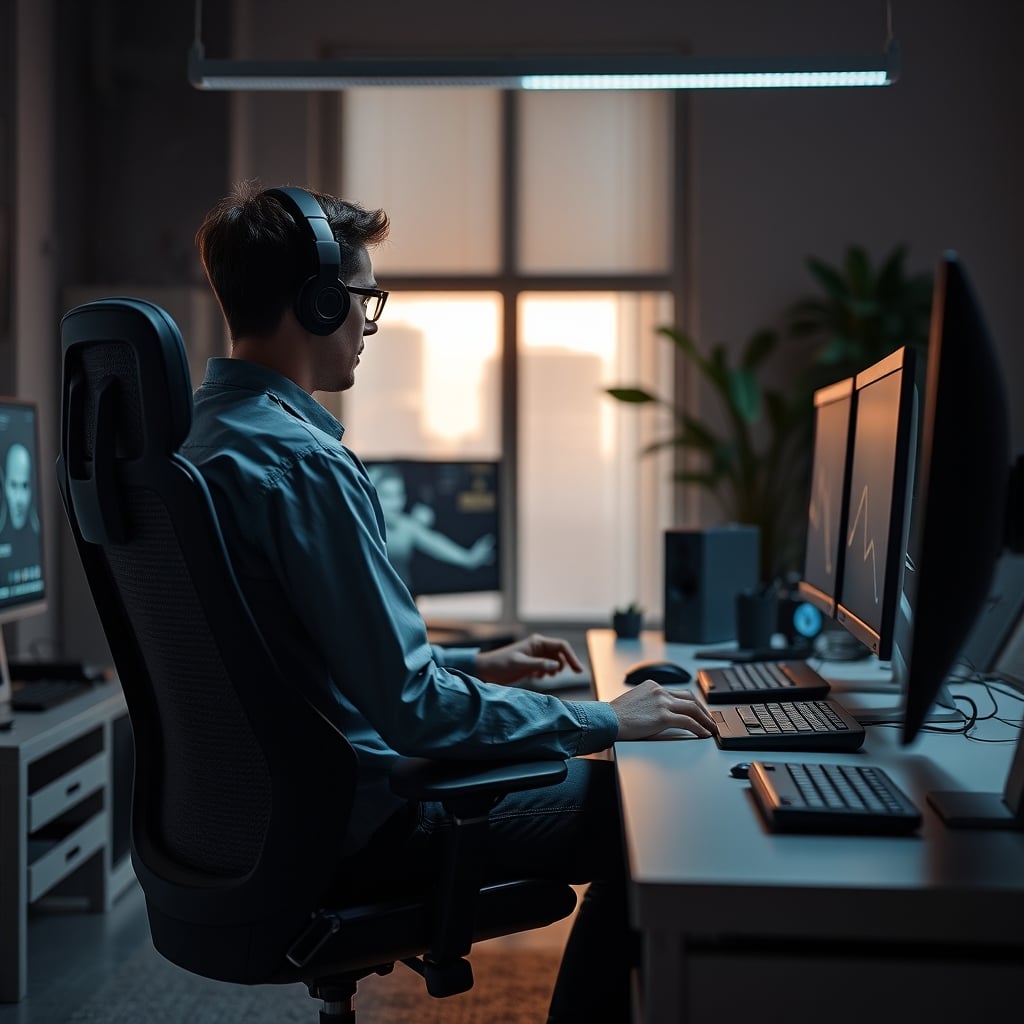
I fell for it. We all did. The siren song of "active sitting" promised liberation from the static desk chair prison. It promised core engagement, better circulation, and a spine that would thank you. So I bought the wobble stool, the kneeling chair, the absurdly expensive "dynamic" throne that promised to make me a paragon of posture. After months of real use, and after hearing the same story from dozens of other users, I have a confession: my lower back has never been angrier. The promise was a lie, and the reality is a form of active sitting damage that's far more insidious than just bad posture.
This isn't about a single bad product. It's about a whole category built on a fundamental misunderstanding of how our bodies work during sustained focus. The ergonomics industry saw a problem—sedentary stagnation—and sold us a solution that creates a whole new set of problems. They sold us instability and called it health. This is the overhyped, overpriced mistake you're probably making right now.
Why The "Active Sitting" Mantra Is A Complete Scam
The core premise is seductive: if sitting still is bad, then sitting that forces constant micro-movements must be good. It's logical on the surface, and it's been the marketing bedrock for every balance ball, wobble stool, and kneeling contraption for the last decade. Here's the brutal truth: This is overrated for the vast majority of desk workers.
The industry lies about context. Yes, small, constant postural adjustments are natural and good. But those adjustments are supposed to be subconscious, effortless, and driven by your body's own feedback—not forced by an unstable surface while you're trying to debug code or edit a timeline. What these products do is add a constant, low-grade balance challenge to a task that requires cognitive stability. Your brain is now splitting resources between staying upright and solving complex problems. This is the opposite of a deep work environment; it's a distraction machine masquerading as health gear.
Users consistently report the same pattern: initial enthusiasm ("It feels so engaging!"), followed by a plateau, and then the onset of new, specific pains—often in the lower back, hips, or knees—that they never had with a traditional chair. The real issue isn't the movement; it's the uncontrolled, compensatory movement your body is forced into while your mind is elsewhere. You're not actively engaging your core; you're subconsciously bracing against instability, leading to sustained, low-level tension in all the wrong muscle groups.
The Real Culprit Behind Active Sitting Damage
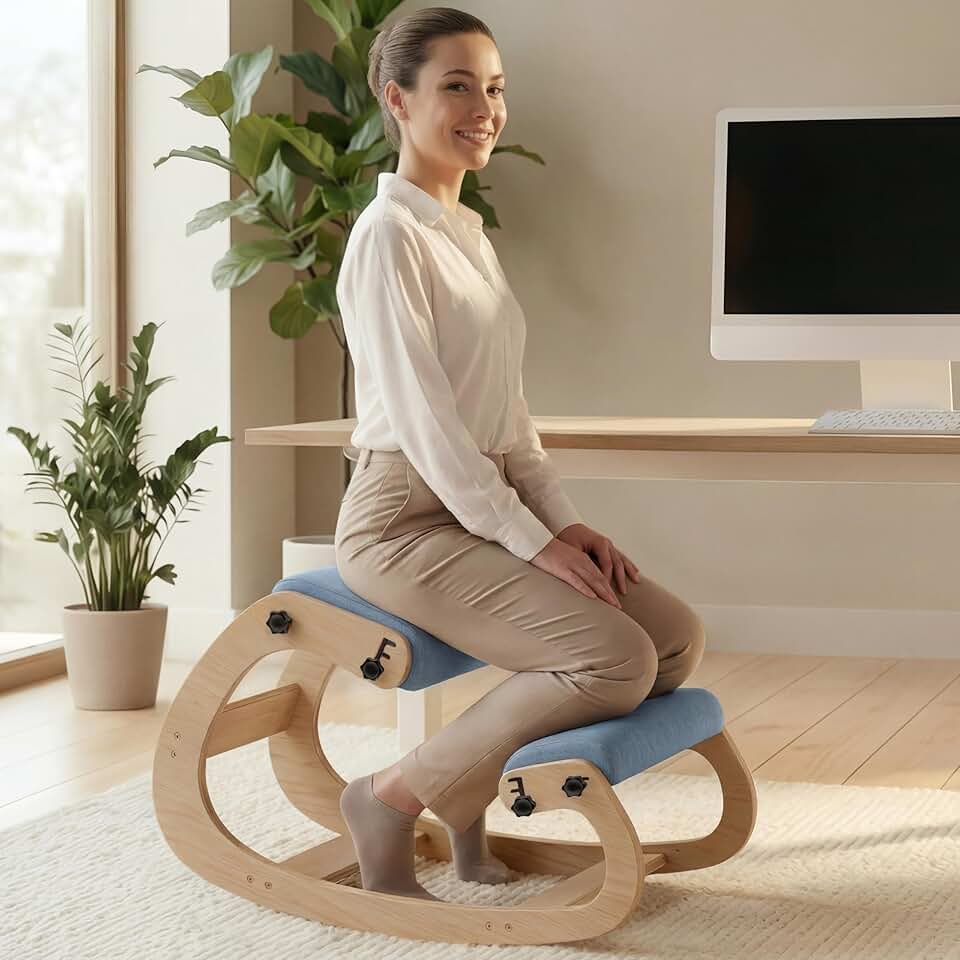
Let's get structural. The damage doesn't come from movement itself. It comes from how and when that movement is forced. When you're in a state of flow, your peripheral awareness shuts down. Your body should be on autopilot, supported neutrally. An active sitting device yanks you out of that autopilot every few seconds with a subtle, corrective balance check. Your lumbar spine, rather than being supported, becomes the primary stabilizer. Your hip flexors and psoas muscles are often held in a shortened, tense position—especially on kneeling chairs. This creates a perfect storm for the kind of nagging, deep tissue pain that's harder to fix than simple slouching.
Based on widespread user feedback, the most common sites for this new pain are the SI (sacroiliac) joints and the thoracic erector spinae—the muscles running along your middle spine. These are areas that take over when your core fatigues from the constant bracing. It's not building strength; it's creating a repetitive strain injury under the guise of fitness. You're not solving sedentary damage; you're just changing its postal code.

Your Chair Isn't The Problem, Your Routine Is
Here's the inconvenient truth the $2000 chair companies hate: the best tool to combat the harms of sitting isn't a better chair. It's a worse routine. The research is clear and has been for years: the most significant health metric isn't your posture at the desk, but your total sedentary time and the frequency of breaks. The OSHA guidelines on computer workstations don't mandate active sitting gadgets; they mandate adjustability and the encouragement of movement breaks.
Chasing the perfect active sitting device is a classic case of Desk Setup Fitness Is the 2026 BS You Must Avoid. You're optimizing the wrong variable. Spending 8 hours a day on a wobble stool with no breaks is still spending 8 hours a day in a single, novel posture—it's just a different, more taxing one. The real solution is brutally simple and costs nothing: set a timer, stand up, walk for two minutes every 30-45 minutes. This does more for your circulation, disc health, and metabolic function than any amount of forced instability ever could. This is the real issue that gadget marketers don't want you to focus on.
If You Must Try It, Here's How Not To Injure Yourself
Maybe you're stubborn. Maybe you've already bought the thing. If you're going to flirt with active sitting, you need rules to minimize the active sitting damage.
First, treat it as a tool, not a throne. Do not spend your entire workday on it. Start with 20-30 minute sessions, once or twice a day. Use it for tasks that don't require deep concentration—checking email, administrative work, short meetings. The second you need to enter a flow state, switch back to a supportive, stable chair. Your brain will thank you.
Second, posture is non-negotiable. The device doesn't give you a pass. Your hips should be at or slightly above knee level, feet flat, screen at eye level. On a kneeling chair, be hyper-vigilant about knee pressure; use a pad and shift frequently. On a wobble stool, avoid the temptation to "engage your core" consciously—just let your body find neutral.
Third, and most importantly, listen to new pains. If you feel a sharp or specific ache in your back, hips, or knees that you didn't have before, stop immediately. That's not "adjustment"; that's your body telling you the load is wrong. This is a known issue for long-term use without proper acclimatization.
The Standing Desk Fallacy And Its Active Sitting Cousin
This all ties into the same flawed thinking that gave us the Standing Desk Dangers Ruining Your Health and Focus. We took a good idea—reducing total sitting time—and turned it into a fetish for a single, static alternative (standing still), and then into a fetish for unstable sitting. The cycle is predictable: identify a real problem, sell a simplistic, product-driven solution, watch as new problems emerge from that solution. The common thread is the avoidance of the non-sexy, non-product-based truth: variety and movement trumps any single, perfect posture or gadget.
Final Verdict: Skip The Gimmick, Master The Basics
After assessing the market, the user reports, and the actual physiology, the verdict is clear: for the vast majority of people seeking pain-free, focused work, dedicated active sitting devices are overrated.
You're wasting money on a complex solution to a simple problem. The money spent on a $500 wobble stool would be infinitely better invested in a solid, adjustable task chair with good lumbar support, a sturdy desk, and a timer app. Focus on the fundamentals your grandpa's office got right: a supportive seat, a good work surface, and getting up regularly. The goal of your desk setup should be to disappear, not to constantly remind you of its existence with a balance challenge.
Your body doesn't need to be "active" while sitting. It needs to be supported so your mind can be active. Stop confusing the two. The path to real ergonomic health isn't found in a new type of chair; it's found in breaking the sedentary cycle altogether. Spend less, move more. It's the only verdict that has ever worked.
Frequently Asked Questions
What exactly is active sitting damage?
Active sitting damage refers to the new, specific pains—often in the lower back, hips, SI joints, and knees—caused by prolonged use of unstable seating like wobble stools, balance balls, or kneeling chairs. It's not from the movement itself, but from the sustained muscular bracing and compensatory tension your body must maintain while your mind is focused on work, creating a repetitive strain injury.
Are all active sitting chairs bad for you?
They're not inherently 'bad,' but they are overwhelmingly overrated and misused. For the vast majority of people doing focused desk work, they introduce an unnecessary balance challenge that distracts from deep work and can lead to injury. They should be used as a short-duration tool, not a primary chair. The risks outweigh the benefits for full-time use.
What's a better alternative to active sitting chairs?
A high-quality, adjustable ergonomic chair with proper lumbar support is superior. Pair it with the only non-negotiable, evidence-based habit: taking frequent, short movement breaks. Stand up and walk for 2-3 minutes every 30-45 minutes. This does more for your health than any gadget and costs nothing. Focus on breaking up sedentary time, not on perfecting your sitting posture.
I already have an active sitting chair. How can I use it safely?
Limit use to 20-30 minute sessions, only for non-focused tasks like calls or light email. Never use it for deep work. Always maintain a neutral posture—hips level, feet flat. Listen acutely to your body; any new, specific pain is a stop signal. And never, ever use it as a replacement for regular standing and walking breaks.
Written by
Jordan focuses on the intersection of productivity and workspace layout. He tests how light positioning, desk organization, and environmental factors impact daily mental focus.
Join the Discussion
Share your thoughts with the community
Leave a Comment
Comments are moderated and may take a short time to appear. Links are not permitted.