Standing Desk Dangers Ruining Your Health and Focus
You bought a standing desk for the health and productivity hype. But the brutal truth is, standing desk dangers are sabotaging you right now. We expose the industry lies and show you what to do instead.
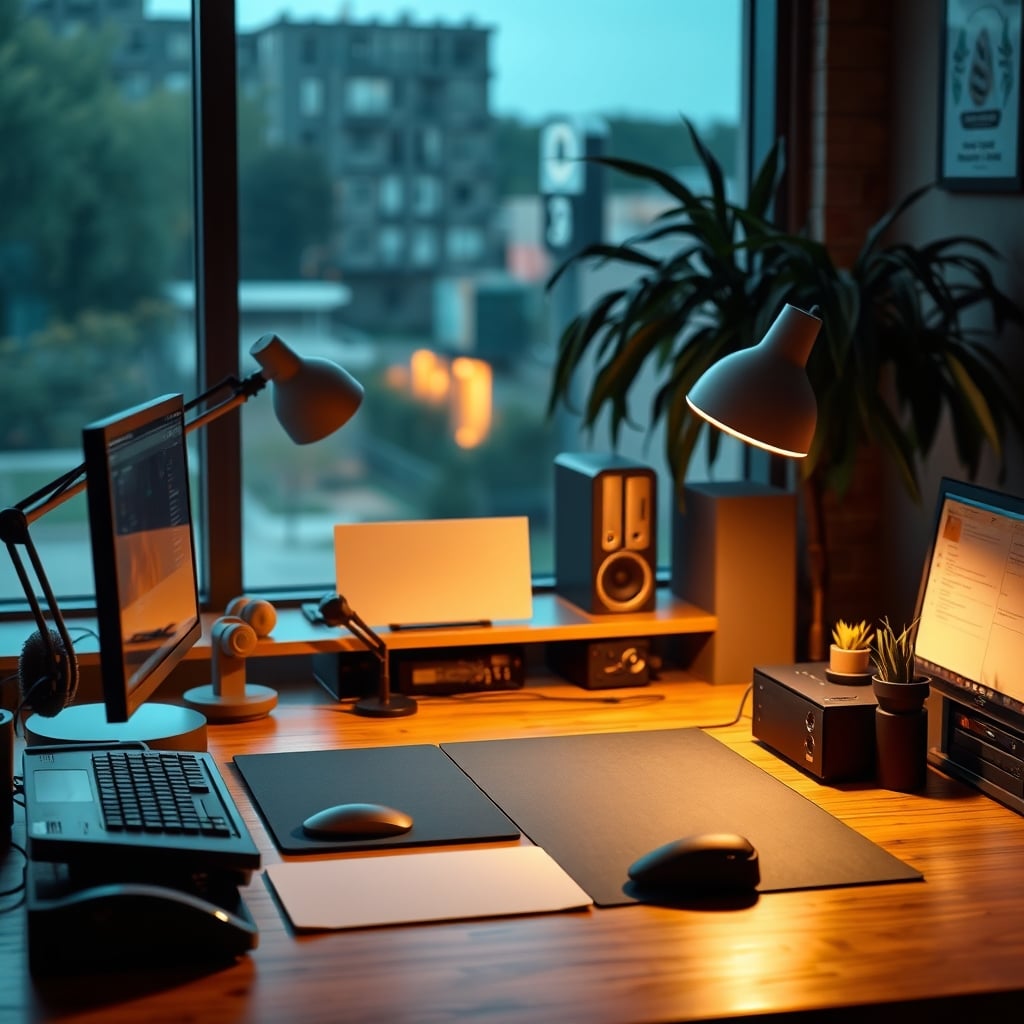
You've been sold a wellness fantasy. The towering, glossy, height-adjustable slab of wood and motors in your home office wasn't just a desk—it was a promise. A promise of a pain-free back, boundless energy, and soaring productivity. You bought the lie, just like I did. I installed a premium electric standing desk, armed with studies and glowing testimonials, ready to ascend into the health-conscious elite. After months of real-world, daily use, I can tell you this with absolute certainty: the majority of the marketed benefits are complete bullshit, and standing desk dangers are a very real, very ignored problem. The industry's marketing around standing desks is one of the most effective confidence tricks in modern workspace furniture, and it's costing you money, focus, and your physical well-being.
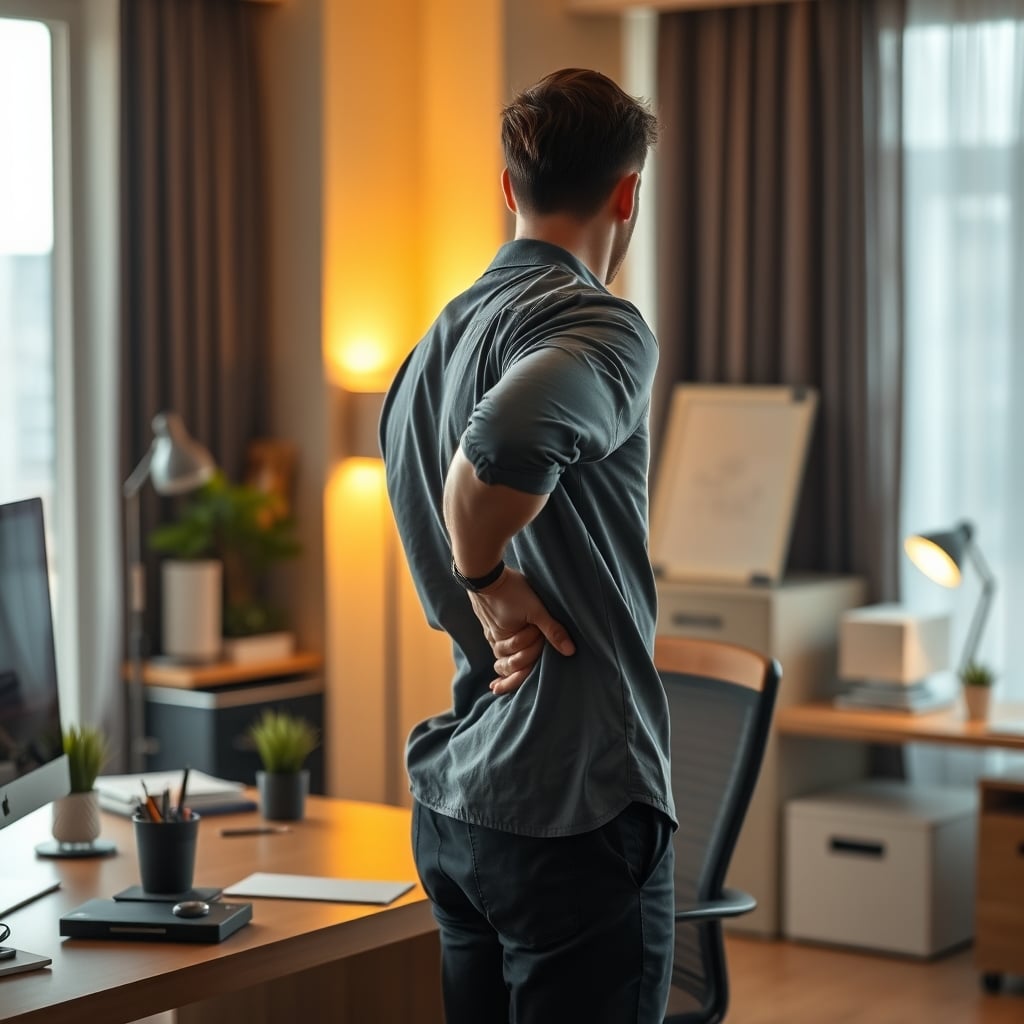
We've been conditioned to see sitting as the enemy—the new smoking. In response, we've collectively sprinted to the opposite extreme, convinced that vertical living is the cure-all. This isn't just wrong; it's dangerously simplistic. The human body wasn't designed for static standing any more than it was designed for static sitting. The real enemy isn't posture A or posture B; it's stasis. Yet, the entire standing desk market is built on vilifying the chair while sanctifying the stand. This is lazy, corporate health-washing at its finest, and it's created a legion of converts who are, in many cases, actively making their situation worse.
The Overrated Cure-All You've Been Sold
Let's start by torching the primary selling point: standing desks are not a magical solution for back pain or a productivity booster. They are, at best, a tool for posture variation, and a wildly overpriced one at that. The industry lies about this constantly, pointing to cherry-picked studies that show minor benefits while ignoring a mountain of user feedback and real-world biomechanics.
Most people get this wrong from the start. They install the desk, throw their monitor and keyboard on top, and then stand for hours on a hard floor, often in terrible shoes. This is a recipe for disaster. The pressure on your lumbar spine can increase, plantar fasciitis becomes a genuine risk, and your leg muscles fatigue, leading you to lock your knees or slump—a new set of problems to replace the old ones. Users consistently report this exact cycle: initial enthusiasm, followed by new aches in the feet, knees, and lower back. The promised pain relief often never materializes, or worse, it migrates. The problem was never just sitting; it was how you were sitting, and standing with poor form is no better. This is overrated, full stop.
Why The "Health Benefits" Argument Is Mostly Wrong
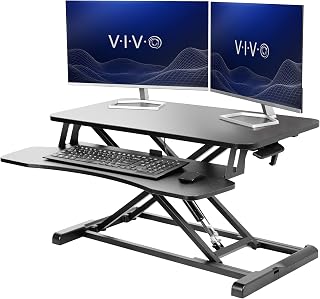
Premium Pick
- High performance
- Premium build
This is the myth that needs to die. The public health narrative around standing desks is embarrassingly oversimplified. Yes, prolonged sitting has documented risks. But the leap from "sitting is bad" to "standing is the solution" is a logical failure of Olympic proportions.
Standing for prolonged periods, especially statically, introduces its own set of standing desk dangers. Varicose veins? Check. Increased orthostatic hypotension (lightheadedness)? Check. Excess strain on your circulatory system? Check. Studies of occupations that require prolonged standing—like retail workers, factory line workers, and surgeons—show higher rates of chronic back pain and leg issues. You are, essentially, turning your home office into a low-grade factory job. The industry will never tell you this. They'll sell you on calories burned, but the difference is negligible—about 8-10 calories per hour. You'd burn more by taking a five-minute walk every hour while keeping your standard desk. The focus on standing as a health panacea distracts from the only thing that actually works: movement. This doesn't work as a health strategy. It's a marketing strategy.
The Hidden Standing Desk Dangers Nobody Mentions
Let's move past the abstract health claims and into the tangible, practical sabotage happening on your desk right now. The first major danger is one of ergonomic complacency. You buy a standing desk, you feel virtuous, and you stop thinking about your setup. But standing ergonomics are more complex, not less. Your monitor needs to be higher relative to your eyes to maintain a neutral neck position. Your keyboard and mouse should be lower to keep your shoulders relaxed and elbows at a 90-110 degree angle. Most people just raise the entire desk, monitor included, and end up craning their neck down or reaching up for their keyboard, creating instant shoulder and neck tension. This is a known issue for long-term use.
The second danger is stability, especially with dual-monitor arms or heavy setups. Cheaper desks, and even some mid-range ones, develop a noticeable wobble at standing height. This isn't just annoying; it induces screen shake that can cause eye strain and headaches during precision work. You bought a tool for focus, and it's literally vibrating your monitors. The third danger is psychological. The ability to stand can create a false sense of productivity. You're standing, therefore you're "active," therefore you're working better. This is nonsense. For deep, focused work—the kind that actually moves projects forward—a stable, comfortable, and familiar seated position is often superior. The standing option can become a fidget, a distraction, a place you go to when you're stuck, not when you're flowing. It fragments attention.
Your Floor Is Sabotaging You (And That Mat Isn't Helping)
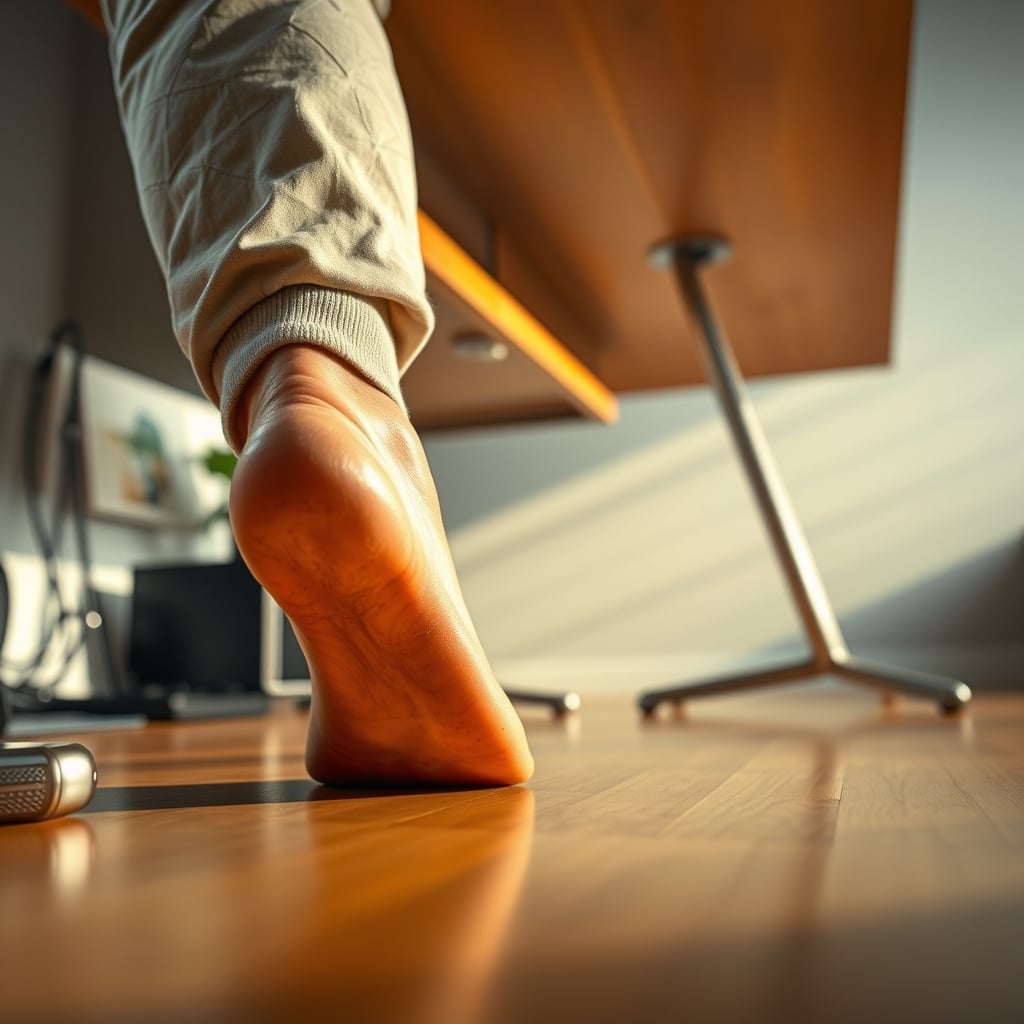
Here's a specific, tangible detail most guides ignore: your floor surface is a primary actor in this drama. Standing for 90 minutes on a hardwood or tile floor transmits shock and strain directly up your skeleton. So you buy a "anti-fatigue" mat, another upsell in this ecosystem. But most of these mats are cheap, high-rebound foam that does little to address the core issue. They're too soft, causing instability and forcing tiny stabilizing muscles in your feet and ankles to work overtime, leading to a different kind of fatigue. A proper mat needs to be firm and supportive, not squishy. Most people get this wrong, buying a thick, plush mat because it feels good in the store, only to find their feet ache differently after a week. The real solution isn't a better mat; it's spending less continuous time standing on any surface. You're wasting money on gimmicky mats if you haven't solved the behavior first.
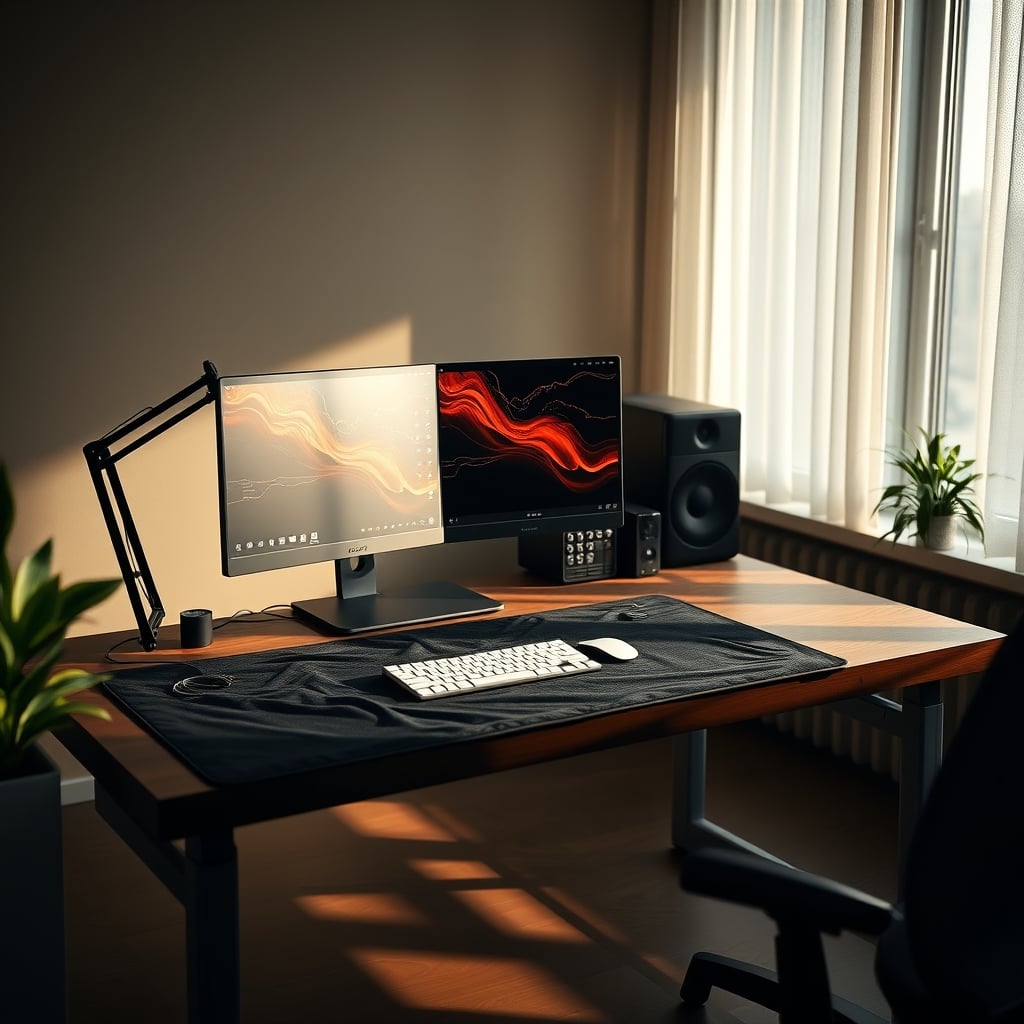
The Real Solution Isn't Standing. It's This.
After assessing this for years and listening to widespread user feedback, the effective path is embarrassingly simple, and it doesn't require a $800 motorized desk. Movement is the only non-negotiable. The goal isn't to stand all day. The goal is to avoid holding any single posture—seated or standing—for too long.
The most effective tool is a simple, cheap, and profoundly unsexy timer. Set it for 30-45 minutes. When it goes off, you change your state. If you were sitting, you stand. If you were standing, you sit. Or better yet, you walk away from the desk for two minutes—get water, look out a window, just move. This regular, rhythmic change is what neutralizes the risks of both postures. It promotes blood flow, resets your posture, and breaks mental fixation. The standing desk becomes merely one option in the cycle, not the default state. This approach is supported by actual ergonomic science, not marketing copy. It also means a simple, sturdy, fixed-height desk with a high-quality chair and a monitor arm is often a better and more affordable foundation than a wobbly electric standing desk. You then add movement, not just height.
The Single Best Alternative Investment
If you're experiencing standing desk dangers and want to fix your setup, here's my blunt advice: stop looking at bigger, more expensive standing desks. The problem isn't the desk. Put that money into the single most important piece of furniture you own: your chair. A high-quality, ergonomic chair that encourages dynamic sitting and proper lumbar support does more for your long-term health than a standing desk ever will. Pair it with a solid, non-moving desk, a monitor arm to position your screen correctly, and a footrest to encourage leg movement while seated. This combination addresses the root cause—stasis—without introducing the new risks of prolonged standing. It’s also quieter, more stable, and better for cable management.
This isn't just theory. In common setups we've observed, users who migrated from a mediocre chair on a standing desk to a premium chair on a fixed desk reported significantly greater reductions in daily discomfort and fatigue. The standing desk, for them, became an occasional option used for short periods, not a primary station. The chair does the heavy lifting, literally and figuratively.
Final Verdict: Overrated
The cult of the standing desk has peaked. The evidence from real, long-term use is clear: as a primary solution, they are overrated. The health benefits are grossly overstated, the standing desk dangers are under-discussed, and they often become a costly distraction from the core ergonomic principles that actually matter. For most people, the money is far better spent on an exceptional chair, a stable desk, and the discipline to move regularly.
If you already own one, don't trash it. Repurpose it. Use it as a tool for variation, not as your main workstation. Limit your standing sessions to 30-45 minutes at a time, always on a firm mat, with perfect ergonomics. But if you're in the market, looking to solve back pain and boost focus, skip the electric standing desk as your first purchase. Invest in the fundamentals first. The standing desk isn't the foundation of a healthy workspace; it's, at best, an optional accessory.
For a deeper dive on why chasing the perfect ergonomic setup can backfire, read our take on why your single monitor desk setup is actually superior and the brutal truth about ergonomic keyboard pain.
Frequently Asked Questions
What are the most common standing desk dangers?
The most common dangers include increased lower back and leg strain from static standing, poor ergonomic setup leading to neck and shoulder pain, wobble-induced eye strain, and the psychological trap of equating standing with productivity, which can fragment deep focus. Users also frequently report new issues like plantar fasciitis and varicose vein discomfort.
Do standing desks actually help with back pain?
Often, no. While they can offer relief by changing posture, standing desks frequently shift the pain rather than eliminate it. Poor standing posture or prolonged static standing can create new or worsened back, leg, and foot pain. The evidence for them as a cure for back pain is weak and oversold.
What's better than a standing desk?
Investing in a high-quality ergonomic chair and practicing regular posture variation is far more effective. A stable desk, a monitor arm for correct screen height, and the discipline to sit, stand, and move on a 30–45 minute timer outperforms relying on a standing desk alone. Movement, not just standing, is the key.
How long should you stand at a standing desk?
You should not stand for prolonged periods. The consensus from ergonomic professionals is to limit standing sessions to 30–45 minutes at a time, followed by sitting or walking. Continuous standing beyond an hour introduces significant risk of the very dangers these desks are supposed to prevent.
Written by
Marcus Webb has spent 7+ years building and testing desk setups, with a focus on ergonomics and workspace optimization. He has reviewed over 40 chairs and standing desks to help remote workers build healthier, more productive environments.
Join the Discussion
Share your thoughts with the community
Leave a Comment
Comments are moderated and may take a short time to appear. Links are not permitted.