Active Sitting Bad for Focus
The active sitting trend is built on a lie that movement equals productivity. In reality, these chairs destroy the focus you need for deep work. We're exposing the psychology and physics behind why they fail.
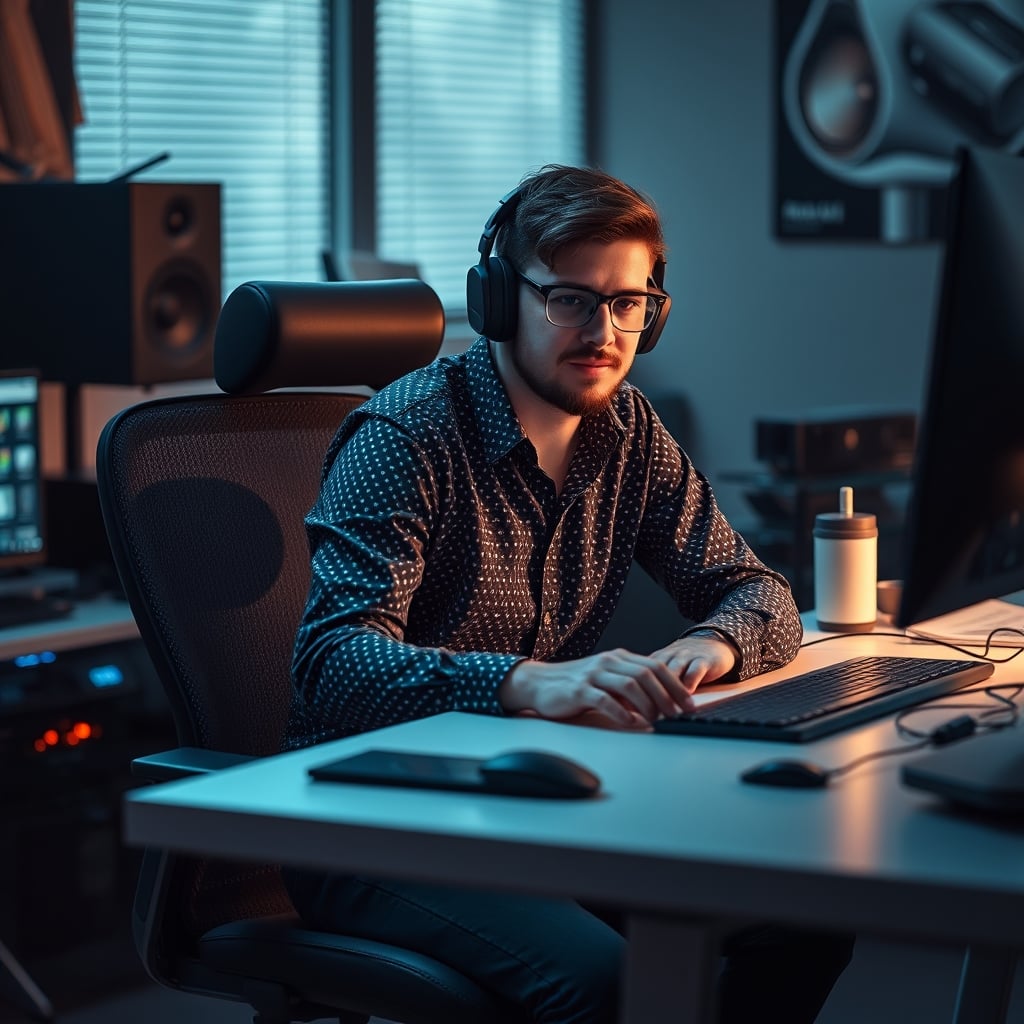
I wasted six months and nearly a grand chasing the active sitting fantasy. I bought into the hype—the core engagement, the improved circulation, the promise of a healthier, more alert workday. What I actually got was a masterclass in distraction, a constant, low-grade physical negotiation that shattered my concentration. The truth they don't sell you is simple: active sitting is bad for the type of work that actually matters. It's the antithesis of a deep work environment.
If your goal is to enter a flow state, to produce something of substance, you need cognitive quiet. Your body should be a stable, forgotten platform for your mind. Active sitting turns your body into a perpetual notification. Every micro-adjustment on a wobble stool, every subtle bounce on a balance ball, is a ping to your brain saying, "Hey, pay attention to your hips, not the code." It's the physical equivalent of leaving your phone notifications on.
After talking to dozens of long-term users and combing through widespread feedback, a clear pattern emerges: initial novelty, followed by a slow realization that deep, immersive work becomes harder. You're not more productive; you're just more physically occupied. The industry lies by conflating physical movement with mental output. They've sold you a fitness gimmick disguised as an ergonomic breakthrough, and it's time to call it out.
Why The "Active Sitting Is Healthy" Myth Needs To Die
This is the central lie, and it's incredibly overrated. The marketing claims are seductive: "Strengthen your core!", "Improve posture!", "Increase calorie burn!" They're not selling you a chair for work; they're selling you a covert gym membership. This is a fundamental category error.
Your desk isn't a gym. Your work chair shouldn't be a piece of exercise equipment. The goal of seated work isn't to engage your transverse abdominis; it's to liberate your prefrontal cortex. By demanding constant muscular engagement for basic stability, active sitting chairs increase your cognitive load. You're now multitasking—balancing and thinking. And as we know from reams of psychological research, multitasking is a myth. You're just task-switching badly, and it destroys the quality of your work.
Look at the jobs that require extreme, sustained mental focus: air traffic control, surgical suites, trading floors. You won't find balance balls or kneeling chairs. You'll find stable, supportive, often boringly static seats. Because when the stakes are high, you eliminate variables. You don't add a wobble. This should tell you everything.
Active Sitting Bad For Structural Support
Let's get physical. Most active sitting solutions—saddle stools, kneeling chairs, wobble stools—are structurally terrible for long-duration sitting. They force you into a single, often exaggerated posture without the proper distribution of support. A saddle stool pitches your pelvis forward, overloading your lower back if you don't maintain perfect, tiring core tension. A kneeling chair dumps weight onto your shins and knees, a known issue for longer sessions that users consistently report after the first hour.
The real issue isn't that you need to move more while sitting. The real issue is that static sitting in a bad chair is bad. The answer isn't to make the chair unstable. The answer is to get a chair that properly supports a healthy, static posture and then—this is critical—to stand up and move on a macro scale. A five-minute walk every hour beats eight hours of pointless, distracting micro-fidgeting. Every physio will tell you this. The active sitting industry is solving the wrong problem with a more expensive, more distracting solution.
The Psychology Of The Stable Base
Deep work requires a foundation of environmental predictability. This is a core principle behind minimalism and dopamine detox setups. You remove visual noise, auditory interruptions, and digital temptations to create a bubble of concentration. Your physical interface—your chair, desk, keyboard—should disappear from your conscious awareness.
An active sitting chair constantly re-introduces itself. It never disappears. The slight sway, the need to re-center, the different pressure on your sit bones—it's all a drip-feed of sensory input. This is why these chairs feel "engaging" at first. That feeling isn't productivity; it's distraction dressed up as novelty. Your brain is literally being engaged by the chair itself, not the task on your screen. You're trading focus on your work for focus on your posture.
Think about the last time you were truly in a flow state. Time vanished. Your body vanished. An active sitting chair is a device designed to prevent that vanishing act. It anchors you to your physical self. For creative or analytical work, that's a disaster. This is the brutal truth nobody selling you a $600 wobble stool will admit.
What Actually Works: The Boring, Stable Truth
So if active sitting is bad, what should you do? The solution is less sexy, cheaper, and vastly more effective. You need two things: a properly supportive, static ergonomic chair that fits you, and the discipline to take real breaks.
Forget the gimmicks. Look for a chair with adjustable lumbar support that actually fits the curve of your lower back, not a pillow you strap on. Seat depth and height adjustment are non-negotiable. The armrests should allow your shoulders to relax. The goal is to find a setting where you can sit, forget your body, and work. This might be a used high-end task chair from a reputable brand (Steelcase, Herman Miller) found on marketplace for less than a flashy new saddle stool. Its job is to support, not to stimulate.
Then, you schedule interruptions. Use a simple timer. Every 50 minutes, you stand up. You walk away from your desk. You get a glass of water, look out a window, do five stretches. This is the real active part. This macro-movement resets your posture, circulates blood, and gives your mind a legitimate break. It's intentional and effective, not random and distracting. This approach separates movement from work, which is exactly what your focus needs.
This is the same principle behind creating a distraction-free environment. You wouldn't put a fidget pad on your desk, so why put one under your thighs? You're systematically removing points of friction, not adding them.
The Expensive Lesson I Learned
My mistake was confusing physical engagement with mental engagement. I thought the slight challenge of balancing would keep me "alert." It did. It kept me alert to the discomfort in my lower back and the fatigue in my stabilizer muscles. My focus became bifurcated. The quality of my writing and analysis suffered because I was never fully mentally immersed. I was in a state of perpetual semi-distraction.
The lesson from the community is clear: users who switch from active sitting gimmicks to proper, static ergonomic chairs consistently report an immediate improvement in their ability to work for longer, deeper sessions. The relief isn't just physical—it's cognitive. You're freeing up mental RAM previously dedicated to physical equilibrium. It’s like closing a dozen background apps on your computer.
This isn't about being lazy. It's about being strategic with your attention. Your attention is the finite resource. Don't waste it on balancing. Invest it in thinking.
The GlowRig Verdict: Skip It
Active sitting chairs are overrated. For the vast majority of people doing knowledge work, creative tasks, or deep focus sessions, they are a net negative. They are bad for concentration, often bad for long-term structural support, and an expensive solution to a problem better solved with a good static chair and timed breaks.
Spend your money on a legitimately supportive chair. Spend your discipline on taking actual breaks. Your focus, your back, and your bank account will thank you. The entire active sitting category, for desk work, is largely a scam. Skip it.
If you're trying to build a true deep work setup, start by eliminating distractions, not incorporating them into your furniture. For more on building an environment that actually supports focus, read our guide on creating a distraction-free environment. And if you think your posture issues will be solved by a fancy chair, you might want to read the brutal truth about expensive ergonomic chairs being a placebo first.
Frequently Asked Questions
Why is active sitting bad for focus?
Active sitting is bad for focus because it creates constant, low-grade physical distraction. Chairs like balance balls or wobble stools require your brain to continuously manage micro-adjustments for balance and stability. This consumes cognitive resources that should be dedicated to your work, preventing you from entering a true flow state where your body and environment fade from awareness.
Aren't active sitting chairs better for your posture and health?
This is overrated and often misleading. While they may engage different muscles initially, many active sitting chairs (like kneeling chairs or saddle stools) force you into a single, often unsupported posture for long periods, which can create new points of strain. Real postural health comes from a well-adjusted supportive chair and, more importantly, taking regular breaks to stand and move, not from constant, distracting micro-movements.
What should I use instead of an active sitting chair?
Skip the active sitting gimmick. Invest in a high-quality, adjustable static ergonomic chair that properly supports your lumbar spine and allows you to sit comfortably without thought. Then, pair it with the disciplined habit of taking a 5-minute break to stand and move every 45-60 minutes. This separates movement from focused work, which is what your concentration actually needs.
Written by
GlowRig Editorial researches and writes practical guides about desk setups and home office gear. Our articles are produced with the help of AI research tools and are reviewed for accuracy against manufacturer specifications and public user feedback. We may earn a commission from affiliate links, which never affects our recommendations.
Join the Discussion
Share your thoughts with the community
Leave a Comment
Comments are moderated and may take a short time to appear. Links are not permitted.